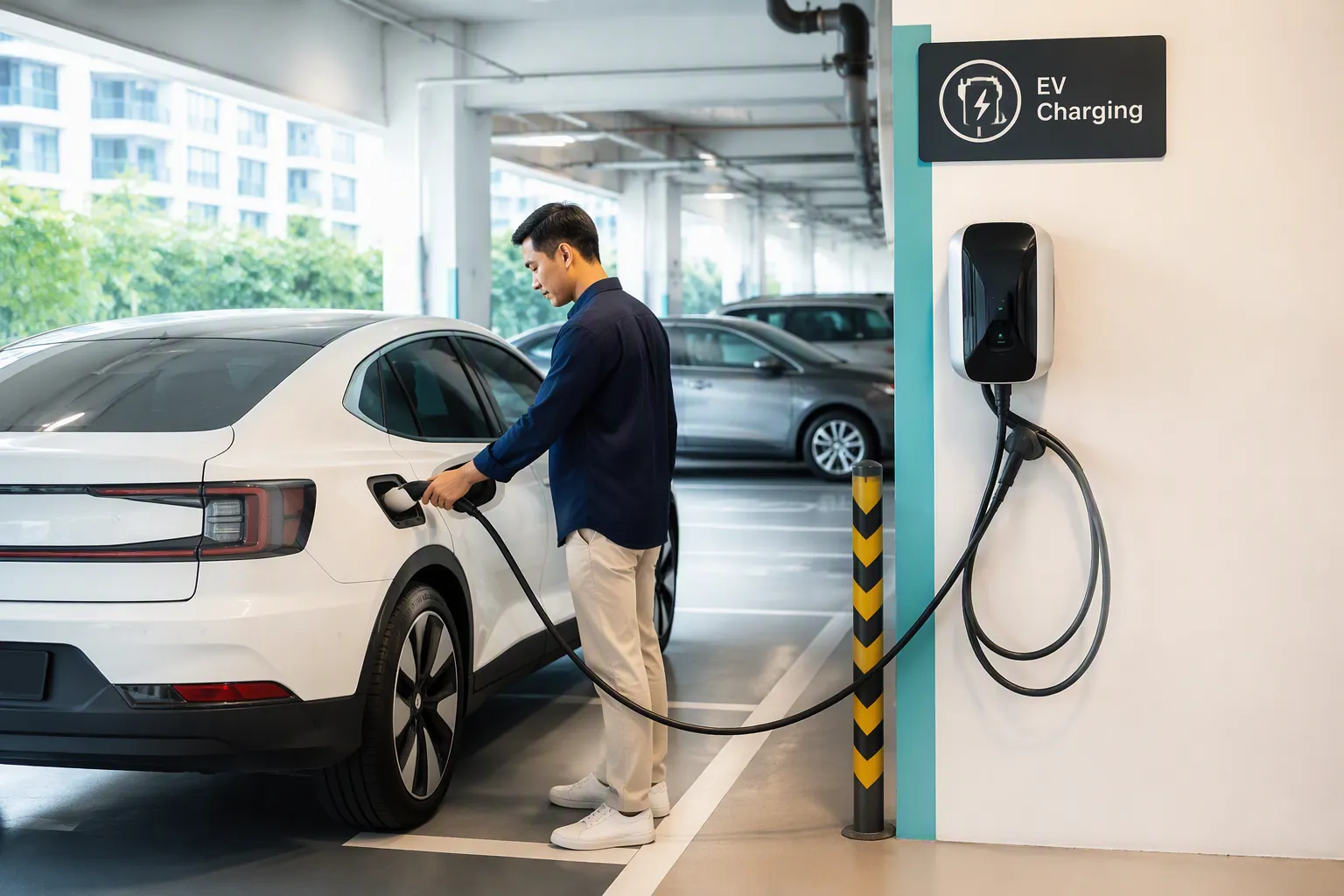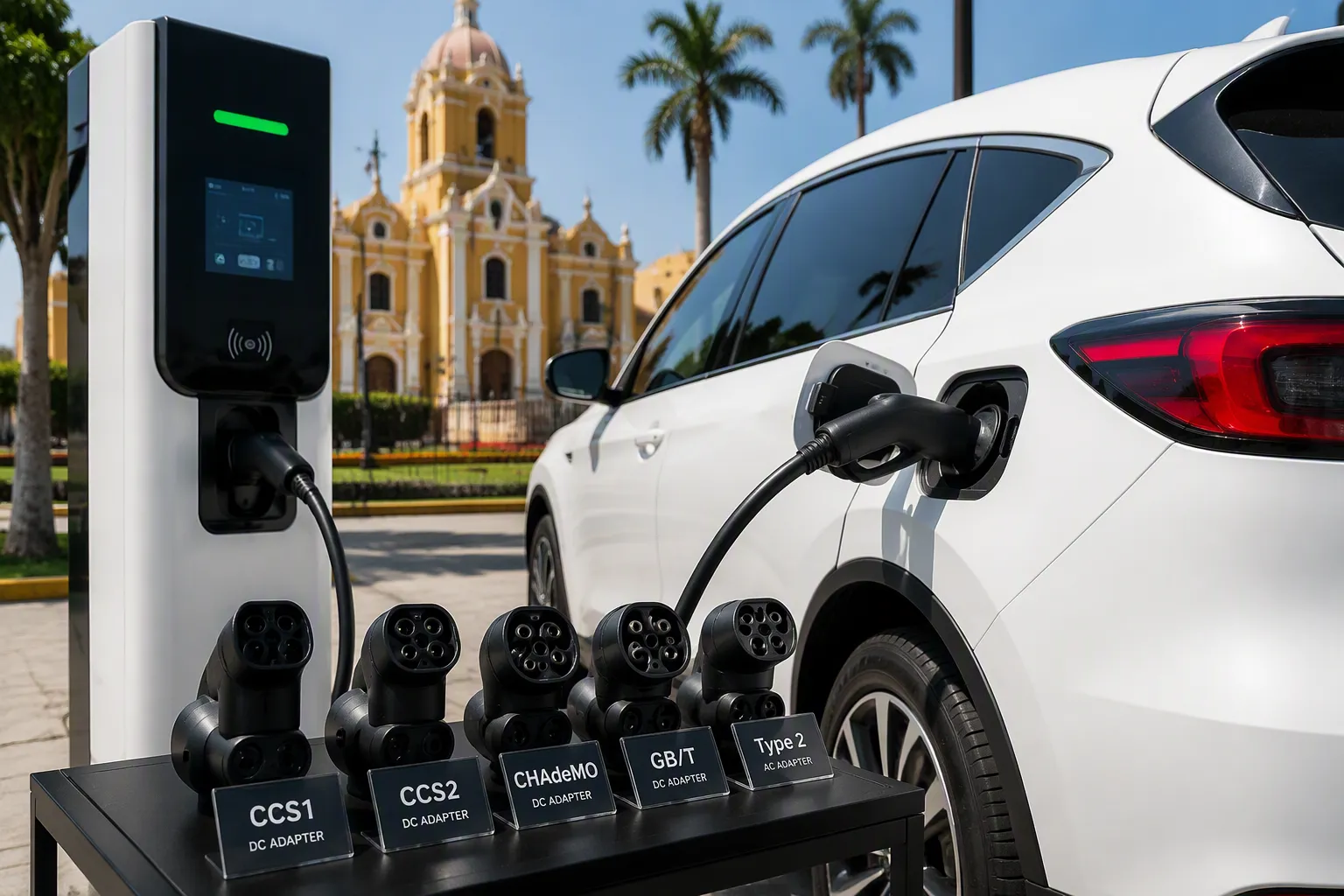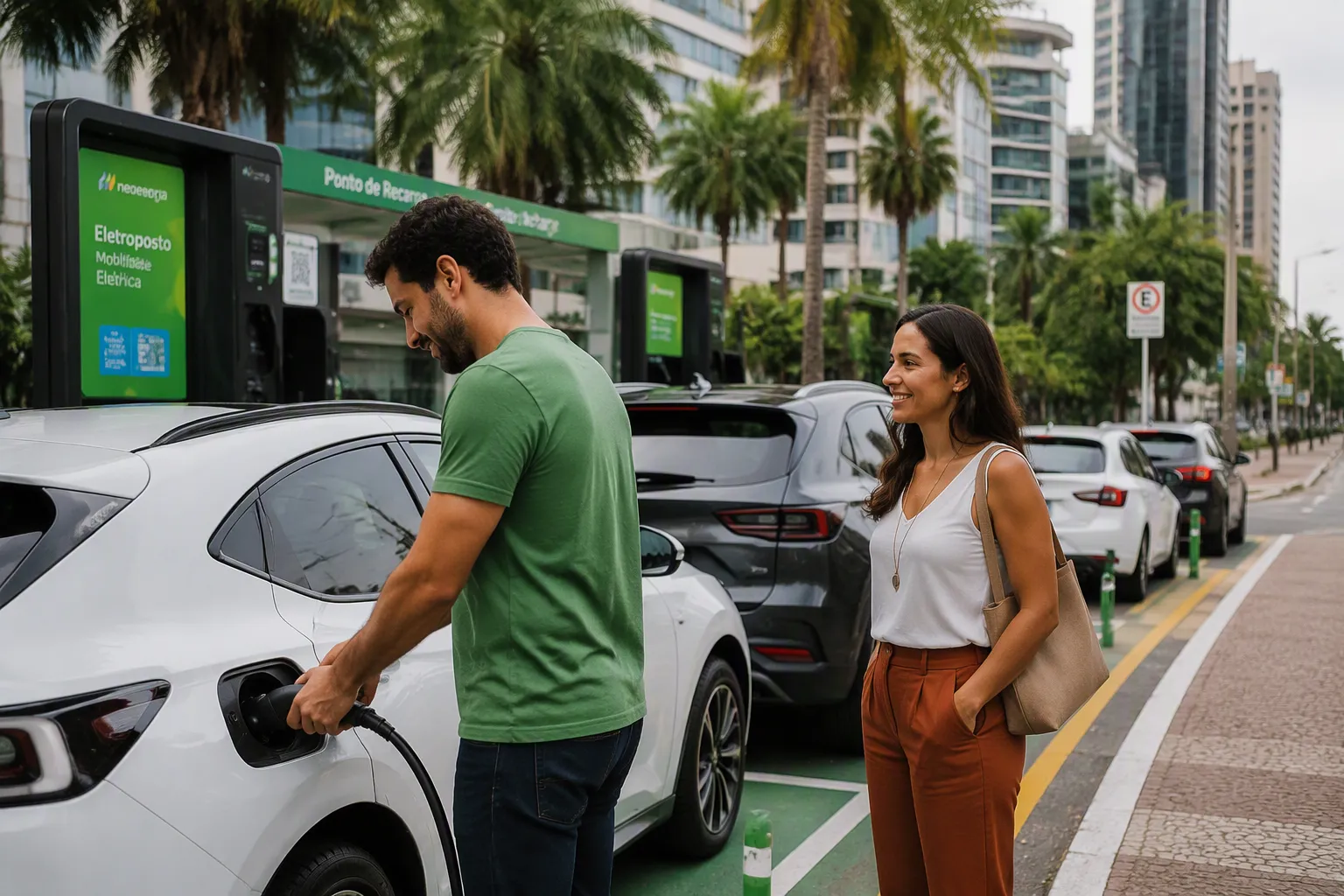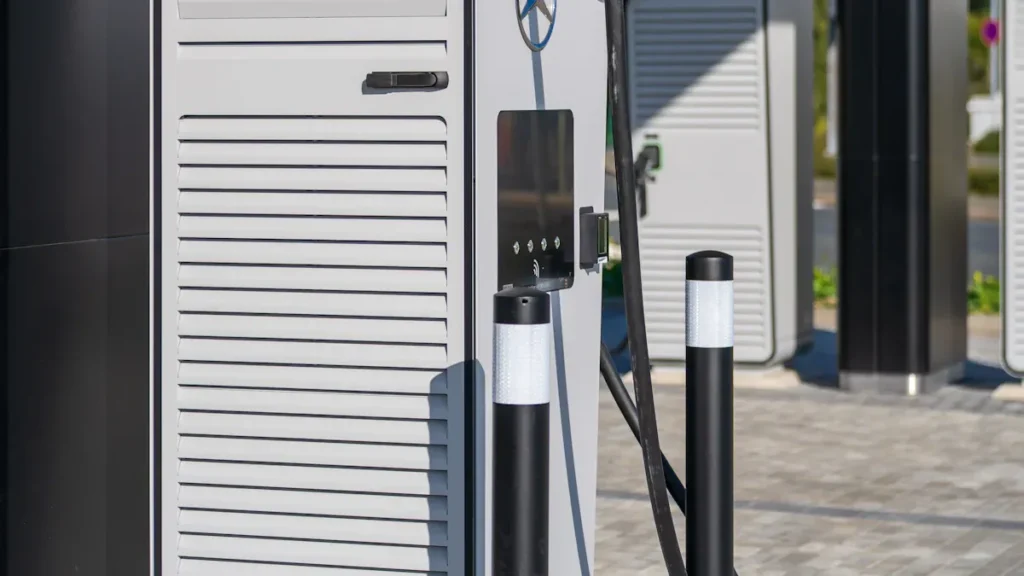
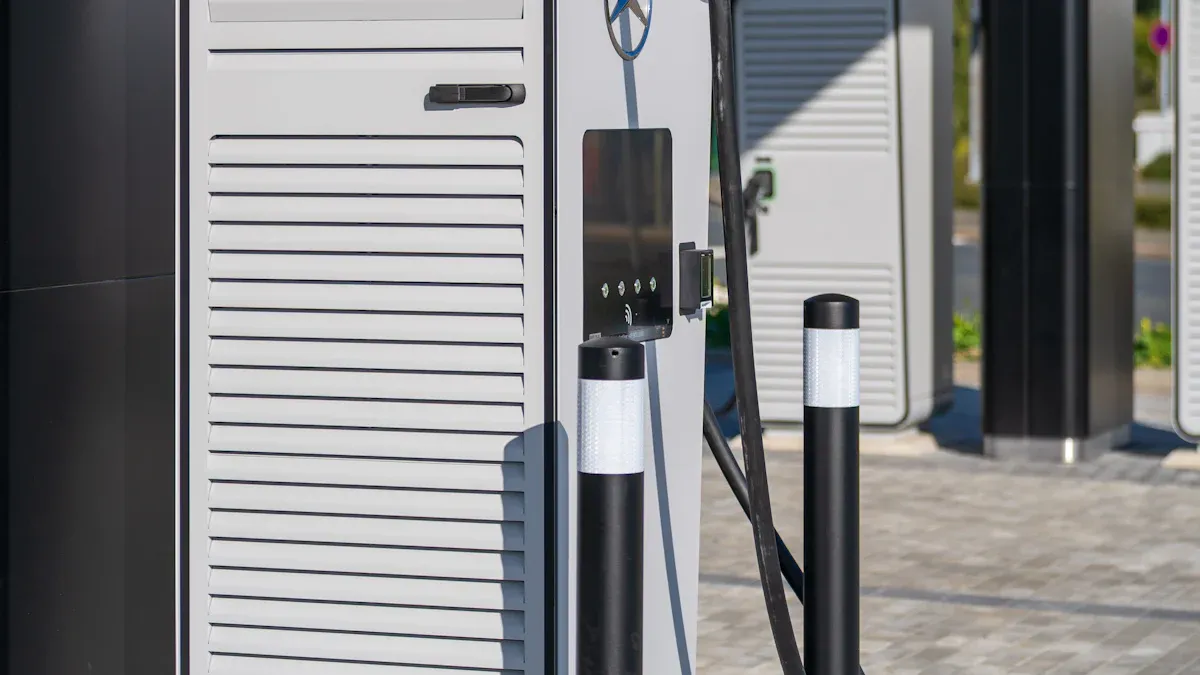
Drivers can quickly find electric vehicle charging points using Google Maps. By searching for electric vehicle charging points, they see available options near their location or along their route. Many EV charger manufacturers list electric vehicle charging points directly on the map, making it easier to locate the right EV Charger. Users can compare electric vehicle charging points by checking details and selecting the best option. Reliable charging stations help drivers plan their trips with confidence.
Tip: Always confirm the type of electric vehicle charging points before starting a trip.
Getting Started with Google Maps EV Charging Stations
Accessing Google Maps on Mobile and Web
Using the Google Maps App for EV Charging Points
Drivers often rely on the Google Maps app to locate the nearest EV charging station. After opening the app, they tap the search bar and enter “nearest EV charging station.” The app displays a map with icons representing available charging stations. Users can zoom in or out to view more options or focus on a specific area. The app provides directions to the charging station near you, including estimated travel time and distance. Many drivers prefer the app for its convenience and real-time updates.
Tip: Enable location services in your device settings to improve accuracy when searching for a charging station near you.
Using Google Maps Website to Find Charging Stations
Some users access google maps ev charging stations through the website on a desktop or laptop. They visit the Google Maps homepage and type “nearest EV charging station” in the search field. The website displays a list and map view of charging stations. Users can click on each charging station near you to see details such as address, operating hours, and connector types. The website allows users to plan longer trips and compare multiple charging stations before choosing the best option.
| Platform | How to Search | Features Available |
|---|---|---|
| Mobile App | Search bar: “nearest EV charging station” | Real-time navigation, live updates |
| Website | Search field: “nearest EV charging station” | Map/list view, trip planning |
Signing In for Personalized EV Charging Station Searches
Syncing Preferences for Electric Vehicle Charging Points
A Google account helps users sync preferences across devices. When signed in, users can save favorite charging stations and access them from any device. Google Maps settings allow users to customize search results based on vehicle type and preferred charging networks. This feature ensures that the nearest EV charging station matches the user’s requirements, making trip planning more efficient.
Benefits of a Google Account for Charging Stations
Signing in to Google Maps offers several advantages. Users can receive personalized recommendations for charging stations based on previous searches and saved locations. The account enables users to leave feedback and suggest updates for charging stations. Google Maps settings also allow users to manage notifications about charging station availability and status changes. These benefits help users stay informed and prepared during their travels.
Note: Signing in to a Google account is optional, but it enhances the experience when searching for charging stations.
How to Find EV Charging Stations Using Google Maps
Searching for Electric Vehicle Charging Points
Entering “EV Charging Stations” in the Search Bar
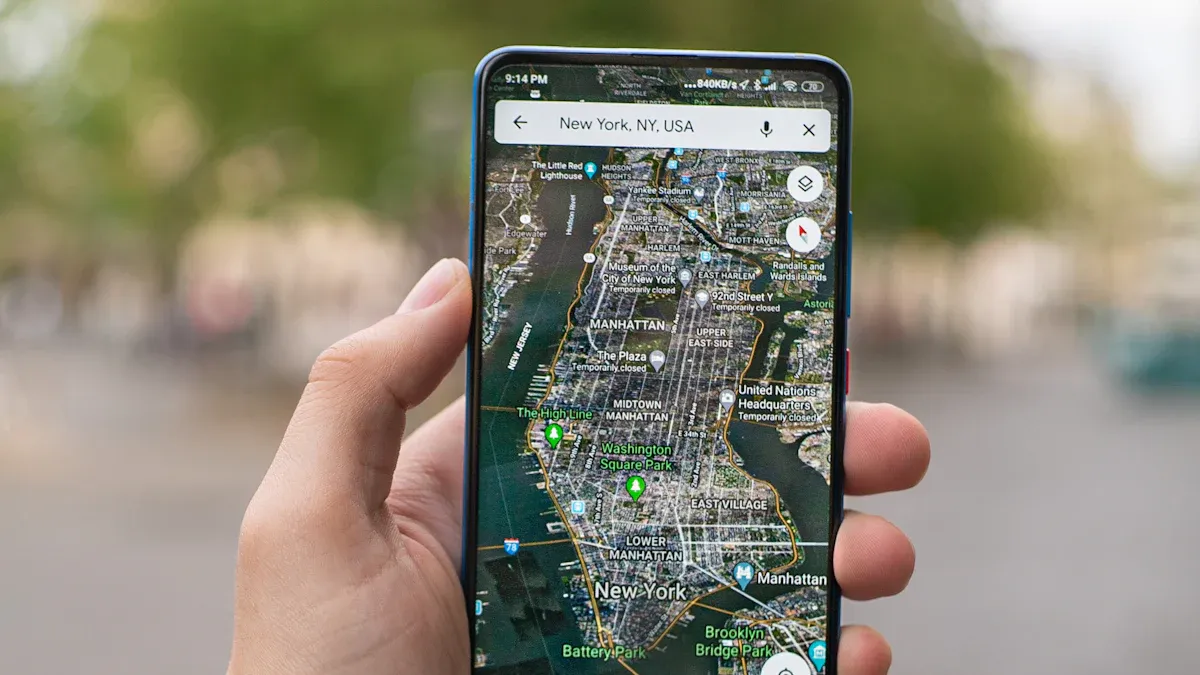
Many drivers start their search for charging stations by entering specific terms in the search bar. On Google Maps, users type phrases such as “EV charging stations” or “ev charger” to display available locations. This method provides instant results and highlights stations near the user’s current position. The search bar recognizes common queries and suggests relevant options, making it easier to find EV charging stations quickly.
- Users often search for “ev charger” on Google Maps or Bing Maps to view all available locations.
- Some drivers prefer searching for “free EV charging stations near me” to locate cost-effective options.
- Dedicated apps like bp pulse and OVO Charge consolidate multiple networks, but Google Maps remains a popular choice for direct searches.
Tip: Typing “EV charging stations” in the search bar yields the most accurate and comprehensive results for nearby charging points.
Using Location and Route-Based Searches
Drivers who plan longer trips use location and route-based searches to find EV charging stations along their journey. Google Maps allows users to set a destination and view charging stations on the route. This feature helps drivers avoid detours and ensures access to charging points when needed. By adjusting the map view, users can focus on specific areas or highways where charging stations are available.
- The bp pulse app enables users to select “Nearby” and search for charging points in a chosen location.
- OVO Charge helps locate available charging points when Google searches do not provide enough options.
- Google Maps displays charging stations along the selected route, supporting efficient trip planning.
Note: Route-based searches help drivers identify charging stations before starting a trip, reducing the risk of running low on battery.
Viewing and Understanding Charging Station Results
Map View vs. List View for Charging Stations
Google Maps presents charging station results in both map and list views. The map view displays icons representing each station, allowing users to see their distribution across the area. The list view provides detailed information, including addresses, operating hours, and connector types. Drivers can switch between views to compare options and select the most convenient charging station.
| Feature | Description |
|---|---|
| Real-time port availability | Users can see the current availability of charging ports at nearby stations. |
| Charging speed information | Google Maps provides details on the speed of charging at various stations. |
| AI-powered summaries | Summaries based on user reviews enhance the accuracy of locating chargers and their reliability. |
Tip: Use the map view for a quick overview and the list view for detailed comparisons of charging stations.
Interpreting Charging Station Icons and Details
Each charging station on Google Maps appears with a unique icon. These icons indicate the type of charger and its status. Clicking on an icon reveals more details, such as charging speed, connector compatibility, and real-time port availability. Google Maps also displays user-generated summaries that highlight reliability and service quality. Drivers should review these details to ensure the selected station meets their vehicle’s requirements.
- Charging station icons show whether the station is available or in use.
- Details include charging speed, connector type, and user ratings.
- AI-powered summaries help users assess reliability based on previous experiences.
Note: Reviewing charging station details before arrival helps drivers avoid busy or out-of-service locations.
Filtering Google Maps EV Charging Stations for Compatibility
Applying Filters for Charger Type and Plug Compatibility
Selecting Level 1, Level 2, or DC Fast Chargers
Drivers often need to filter charging stations by charger type to match their vehicle’s requirements. Google Maps allows users to select from Level 1, Level 2, or DC Fast Chargers. This feature helps drivers avoid incompatible or slow chargers during their journey. By choosing the correct charger type, drivers can ensure efficient charging and minimize wait times.
To set up these filters, users can follow a simple process:
- Go to ‘Settings’ in Google Maps.
- Select ‘Electric vehicle settings’.
- Click on ‘Add plugs’ to set preferences for charger types.
These steps help drivers see only the most suitable charging stations for their needs.
Filtering by Network or Brand of Charging Stations
Some drivers prefer specific networks or brands for reliability or membership benefits. Google Maps provides options to filter public charging stations by network or brand. This feature streamlines the search process and ensures drivers find familiar or trusted providers. Filtering by network can also help drivers access exclusive features or discounts offered by certain brands.
Available plug types for filtering include:
- Type 2
- Tesla points
- CCS combo 1
- CCS combo 2
- CHAdeMO
- J1772
Selecting the right plug type ensures compatibility and reduces the risk of arriving at an unusable station.
Ensuring Compatibility with Your Electric Vehicle
Checking Connector Types for EV Charging Points
Each electric vehicle charging station supports specific connector types. Drivers should always check connector compatibility before heading to a station. Google Maps supports filtering by connector standards such as J1772, CCS (Combo 1 and Combo 2), Type 2, CHAdeMO, and Tesla. Setting these preferences in the app helps drivers avoid incompatible ev charging points and ensures a smooth charging experience.
A quick checklist for ensuring compatibility:
- Review the connector types supported by your vehicle.
- Set plug preferences in Google Maps.
- Check station details for supported connectors before starting your trip.
Using Reviews and Ratings for Charging Stations
User reviews and ratings on Google Maps provide valuable insights into the quality and reliability of each electric vehicle charging station. Drivers often share experiences about amenities, location, and maintenance. Positive reviews frequently mention nearby restrooms or restaurants, while negative feedback often relates to broken chargers or poor maintenance.
| Factor Influencing Satisfaction | Impact on Ratings |
|---|---|
| Amenities and Location | Positive |
| Reliability and Maintenance | Negative |
Tip: Reading recent reviews can help drivers avoid out-of-service stations and choose locations with better amenities.
Adding Electric Vehicle Charging Points to Your Route
Planning Routes with Multiple Charging Stations
Adding Charging Points as Stops on Google Maps
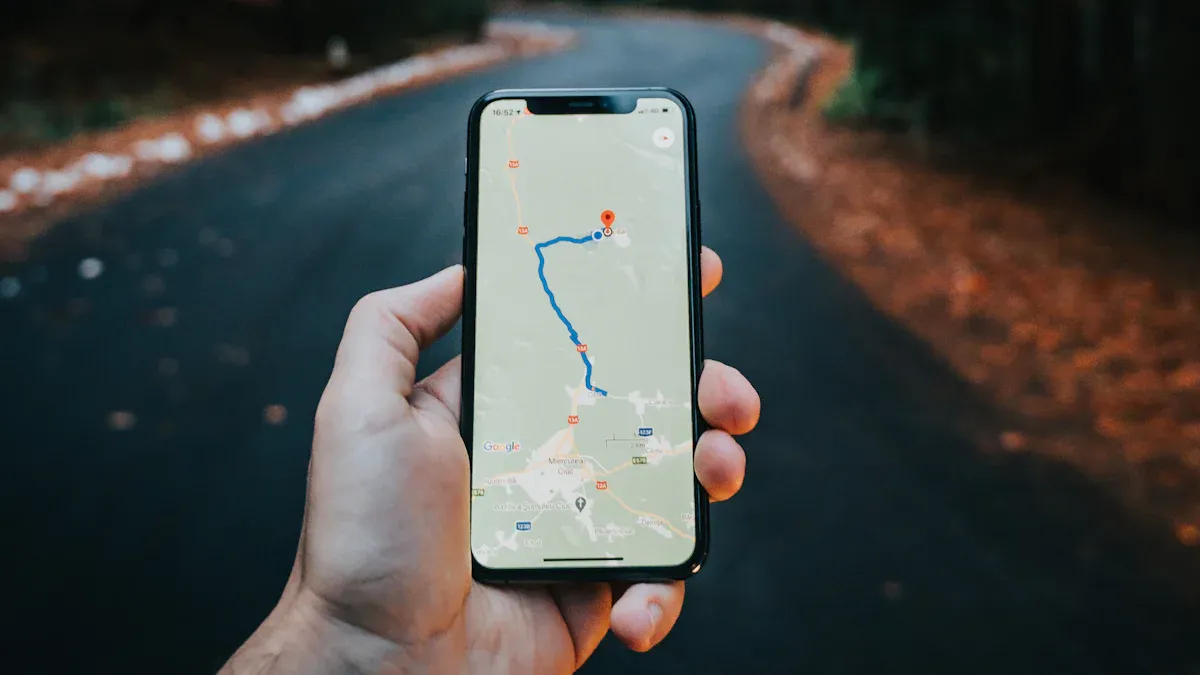
Drivers who plan longer journeys often need to add several charging points along their route. Google Maps allows users to create a multi-stop itinerary, ensuring that electric vehicles remain powered throughout the trip. The process begins on a smartphone, where users plan their journey and identify suitable charging locations. After selecting the desired route, they can add charging points as stops. The ‘send route from phone’ feature enables seamless transfer of the planned route to the vehicle’s navigation system.
- Start planning the trip on a smartphone using Google Maps.
- Use the ‘send route from phone’ feature to transfer the route to the car.
- Add multiple stops for electric vehicle charging points along the route.
- Google Maps optimizes the route for efficiency.
- Review time estimates for each stop, including charging time, to manage the journey effectively.
This approach helps drivers avoid range anxiety and ensures access to charging stations at convenient intervals.
Optimizing Routes for Efficient Charging
Google Maps uses advanced features to optimize routes for electric vehicles. The platform considers vehicle range, charging needs, and real-time traffic conditions. By analyzing these factors, Google Maps suggests the most efficient path and adjusts the route dynamically if conditions change. The table below highlights key optimization features:
| Feature | Description |
|---|---|
| Real-time updates | Provides users with current information on charging station availability and wait times. |
| Dynamic rerouting | Adjusts the route based on changes in driving direction, ensuring optimal path selection. |
| State-of-Charge (SOC) readings | Utilizes SOC data to plan routes effectively, considering vehicle range and charging needs. |
These features help drivers reach their destination with minimal delays and efficient charging stops.
Estimating Charging Time and Distance on Google Maps
Using Trip Estimates for Charging Stations
Accurate trip planning requires reliable estimates for both travel and charging time. Google Maps displays estimated arrival times for each stop, including charging stations. Users can view the total distance, expected charging duration, and overall trip time. However, drivers should note that Google Maps may require manual filtering to access detailed information about charger uptime and availability. Many drivers supplement Google Maps with specialized apps for more precise charging data.
- Google Maps provides estimated travel and charging times for each stop.
- Manual filtering may be necessary to find detailed charger information.
- Some drivers use additional apps for enhanced accuracy.
By reviewing these estimates, drivers can budget their time and avoid unexpected delays.
Considering Real-Time Availability of EV Charging Points
Real-time data plays a crucial role in efficient trip planning. Google Maps offers updates on charging station availability and wait times, helping drivers avoid busy or out-of-service locations. Since Google Maps continues to improve its EV charging features, users benefit from more accurate and timely information. However, the platform may not always provide comprehensive real-time data on charger performance. Drivers should remain flexible and consider alternative charging points if needed.
Tip: Always check real-time availability before heading to a charging station to reduce wait times and ensure a smooth journey.
Advanced Features for Google Maps EV Charging Stations
Saving Favorite Charging Stations for Future Use
Creating and Managing Lists of Charging Points
Drivers who use an electric car often visit the same charging points during their daily routines or long trips. Google Maps allows users to create and manage lists of preferred charging locations. By saving these points, drivers can organize their favorite stops for easy reference. This feature helps electric car owners plan trips more efficiently, especially when they rely on specific stations for reliability or convenience.
To create a list, users select a charging point and choose the option to save it. They can add notes or categorize stations based on trip type, such as daily commutes or cross-country travel. Managing these lists ensures that electric car drivers always have quick access to trusted charging points.
Quick Access to Saved Electric Vehicle Charging Points
Quick access to saved charging points streamlines the charging process for electric car owners. Google Maps displays saved stations in a dedicated section, allowing users to locate them without repeated searches. This feature proves valuable during urgent situations, such as low battery warnings or unexpected detours.
The table below highlights advanced features that support efficient trip planning for electric car drivers:
| Feature Description | Details |
|---|---|
| Optimized Routing Algorithms | Google Maps uses advanced algorithms to plan trips with multiple charging stops efficiently, providing the best routes in under 10 seconds. |
| Charging Station Filtering | Users can filter charging stations based on personal preferences, such as speed and proximity to amenities like grocery stores or coffee shops. |
| Saving Favorite Stations | Users can save frequently used charging stations for quick access during trips. |
Tip: Organizing favorite charging points in lists reduces stress and saves time during electric car journeys.
Setting Notifications and Real-Time Alerts
Receiving Updates on Charging Station Status
Electric car drivers benefit from real-time updates about charging station status. Google Maps offers notifications that inform users when a saved station becomes available or experiences maintenance. These alerts help drivers avoid unnecessary waits and plan alternative stops if needed. Staying informed about charging station status ensures that electric car owners can adjust their plans quickly.
Getting Route Change Suggestions for Charging Stations
Dynamic route suggestions enhance the travel experience for electric car users. Google Maps monitors traffic, charging station availability, and battery levels. When conditions change, the app suggests alternate routes that include accessible charging points. This proactive approach minimizes delays and supports continuous travel for electric car drivers.
Note: Enabling notifications and route suggestions in Google Maps helps electric car owners stay prepared for unexpected changes during their trips.
Tips for Efficiently Finding EV Charging Stations on Google Maps
Checking Live Availability of Charging Stations
Using Real-Time Data and User Updates
Electric vehicle drivers rely on accurate, up-to-date information when searching for charging stations. Google Maps provides real-time data that helps users make informed decisions. The platform displays the current availability of charging points, allowing drivers to see which stations have open ports. This feature reduces uncertainty and supports efficient trip planning.
- Google Maps shows the locations of EV charging stations.
- Users can see real-time availability of these stations.
- The platform utilizes user reviews to provide the latest information about charging stations.
- Drivers can rate charging locations and share details such as wait times and the type of charging plug used.
User-generated updates play a crucial role in maintaining the accuracy of charging station information. Drivers who visit a station can leave feedback about their experience, including operational status and wait times. This system helps prevent users from arriving at non-functional charging stations.
Avoiding Busy or Out-of-Service Charging Points
Real-time data and user feedback help drivers avoid busy or out-of-service charging points. Google Maps highlights stations with high usage or reported issues, allowing users to select alternative locations. Drivers can check recent reviews to identify stations with frequent outages or long lines. This proactive approach minimizes delays and supports a smoother charging experience.
A simple checklist for avoiding busy or non-operational stations:
- Review real-time availability before departure.
- Read recent user updates for operational status.
- Choose stations with positive feedback and low reported wait times.
Tip: Checking live data and user reviews before heading out can save time and reduce frustration.
Leveraging Community Insights for Electric Vehicle Charging Points
Reading and Sharing Reviews of Charging Stations
Community input enhances the reliability of charging station information on Google Maps. User-generated content provides real-world insights into station usage and accessibility. Drivers often share experiences about maintenance, amenities, and service quality. These reviews offer valuable perspectives that official databases may not include.
- Community input through user-generated content platforms improves the accuracy of EV charging station information.
- User reviews provide details about station accessibility and operational status.
- Real-world experiences help other drivers make informed choices.
Reading reviews allows drivers to select stations that meet their needs and avoid locations with recurring issues. Sharing feedback after each visit contributes to the overall quality of information available to the EV community.
Contributing Your Experiences with EV Charging Points
Drivers who contribute their experiences help maintain the accuracy and usefulness of charging station data. Posting updates about station functionality, wait times, and amenities supports other users in making better decisions. The collective input from the community ensures that Google Maps remains a reliable resource for electric vehicle drivers.
A table summarizing the benefits of community contributions:
| Benefit | Description |
|---|---|
| Improved accuracy | Real-world updates reflect current station conditions |
| Enhanced reliability | Frequent feedback identifies trustworthy locations |
| Better accessibility | User insights highlight stations with easy access |
Note: Sharing honest experiences helps build a supportive network for all EV drivers.
Troubleshooting Issues with Google Maps EV Charging Stations
Resolving Missing or Inaccurate Charging Station Listings
Updating the Google Maps App for Latest Charging Points
Many users notice that some electric vehicle chargers do not appear on Google Maps. This issue often results from outdated app versions or delayed updates from charging companies. Keeping the Google Maps app updated ensures access to the latest charging point information. Frequent updates help users see new stations and benefit from improved features. Google prioritizes updates for popular locations, especially in urban areas, so drivers in these regions often see new stations appear more quickly.
Tip: Regularly update the Google Maps app to access the most current charging station data.
Checking Location Permissions for Charging Stations
Accurate results depend on proper location permissions. If Google Maps cannot access a device’s location, it may not display nearby charging points or may show inaccurate results. Users should check their device settings to confirm that location services are enabled for Google Maps. This step helps the app provide precise directions and relevant charging station options.
Common issues users encounter when searching for electric vehicle charging stations on Google Maps include:
- Missing chargers from the map.
- Difficulty viewing EV chargers directly on the route screen.
- Incomplete or outdated information about station status.
Note: Always review user comments on specific chargers to avoid unreliable or inaccessible units.
Reporting and Suggesting Electric Vehicle Charging Points
Submitting Feedback on Charging Stations to Google
When users find missing or inaccurate information about charging stations, they can submit feedback directly through Google Maps. This process allows the community to help maintain accurate listings. Google reviews these submissions and updates the database as needed. The speed of updates depends on how often charging companies provide new data and the popularity of the location. Urban stations usually receive faster updates than those in less populated areas.
Suggesting New EV Charging Stations on Google Maps
Users can suggest new electric vehicle charging stations by following a straightforward process:
- Locate the relevant area on Google Maps.
- Select ‘Suggest an Edit’.
- Choose ‘Change name or other details’.
- Scroll to ‘Electric Vehicle Connectors’.
- Select the available connector types, such as J1772 or CCS.
- Enter the power output in kilowatts (kW).
- Specify the number of each connector type at the site.
- Add more connector types if necessary.
- Submit the suggestion.
After submitting, Google may send an email requesting verification of the provided details. Users should follow these instructions to ensure the new entry is accurate and complete.
Pro Tip: Providing detailed and accurate information helps the community and speeds up the approval process for new charging stations.
Google Maps streamlines the process of finding charging stations for electric vehicle owners. Users can enhance their experience by following these steps:
- Update vehicle information in Google Maps for tailored recommendations.
- Activate EV mode to receive optimized routes with charging stops.
- Use filters to locate fast chargers and check real-time station details.
- Save favorite stations for quick access during future trips.
These features reduce range anxiety and support efficient, reliable EV travel. Staying prepared with Google Maps ensures every journey remains stress-free and well-planned.
FAQ
How does Google Maps display EV charging stations?
Google Maps shows EV charging stations as icons on the map. Users can tap each icon to view details such as connector type, charging speed, and real-time availability.
Can users filter charging stations by plug type?
Users can filter charging stations by plug type in Google Maps settings. This feature helps drivers find compatible locations for their electric vehicles.
Is it possible to check real-time availability of charging stations?
Google Maps provides real-time data for many charging stations. Drivers see current port availability and can avoid busy or out-of-service locations.
How can users add a charging station as a stop on their route?
Users select a charging station and tap “Add stop” when planning a route. Google Maps then includes the station as part of the trip itinerary.
Does Google Maps offer notifications for charging station status?
Google Maps sends notifications about charging station status. Drivers receive alerts for maintenance, availability changes, and route suggestions.
What should users do if a charging station is missing from Google Maps?
Users can submit feedback or suggest new charging stations directly through Google Maps. Google reviews submissions and updates the map accordingly.
Can users save favorite charging stations for future trips?
Drivers save favorite charging stations by tapping “Save” on the station’s details page. Saved locations appear in a dedicated section for quick access.
Is a Google account required to use EV charging station features?
A Google account is not required for basic searches. Signing in allows users to save preferences, receive personalized recommendations, and manage notifications.