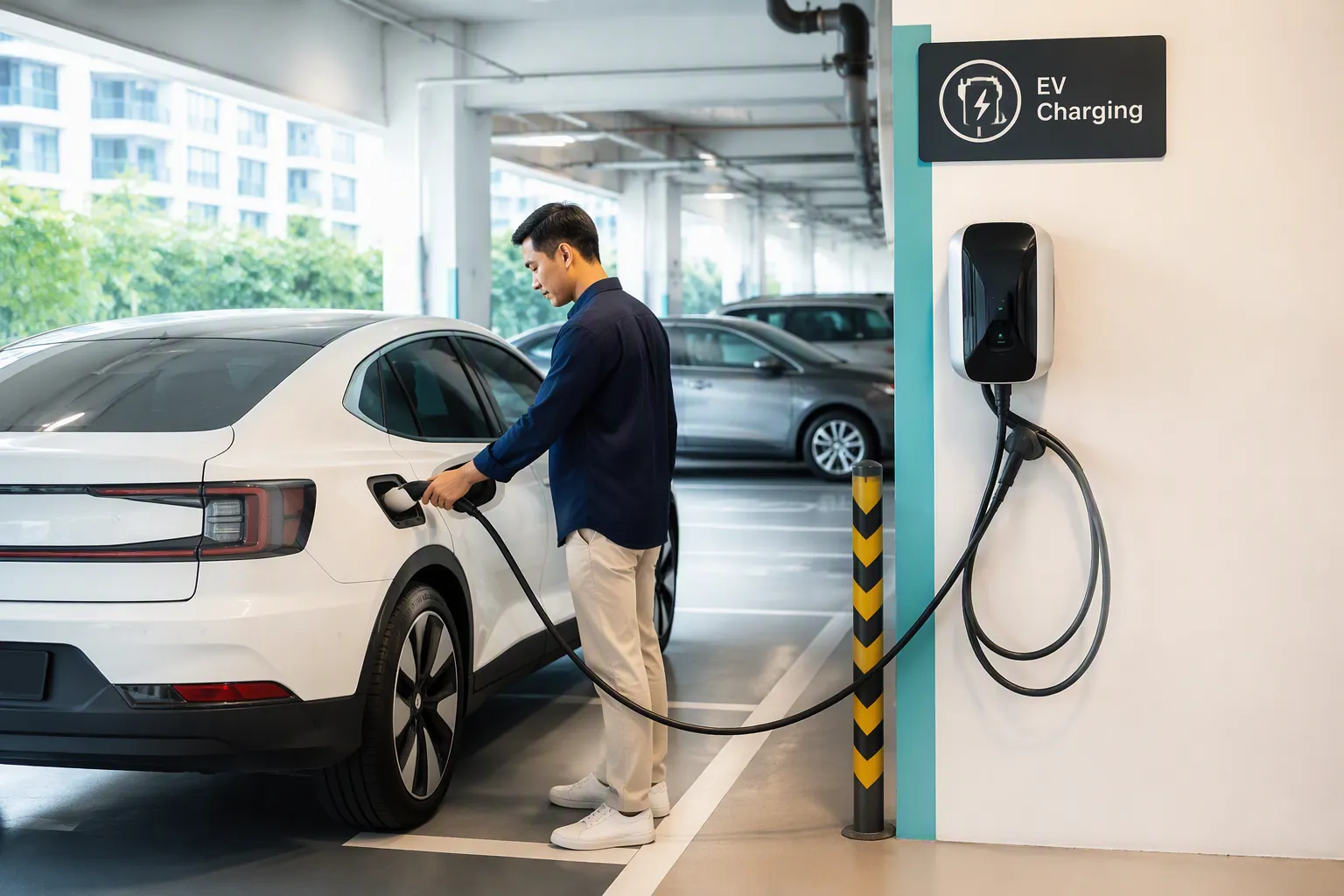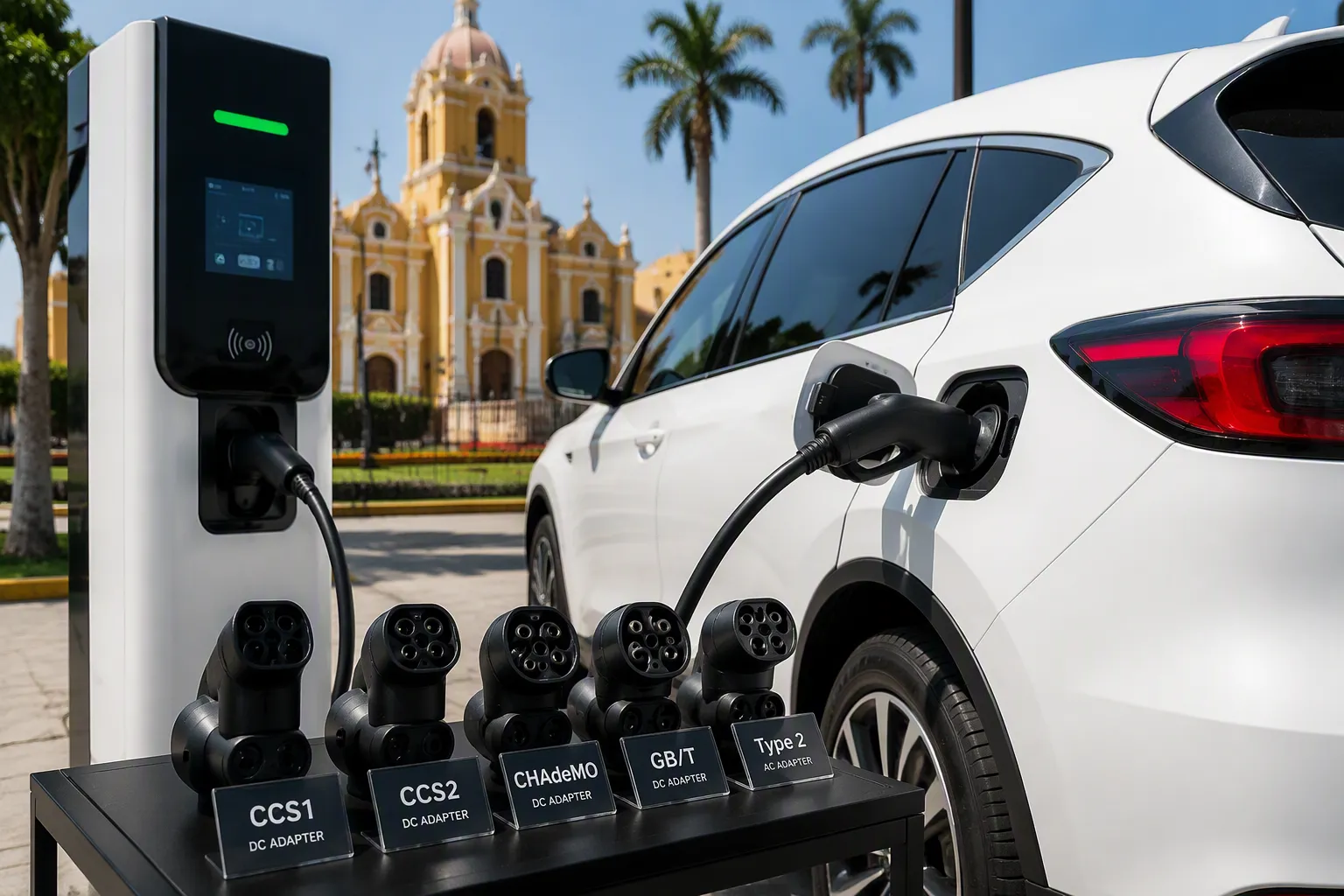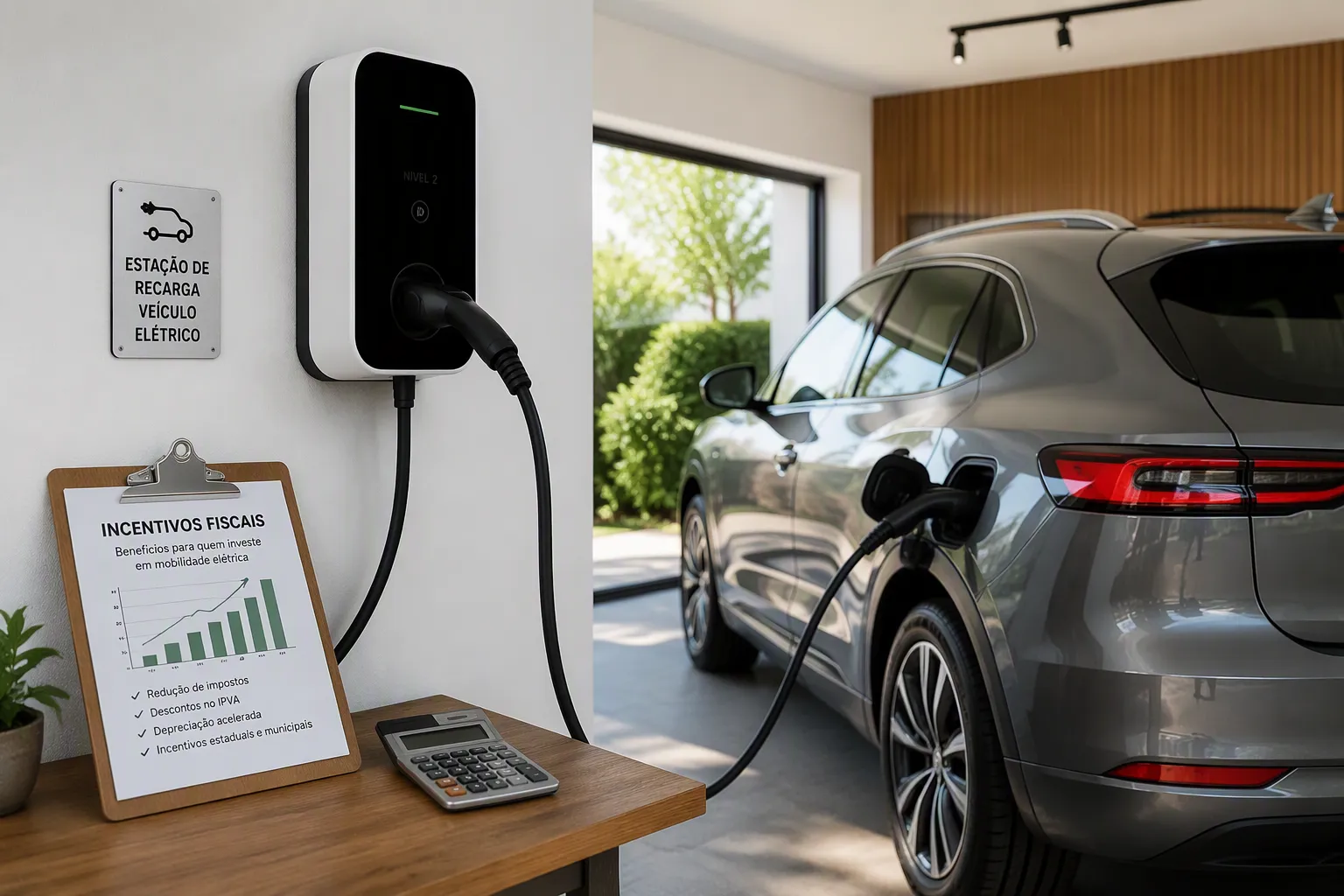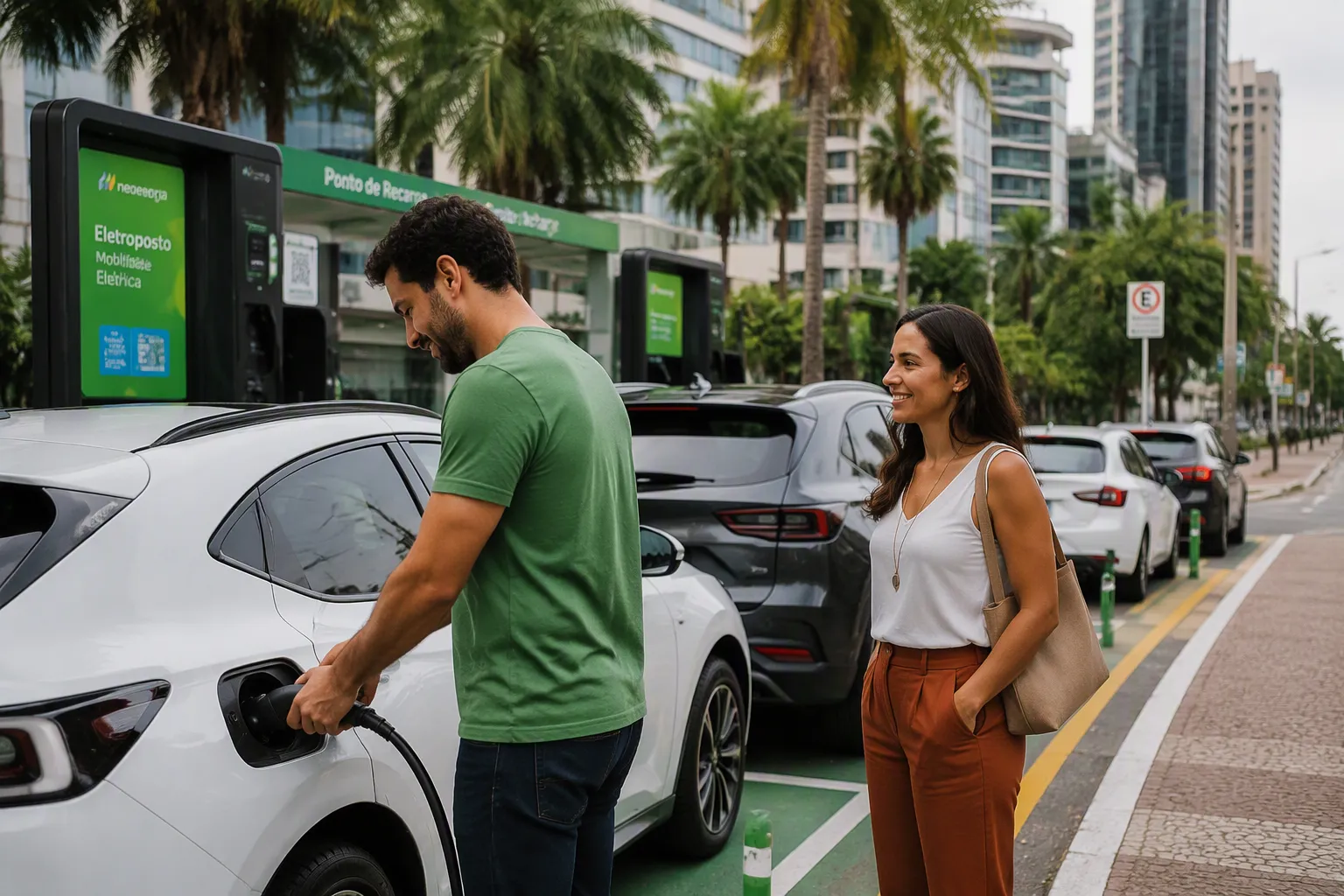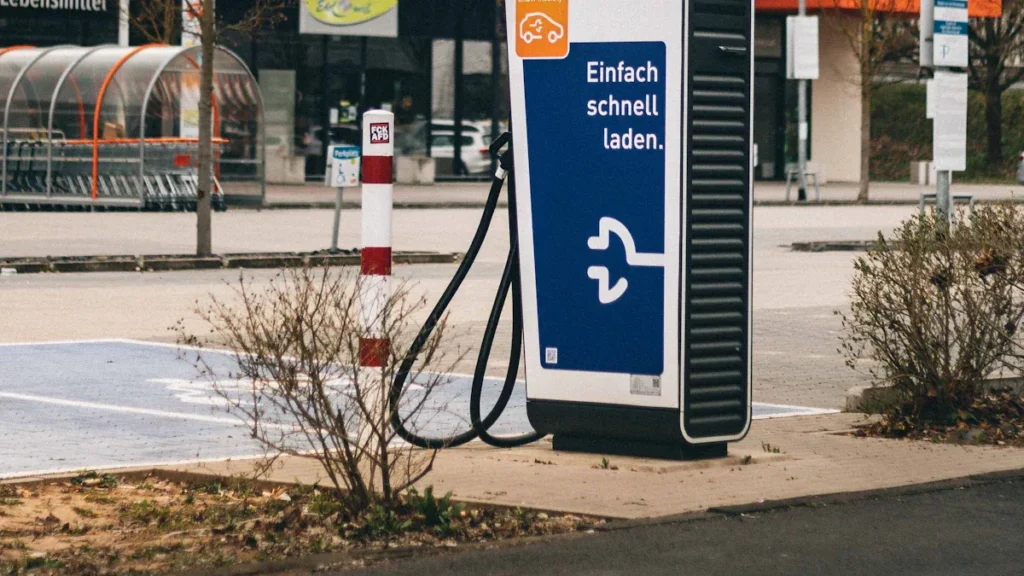

You see rapid changes in the EV charging station landscape across Europe. In 2024, the UK’s EV charging network grew by 38%, adding over 20,000 new public charging points. The EU reached 632,423 charging points by the end of 2023, yet only 13.5% offer fast charging. As an EV Charger user or someone working with EV charger manufacturers, you notice new policies shaping business models and grid stability.
| Impact Area | Evidence |
|---|---|
| Drivers | Incentives and policy mixes improve EV adoption and flexibility. |
| Businesses | Managing EV charging supports grid stability and demands new business models. |
| Policymakers | Custom policies promote BEV uptake and address grid challenges. |
Major EU-Wide EV Charging Station Policy Updates

Alternative Fuels Infrastructure Regulation (AFIR) and EV Charging Infrastructure
New minimum requirements for public charging points
You see the Alternative Fuels Infrastructure Regulation (AFIR) setting new standards for ev charging station deployment across Europe. This regulation shapes how you access public charging points and how operators manage ev charging infrastructure. AFIR requires every publicly accessible charging station to support digital connectivity and smart charging by April 2024. You benefit from transparent pricing and easy payment options, which make driving your ev more convenient. Operators must allow ad hoc card payments at all stations, even those below 50 kW, where QR codes are also acceptable. Occupancy fees discourage long stays, helping you find available charging stations more easily.
| Provision Description | Details |
|---|---|
| Payment Methods | Operators of charging stations below 50 kW are not required to add a card terminal; QR codes are acceptable. All stations must allow ad hoc card payments by April 2024. |
| Pricing Transparency | Prices must be reasonable, easily comparable, transparent, and non-discriminatory. For stations 50 kW and above, pricing is based on kWh. |
| Occupancy Fees | Operators can charge fees per minute to discourage long occupancy, which must be communicated before charging starts. |
| Infrastructure Targets | Member States must meet distance-based targets for charging infrastructure along the TEN-T network, ensuring sufficient public access. |
| Charging Power Requirements | Heavy-duty vehicles must have access to charging points with a minimum output of 350 kW every 60 km on the core TEN-T network. |
| Digital Connectivity | By April 2024, all publicly accessible charging points must be digitally connected and support smart charging. |
You notice that these requirements improve ev charging coverage and make public charging infrastructure more reliable for electric vehicles. The focus on digital connectivity and smart charging supports the growth of the network and helps you plan your journeys with confidence.
Timelines for implementation across member states
AFIR sets strict deadlines for eu countries to meet infrastructure targets. By April 2024, all public charging points must comply with new payment and connectivity standards. Member states must ensure that charging stations along the TEN-T network meet distance-based targets, with heavy-duty vehicle charging points every 60 km. You see these timelines driving rapid expansion and standardization of ev charging infrastructure across Europe. This approach creates a more consistent experience for users in different countries and strengthens the overall network.
Renewable Energy Directive III (Red III) and Public Charging Infrastructure
Mandates for renewable energy in EV charging station operations
You experience new mandates under the Renewable Energy Directive III (Red III) that require operators to deliver renewable electricity to ev charging station users. This directive establishes a market for credits generated from supplying renewable energy to electric vehicles. You see this shift supporting the transition to cleaner energy and reducing emissions from public charging infrastructure.
| Mandate Description | Deadline |
|---|---|
| Establish a market for credits generated from delivering electricity to EVs | May 21, 2025 |
Operators must adapt their business models to comply with these mandates, which encourage investment in renewable energy sources for ev charging infrastructure.
Implications for charging station operators
You notice that charging station operators must track and report the amount of renewable electricity delivered to public charging points. This requirement increases transparency and supports eu policy goals for sustainability. Operators who invest in renewable energy integration gain access to new revenue streams through credit markets. You benefit from cleaner charging options and greater confidence in the environmental impact of driving your ev.
EU Funding and Incentive Programs for EV Charging Infrastructure
Connecting Europe Facility (CEF) grants for public charging points
You see significant funding opportunities for ev charging infrastructure through the Connecting Europe Facility (CEF) and related programs. These grants support the deployment of public charging points and high-capacity stations for heavy-duty vehicles. The EXPAND-E project received €70,580,000 to build high-performance charging infrastructure in 23 eu countries. Plugit Finland secured €3,320,000 for high-capacity charging stations, improving ev charging coverage in Finland.
| Project Name | Funding Amount | Description |
|---|---|---|
| EXPAND-E | €70,580,000 | Largest high-performance charging infrastructure project for EVs in 23 EU member states. |
| Plugit Finland | €3,320,000 | Funding for high-capacity charging stations for electric transport in Finland. |
You benefit from these investments, which expand the network and make public charging infrastructure more accessible.
Support for cross-border public charging infrastructure
You notice that eu policy encourages cross-border cooperation to strengthen ev charging infrastructure across Europe. Funding programs like the CEF Transport Alternative Fuels Infrastructure Facility (AFIF) allocate €422 million to projects that improve public charging points and support megawatt recharging stations for heavy-duty vehicles. You see eligibility requirements that ensure projects have financing approval from an Implementing Partner or a financial institution in the EU.
- Connecting Europe Facility Transport (CEFT) supports clean fuel infrastructure deployment, including public ev charging stations.
- CEF Transport Alternative Fuels Infrastructure Facility (AFIF) funds projects like public ev charging stations and megawatt recharging stations for heavy-duty vehicles.
- Projects must have financing approval from an Implementing Partner or a financial institution in the EU.
- Total EU funding for AFIF: €422 million allocated across Europe.
- Plugit Finland funding: €3.32 million for 17 high-capacity CCS stations.
You benefit from these initiatives, which make driving your ev easier across borders and improve the reliability of public charging infrastructure in different countries.
Standardization and Interoperability in EV Charging Station Networks
Common payment systems for public charging points
You encounter a wide range of payment systems when using public charging points across Europe. The push for standardization in the ev charging station network aims to simplify your experience and increase accessibility. The European Union requires operators to support ad hoc payments, including card terminals and QR codes, at all public charging points. This policy ensures you can pay for charging without needing a subscription or a specific app.
Operators must align with standardized protocols to enable seamless transactions. The Universal Plug & Charge solution, powered by EVPKI, allows your vehicle to automatically authenticate and pay for charging. You do not need to manage multiple payment methods or accounts. This feature streamlines the process and reduces barriers for drivers in different countries.
The European Commission projects that aligning vehicles with the CCS2 standard will increase charging accessibility by over 20% in the next five years. You benefit from this compatibility, which supports fast charging and improves ev charging coverage throughout the region.
| Protocol/Standard | Description |
|---|---|
| OCHP | An open-source protocol for communication between charging management systems and clearing houses, enabling e-Roaming. |
| OICP | A communication standard for information exchange between e-mobility service providers and charge point operators. |
| eMIP | Provides charge authorization and access to a comprehensive charging point database for roaming services. |
| OpenADR | Facilitates automated demand response communications between utilities and energy management systems. |
| OSCP | Communicates real-time predictions of local electricity grid capacity to charge point operators. |
| CCS2 | Mandated compatibility for all new EVs to ensure access to public charging infrastructure across Europe. |
You see these protocols working together to create a unified payment experience. You can drive your ev across borders and access public charging infrastructure without worrying about incompatible systems or payment issues.
Data sharing and transparency requirements
You rely on accurate information when planning your charging stops. The EU policy on data sharing and transparency requires operators to provide real-time data about public charging points. This includes location, availability, pricing, and charging speed. Standardized protocols for real-time APIs allow third-party developers to aggregate charging station data, making it easier for you to find available infrastructure.
Operators must use managed charging features, such as those enabled by ISO 15118, to optimize charging based on grid constraints and user preferences. You benefit from improved operational efficiency and better integration with local infrastructure. These regulations support the growth of the ev charging infrastructure network and ensure you receive reliable service.
Tip: You can use apps and navigation systems that aggregate real-time data from multiple operators. This helps you locate public charging points, compare prices, and choose the best option for driving your ev.
You see that transparency requirements also protect you from unfair pricing and hidden fees. Operators must disclose all costs before you begin charging. This approach builds trust and encourages more drivers to adopt electric vehicles across eu countries.
Standardization and interoperability remain essential for expanding ev charging infrastructure in Europe. You experience greater convenience, improved ev charging coverage, and a more reliable network as these policies take effect.
National EV Charging Station Policy Changes in Key European Countries
United Kingdom EV Charging Infrastructure Policies
Mandates for new buildings and public charging points
You see the United Kingdom leading with strong mandates for EV charging infrastructure in new developments. The government requires new residential and commercial buildings to include charging points, making it easier for you to charge your EV at home or work. If you rent or own a flat, you can access grants of up to £350 to install a home charger. Over the past year, 18,000 workplace chargers have been installed with government support, expanding charging options for employees across the country.
| Funding Amount | Purpose | Additional Notes |
|---|---|---|
| £63m | Charging infrastructure across the country | Includes £25m for councils to enable installation of new charging points and infrastructure improvements |
| £30m | Vehicle depots | Specifically for depots like those used by the NHS |
| £400m | Over the next five years | Part of a £1.4bn fund to support EV uptake |
The government has removed the need for planning permission for essential electrical infrastructure. This change speeds up the rollout of rapid charging hubs and improves access to public charging points. You benefit from a more streamlined process and faster expansion of the charging network.
Rapid charging network expansion targets
You notice rapid growth in the UK’s fast charging network. The number of Rapid and Ultra-rapid chargers increased from 5,087 at the end of 2021 to 10,118 at the end of 2023. Projections show this number reaching 14,471 by December 2024. By August 2025, the total number of Rapid or Ultra-rapid charge points will rise to 17,132, a 30% increase since the previous year. In 2025 alone, 2,661 Rapid or Ultra-rapid charge points will be added. The South East leads with 2,432 Rapid or Ultra-rapid charging points, followed by Scotland and the North West. As of July 2025, you can find 656 Rapid charging hubs across the UK, a 22% increase since the end of 2024. This expansion improves EV charging coverage and ensures you have access to fast charging wherever you travel.
Norway Public Charging Infrastructure Incentives
Incentives for fast EV charging station deployment
You experience Norway’s commitment to public charging infrastructure through a range of incentives. The government provides subsidies for charging infrastructure, tax exemptions, free use of toll roads, and access to public parking spaces. You can also drive your EV in bus lanes and receive discounted ferry tickets. These incentives make driving your EV more convenient and affordable.
| Incentive Type | Description |
|---|---|
| Subsidies for Charging Infrastructure | Financial support for the installation of EV charging stations. |
| Tax Exemptions | Exemptions from registration tax and VAT for electric vehicles. |
| Free Use of Toll Roads | Electric vehicles can use toll roads without charge. |
| Access to Public Parking Spaces | Designated parking spaces for electric vehicles at no cost. |
| Use of Bus Lanes | Electric vehicles are allowed to drive in bus lanes, reducing travel time. |
| Discounted Ferry Tickets | Reduced fares for electric vehicle owners on ferries. |
Norway’s entrepreneurial tradition supports eMobility growth through public and private initiatives. The state encourages private investment in charging infrastructure, which accelerates the deployment of fast charging stations.
Policies driving near-total EV adoption
You see Norway’s policies making electric vehicles the clear choice for consumers. EVs are exempt from the 25% VAT, and you avoid the CO2- and weight-based registration tax that adds up to 45% to the price of internal combustion engine vehicles. The government plans to ban new ICE vehicles by 2025, pushing even more drivers to choose EVs.
Christina Bu, general secretary of the Norwegian Electric Vehicle Association, stated: “Norway shows the whole world that the electric car can replace cars powered by gasoline and diesel and be an important contribution in the fight to reduce CO2 emissions.”
These measures, combined with a carbon tax and generous incentives, have driven near-total EV adoption and set a benchmark for other countries in Europe.
Germany EV Charging Station Master Plan
National Charging Infrastructure Master Plan for public charging points
You find Germany’s National Charging Infrastructure Master Plan sets ambitious goals for reducing greenhouse gas emissions in transport by 48% by 2030. The plan prioritizes a user-friendly charging system and supports all electric road users. The government uses competitive tenders and grants to encourage private investment and promote renewable energy for charging. Collaboration among ministries, the petroleum industry, and Autobahn GmbH ensures effective infrastructure expansion.
| Main Element | Description |
|---|---|
| Goals and Priorities | Reduce greenhouse gas emissions by 48% by 2030, create a user-friendly charging system, support all electric road users. |
| Financial Support Measures | Competitive tenders and grants to encourage private investment and promote renewable energy for charging. |
| Role of Key Players | Collaboration among government ministries, the petroleum industry, and Autobahn GmbH for effective infrastructure expansion. |
| Monitoring and Addressing Deficits | Monitoring concept to identify infrastructure deficits, with key performance indicators for capacity and utilization. |
| Data Transparency and Reporting | High-quality data collection and accessibility to support local infrastructure development. |
| Support for Municipalities and Local Initiatives | Templates for local master plans to guide the development of charging infrastructure at the municipal level. |
| Integration of Charging Infrastructure and Power | Better coordination between charging infrastructure and the power grid, including controlled and bidirectional charging. |
| Consideration of Commercial Vehicles’ Needs | Analysis of charging needs for trucks, initial truck charging network planning, and development of user pathways for electric trucks. |
| Digital Tools and Knowledge Sharing | Digital tools for municipalities to streamline procedures and enhance knowledge about charging infrastructure. |
Subsidies and regulatory changes for operators
You benefit from Germany’s EUR 300 million subsidy program, which enhances charging infrastructure and supports public charging points. Operators must allow charging without prior authentication and report station locations to authorities. The government’s coalition agreement aims for 100,000 charging stations, including many DC fast chargers. Research shows a strong link between public charging availability and EV demand, highlighting the importance of robust infrastructure. The Immediate Action fund backs research and development to strengthen Germany’s position in e-mobility and improve public charging infrastructure across Europe.
France Public Charging Infrastructure Partnerships
Public-private partnerships for rural EV charging station expansion
You see France taking a proactive approach to expanding EV charging infrastructure in rural areas. Public-private partnerships play a central role in this strategy. Organizations like Charge France, a coalition of 13 leading charging operators, plan to invest €3 billion by 2028. This investment aims to enhance the ultra-fast charging network and influence government policies that support infrastructure growth. You benefit from these partnerships because they accelerate the deployment of public charging points and improve EV charging coverage, especially outside major cities.
- Charge France focuses on creating a clear regulatory framework. This framework encourages long-term investment and ensures that infrastructure projects remain sustainable.
- You notice technological advancements such as solar-powered charging stations and mobile charging units. These innovations help reach remote communities where traditional infrastructure may not be feasible.
- Smart charging systems that use AI and big data analytics optimize energy distribution. These systems also enhance your user experience by reducing wait times and balancing grid demand.
Note: Public-private partnerships are essential for market penetration and infrastructure development in rural France. They help bridge the gap between urban and rural EV charging coverage, making driving your EV more practical across the country.
Requirements for multi-unit dwellings and public charging points
If you live in a multi-unit dwelling in France, you have the right to request the installation of an EV charging station. The process is straightforward, but you must follow specific requirements. The table below outlines the main points:
| Requirement | Description |
|---|---|
| Right to an Outlet | You can install EV charging infrastructure in multi-unit dwellings. |
| Payment Responsibility | You cover the costs if the socket is for personal use. |
| Power Rating | Charging points must have a power rating of 22 kW or less. |
| Request Process | You must send an official request to the syndic with detailed plans. |
| Response Time | The syndic has three months to respond to your request. |
These requirements ensure that residents can access charging infrastructure while maintaining building safety and efficiency. You gain more flexibility and convenience when driving your EV, even if you live in a shared building.
Netherlands and Spain EV Charging Station Policy Highlights
Aggressive rollout of public charging infrastructure in urban areas
You witness the Netherlands and Spain leading Europe in the aggressive rollout of public charging infrastructure, especially in urban centers. The Netherlands aims for all new vehicle sales to be zero-emission by 2030. The National Charging Infrastructure Agenda targets tripling the number of charging points by 2025 and achieving an eightfold increase by 2030. The EU’s AFIR regulation requires 1.3 kW of public charging capacity per battery electric vehicle and 0.8 kW per plug-in hybrid, with fast charging stations every 60 km by 2025.
| Key Findings | Description |
|---|---|
| Integrated Rollout Strategy | You see significant cost savings and reduced grid congestion with coordinated infrastructure. |
| Current Strategy | Highly reactive approaches can strain the electricity grid. |
| Decision Support Algorithm | Algorithms help place charging stations optimally to avoid grid issues. |
Spain also benefits from substantial EU funding to improve EV charging station availability. The MOVES III program provides subsidies for EV infrastructure installation, which incentivizes investments. Recent funding allocations include €72 million for new public charging points, showing a strong commitment to expanding public charging infrastructure.
Unique local incentives and regulations for EV charging station adoption
You find that both countries offer unique local incentives and regulations to encourage EV adoption. In the Netherlands, municipalities often provide free or low-cost permits for installing charging stations. Decision support algorithms help cities place charging points where they are most needed, reducing grid congestion and improving access. Spain’s MOVES III program not only funds infrastructure but also supports the installation of charging points in workplaces and residential areas.
These strategies ensure that you have reliable access to charging, whether you live in a city or a rural area. The focus on integrated planning and targeted incentives helps both countries maintain leadership in EV charging infrastructure across Europe. You experience fewer barriers and more opportunities for driving your EV, thanks to these forward-thinking policies.
Impact on Public Charging Infrastructure and Accessibility
Growth in Public Charging Point Numbers
Urban vs. rural EV charging station deployment
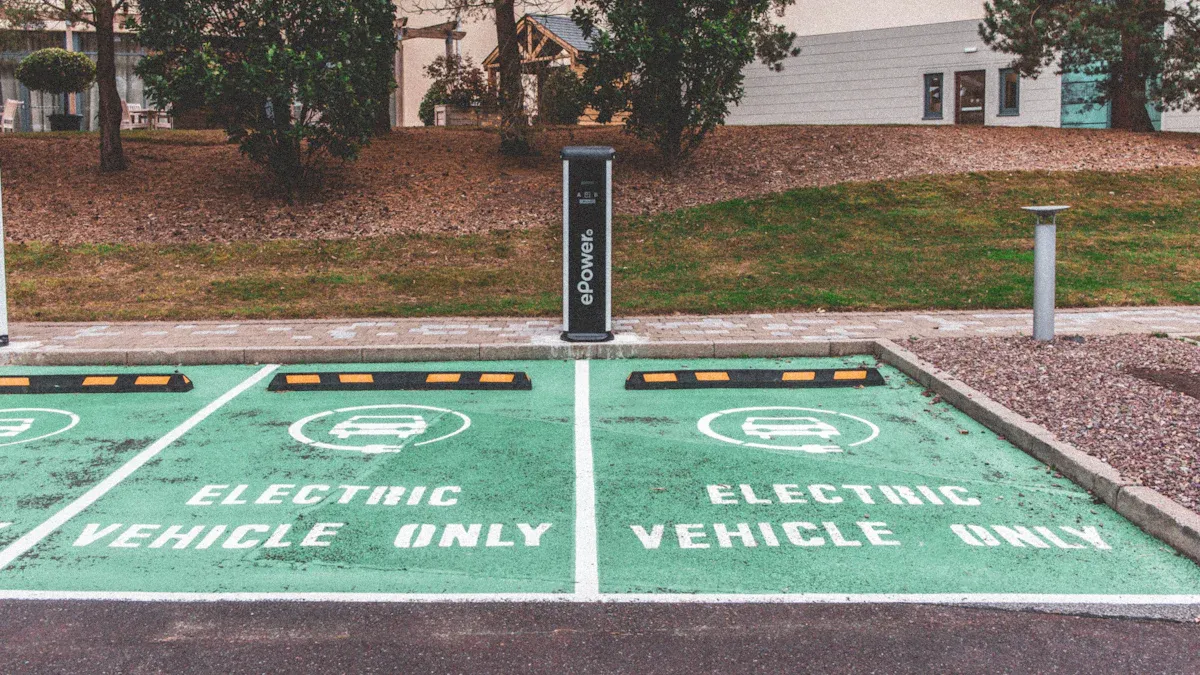
You see rapid expansion in Europe’s EV charging network, with an average year-over-year growth rate of 55.4% from 2021 to 2024. Most of this growth happens in cities. Urban areas now account for 78% of all charging points, making it easier for you to find a spot when driving your EV in metropolitan centers. Rural regions and intercity routes remain underserved, which can make long-distance travel more challenging. The AFIR’s 2025 mandate will help address this by requiring fast chargers every 60 km along the TEN-T network. Despite recent expansions, you still notice stark inequalities in access to charging infrastructure across and within countries.
Fast vs. slow charging trends in public charging infrastructure
You benefit from a mix of fast and slow charging options. Urban centers focus on slow and semi-fast chargers, which suit daily commutes and overnight parking. Fast charging stations are critical for highways and intercity travel. The push for fast charging along major routes aims to close the gap between urban and rural infrastructure, making public charging infrastructure more reliable for everyone.
Accessibility and User Experience at EV Charging Stations
Universal payment solutions for public charging points
You expect seamless payment experiences at public charging points. New regulations require operators to accept electronic payments, such as bank cards or QR codes, without the need for a contract. This universal approach removes barriers and makes charging your EV more convenient. Smart charging and load management systems help control costs and improve reliability, enhancing your overall experience.
Accessibility for disabled users at EV charging infrastructure
You see a growing focus on accessibility for all users. The AFIR mandates that public charging stations must be accessible to older persons, those with reduced mobility, and persons with disabilities. The UK’s PAS 1899:2022 standard and the ENABLE project guide local authorities in designing accessible on-street charging. The European Accessibility Act influences national guidelines, such as wider bays for disabled users in France. However, you may notice that implementation varies by country. The European Commission’s e-mobility expert group continues to coordinate improvements, aiming for consistent accessibility across Europe.
Affordability and Pricing Transparency for Public Charging Infrastructure
Regulation of pricing models for EV charging stations
You benefit from regulations that ensure fair pricing and transparency. The Alternative Fuels Infrastructure Regulation (AFIR) requires operators to display prices clearly, similar to petrol stations. Operators must offer reasonable, non-discriminatory prices and provide full information on availability, waiting times, and costs. Payment options must include bank cards or QR codes, making the process straightforward.
| Regulation Aspect | Details |
|---|---|
| Pricing Transparency | Clear display of prices, similar to petrol stations |
| Payment Facilities | Bank card or QR code payment required |
| Information Accessibility | Full details on availability, waiting times, and prices |
| Quality of Service | Quick access and adequate opening hours |
Consumer protection measures for public charging points
You rely on consumer protection measures to ensure accurate billing and service quality. Calibration laws guarantee that you pay only for the energy you use, building trust in the system. Standardization and transparency help expand infrastructure and make charging your EV a seamless experience.
| Aspect | Description |
|---|---|
| Calibration Laws | Ensure accurate billing at public EV charging stations, enhancing consumer trust. |
| Consumer Trust | Establishes confidence in the accuracy of energy consumption and pricing at charging stations. |
| Transparency and Reliability | Compliant stations provide assurance that consumers are charged correctly based on actual usage. |
| Standardization | Helps to expand and enhance EV charging infrastructure by making the process seamless for consumers. |
Tip: Use apps that aggregate real-time data from multiple operators. This helps you find available charging points, compare prices, and choose the best option for driving your EV.
Private Sector Involvement and New Business Models in EV Charging Infrastructure
Role of Utilities and Energy Companies in Public Charging Infrastructure
Investment in EV charging station networks
You see utilities and energy companies driving investment in charging station networks across Europe. These organizations collaborate with local governments, businesses, and charging network operators to expand public infrastructure. Utilities install charging stations in accessible locations, such as parking lots and shopping centers, making it easier for you to charge your vehicle while running errands. By sharing essential data, utilities help optimize the placement of charging stations and manage grid load efficiently. Joint advocacy efforts with EV charging providers lead to favorable policies and incentives, which encourage more people to consider driving your EV. Utilities also modernize the electrical grid to support the rising demand for electricity, ensuring reliable performance for every charging session.
Integration with renewable energy sources at public charging points
You benefit from utilities integrating renewable energy sources at public charging points. Many companies now supply solar or wind-generated electricity to charging infrastructure, reducing carbon emissions and supporting sustainability goals. This approach not only improves the environmental impact of charging but also aligns with broader European targets for clean energy. Utilities continue to invest in grid upgrades, which allow for greater use of renewables and enhance the reliability of the charging network.
Charging Network Operators and Startups in EV Charging Infrastructure
Roaming agreements and partnerships for public charging points
You notice charging network operators and startups forming roaming agreements and partnerships to improve access to public charging points. These collaborations allow you to use multiple charging stations across different providers without needing separate accounts. Operators share data and integrate digital wallets, making transactions seamless and secure. You can pre-load funds or set up automatic payments, which simplifies your charging experience and reduces hassle during travel.
Subscription and pay-as-you-go models for EV charging stations
You have more choices than ever when it comes to paying for charging. Charging network operators introduce subscription-based models that offer priority access and discounted rates. If you prefer flexibility, pay-as-you-go options remain available at most public charging stations. Personalized user insights help operators analyze charging behaviors and provide tailored recommendations, which improve customer engagement and loyalty. Some businesses offer charging as an amenity for customers or employees, relying on third-party operators for maintenance and support.
Retail and Hospitality Sector Initiatives for Public Charging Infrastructure
EV charging station deployment at supermarkets and hotels
You see supermarkets and hotels adding charging stations to attract new customers and guests. Retailers recognize that Gen Z consumers prefer shopping at locations with charging infrastructure. Studies show that EV drivers often spend money while their vehicles charge, boosting revenue for businesses. The hospitality sector responds to growing demand for environmentally responsible accommodations. Many hotels now offer charging stations, appealing to travelers who prioritize sustainability.
Incentives for private sector participation in public charging infrastructure
You benefit from incentives that encourage private sector participation in public charging infrastructure. Convenience stores and hotels gain a competitive advantage by offering charging services. Approximately 160 million people visit convenience stores daily in the U.S., and most Americans live within a short drive of these locations. In the hospitality industry, 70% of global travelers prefer green-certified properties, and over half are willing to pay more for sustainable options. By deploying charging stations, businesses attract more guests, boost revenue, and improve the visitor experience.
Tip: When planning your next trip or shopping excursion, look for businesses that offer charging services. You can support sustainability and enjoy added convenience while driving your EV.
Grid Integration and Scalability Solutions for EV Charging Infrastructure
Smart Charging and Load Management at EV Charging Stations
Time-of-use pricing for public charging points
You encounter time-of-use pricing as a key strategy for managing grid demand at charging stations. Operators set different rates based on peak and off-peak hours. This approach encourages you to charge your vehicle when grid demand is low. You save money and help balance electricity supply. Utilities use smart meters to track usage and adjust prices in real time. You see clear pricing information before you start charging, which helps you plan your sessions efficiently.
Tip: Charging during off-peak hours often costs less and reduces strain on local infrastructure.
Vehicle-to-grid (V2G) technology integration
You benefit from vehicle-to-grid (V2G) technology, which allows your EV to send electricity back to the grid. When you connect your car to a compatible charging station, you support grid stability and earn credits for supplying energy. V2G integration helps utilities manage fluctuations in demand and supports renewable energy adoption. You play an active role in strengthening the infrastructure while driving your ev.
Upgrading Grid Infrastructure for Public Charging Points
Investments in local grids supporting EV charging stations
You notice significant investments in local grids to support the growing number of charging stations. Utilities upgrade transformers, cables, and substations to handle increased electricity loads. These improvements ensure reliable service and prevent outages. You experience fewer interruptions and faster charging times as infrastructure expands.
| Investment Area | Impact on Charging Infrastructure |
|---|---|
| Transformers | Increased capacity for multiple stations |
| Substations | Enhanced reliability and grid stability |
| Smart Meters | Real-time monitoring and load management |
Collaboration between grid operators and public charging infrastructure providers
You see grid operators working closely with charging infrastructure providers. This collaboration streamlines the installation process and optimizes station placement. Operators share data on grid capacity and usage patterns. Providers use this information to select locations that minimize congestion and maximize accessibility. You benefit from a more robust infrastructure that supports your charging needs.
Addressing Regional Disparities in Public Charging Infrastructure
Solutions for underserved areas and remote regions
You face challenges when driving your ev in remote or underserved regions. Policymakers and utilities deploy mobile charging units and solar-powered stations to bridge gaps in infrastructure. These solutions offer flexible options where permanent installations are not feasible. You gain access to charging even in areas with limited grid connectivity.
- Mobile charging units serve temporary events and isolated communities.
- Solar-powered stations operate independently from the main grid.
EU and national support for public charging points in remote regions
You benefit from EU and national programs that fund charging infrastructure in remote regions. Grants and subsidies target areas with low coverage. Governments set minimum infrastructure requirements to ensure equitable access. You see new stations appearing along rural highways and in small towns. These efforts make charging more accessible and support the transition to electric mobility across Europe.
What to Expect Next: Trends and Upcoming Changes in EV Charging Station Policies
Future Policy Proposals for EV Charging Infrastructure
Stricter emissions targets impacting public charging points
You will see stricter emissions targets shaping the future of EV charging station policies across Europe. Policymakers plan to set higher standards for carbon reduction, which will directly affect charging infrastructure. The Alternative Fuels Infrastructure Regulation (AFIR) requires fast charger availability along highways, with a total output of at least 400 kW by the end of 2025. This mandate pushes operators to upgrade existing stations and install new ones that meet these requirements. You can expect more reliable charging options when driving your ev, especially on major routes.
Expansion of zero-emission zones and EV charging station requirements
Cities continue to expand zero-emission zones, which restrict access for vehicles that do not meet environmental standards. You will notice more charging stations in these areas, as local governments require new installations to support clean mobility. The Energy Performance of Buildings Directive (EPBD) now requires new or renovated commercial properties to have pre-installed cabling for EV charging. Offices, retail centers, and apartments must adapt to these changes, making charging infrastructure more accessible for everyone.
Note: Zero-emission zones encourage you to choose electric vehicles and rely on public charging stations for daily travel.
| Policy | Description |
|---|---|
| AFIR (Alternative Fuels Infrastructure Regulation) | Establishes requirements for fast charger availability along highways, mandating a total output of at least 400 kW by the end of 2025. |
| EPBD (Energy Performance of Buildings Directive) | Requires new or renovated commercial properties to have pre-installed cabling for EV charging, affecting offices, retail centers, and apartments. |
Technological Innovations in Public Charging Infrastructure
Ultra-fast EV charging station developments
You will benefit from the rollout of ultra-fast charging stations. These new stations deliver higher power levels, reducing the time needed to recharge your vehicle. Operators invest in advanced technology to support rapid charging, which improves convenience and supports long-distance travel. You will find more ultra-fast chargers along highways and in urban centers, making infrastructure more robust and efficient.
Wireless and automated charging pilots for public charging points
Wireless and automated charging pilots are emerging across Europe. You may soon experience charging without cables, as new systems use induction technology to transfer energy directly to your vehicle. Automated solutions allow you to park and start charging with minimal effort. These innovations make infrastructure more user-friendly and support the growth of public charging networks.
Evolving Consumer and Business Incentives for EV Charging Infrastructure
New subsidies and tax breaks for EV charging station installation
Governments introduce new subsidies and tax breaks to encourage the installation of charging stations. You can take advantage of financial incentives when adding charging infrastructure at home or work. Businesses receive support for expanding charging options, which helps meet growing demand and supports sustainability goals.
Support for fleet electrification and public charging infrastructure
Fleet operators receive targeted incentives to electrify their vehicles and invest in charging infrastructure. You will see more electric buses, delivery vans, and taxis using public charging stations. These measures help reduce emissions and improve air quality in cities. The expansion of fleet electrification strengthens the overall charging network and makes driving your ev more practical.
Tip: Stay informed about new incentives and policy changes. You can maximize benefits and support the transition to clean mobility.
You now see Europe’s EV charging station policies driving rapid infrastructure growth and improved accessibility. These updates help you find reliable charging, support cleaner energy, and encourage new business models.
- Review local incentives and funding options before installing a charger.
- Stay informed about new regulations and technology trends.
- Advocate for accessible and transparent charging solutions in your community.
Tip: Watch for future policy changes that will further expand charging networks and support zero-emission mobility.
FAQ
What is the Alternative Fuels Infrastructure Regulation (AFIR)?
AFIR sets minimum standards for public EV charging stations across Europe. You see requirements for payment options, digital connectivity, and charging coverage. These rules ensure you have reliable, accessible charging wherever you travel.
How do new EU policies affect payment at public charging stations?
You can pay at any public charging station using a bank card or QR code. You do not need a subscription or special app. This change makes charging your EV easier and more transparent.
Are there incentives for installing EV charging stations at home or work?
Yes. You can access grants, tax breaks, and subsidies in many European countries. These incentives lower installation costs and encourage you to add charging points at your home or business.
How do policies address charging station accessibility for disabled users?
You benefit from new standards that require accessible charging stations. Features include wider bays, clear signage, and barrier-free access. These improvements help you use public charging infrastructure regardless of mobility needs.
What is the difference between fast and slow charging stations?
Fast chargers deliver higher power and reduce charging time. You use them for quick stops on highways or during long trips. Slow chargers suit overnight charging at home or work, offering lower power but greater convenience.
How do I find real-time information about charging station availability?
You use apps and navigation systems that aggregate real-time data from multiple operators. These tools show you available charging points, prices, and charging speeds, helping you plan your route efficiently.