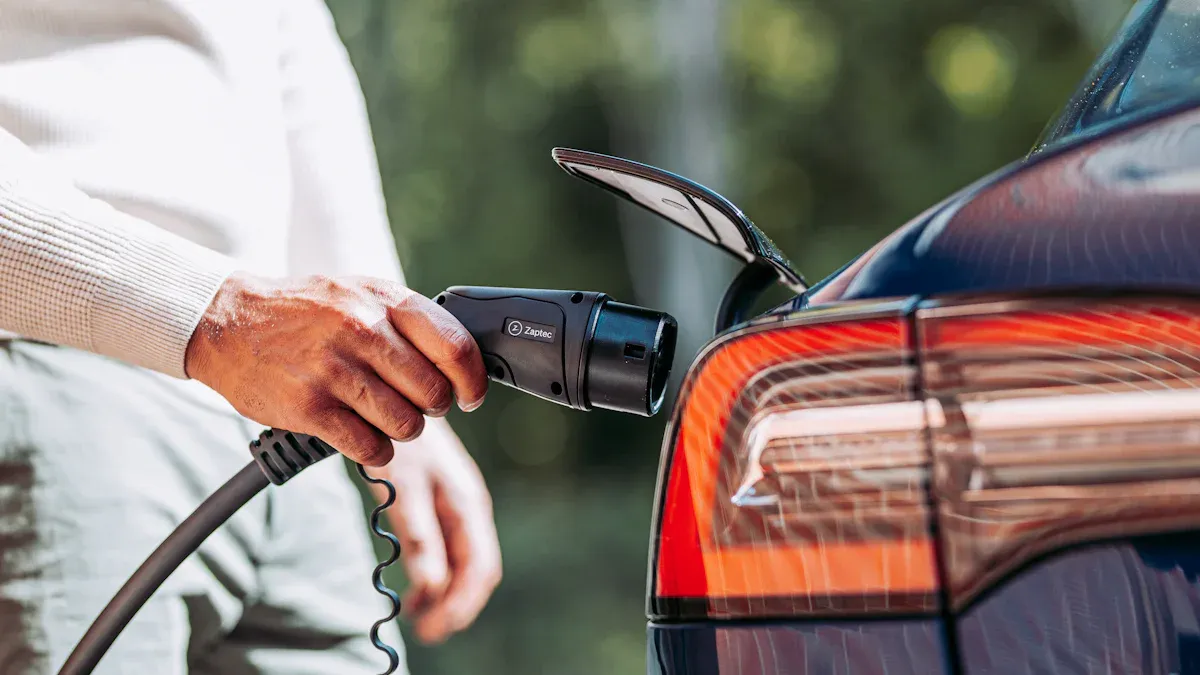
A 3 pin portable EV charger provides electric vehicle owners with a practical way to charge their cars through a standard UK 3-pin domestic socket. Many drivers rely on this device when they lack access to dedicated charging points. EV charger manufacturers design these units for portability, making them ideal for emergency situations or charging while traveling. Users often choose this EV Charger to maintain flexibility and peace of mind during daily commutes or longer road trips.
How a 3 Pin Portable EV Charger Works
Key Components of a 3 Pin Portable EV Charger
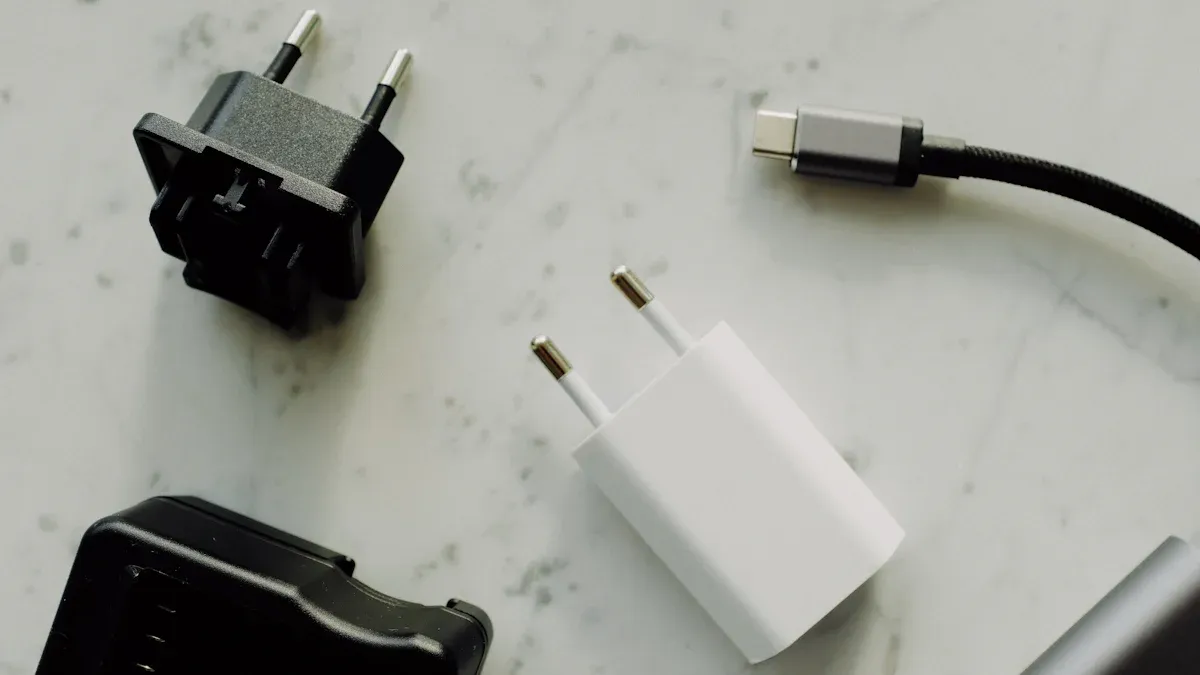
A 3 pin portable EV charger contains several essential parts that ensure safe and efficient charging for electric vehicles. Each component plays a specific role in the charging process.
Charger Unit Features
The charger unit houses the main electronics and safety systems. Manufacturers design these units with built-in protection devices, such as a Type B Residual Current Device (RCD), which helps prevent electrical faults. The unit typically supports a charging capacity of 10 Amps, delivering up to 2.3kW of power. Many models also feature an IP65 waterproof rating, making them suitable for outdoor use in various weather conditions.
| Component | Description |
|---|---|
| UK 3 Pin Plug | Incorporates an EV rated UK 3 pin plug with a temperature sensor. |
| RCD Protection Device | Built-in Type B RCD protection device for safety. |
| Charging Capacity | Charges at 10 Amps providing up to 2.3kW of power. |
| Waterproof Rating | IP65 rated, suitable for outdoor use. |
Standard 3-Pin Plug Design
The standard UK 3-pin plug connects the charger to a domestic socket. This plug often includes a temperature sensor, which monitors heat levels and helps prevent overheating at the power source. The plug’s design ensures compatibility with most household outlets, allowing users to charge their vehicles almost anywhere with access to electricity.
Charging Cable and Vehicle Connector
The charging cable links the charger unit to the electric vehicle. At the vehicle end, the connector type varies depending on the car model. Most chargers support Type 2 connectors, which are common in European vehicles, but adapters are available for other types. The cable length can range from 5 to 30 meters, providing flexibility in parking and charging locations.
Step-by-Step Charging Process
Charging an electric vehicle with a 3 pin portable EV charger involves several straightforward steps. Each step includes important safety checks to ensure reliable operation.
Plugging into a Domestic Outlet
- Inspect the electrical system to confirm it is free of risks and suitable for charging.
- Check the socket condition to ensure it can handle the charging load.
- Choose a safe location for charging, ideally an enclosed area with ventilation.
- Plug the charger’s 3-pin plug into the domestic outlet.
Connecting to the Electric Vehicle
- Insert the charging cable’s connector into the vehicle’s charging port.
- Use the charger’s app or interface to start the charging session, if available.
- The charger may require user authorization before beginning the charge.
Monitoring Charging Progress
- Observe the charger’s indicators or app to monitor charging status.
- The vehicle will begin to draw energy once the charger signals readiness.
- Many chargers display real-time charging data, such as current, voltage, and temperature.
Tip: Always use chargers with built-in protection features or adapters that simulate grounding for added safety.
Safely Disconnecting After Charging
- When charging completes, stop the session using the app or charger controls.
- Unplug the connector from the vehicle.
- Remove the charger’s plug from the domestic outlet.
- Store the charger and cable properly to prevent damage.
Compatibility with Electric Vehicles
A 3 pin portable EV charger supports a wide range of electric vehicles. Compatibility depends on the connector type and available adapters.
Supported EV Models and Brands
| Model Description | Compatibility | Charging Options |
|---|---|---|
| Home EV Charging Cable – Three Pin Plug to Type 2 | Type 2 electric vehicles | Selectable charge rates 6/10/13A |
| 10A to UK 3 Pin | Type 2 electric vehicles | 2.2kW output |
| Ford Puma Portable Charger | Ford Puma | 5 to 30 meters length |
Many popular brands, such as Audi, BMW, Renault, Mercedes, Volkswagen, and Volvo, use Type 2 connectors. Some Asian manufacturers, including Nissan and Mitsubishi, use Type 1 connectors. Adapters allow users to connect the charger to different vehicle types.
Adapter and Connector Options
| Connector Type | Description | Compatible Brands |
|---|---|---|
| Type 1 | Used by many Asian manufacturers | Nissan Leaf, Mitsubishi Outlander |
| Type 2 | Common in European models | Audi, BMW, Renault, Mercedes, VW, Volvo |
| CHAdeMO | Fast charging standard for Japanese EVs | Nissan Leaf (DC charging) |
| CCS | Combined Charging Standard for rapid charging | BMW, Audi, VW |
| Tesla | Proprietary supercharger connectors | Tesla vehicles |
| 3-pin | Standard UK plug for slow charging | Various EVs with appropriate adapters |
Note: Always verify the connector type and adapter compatibility before charging a new vehicle.
Safety and Practicality of 3 Pin Portable EV Charger
Built-in Safety Features
Manufacturers equip modern 3 pin portable EV chargers with advanced safety features to protect users and vehicles. These features help prevent electrical accidents and ensure reliable operation in various environments.
Overcurrent and Surge Protection
Most charger units include multiple layers of protection against electrical faults.
- Overheating protection mechanism
- Over Voltage protection
- Over Current protection
- Short Circuit protection
These mechanisms detect abnormal electrical activity and automatically shut down the charger to prevent damage. The system monitors the flow of electricity and responds instantly to surges or spikes, reducing the risk of fire or equipment failure.
Temperature Control and Monitoring
Temperature sensors play a crucial role in maintaining safe charging conditions. The charger continuously checks the plug and cable for excessive heat. If the temperature rises above safe levels, the charger will pause or stop the charging process. This feature protects both the domestic socket and the vehicle’s battery from overheating.
Waterproofing and Durability Standards
Manufacturers design charger units with robust casings and waterproof seals. Many models meet IP65 standards, which means they resist dust and water ingress. This durability allows users to charge vehicles outdoors, even in rainy or damp conditions, without compromising safety.
| Safety Feature | Description |
|---|---|
| Overcurrent Protection | Prevents excessive current flow |
| Surge Protection | Shields against voltage spikes |
| Temperature Sensors | Monitors heat levels at plug and cable |
| Waterproofing | Enables safe outdoor charging |
Safe Usage Guidelines
Proper handling and installation of a 3 pin portable EV charger are essential for safe operation. Users must follow recommended procedures to avoid hazards.
Proper Installation and Setup
Using a 3-pin plug EV charger is not recommended by industry experts and EV manufacturers due to safety risks and slow charging speeds. It should only be used in emergency situations or as a last resort.
Users should always inspect the plug and socket before each charging session.
When using the 13A charger, the main thing is to check the plug and socket regularly.
Preventing Overheating and Electrical Hazards
Users can minimize risks by following these precautions:
- Use dedicated circuits for EV charging to prevent circuit overload and overheating.
- Avoid using unsuitable extension cords that are not rated for high power to prevent overheating and fire risks.
- Ensure that charging equipment is handled properly, avoiding contact with wet hands to prevent electric shocks.
- Regularly inspect charging cables for wear and damage to ensure safety during use.
- Always follow the manufacturer’s instructions for safe charging procedures.
- Use dedicated circuits and outlets specifically designed for EV charging.
- Avoid exposing charging equipment to moisture to prevent electrocution.
To prevent overheating and electrical hazards, users should avoid sharp bends and kinks in the charging cable. Excessive bending can weaken the internal conductors. Compatibility between the charging cable and the charging station is also important to avoid unstable connections.
Using in Various Weather Conditions
Waterproofing and robust construction allow users to operate the charger in different weather conditions. The charger’s IP65 rating ensures safe performance outdoors, even during rain or snow. Users should still avoid direct exposure to heavy water streams and always store the charger in a dry place when not in use.
Practical Use Cases
A 3 pin portable EV charger offers flexibility for many UK EV owners. Its design suits several common scenarios.
Home Charging Convenience
Drivers without off-street parking often rely on portable chargers. They can charge their vehicles at home using a standard socket, even when installing a dedicated wallbox is not possible.
Emergency and Travel Charging Scenarios
- No off-street parking: For drivers unable to install home charging
- Emergency backup: As a last-resort option for breakdown situations
- Remote locations: For accessing areas with limited charging infrastructure
- Event organisers: For providing temporary charging at festivals or shows
3 pin portable EV chargers are frequently utilized for emergency charging during travel. They are essential for new energy vehicle owners facing charging difficulties on the road. Nearly 70% of new energy vehicle owners have reported issues with finding available charging stations, making portable chargers crucial in such situations.
Charging Speed and Performance of 3 Pin Portable EV Charger
Typical Charging Rates and Power Output
Standard Output Levels (e.g., 10A/2.3kW)
A 3 pin portable EV charger typically delivers a charging current of 10 amps, resulting in a power output of around 2.3 kW. Some setups, such as using a 240V plug with certain vehicles like the Mercedes Benz EQB, can reach up to 7.2 kW. However, most standard UK domestic sockets support lower output levels for safety and compatibility.
- Standard output: 10A (2.3 kW)
- Higher output possible with specific vehicles and sockets (up to 7.2 kW)
- Most home sockets limit output to prevent overheating
Estimated Charging Times for Common EVs
Charging times depend on the battery size and the charger’s output. For example, a typical EV with a 40 kWh battery may require 16 to 18 hours to fully charge from empty using a standard 3 pin charger. Larger batteries, such as those in SUVs, will take even longer. Charging from a regular socket can take over 13 hours for some models, while dedicated charging points reduce this time significantly.
Factors Influencing Charging Speed
Household Circuit Limitations
Standard household sockets are not designed for continuous high-power draw. Charging an EV from a regular 16-amp socket can lead to overheating and, in extreme cases, electrical fires. For instance, charging a Tata Nexon EV from a standard socket may take more than 13 hours, while a dedicated home charging point can reduce this to about 4-5 hours. Users should always check the condition of their sockets and avoid overloading circuits.
EV Battery Capacity and State
Several factors influence how quickly an EV charges:
- The vehicle’s on-board charger (OBC) sets a maximum charging rate.
- The EV charger’s maximum output also limits speed.
- Home power output, including single-phase or three-phase setups, affects charging capabilities.
- The maximum power output of the charging station is crucial; insufficient power limits charging speed.
- Battery size matters—a larger battery takes longer to charge.
- The battery’s state of charge impacts time; a depleted battery needs more time than one that is nearly full.
- Temperature plays a role. Cold weather may slow charging as the battery warms up, while hot environments may require cooling, affecting efficiency.
Real-World Charging Examples
Overnight Charging Scenarios
Many drivers use overnight charging to replenish their EVs. Mode 2 charging, which offers up to 3.7 kW, suits overnight use well. Level 1 charging, at about 1.4 kW, works best for slow, steady charging over many hours.
| Charging Mode | Power Output | Suitability for Overnight Charging | Suitability for Daytime Top-Up Charging |
|---|---|---|---|
| Mode 1 | N/A | Rarely used due to safety concerns | N/A |
| Mode 2 | Up to 3.7 kW | Suitable for overnight charging | N/A |
| Level 1 | About 1.4 kW | Best for overnight charging | Not ideal for fast charging |
Note: Overnight charging provides a full battery by morning for most daily driving needs.
Top-Up Charging During the Day
Daytime top-up charging helps maintain battery levels between longer charging sessions. However, the slower charging speed of a 3 pin portable EV charger means it is less suitable for quick top-ups. Drivers often use this method when parked at work or during extended stops, but it does not provide rapid replenishment.
Convenience and Limitations of 3 Pin Portable EV Charger
Portability and Ease of Use
Size, Weight, and Storage Options
Manufacturers design portable EV chargers with travel and storage in mind. For example, the feyree Portable EV Charger measures 38cm x 38cm x 11cm and weighs only 4.6kg. This compact size and light weight allow drivers to store the charger in a vehicle trunk or garage without difficulty. The charger’s streamlined design ensures that it does not take up much space, making it a practical accessory for daily use or travel.
Transporting the Charger for Travel
Drivers benefit from the charger’s portability when traveling. The lightweight build and manageable dimensions make it easy to carry between locations. Owners can charge at a friend’s house, use the charger during overnight stays, or keep it as a backup for long journeys. The plug-and-play setup means that anyone can use the charger without technical expertise.
Tip: Always store the charger in its protective case to prevent damage during transport.
| Advantage | Description |
|---|---|
| Flexibility in Charging | Owners can charge vehicles at home or in various locations. |
| User-Friendly Features | Simple plug-and-play setup for easy operation. |
| Customizable Charging Speeds | Users can adjust charging speeds based on their needs. |
Limitations to Consider
Slower Charging Speeds Compared to Dedicated Chargers
A 3 pin portable EV charger delivers a maximum output of up to 2.3kW, which is significantly slower than dedicated home chargers that can reach up to 7kW. This slower speed means that a full charge may take up to 18 hours, especially for vehicles with larger batteries. Dedicated chargers reduce charging time and offer more advanced features.
| Feature | 3-Pin Portable Charger | Dedicated Home Charger |
|---|---|---|
| Charging Speed | Up to 2.3kW (slow) | Up to 7kW (fast) |
| Full Charge Time | Up to 18 hours | Significantly less time |
| Safety | Potentially unsafe | Recommended for regular use |
| Convenience | Can be inconvenient | User-friendly, smart features |
| Smart Features | None | Yes, tariff and solar integration |
Not Ideal for Daily Fast Charging Needs
The slow charging rate makes this charger unsuitable for drivers who need quick, daily top-ups. Those with high daily mileage or frequent long trips may find the charging speed insufficient for their needs.
Electrical Outlet Requirements and Restrictions
Not every home can support safe use of a portable charger. The property must have a modern consumer unit with space for an additional circuit breaker, RCD protection, and surge protection. The main supply must handle the extra load, and outdoor installations require weatherproof sockets and wiring.
| Requirement | Description |
|---|---|
| Modern consumer unit | Space for an extra circuit breaker; older units may need upgrading. |
| RCD protection | Prevents electrical shocks during charging. |
| Surge protection | Shields the EV and charger from voltage spikes. |
| Sufficient main supply | Home’s main supply must handle extra load; may need operator approval. |
| Outdoor-rated wiring/sockets | Required for safe outdoor use. |
When a 3 Pin Portable EV Charger Is Most Useful
Occasional and Backup Charging
This charger works best for owners who cannot install a smart EV charger at home or who need a backup charging solution. It proves valuable in areas with limited public charging infrastructure and helps reduce range anxiety by providing a reliable option when other chargers are unavailable.
- Useful for homes without dedicated charging points
- Beneficial in regions with few public chargers
- Provides peace of mind as a backup
Emergency Situations and Road Trips
During emergencies or road trips, the charger offers flexibility and reassurance. Drivers can charge in unexpected situations, such as being stranded with a low battery and no charging station nearby. The charger allows charging at home, work, or while visiting friends, and can be more economical than towing or roadside assistance.
| Benefit | Description |
|---|---|
| Emergency backup | Ideal for unexpected situations with low battery and no charging station. |
| Flexibility | Enables charging in various locations. |
| Peace of mind | Reduces range anxiety on long trips. |
| Cost-effectiveness | More economical than emergency services. |
Comparison: 3 Pin Portable EV Charger vs. Dedicated Home Chargers
Key Differences in Design and Function
Installation Requirements and Setup
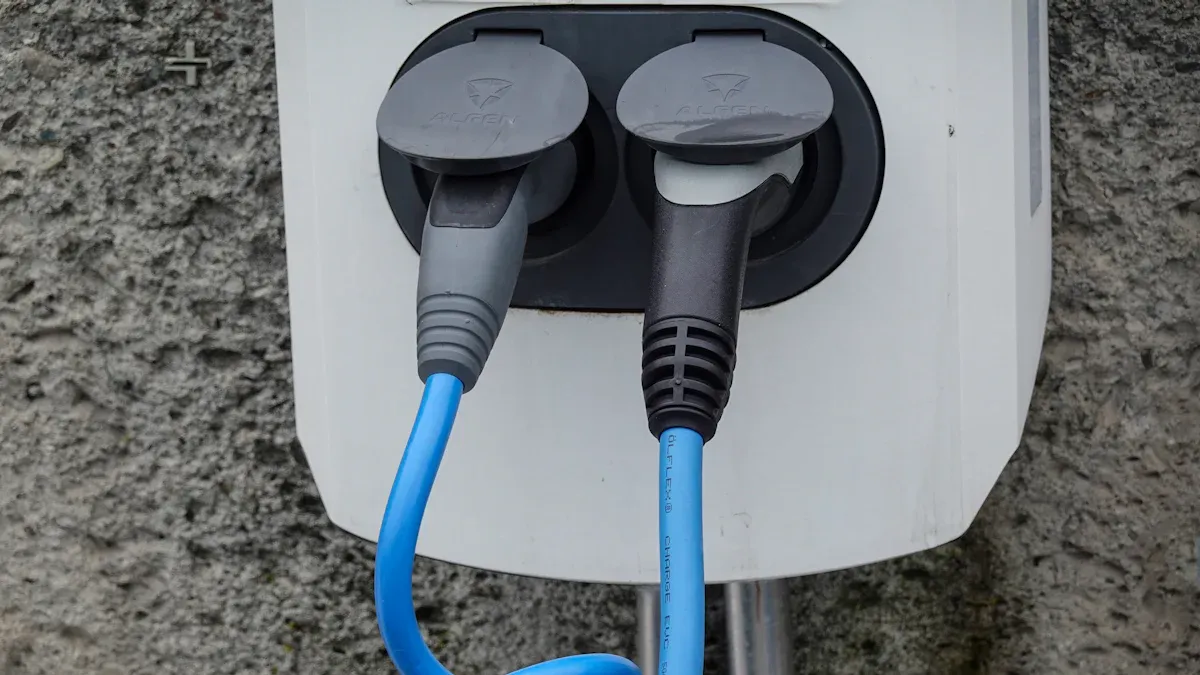
A 3 pin portable EV charger offers a plug-and-play experience. Users connect the charger directly to a standard household outlet, which eliminates the need for professional installation. This design suits individuals who require a temporary or mobile charging solution. Dedicated home chargers, on the other hand, require a fixed installation by a qualified electrician. These units connect to a dedicated 240V circuit, which ensures consistent power delivery and safety for daily use.
Charging Speed and Efficiency
Charging speed represents a major difference between these two options. Portable chargers typically operate at Level 1 or Level 2, delivering slow to moderate charging rates. Home EV chargers function at Level 2, providing faster charging and higher efficiency. The table below highlights these distinctions:
| Feature | Portable EV Charger | Home EV Charger |
|---|---|---|
| Charging Level | Level 1 or 2 | Level 2 |
| Power Source | Standard outlet (120V/240V) | Dedicated 240V circuit |
| Installation | None or minimal | Professional installation |
| Portability | High | Fixed |
| Charging Speed | Slow to moderate | Fast |
| Ideal Use | Travel, backup, light home use | Daily home charging |
Cost and Investment Considerations
Cost plays a significant role in the decision-making process. Portable chargers range from $200 to $700, which makes them accessible for most EV owners. Home EV chargers cost between $500 and $1,200, with additional expenses for installation. The following table summarizes these costs:
| Feature | Portable EV Charger | Home EV Charger |
|---|---|---|
| Cost | $200–$700 | $500–$1,200 (+ installation) |
Pros and Cons of Each Charging Option
Flexibility and Portability vs. Performance
Portable chargers provide unmatched flexibility. Owners can use them at home, work, or while traveling. Nearly 60% of EV owners prefer portable chargers for their adaptability. However, dedicated home chargers deliver superior performance. They offer faster charging speeds and advanced features, such as smart scheduling and energy monitoring.
Tip: Portable chargers suit drivers who value mobility, while home chargers benefit those who prioritize speed and convenience.
Suitability for Long-Term Use
Dedicated home chargers excel in long-term scenarios. They support daily charging routines and withstand frequent use. Portable chargers serve best as backup solutions or for occasional charging. Their slower speeds and reliance on standard outlets limit their practicality for heavy users.
Choosing the Right Charger for Your Needs
Assessing Lifestyle and Driving Habits
Electric vehicle owners should evaluate their daily driving distance and charging frequency. Those with short commutes and infrequent charging needs may find a portable charger sufficient. Drivers who travel long distances or require rapid charging benefit from a dedicated home charger. Power output ranges from 3.7 kW to 22 kW, which affects charging efficiency based on individual habits.
- Review daily mileage and charging frequency.
- Consider flexibility versus speed.
- Match charger output to driving patterns.
Budget and Convenience Factors
Budget influences the choice between portable and home chargers. Portable chargers offer a lower upfront cost and require minimal setup. Home chargers demand a higher investment but provide greater convenience and faster charging. Owners should balance their financial resources with their need for reliability and efficiency.
Who Should Use a 3 Pin Portable EV Charger?
Ideal Users and Scenarios
Apartment Residents Without Dedicated Parking
Many apartment residents lack access to private parking spaces or dedicated charging stations. They often rely on public infrastructure, which can be unreliable or inconvenient. A 3 pin portable EV charger offers a practical solution for these drivers. They can charge their vehicles using any accessible domestic socket, such as those found in shared garages or at friends’ homes. This flexibility helps apartment dwellers maintain vehicle readiness without the need for permanent installations.
Occasional EV Drivers and Second Car Owners
Some individuals use their electric vehicles infrequently. Second car owners or those who drive only on weekends may not require a high-speed charging solution. For these users, a 3 pin portable EV charger provides sufficient power for occasional top-ups. They avoid the expense and complexity of installing a dedicated home charger. This approach suits drivers who want to keep their EVs charged for spontaneous trips or as a backup vehicle.
Travelers and Emergency Preparedness
Travelers often face uncertainty regarding charging infrastructure. Road trips or visits to remote areas may present limited charging options. Carrying a portable charger ensures that drivers can access power wherever a standard socket exists. This device also serves as an essential tool for emergency preparedness. If a public charging station becomes unavailable, drivers can rely on their portable charger to avoid being stranded.
Tip: Keeping a portable charger in the trunk can provide peace of mind during long journeys or unexpected detours.
When to Consider Upgrading to a Dedicated Charger
Increased Daily Driving and Charging Needs
Drivers who cover long distances each day or rely on their EV as a primary vehicle may find a portable charger insufficient. Frequent charging sessions using a standard socket can become time-consuming. Upgrading to a dedicated home charger increases charging speed and efficiency. This change supports higher daily mileage and reduces downtime.
Installing Home Charging Infrastructure
Homeowners with access to private parking should consider installing a dedicated charging station. A permanent setup offers faster charging, enhanced safety features, and smart controls. This investment benefits those planning to use their EV as a main mode of transportation. It also adds value to the property and supports future vehicle upgrades.
| Scenario | Recommended Charging Solution |
|---|---|
| Apartment living, no private spot | 3 pin portable EV charger |
| Occasional driving, second vehicle | 3 pin portable EV charger |
| Daily long-distance driving | Dedicated home charger |
| Homeowners with private parking | Dedicated home charger |
A 3 pin portable EV charger offers a practical solution for electric vehicle owners who need flexibility and emergency charging. This device provides portability and convenience, making it useful for travelers and those without dedicated home charging. Users should note slower charging speeds and outlet restrictions.
- Apartment residents and occasional drivers benefit most.
- Homeowners with frequent charging needs may prefer a dedicated charger.
Drivers should evaluate their charging habits before choosing the best option.
FAQ
What is the maximum charging speed of a 3 pin portable EV charger?
Most 3 pin portable EV chargers deliver up to 2.3 kW. This speed suits overnight charging but does not match the faster rates of dedicated home chargers.
Can users safely charge their EVs outdoors with a 3 pin portable charger?
Manufacturers design many units with IP65 waterproof ratings. These chargers resist dust and water, allowing safe outdoor use in rain or damp conditions.
Which electric vehicles are compatible with 3 pin portable EV chargers?
Most EVs with Type 1 or Type 2 connectors work with these chargers. Adapters expand compatibility to additional models and brands.
How long does it take to fully charge an EV using a 3 pin portable charger?
Charging times vary by battery size. A typical EV with a 40 kWh battery may require 16 to 18 hours for a full charge.
Is it safe to use extension cords with a 3 pin portable EV charger?
Industry experts advise against using extension cords unless rated for high power. Improper cords can overheat and create fire risks.
What safety features do 3 pin portable EV chargers include?
Manufacturers equip chargers with overcurrent protection, surge protection, temperature sensors, and waterproof casings. These features help prevent electrical hazards.
When should drivers consider upgrading to a dedicated home charger?
Drivers with frequent charging needs or long daily commutes benefit from dedicated home chargers. These units offer faster charging and advanced safety features.
Can apartment residents use a 3 pin portable EV charger?
Apartment residents without dedicated parking often rely on portable chargers. They can charge their vehicles using accessible domestic sockets in shared spaces.