The number of electric vehicles in France is increasing significantly. This growth highlights the rising demand for reliable home EV charging solutions.
| European Country | Q1/2021 Registrations |
|---|---|
| FRANCE | 30,491 |
A successful home EV charger installation requires careful planning. Owners must navigate choices from various EV charger manufacturers, distinguishing a permanent EV Charger from portable ev chargers. When installing an EV charger, owners must avoid several critical mistakes. These mistakes can compromise safety and compliance. The most critical mistakes to avoid when installing an EV charger involve regulations, electrical capacity, and equipment selection.
Key Takeaway: A proper installation by a certified installer ensures your EV charger is safe and efficient. Avoiding these critical mistakes is essential for every EV owner.
Mistake #1: Ignoring French Regulations and IRVE Certification
Overlooking French legal standards is one of the most critical mistakes to avoid when installing an EV charger. France has specific rules to ensure the safety and reliability of every EV charging installation. Homeowners must understand these regulations to prevent serious legal and financial consequences. These mistakes can turn an exciting upgrade into a costly problem.
The Legal Mandate for an IRVE-Certified Installer
Hiring a qualified professional is not just a recommendation; it is a legal requirement for most home EV charger installations. This mandate ensures every installation meets national safety standards.
What is IRVE Certification?
IRVE stands for Infrastructure de Recharge pour Véhicules Électriques. It is a specialized certification for electricians. An IRVE-certified installer has completed training on EV charging technology and relevant electrical codes. This qualification proves their expertise in safely installing an EV charger.
Understanding Décret 2017-26 Requirements
This decree is a key piece of French legislation. It mandates that any EV charging point with a power output greater than 3.7 kW must be installed by a certified professional. Since most Level 2 chargers exceed this threshold, using a certified installer is almost always mandatory for a proper home EV setup. These regulations are in place to protect consumers.
Risks of Non-Compliance
Ignoring the IRVE requirement leads to significant risks. An uncertified installation may not comply with local codes and regulations. Authorities can impose fines or demand the removal of the non-compliant charger. These critical mistakes also void any eligibility for government subsidies, increasing the project’s total cost.
Impact on Insurance and Home Safety
A non-compliant installation poses a direct threat to home safety. Improper wiring can lead to electrical fires or damage to your EV.
Important Note: In the event of an accident, most insurance companies will deny claims related to an uncertified EV charger installation. The homeowner becomes fully liable for all damages.
The Essential Role of the ‘Consuel’ Electrical Inspection
The ‘Consuel’ inspection is another non-negotiable step for ensuring the safety of your new EV charger. This process validates that the new electrical circuit meets all national standards.
What is the ‘Consuel’?
The Comité National pour la Sécurité des Usagers de l’Électricité (Consuel) is the official body that verifies the compliance of new or modified electrical installations in France. Its approval is essential for connecting a new high-power circuit, like one for an EV charger, to the grid.
Adhering to the NF C 15-100 Standard
Every electrical installation in France must follow the NF C 15-100 standard. This comprehensive code outlines requirements for wiring, circuit protection, and overall electrical safety. A certified EV charger installer ensures your charger and its dedicated circuit adhere strictly to this standard. This guarantees the long-term safety of the system.
Securing the ‘Attestation de Conformité’
After completing the installation, the installer submits a request to the Consuel. An inspector may visit to verify the work. Upon approval, the Consuel issues an Attestation de Conformité (Certificate of Conformity). This document is the official proof that your EV charger installation is safe and compliant.
How Your Installer Manages the Process
A key benefit of using professional installation services is that the certified installer manages the entire Consuel process.
- They complete the technical paperwork.
- They ensure the work meets all requirements for a successful inspection.
- They handle the submission and follow-up. This service simplifies the process for the homeowner and guarantees that all legal obligations for the EV charger are met. The use of certified EV chargers is also a part of this compliance.
One of the Most Critical Mistakes: Miscalculating Electrical Capacity
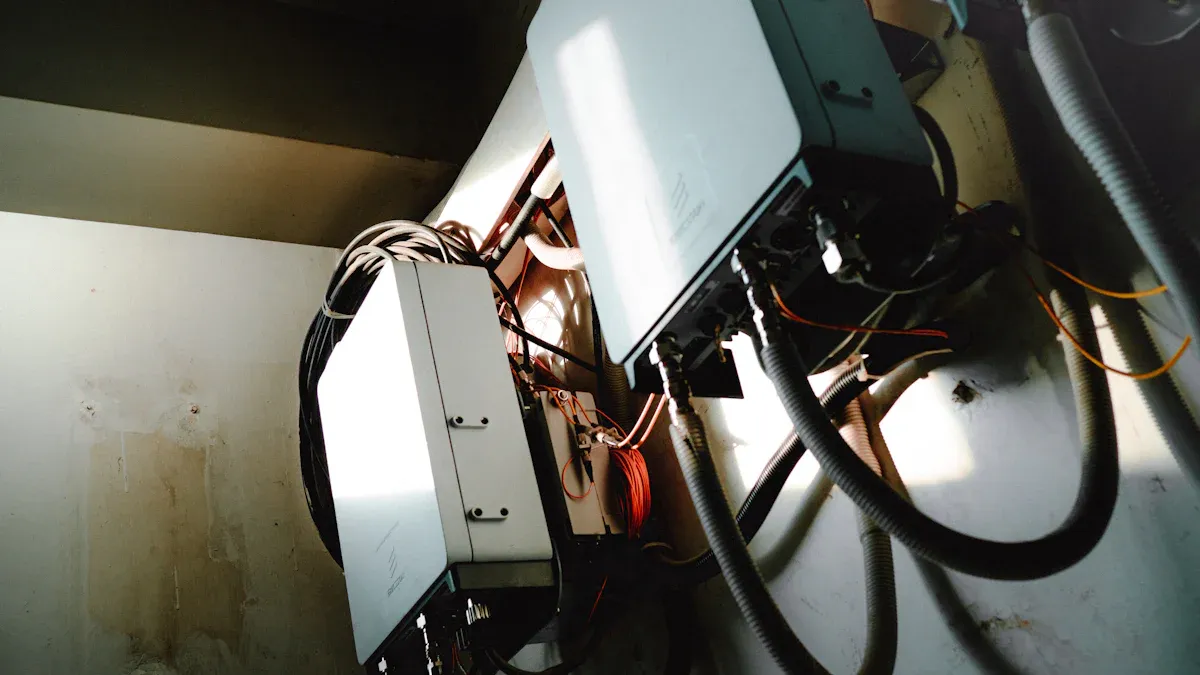
Among the critical mistakes to avoid, underestimating a home’s electrical capacity ranks near the top. Adding a Level 2 EV charger introduces a significant new demand on a home’s electrical system. A failure to account for this can lead to persistent problems, including power outages and an unsafe installation. Homeowners must understand their home’s power limits before installing an EV charger.
Assessing Your ‘Puissance Souscrite’ (Subscribed Power)
Every home in France has a contract with an electricity provider for a specific amount of power, known as the puissance souscrite. This determines the maximum electricity the home can draw at any one time.
What ‘Puissance Souscrite’ Means for Your EV
The puissance souscrite, measured in kilovolt-amperes (kVA), is the gatekeeper of your home’s electrical system. A standard 7.4 kW EV charger can consume a large portion of this capacity. If the home’s subscription is too low, it cannot support both the EV charger and other major appliances simultaneously.
How to Check Your kVA Rating
Homeowners can easily find their puissance souscrite rating on their monthly or annual electricity bill. It is typically listed as 6 kVA, 9 kVA, or 12 kVA for most residential properties.
The Risk of Tripping Your Main Breaker
If a home’s total electricity consumption exceeds its subscribed power, the main circuit breaker (disjoncteur) will trip, cutting power to the entire house. This will happen frequently if an EV is charging while other high-demand appliances like an oven, washing machine, or electric heating are running. These mistakes create an unreliable charging experience.
Calculating Your Home’s Total Electrical Load
A basic calculation involves adding the power consumption of the new EV charger to the simultaneous load of other household appliances. This initial estimate helps determine if the current subscription is sufficient.
Conducting a Professional ‘Bilan de Puissance’
A formal load calculation, or bilan de puissance, is a detailed analysis performed by a professional. It provides a precise picture of a home’s power needs.
Why a Load Calculation is Non-Negotiable
This assessment is essential for safety and performance. It ensures the electrical system can handle the new load from the EV charger without risk of overload. A certified installer will not proceed with an installation without this crucial data.
Factoring in All Major Appliances
The calculation must account for all significant electrical devices. This includes the oven, stovetop, water heater, air conditioning, and electric radiators. For example, a home with electric heating and an electric cooker will likely require at least a 12 kVA supply to support an EV charger.
The Importance of a Professional Assessment
Only a qualified electrician or EV charger installer can conduct an accurate bilan de puissance. They have the tools and expertise to measure actual power usage and identify the true peak demand of the household.
Accounting for Seasonal Power Demands
Power consumption often varies by season. A home may use significantly more electricity in the winter due to heating. A professional assessment accounts for these peaks to ensure the system is robust year-round.
Solutions for Insufficient Electrical Capacity
If the bilan de puissance reveals that the home’s capacity is too low, there are two primary solutions.
Upgrading Your Subscription with Your Provider
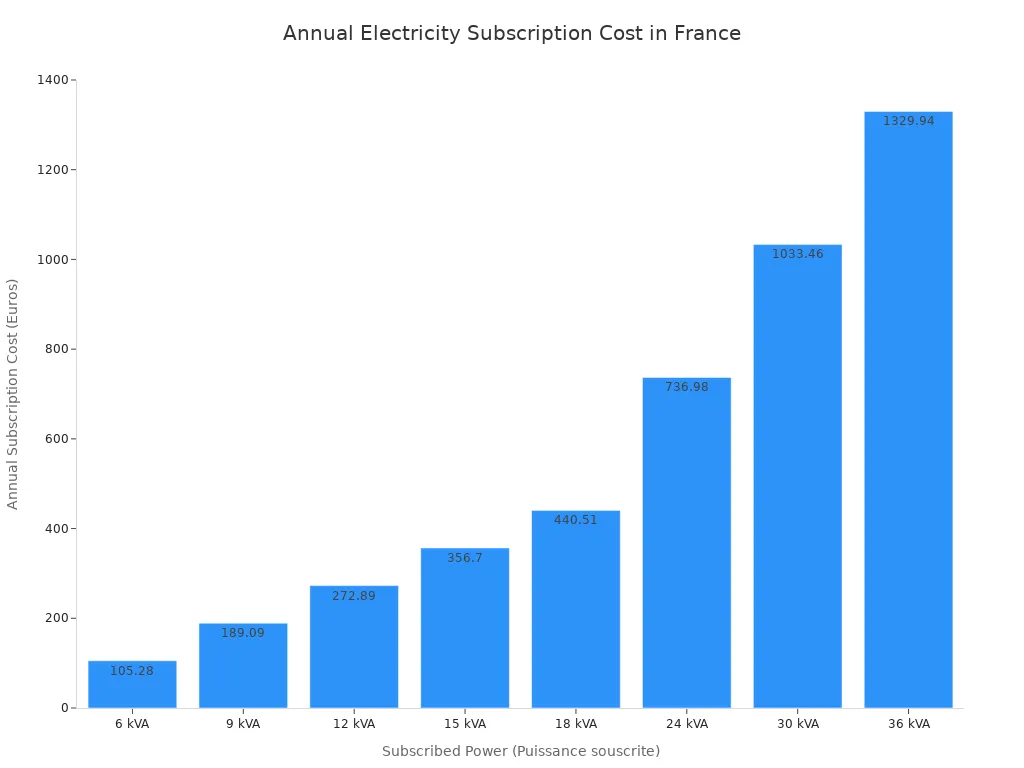
The most direct solution is to contact the electricity provider and request an upgrade to a higher puissance souscrite. While effective, this increases the annual subscription fee.
| Puissance souscrite (kVA) | Abonnement annuel TTC (Euros) |
|---|---|
| 6 | 164.40 |
| 9 | 207.24 |
| 12 | 250.32 |
| 15 | 290.40 |
Installing a Charger with Dynamic Load Management
A modern alternative is installing an EV charger with Dynamic Load Management (DLM).
How DLM Works: This technology intelligently monitors the home’s real-time power consumption. If the total load approaches the subscribed limit, the DLM system automatically reduces the power going to the EV. Once other appliances turn off, it restores the charger to full power. This prevents overloads without needing a costly subscription upgrade and avoids issues from a wrong charger power level.
Comparing Costs and Benefits
Homeowners must weigh the one-time cost of a smart charger with DLM against the recurring annual fee of a subscription upgrade. A DLM charger often provides a better return on investment over the long term.
The Process for an Upgrade
For a subscription upgrade, the homeowner or their installer contacts the electricity provider to initiate the change. The provider may need to adjust the main breaker setting to complete the process.
Mistake #3: Choosing an Incompatible or Outdated EV Charger
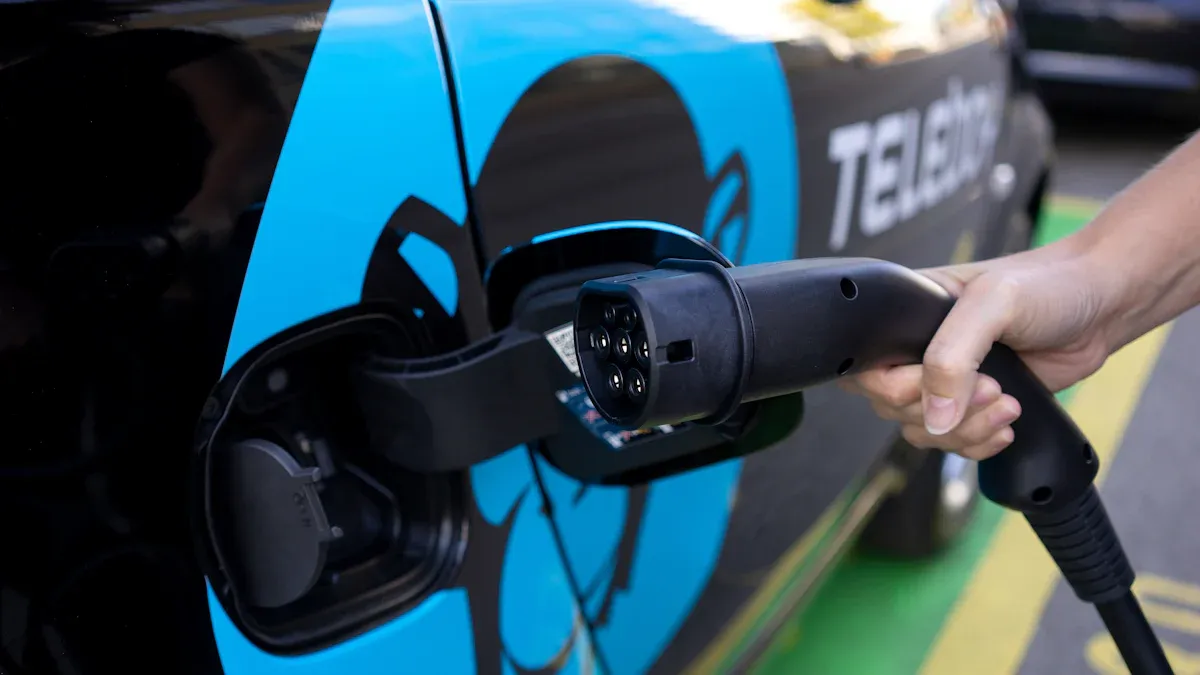
Selecting the wrong type of charger is one of the most common critical mistakes to avoid. A charger must match the home’s electrical infrastructure and meet the owner’s future needs. An incompatible or obsolete charger can limit charging speed, increase costs, and require a premature replacement. Making the right choice from the start is essential for a successful EV charging experience.
Matching the Charger to Your Electrical System
A home’s electrical setup directly dictates the type of charger that can be installed. Understanding this relationship is fundamental to a proper installation.
Single-Phase (‘Monophasé’) vs. Three-Phase (‘Triphasé’)
Most French homes use a single-phase (monophasé) electrical supply. Newer or larger properties may have a three-phase (triphasé) supply, which can deliver more power. A certified installer will identify the system type during the initial site assessment.
The 7.4 kW Limit on Single-Phase
A single-phase connection limits an EV charger to a maximum output of 7.4 kW. This speed is sufficient for overnight charging for most EV models. It is the standard for the majority of residential installations.
Unlocking 11 kW and 22 kW with Three-Phase
A three-phase system unlocks faster charging speeds. It can support an 11 kW or even a 22 kW charger. These higher speeds are beneficial for EV owners with large batteries or those who need a quicker turnaround.
The High Cost of a System Conversion
Homeowners with a single-phase system might consider upgrading to three-phase for faster charging. However, this conversion is a complex and expensive electrical project. It often involves significant changes to the home’s wiring and connection to the grid, making it impractical for many.
The Importance of ‘Smart’ Chargers (‘Bornes Connectées’)
Modern smart chargers, or bornes connectées, offer significant advantages over basic models. These certified EV chargers provide control and efficiency that standard units cannot match.
Remote Monitoring and Control Features
Smart chargers connect to the internet, allowing owners to monitor and manage charging sessions through a smartphone app. Users can start, stop, and track energy consumption from anywhere.
Scheduling for ‘Heures Creuses’ (Off-Peak Hours)
A key feature is the ability to schedule charging. Owners can set the charger to operate only during heures creuses (off-peak hours), when electricity is cheaper. For this tariff to be worthwhile, at least one-third of total electricity use should be during these hours.
| Power Rating (kVA) | Peak time for 1 kWh (Euros) | Off-peak time for 1 kWh (Euros) |
|---|---|---|
| 6 – 18 | 0.2146 | 0.1696 |
Over-the-Air Software Updates
Smart chargers receive software updates automatically. These updates can improve performance, add new features, and enhance security, ensuring the charger remains current with evolving technology.
Smart vs. Standard Chargers
While standard chargers simply deliver power, smart chargers optimize it. They provide cost savings, convenience, and adaptability that make them a superior long-term investment when installing an EV charger.
Future-Proofing Your EV Charger Installation
A thoughtful installation looks beyond today’s needs. Future-proofing ensures the system remains valuable as technology and personal needs change.
Planning Beyond Your Current Vehicle
An owner’s next EV may have a larger battery or faster charging capabilities. Selecting a versatile charger and a robust electrical installation prepares the home for future vehicles without requiring another major upgrade.
Understanding Vehicle-to-Grid (V2G) Potential
Vehicle-to-Grid (V2G) is an emerging technology that allows an EV to send power back to the grid. France is a leader in this area, with companies like ABB deploying 11 kW bidirectional chargers. These systems rely on standards like ISO 15118 and CHAdeMO. Choosing a V2G-ready charger prepares an owner for future energy-sharing opportunities.
Integration with Home Solar Panels
Smart chargers can integrate with home solar panel systems. This allows an EV to be charged with free, renewable energy. Key components for this setup include:
- Solar Panels
- An Energy Storage System (ESS) or battery
- A smart EV charger
- An inverter
This integration maximizes self-consumption of solar power and reduces reliance on the grid.
Selecting a Charger That Evolves
Ultimately, future-proofing means choosing a high-quality, smart charger from a provider like TPSON. These advanced systems are designed to adapt. They ensure the safety and efficiency of installing an EV charger today and for years to come, helping owners avoid costly mistakes.
Understanding the Full Financial Picture Before Installing an EV Charger
A successful home EV charger installation requires a clear understanding of all associated costs. Homeowners must look beyond the price of the charger itself to account for subsidies, installation fees, and potential long-term expenses. A comprehensive financial plan prevents surprises and ensures the project remains on budget.
Accessing French Government Subsidies
The French government offers financial incentives to encourage the adoption of electric vehicles. These programs can significantly reduce the cost of installing an EV charger, but they come with strict requirements.
The ‘Crédit d’Impôt’ Tax Credit
This tax credit is a major financial aid for homeowners. It helps offset the purchase price of a new home EV charger.
- The credit covers 75% of the equipment cost, with a cap of €500 per charging system.
- It is available to all residents, including tenants and second-home owners, regardless of income.
- A couple can claim up to €1,000 for two separate charging points.
- Owners claim the credit on their tax return for the year following the work.
The ‘Prime ADVENIR’ Grant Program
The ADVENIR program offers another avenue for subsidies, particularly for collective installations in apartment buildings and for businesses. An installer can provide details on eligibility for this specific grant.
Why IRVE Certification is Mandatory for Aid
Crucial Point: Homeowners can only access government aid like the Crédit d’Impôt if the installation is performed by an IRVE-certified professional. This rule ensures every subsidized EV charger meets national safety and performance standards.
Required Documentation for Subsidies
Applying for subsidies requires specific paperwork. A certified installer helps gather these documents.
- A signed quotation and agreement from the certified installer.
- Proof of property ownership or written permission from the landlord.
- A completed application form with personal, vehicle, and installer details.
Breaking Down the Total Cost of Installation
The total project cost includes several components. Owners should request a detailed quote that itemizes each expense.
The Price of the Charging Unit
The cost of certified EV chargers varies based on brand, power output (kW), and smart features.
Labor Costs for an IRVE Professional
This fee covers the expert labor for the installation, including wiring, circuit protection, and testing.
Potential Electrical Panel Upgrades
If the home’s electrical panel is old or lacks space, it may need an upgrade to safely accommodate the new EV charger circuit.
Fees for the ‘Consuel’ Certificate
The installer manages the Consuel inspection process, but the fee for the Attestation de Conformité is part of the total installation cost.
Identifying Hidden and Long-Term Costs
Beyond the initial setup, owners of an EV must consider ongoing expenses. A proper installation helps manage these costs effectively.
Increased ‘Puissance Souscrite’ Fees
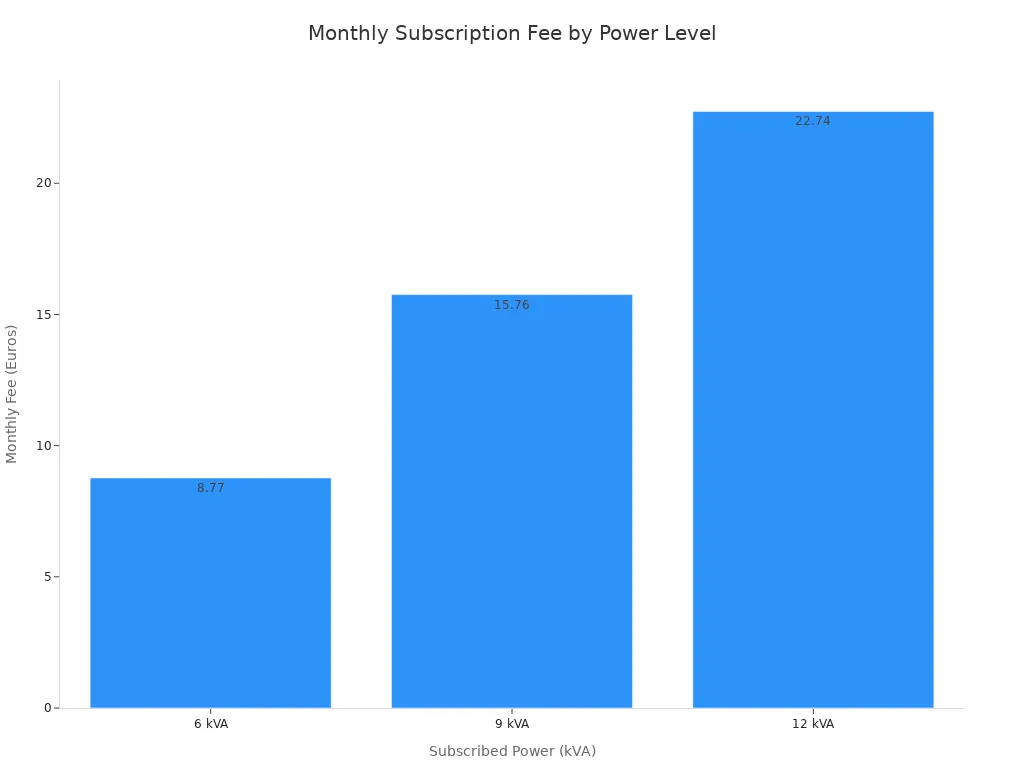
Upgrading a home’s electrical subscription increases the annual fee. Moving from a 6 kVA to a 9 kVA supply, for example, adds approximately €7 per month to the bill.
| Puissance souscrite (kVA) | Abonnement annuel TTC (Euros) |
|---|---|
| 6 | 105.28 |
| 9 | 189.09 |
| 12 | 272.89 |
Potential Software Subscription Costs
Some smart charger functionalities rely on subscription services. Companies like Octopus Energy and Pod Point offer plans in France that unlock advanced features, which may involve recurring fees for the EV owner.
Calculating ROI from Off-Peak Charging
A smart charger allows an EV owner to schedule charging during heures creuses (off-peak hours). The savings on electricity costs can quickly offset the price of the charger, delivering a strong return on investment.
How a Proper Install Prevents Future Repairs
Investing in a professional installation from the start is the best way to ensure long-term reliability and safety. It minimizes the risk of costly repairs to the charger, the EV, or the home’s electrical system.
More Critical Mistakes to Avoid During the Physical Installation
Even with a compliant plan, critical mistakes can occur during the physical installation. The final steps of placing the charger and connecting the wiring are where precision matters most. Errors at this stage can compromise safety, reduce the charger’s lifespan, and lead to costly future repairs.
Incorrect Charger Placement and Protection
The physical location of the EV charger is a decision with long-term consequences. The importance of installation location cannot be overstated, as it affects daily convenience and the unit’s durability.
Choosing an Optimal Location
An installer helps homeowners select a location that is convenient for parking and keeps the charging cable clear of walkways. The spot should be close enough to the electrical panel to minimize wiring costs but practical for daily use with the EV.
Ensuring Proper Weatherproofing (IP Rating)
Outdoor chargers require protection from the elements. A charger’s Ingress Protection (IP) rating indicates its resistance to dust and water. A certified professional ensures the selected unit has an adequate IP rating and is made from materials with UV and corrosion resistance to withstand sunlight and moisture.
Cable Management and Trip Hazards
A dangling charging cable is a significant trip hazard and can be easily damaged. Proper cable management is essential for safety.
Best Practices for Cable Safety:
- Organize cables neatly to prevent knots or twists.
- Use dedicated cable holders or retractors.
- Store the cable in a clean, dry place when not in use.
Protecting the Unit from Physical Damage
An improperly placed charger is vulnerable to damage. Common causes of physical harm include:
- Water Ingress: Rain and humidity can penetrate poor seals.
- Temperature Extremes: High heat and freezing conditions degrade electronics.
- Physical Impact: Accidental vehicle collisions or vandalism can crack the casing.
Using Incorrect Components and Wiring
The safety and efficiency of an EV charger depend entirely on the quality of its electrical components and wiring. Using substandard parts is a dangerous shortcut that violates French regulations.
Selecting the Right RCD Type (Type A vs. Type F)
A Residual Current Device (RCD) is a critical safety component that prevents electric shock. For EV charging, French standards require a specific type of RCD. A Type A RCD is suitable only if the EV charger has integrated 6mA DC fault protection. Otherwise, a Type F or Type B RCD is necessary to handle the specific electrical characteristics of an EV.
Correct Cable Sizing for Power and Distance
The electrical cable must be correctly sized for the charger’s power output and the distance from the panel. An undersized cable can overheat, creating a fire risk and causing a voltage drop that slows charging.
| Charger Amperage | Breaker Size | Minimum Wire Size (mm²) |
|---|---|---|
| 16A | 20A | 2.5 mm² |
| 32A | 40A | 6 mm² |
| 40A | 50A | 10 mm² |
The Role of Surge Protection Devices (SPDs)
A Surge Protection Device (SPD) is highly recommended for any EV charger installation. It shields the expensive electronics in both the charger and the EV from damage caused by power surges or lightning strikes.
Adhering to All Wiring Standards
A professional installation guarantees that every component—from the circuit breaker to the final connection—meets the strict NF C 15-100 standard. This adherence is the foundation of a reliable and secure home charging system for any EV.
A successful Level 2 EV charger installation in France avoids critical mistakes. Owners must follow regulations, assess electrical capacity, and select the right EV charger. The best path involves a certified installer. This professional guarantees a safe, certified EV charger installation. A proper EV charger setup prepares an EV owner for future electric vehicles. This ensures a seamless charging solution for all EV vehicles.
FAQ
What is IRVE certification and why is it important?
IRVE certification identifies an electrician qualified to install EV charging infrastructure. It is a legal requirement in France for chargers over 3.7 kW. This certification ensures the installation is safe, compliant, and eligible for government subsidies like the Crédit d’Impôt.
Can a homeowner install their own EV charger in France?
No, a homeowner cannot legally install an EV charger with a power output greater than 3.7 kW. French law mandates that a certified IRVE professional must perform the installation. This rule guarantees safety and adherence to the NF C 15-100 electrical standard.
What happens if a home’s electrical capacity is too low?
A low electrical capacity, or puissance souscrite, will cause the main breaker to trip when the EV charges alongside other appliances. Solutions include upgrading the electricity subscription or installing a smart charger with Dynamic Load Management (DLM) to prevent overloads.
What is the main difference between single-phase and three-phase power?
Single-phase (monophasé) power is standard in most homes and limits charging to 7.4 kW. Three-phase (triphasé) power, found in some larger properties, supports faster charging at 11 kW or 22 kW. An installer confirms the system type during the site visit.
Are smart chargers (‘bornes connectées’) a necessary expense?
Smart chargers offer significant long-term value. They allow owners to schedule charging during cheaper off-peak hours (heures creuses) and receive software updates. These features provide cost savings and convenience that justify the initial investment over a basic charger.
How much does a complete EV charger installation cost?
The total cost for a home EV charger installation in France typically ranges from €1,200 to €2,000. This price includes the charging unit, labor from an IRVE professional, all required safety components, and the fee for the Consuel certificate.