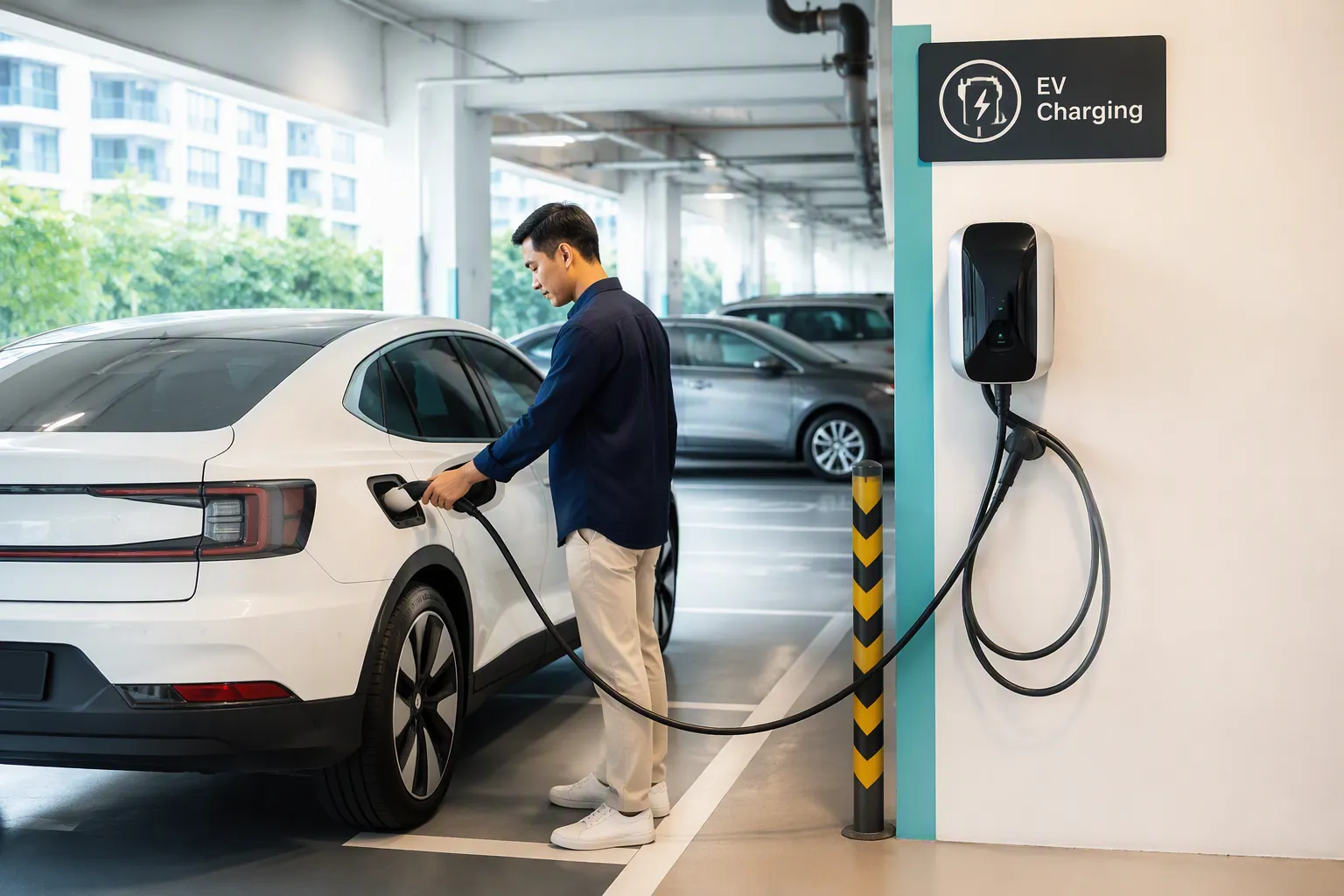
Many drivers wonder if they need to charge my EV every night. Most people do not use the full range of their vehicle each day, so nightly charging often proves unnecessary. An شاحن السيارة الكهربائية can restore energy quickly when needed. Industry experts and الشركات المصنعة لشاحن السيارة الكهربائية recommend considering driving habits before plugging in every evening. Overcharging may reduce battery life, so smart حلول شحن السيارات الكهربائية help manage energy use. For those who travel long distances or lack access to شواحن السيارات الكهربائية المحمولة, evaluating daily needs ensures efficient charging without risk to battery health.
Charging every night is not a requirement for most EV owners and can sometimes do more harm than good.
How Often Should I Charge My EV?
Daily Driving Habits vs. EV Range
Typical Commute Distances
Most drivers travel short distances each day. In the United States, the average daily commute is about 20 to 40 miles. Modern electric vehicles offer ranges close to 300 miles, which means a single charge can last several days for many users. This range covers the majority of daily commuting needs without requiring frequent charging.
- إن average range of electric vehicles in 2026 is nearly 300 miles.
- Most modern EVs can complete a day’s driving on a single charge.
- This capability reduces range anxiety for typical drivers.
Drivers who use their vehicles for short trips or errands often find that they do not need to charge my EV every night. They can plan charging sessions based on actual battery usage rather than habit.
EV Range Compared to Daily Needs
The gap between daily driving distances and EV range means that daily charging is not necessary for most people. Owners with larger battery packs can go several days before needing to plug in. Charging electric vehicles becomes a matter of convenience rather than necessity for those with predictable routines.
Tip: Monitoring battery levels and understanding personal driving patterns helps drivers optimize their charging habits and avoid unnecessary charging sessions.
A variety of factors influence how often someone should charge my EV. The table below outlines key considerations:
| العامل | الشرح |
|---|---|
| Daily Commute | Short distances may not require nightly charging; a 200-mile range can last several days for a 20-mile round trip. |
| Battery Size and Range | Larger batteries with longer ranges need less frequent charging compared to smaller models. |
| Charging Accessibility | Home charging is convenient for frequent charging, while public charging may necessitate less frequent sessions. |
| Weather Conditions | Cold weather can lead to faster battery depletion, requiring more frequent charging in winter. |
When Nightly Charging Makes Sense
High Mileage or Unpredictable Schedules
Some drivers have high daily mileage or unpredictable schedules. Delivery drivers, rideshare operators, or those with long commutes may need to charge my EV every night. Nightly charging ensures the vehicle is ready for any unexpected trips or changes in routine.
- Charging every night guarantees a full battery each morning.
- This practice eliminates the need to search for charging stations during the day.
- Regular charging can help maintain the battery within optimal ranges, supporting battery health.
Limited Access to Charging Stations
People who lack access to public or workplace charging stations may benefit from charging at home each night. Home charging provides convenience and peace of mind, especially for those who cannot rely on public infrastructure.
- Nightly charging can be cost-effective when done during off-peak hours.
- Drivers with limited charging options reduce the risk of running low on battery by plugging in at home.
Note: Each driver should evaluate their own charging habits based on their lifestyle, vehicle range, and access to charging infrastructure.
How Charging My EV Affects Battery Health
Understanding Battery Longevity
Charge Cycles and Battery Wear
Electric vehicle batteries operate through charge cycles, which represent one full discharge and recharge. Each cycle contributes to gradual battery wear. Frequent charging, especially to the maximum or minimum limits, can accelerate this process. When drivers charge their vehicles to 100% regularly, the battery experiences more stress, which can shorten its usable life. Instead, maintaining moderate charge levels supports improved longevity and helps preserve battery health over time.
Factors That Impact Battery Life
Several factors influence how long an EV battery remains effective. Temperature plays a significant role. Exposure to extreme heat or cold can reduce battery performance and lifespan. Vehicle use and care also matter. Poor charging practices, such as overcharging your battery or letting it drop to very low levels, can cause permanent damage. Heavier vehicles require more energy, which puts additional strain on the battery and may reduce efficiency. Charging a battery at high temperatures can lead to overheating, while leaving it at a low charge for extended periods can result in irreversible harm.
Tip: Drivers should park their EVs in shaded or climate-controlled areas when possible to protect battery health.
Why Avoid 100% and 0% Charge Levels
Battery Stress at Extremes
Charging an EV battery to 100% or allowing it to drop to 0% creates stress on the battery’s internal chemistry. Lithium-ion batteries, which power most electric vehicles, are particularly sensitive to these extremes. Keeping the battery at full charge for long periods can accelerate degradation, while deep discharges below 20% can also negatively impact battery health. Regularly charging above 80% or letting the battery fall below 20% reduces overall capacity and shortens lifespan.
توصيات الشركة المصنعة
Automakers advise drivers to maintain a balanced charge level for optimal battery health. Most recommend keeping the battery between 20% and 80% for daily use. Charging to 100% should be reserved for long trips or situations where maximum range is necessary. Smart charging strategies, such as scheduling charging sessions to stop at 80%, help prevent overcharging your battery and support improved longevity. Following these guidelines allows drivers to maximize battery performance and reliability.
Note: Adopting these best practices not only extends battery life but also leads to cost savings and environmental benefits, as less energy is required for partial charges.
Best Practices to Charge My Electric Car
الحفاظ على البطارية بين 20٪ و80٪
فوائد الشحن الجزئي
يمكن لمالكي المركبات الكهربائية تعزيز صحة البطارية من خلال الحفاظ على مستويات الشحن بين 20٪ و80٪. تؤدي بطاريات الليثيوم-أيون أفضل أداء ضمن هذا النطاق. تصمم العديد من الشركات المصنعة مركباتها مع إعدادات حد الشحن, ، مما يسمح للسائقين بتجنب الشحن الكامل. يساعد الشحن الروتيني ضمن هذا النطاق على منع كل من الشحن الزائد والتفريغ العميق، مما قد يسرع من تدهور البطارية.
- يدعم الشحن بين 20٪ و80٪ أداء البطارية على المدى الطويل.
- تتضمن معظم المركبات الكهربائية الحديثة ميزات تسمح للمستخدمين بتعيين حدود الشحن.
- يترك الشحن الجزئي مجالًا للكبح التجديدي، مما يحسن الكفاءة ويحمي البطارية.
يلخص الجدول أدناه أفضل الممارسات للحفاظ على صحة البطارية:
| أفضل الممارسات | الوصف |
|---|---|
| النطاق الأمثل للشحن | حافظ على البطارية بين 20٪ و80٪ للاستخدام اليومي. |
| تقليل استخدام الشواحن السريعة | استخدم شواحن المستوى 2 للشحن العادي لتقليل الحرارة والتآكل. |
| الاستخدام المنتظم للمركبة | قم بقيادة المركبة الكهربائية بشكل متكرر للحفاظ على دورات شحن متسقة. |
| تجنب تفريغ البطارية إلى الصفر | امنع هبوط البطارية below 20٪ لتقليل إجهاد الخلايا. |
نصيحة: تقدم العديد من حلول الشحن TPSON ميزات الجدولة الذكية وحد الشحن، مما يسهل اتباع هذه الإرشادات.
عندما يكون الشحن الكامل مطلوبًا
قد يحتاج السائقون إلى شحن مركباتهم بالكامل قبل الرحلات الطويلة أو عندما يكون الوصول إلى محطات الشحن محدودًا. تتضمن المركبات الكهربائية الحديثة عازلاً بين السعة القابلة للاستخدام والسعة الإجمالية للبطارية، مما يساعد على حماية البطارية أثناء الشحن الكامل العرضي. ومع ذلك، يجب تجنب الشحن المتكرر إلى 100٪ إلا إذا كان ضروريًا للسفر الممتد.
- من الأفضل حجز الشحن الكامل للحالات الخاصة.
- يبقى الاستخدام الروتيني ضمن نطاق 20٪-80٪ مثاليًا لمعظم القيادة اليومية.
الشحن البطيء مقابل الشحن السريع
التأثير على صحة البطارية
يضع الشحن البطيء, ، الذي يُطلق عليه غالبًا شحن المستوى 2، ضغطًا أقل على البطارية مقارنة بالشحن السريع. يمكن للاستخدام المتكرر للشواحن السريعة أن يولد حرارة أكبر، مما قد يسرع من شيخوخة البطارية بمرور الوقت. يساعد الشحن المنتظم بسرعات معتدلة في الحفاظ على صحة البطارية وإطالة عمر الحزمة البطارية.
- يقلل الشحن البطيء من تراكم الحرارة ويدعم طول عمر البطارية.
- الشحن السريع آمن للاستخدام العرضي ولكن لا يجب أن يصبح الطريقة الأساسية للشحن.
متى تستخدم الشحن السريع
يوفر الشحن السريع الراحة أثناء الرحلات الطويلة أو عندما يكون الوقت محدودًا. يجب على السائقين استخدام الشواحن السريعة باعتدال لتقليل التآكل المحتمل للبطارية. بالنسبة للروتين اليومي، يبقى الشحن البطيء في المنزل أو العمل الخيار المفضل.
ملاحظة: تسمح حلول الشحن المتقدمة من TPSON للمستخدمين باختيار سرعة الشحن المناسبة لاحتياجاتهم، موازنة بين الرعاية والراحة للبطارية.
من خلال اتباع أفضل الممارسات هذه، يمكن للسائقين شحن سيارتي الكهربائية بكفاءة مع تعظيم صحة البطارية وأداء المركبة.
هل من الآمن شحن مركبتي الكهربائية كل ليلة؟
تأثيرات الشحن المتكرر
التعبئة الصغيرة مقابل الشحن الكامل
يتساءل العديد من السائقين عما إذا كان الشحن المتكرر، خاصة كل ليلة، قد يضر بمركبتهم الكهربائية. تظهر الأبحاث وإرشادات الشركات المصنعة أن شحن المركبة الكهربائية كل ليلة ليس ضروريًا لمعظم المستخدمين. قد يقلل الشحن إلى 100٪ في كل مرة من عمر البطارية. بدلاً من ذلك، يوصي الخبراء بالشحن عندما تهبط البطارية إلى حوالي 30٪ والتوقف عند 80٪ للاستخدام اليومي. تساعد هذه الطريقة في الحفاظ على صحة البطارية ودعم الأداء طويل المدى.
التعبئات الصغيرة، حيث تتلقى البطارية كمية متواضعة من الطاقة، تكون أقل إجهادًا للبطارية من الشحن الكامل المتكرر. يمكن للسائقين الذين يستخدمون حلول الشحن الذكية للمركبات الكهربائية تعيين حدود وجداول الشحن، مما يسهل تجنب الشحن الزائد. يسمح الشحن الذكي للمركبات الكهربائية أيضًا بإدارة طاقة أفضل ورعاية للبطارية.
- تساعد التعبئات الصغيرة المنتظمة في الحفاظ على البطارية ضمن النطاق الأمثل.
- يجب حجز الشحن الكامل للرحلات الطويلة أو عندما تكون هناك حاجة إلى أقصى مدى.
- يمكن أن يؤدي تجنب الشحن المتكرر إلى 100٪ إلى إطالة عمر البطارية.
دور أنظمة إدارة البطارية
تتضمن المركبات الكهربائية الحديثة أنظمة متقدمة لإدارة البطارية. تراقب هذه الأنظمة درجة حرارة البطارية ومستويات الشحن وسرعة الشحن. تمنع الشحن الزائد والارتفاع الحراري، خاصة أثناء الشحن طوال الليل. تساعد أنظمة إدارة الحرارة للبطارية أيضًا في تقليل الحرارة المتولدة أثناء الشحن السريع، مما يحمي البطارية من التلف.
ملاحظة: تعمل أنظمة إدارة البطارية تلقائيًا، لذلك لا يحتاج السائقون للقلق بشأن فصل مركبتهم فورًا بعد الشحن.
اعتبارات السلامة والتكلفة
سلامة الشحن طوال الليل
شحن المركبة الكهربائية طوال الليل آمن عندما يتبع السائقون الاحتياطات الأساسية. يجب عليهم استخدام شواحن المركبات الكهربائية المنزلية المخصصة المثبتة من قبل كهربائيين مؤهلين. تفي الشواحن الحاصلة على شهادات السلامة، مثل علامة CE، بمعايير السلامة الصارمة. يجب على السائقين تجنب استخدام أسلاك التمديد متعددة المقابس أو توصيلها بشكل متسلسل. يساعد الفحص الدوري لكابلات الشحن والمعدات في منع الحوادث.
تستخدم المركبات الكهربائية الحديثة أنظمة إدارة البطارية وإدارة الحرارة لمنع الشحن الزائد والارتفاع الحراري. تجعل هذه الميزات الشحن طوال الليل خيارًا آمنًا وموثوقًا لمعظم الأسر.
- استخدم فقط معدات الشحن المعتمدة.
- تحقق من الكابلات والموصلات للتآكل أو التلف.
- جدول الشحن للتوقف عند 80٪ للاستخدام اليومي.
الشحن في غير أوقات الذروة
Charging during off-peak hours can reduce electricity costs significantly. Many energy providers offer lower rates at night, making overnight charging more affordable. For example, some tariffs provide rates as low as 7.9p per kWh between midnight and 5 am. Drivers who charge their vehicles during these hours can save over £13 per full charge compared to peak rates.
| Charging Scenario | Electricity Rate | Estimated Cost per Full Charge (60 kWh EV) |
|---|---|---|
| Standard tariff (30p per kWh) | الوقت النموذجي | £18.00 |
| Off-peak tariff (7.9p per kWh) | Off-peak | £4.74 |
Smart EV charging systems often include scheduling features, allowing drivers to set their vehicles to charge automatically during off-peak periods. This not only saves money but also supports grid stability.
Tip: Drivers who charge my EV at home should consider setting a charging schedule to take advantage of lower rates and maximize savings.
Practical Tips to Charge My Electric Car
اتباع إرشادات الشركة المصنعة
Manufacturers provide clear instructions to help drivers protect their electric vehicle batteries. They recommend charging based on immediate needs rather than habit. Drivers should avoid leaving the battery at full or minimal charge for long periods. Keeping the battery around 50% during inactivity helps reduce stress and prolongs battery life. Regularly updating vehicle software ensures access to the latest battery management features.
Using Built-In Charging Settings
Most electric vehicles include built-in charging settings. These allow drivers to set charge limits, often between 20% and 80%. Using these features prevents overcharging and deep discharging. Many vehicles also offer smart ev charging options that automate charging based on time-of-use rates or battery health. Drivers can use these settings to schedule charging sessions, which helps optimize battery performance and reduce electricity costs.
- Set charging limits to avoid frequent full charges.
- Use manufacturer apps to monitor battery status and adjust settings.
- Enable smart ev charging features to automate charging during off-peak hours.
Scheduling Charging Times
Scheduling charging times provides several benefits. Charging during off-peak hours lowers تكاليف الكهرباء and reduces demand on the power grid. Many vehicles and home chargers allow users to set charging start and stop times. This feature ensures the battery reaches the desired level before the next drive. Drivers who plan ahead can avoid busy charging stations and make the most of available infrastructure.
نصيحة: خطط لجلسات الشحن مسبقاً, especially if regular access to charging points is limited.
Maximizing Battery Life
Battery longevity depends on proper charging habits and environmental care. Drivers should keep the battery between 20% and 80% for daily use. Charging to 100% should only occur before long trips or when recommended by the manufacturer. Slow charging is preferable for routine use, as it generates less heat and reduces battery wear.
Avoiding Extreme Temperatures
Extreme temperatures can damage electric vehicle batteries. Parking in shaded or climate-controlled areas helps protect the battery from heat or cold. Preconditioning the battery while plugged in during winter improves efficiency and reduces stress. Drivers should avoid charging or storing their vehicles in very hot or cold environments whenever possible.
Proper Storage Practices
Proper storage practices play a key role in battery health. If a driver will not use the vehicle for an extended period, they should leave the battery at about 25% to 50%. This range minimizes degradation and prevents deep discharge. Regularly checking the battery and performing a full charge once a month, if recommended, helps maintain the battery management system.
A summary table for best practices:
| الممارسة | المزايا |
|---|---|
| Keep charge between 20%-80% | Reduces battery degradation |
| Avoid extreme temperatures | Preserves battery performance |
| Use slow charging when possible | Minimizes battery wear |
| Store at 25%-50% if unused | Prevents deep discharge |
Drivers who follow these guidelines can maximize the lifespan of their battery and ensure reliable performance every time they charge my electric car or charge my ev. Adapting charging habits to match driving patterns and using smart features will help maintain battery health for years.
Managing Range Anxiety When You Charge My EV
Planning Your Charging Routine
Electric vehicle drivers often experience range anxiety, especially when they travel long distances or visit unfamiliar areas. Careful planning helps reduce this concern. Drivers can use route planning apps such as Zap-Map or ChargePoint to locate charging stations along their routes. These apps display real-time availability and help drivers avoid unnecessary detours.
Drivers benefit from planning their journeys by checking their battery level, mapping out charging stops, and ensuring charging stations are available at their destinations. Charging overnight at home allows drivers to start each day with a full battery, which reduces stress about running out of power during daily commutes.
استخدام شبكات الشحن العامة
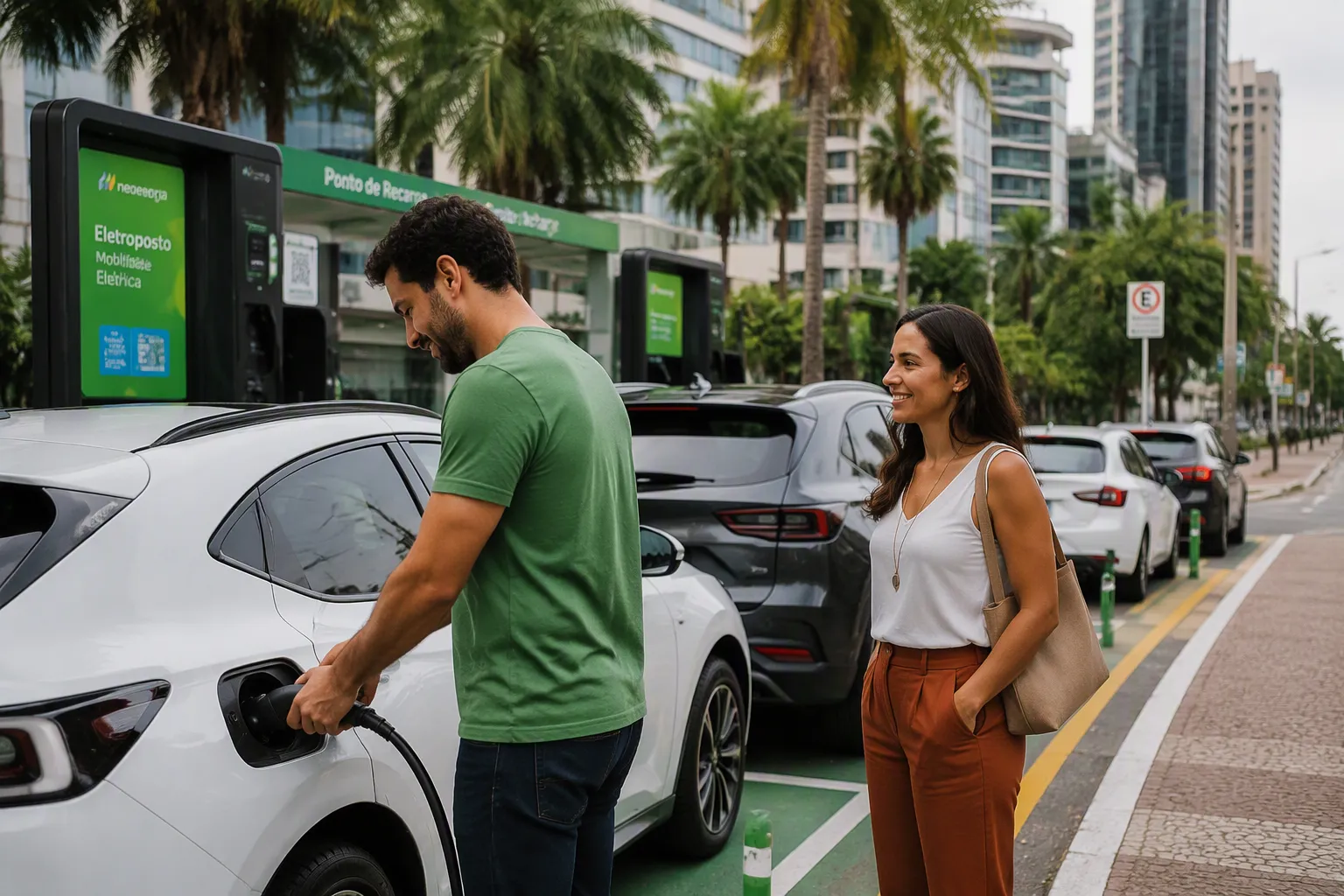
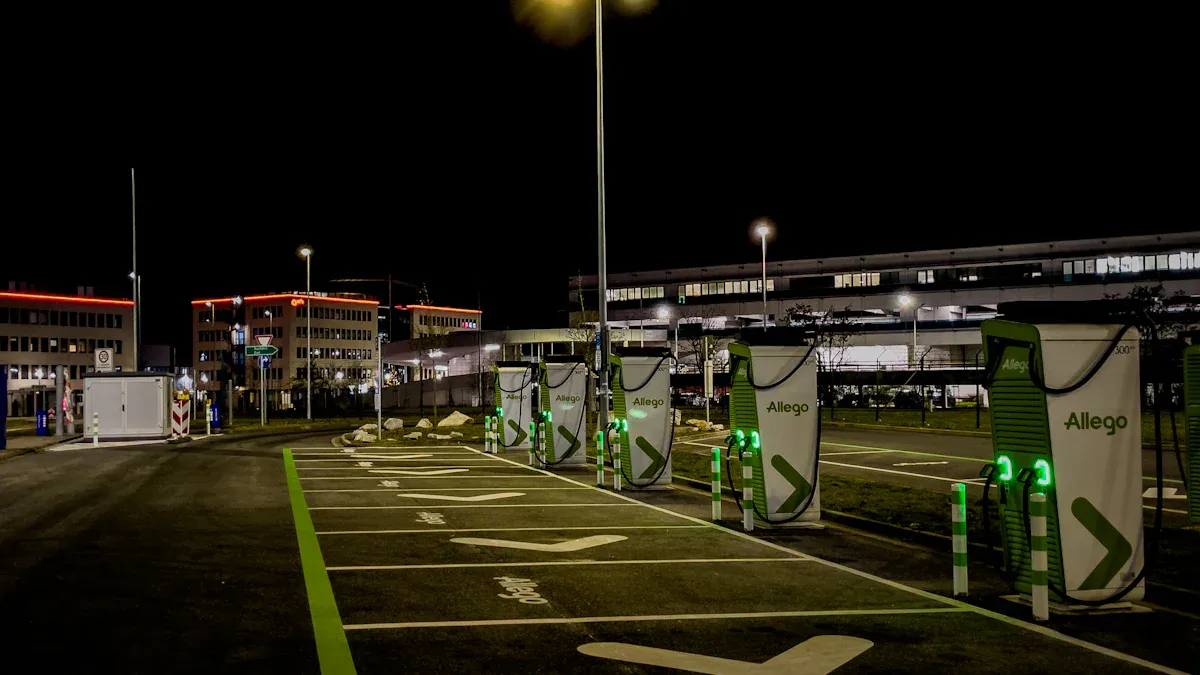
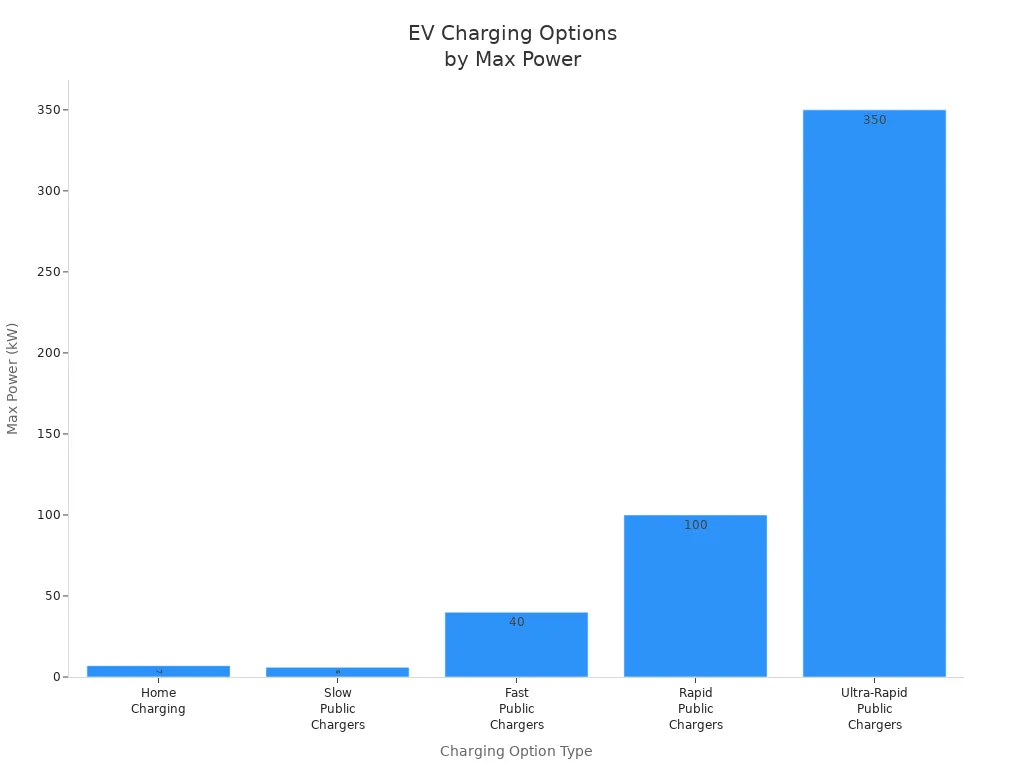
Public charging networks provide flexibility for drivers who travel beyond their home charging range. These networks include slow, fast, rapid, and ultra-rapid chargers at various locations such as supermarkets, shopping centers, and motorway service stations. Drivers can find compatible charging points using mobile apps or built-in navigation systems. Authentication and payment methods vary, so drivers should check requirements before arrival.
A table below summarizes common charging options:
| Charging Option Type | Power Range | المواقع النموذجية | Usage Scenario / Notes |
|---|---|---|---|
| الشحن المنزلي | Up to ~7kW (slow) | Private home garages or driveways | Most EV charging (~90%) is done at home; convenient for overnight or long-duration charging. |
| Slow Public Chargers | Up to 6kW | Workplaces, long-term car parks | Suitable for longer parking durations; slower charging speed. |
| Fast Public Chargers | 7kW to 40kW | Supermarkets, shops, leisure centers | Ideal for medium-length stops while shopping or leisure activities. |
| Rapid Public Chargers | 40kW to 100kW | Motorway service stations, roadside | Designed for shorter stops during journeys; faster charging speeds. |
| Ultra-Rapid Public Chargers | 100kW to 350kW | Select service stations and key locations | Provide very fast charging for quick top-ups, suitable for long-distance travel. |
Monitoring Battery Levels
Drivers should monitor battery levels regularly to avoid unexpected power loss. Many electric vehicles display real-time battery status on the dashboard and through mobile apps. Drivers can set alerts for low battery levels and plan stops accordingly. Efficient driving habits, such as maintaining steady speeds and using regenerative braking, help extend range and reduce anxiety.
Tip: Turning off non-essential features like heated seats or air conditioning can conserve battery power during longer trips.
Availability of Charging Options
الشحن المنزلي مقابل الشحن العام
Home charging remains the most convenient and cost-effective method for most drivers. Installing a home charging station allows drivers to charge overnight and start each day with a full battery. Public charging options support those who travel longer distances or lack access to home charging. Public chargers vary in speed and location, so drivers should plan ahead to ensure compatibility and availability.
Future Improvements in Charging Infrastructure
Charging infrastructure continues to expand rapidly. Industry experts predict a significant increase in global charging stations, with millions expected by the end of the decade. New ultra-rapid chargers will allow future electric vehicles to recharge in as little as five to ten minutes. As charging electric vehicles becomes faster and more accessible, range anxiety will decrease for all drivers.
Note: The growth of charging networks and advances in battery technology will make electric vehicle ownership more convenient and reliable.
Myths About How to Charge My Electric Car
Myth: You Must Charge Every Night
Why This Isn’t Necessary
Many drivers believe they must plug in their electric vehicle every night. This misconception often leads to unnecessary charging and concerns about battery health. In reality, most electric vehicles offer enough range to cover several days of typical driving without needing a nightly recharge. Drivers with predictable routines can monitor their battery levels and charge only when necessary.
- Electric vehicles support flexible charging routines. Owners can choose to recharge when electricity is cheaper or more abundant, such as during overnight hours.
- Vehicle-to-grid systems allow electric cars to discharge energy back to the grid during peak demand. This flexibility shows that nightly charging is not a requirement.
- The national grid can handle increased demand from overnight charging. Nighttime electricity use remains lower than daytime peaks, so charging at night does not strain the system.
- Charging times vary by charger type. Many drivers find overnight charging convenient, as it allows them to wake up to a full battery without interrupting their day.
Note: Drivers should base their charging habits on their actual driving needs, not on the myth that every night requires a full charge.
Myth: Frequent Charging Damages the Battery
What Research Shows
Some people worry that plugging in their electric vehicle too often will harm the battery. Research shows that the method and speed of charging have a greater impact on battery health than the frequency of charging itself. Regular use of slow or moderate charging, such as Level 2 home chargers, supports long-term battery performance.
Studies reveal that frequent use of high-power DC fast charging, especially above 100 kW, can accelerate battery degradation. Vehicles that rely on fast charging experience an average battery capacity loss of 3.0% per year. In contrast, those that use lower-power charging methods see only about 1.5% degradation annually. This difference highlights the importance of choosing the right charging method for daily use.
- Frequent small top-ups with slow charging do not harm the battery.
- Fast charging should be reserved for long trips or urgent needs.
- Battery management systems in modern EVs protect against overcharging and overheating.
Tip: Drivers who use slow charging at home and avoid frequent fast charging can maximize battery life and maintain vehicle performance.
By understanding these myths, drivers can make informed decisions about when and how to charge their electric vehicles. Smart charging habits help preserve battery health, reduce costs, and ensure reliable transportation.
Most electric vehicle owners do not need to charge every night. Studies show that actual home charger usage remains low, and modern battery management systems make overnight charging safe and cost-effective when required.
| النتائج الرئيسية | الوصف |
|---|---|
| Nightly Charging Necessity | Not always necessary for most EV owners. |
| أنظمة إدارة البطاريات | Prevent overcharging, making overnight charging safe. |
Drivers should keep their battery between 20% and 80% to reduce degradation and extend battery life. Charging routines work best when they match daily driving distance, battery size, and access to charging stations. Following manufacturer guidelines and adjusting habits for lifestyle needs ensures optimal performance and peace of mind.
الأسئلة الشائعة
How often should an EV owner charge their vehicle?
Most EV owners do not need to charge every night. They should monitor daily driving distance and battery level. Charging two or three times per week usually meets the needs of average drivers.
Does charging every night damage the battery?
الشحن كل ليلة لا يضر بالبطارية إذا تجنب المالك الشحن حتى 100%. الحفاظ على البطاقة بين 20% و 80% يساعد في الحفاظ على صحة البطارية.
هل ترك السيارة الكهربائية موصولة بالشحن طوال الليل آمن؟
نعم، تستخدم السيارات الكهربائية الحديثة أنظمة إدارة للبطارية تمنع الشحن الزائد. يجب على المالكين استخدام شواحن منزلية معتمدة واتباع توصيات الشركة المصنعة للشحن الليلي الآمن.
متى يكون الشحن الكامل ضرورياً؟
يصبح الشحن الكامل ضرورياً قبل الرحلات الطويلة أو عندما تكون محطات الشحن نادرة. للاستخدام اليومي، يظل الشحن الجزئي هو الأفضل لطول عمر البطارية.
هل يمكن للشحن السريع المتكرر إلحاق الضرر بالبطارية؟
الاستخدام المتكرر للشواحن السريعة يمكن أن يزيد من تآكل البطارية. يجب على المالكين استخدام الشحن البطيء أو من المستوى 2 للشحن الروتيني، وحفظ الشحن السريع للطوارئ أو السفر.
هل الشحن في ساعات الذروة المنخفضة يوفر المال؟
الشحن في ساعات الذروة المنخفضة غالباً ما يقلل من تكاليف الكهرباء. تقدم العديد من شركات الطاقة أسعاراً مخفضة في الليل. يمكن للمالكين جدولة جلسات الشحن لتعظيم التوفير.
ماذا يجب أن يفعل المالك إذا لم تُستخدم السيارة الكهربائية لأسابيع؟
يجب تخزين البطارية بشحنة تتراوح بين 25% و 50%. هذه الممارسة تساعد في منع التفريغ العميق وتدعم صحة البطارية على المدى الطويل.