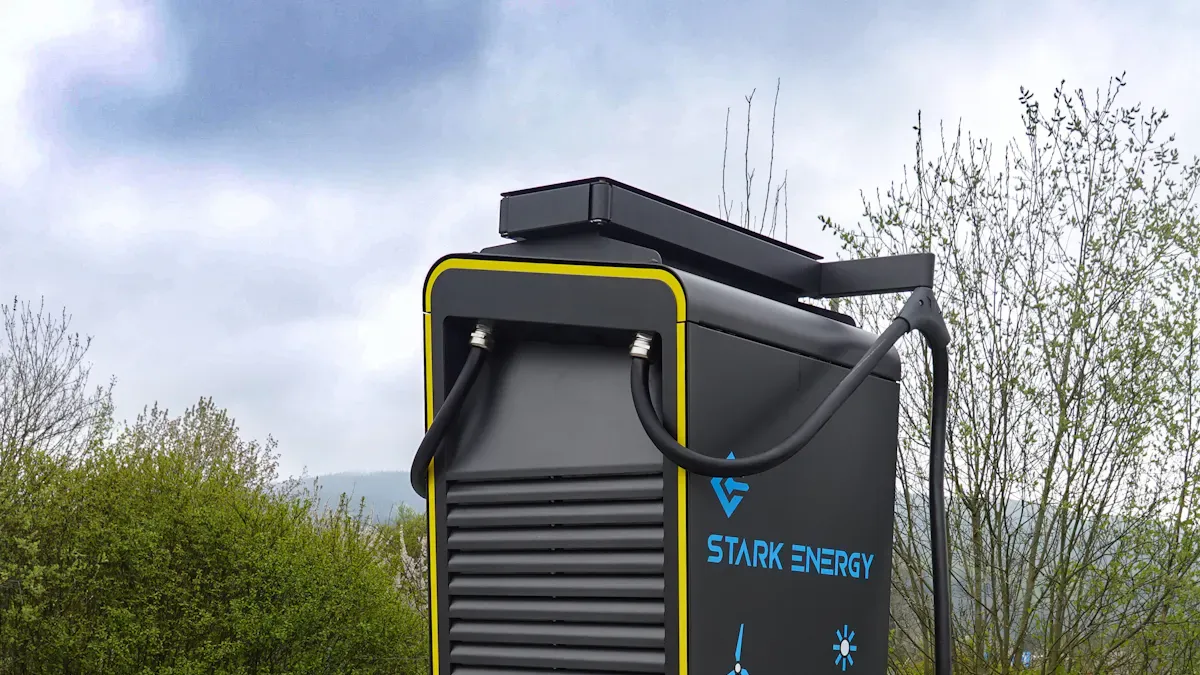
Many businesses face power grid challenges when considering charging stations in Colombia. Grid infrastructure often does not support high-capacity electric vehicle charging stations, especially in older urban centers and rural locations. Lengthy permitting procedures and inconsistent regulations slow installation. Frequent charger downtime impacts charging reliability. Companies can overcome these barriers by seeking advanced حلول شحن السيارات الكهربائية, working with الشركات المصنعة لشاحن السيارة الكهربائية, and exploring شواحن السيارات الكهربائية المحمولة. A focus on strategic charging installation ensures long-term success for every شاحن السيارة الكهربائية deployment.
Identifying Key Power Grid Challenges
Limited Grid Capacity
Urban vs. Rural Grid Limitations
Urban areas in Colombia often experience aging infrastructure. Many city grids cannot handle the increased energy required by commercial charging stations. In contrast, rural regions face even greater power grid challenges. These locations may lack robust transmission lines or substations. Businesses in rural zones must address these gaps before installing equipment for electric vehicles.
Demand Growth and Peak Load Issues
The popularity of electric vehicles continues to rise. This trend places new demand on the grid. During peak hours, simultaneous charging can strain local infrastructure. Operators must consider how to balance energy needs with available supply. Failure to manage demand growth can lead to service interruptions and increased operational costs.
Grid Reliability and Stability Issues
Frequency and Voltage Fluctuations
Colombia’s grid sometimes suffers from unstable frequency and voltage. These fluctuations can damage sensitive charging equipment. They also reduce the efficiency of energy delivery. Reliable charging requires stable input. Operators must monitor these parameters to protect both infrastructure and users.
Outage Risks and Backup Needs
Power outages remain a concern in many regions. Unplanned interruptions disrupt charging and inconvenience customers. Businesses must plan for backup energy solutions. Options include battery storage or on-site generators. These measures ensure continuous service during grid failures.
Tip: Regular maintenance and monitoring can help identify instability early and prevent equipment damage.
Regulatory and Infrastructure Constraints
Permitting Delays and Bureaucracy
Regulatory processes in Colombia can slow project timelines. Permitting often involves multiple agencies and lengthy reviews. These delays create uncertainty for businesses investing in charging stations. Clear communication with authorities helps streamline approvals.
Infrastructure Gaps and Access Challenges
Some commercial sites lack direct access to high-capacity energy infrastructure. Extending service lines or upgrading transformers adds cost and complexity. Companies must assess site readiness before committing to installation. Early identification of infrastructure gaps reduces unexpected challenges during deployment.
Practical Solutions for Overcoming Power Grid Challenges
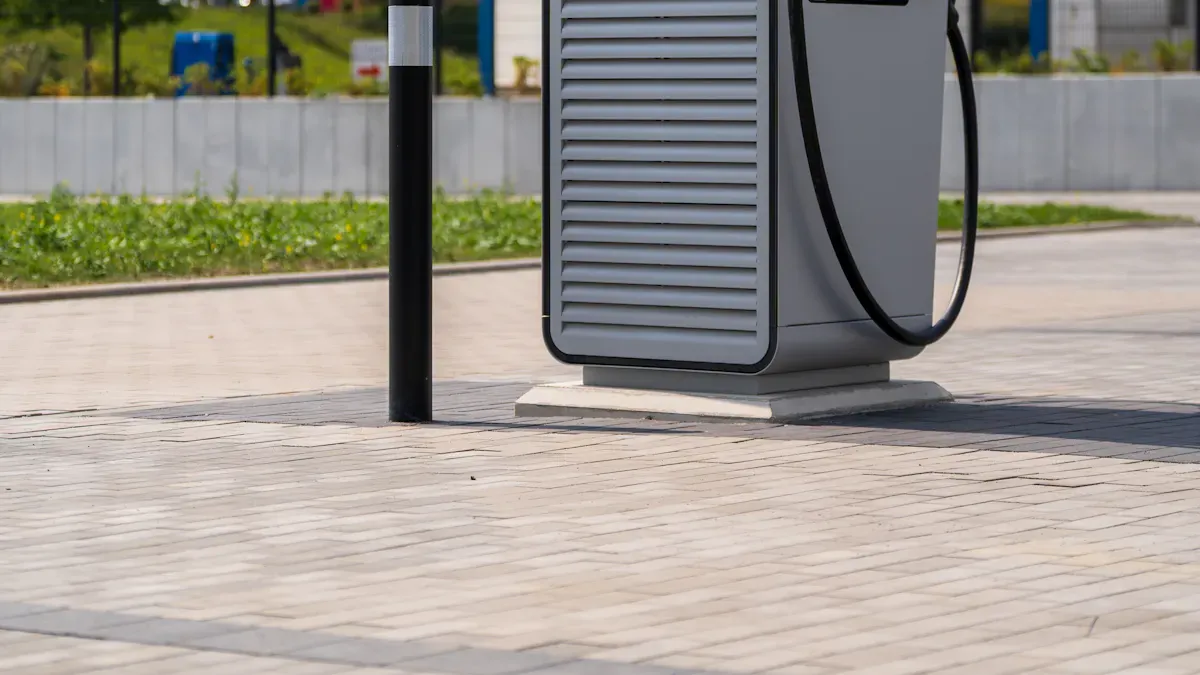
Commercial EV charging stations in Colombia require robust strategies to address power grid challenges. Businesses can ensure reliable operation and future-proof their investments by focusing on infrastructure upgrades, renewable energy integration, and advanced load management.
Upgrading Electrical Infrastructure
Transformer and Substation Enhancements
Many sites in Colombia need transformer and substation upgrades to support the high energy requirements of commercial charging stations. Upgrading these components increases capacity and improves voltage stability. Enhanced substations can handle the additional load from electric vehicles, reducing the risk of outages and equipment damage. TPSON recommends a phased approach, starting with a detailed site assessment to identify weak points in the existing infrastructure.
Distribution Network Improvements
Distribution networks often require modernization to support new charging stations. Upgrades may include installing higher-capacity cables, reinforcing feeder lines, and deploying advanced monitoring systems. These improvements help manage increased energy flow and minimize losses. The following table summarizes effective strategies for infrastructure upgrades:
| الاستراتيجية | الوصف |
|---|---|
| تكامل الطاقة المتجددة | Colombia’s Renewable Energy Integration Investment Plan aims to enhance solar and wind capacity, which is crucial for supporting EV charging infrastructure. |
| Electrified Public Transport | Integrated plans for electrified public transport and freight will support the uptake of EVs in urban and rural areas. |
| Agile Infrastructure | Charging infrastructure must be flexible to accommodate future expansions and technological advancements as EV adoption grows. |
Note: Early investment in agile infrastructure allows businesses to scale operations as demand for charging increases.
Integrating On-site Renewable Energy and Storage
Solar and Wind Power Integration
On-site renewable energy sources, such as solar panels and wind turbines, provide a sustainable solution for commercial charging stations. These systems generate clean energy, reducing reliance on the grid and lowering operational costs. Colombia’s climate offers significant potential for both solar and wind installations. Integrating renewables also aligns with national energy resilience goals.
Battery Storage for Peak Shaving
Battery storage systems play a vital role in managing energy supply and demand. By storing excess energy during periods of low demand and releasing it during peak times, batteries help stabilize the grid and reduce costs. The table below highlights the advantages of integrating on-site renewable energy and storage:
| الميزة | الوصف |
|---|---|
| استقلالية الطاقة | Full energy independence from the grid, allowing for self-sufficiency in energy supply. |
| Backup Power | Provides reliable backup power during outages, ensuring continuous operation of EV charging stations. |
| Efficient Energy Management | Enables energy time-shifting, storing energy when it’s cheap and using it during peak demand, thus lowering costs. |
Tip: Combining solar or wind generation with battery storage increases energy resilience and ensures uninterrupted charging service.
Implementing Smart Charging and Load Management Systems
موازنة التحميل الديناميكي
Smart charging systems use dynamic load balancing to distribute energy efficiently among multiple charging stations. These systems monitor real-time energy usage and adjust charging rates to prevent overloads. Integration of SCADA systems with IoT sensors enhances demand response capabilities, optimizing energy usage and improving grid stability. The following table outlines the benefits of dynamic load balancing:
| نوع الدليل | الوصف |
|---|---|
| Automated load balancing & control | Integration of SCADA systems with IoT sensors enhances demand response capabilities, optimizing energy usage. |
| Peak shaving & cost reductions | Load-balancing and advanced demand response algorithms significantly reduce operational costs, which can alleviate peak demand. |
| Dynamic tariff management | Flexible pricing modules encourage consumer engagement, potentially smoothing out demand spikes during peak times. |
Scheduling and Demand Response
Advanced scheduling tools allow operators to set charging times based on grid conditions and energy prices. Demand response programs incentivize users to charge during off-peak hours, reducing strain on the grid. TPSON’s smart charging solutions support automated scheduling and real-time adjustments, ensuring efficient energy management and cost savings.
Callout: Smart charging and load management systems not only address current challenges but also prepare businesses for future increases in electric vehicle adoption.
By combining infrastructure upgrades, renewable energy integration, and intelligent load management, businesses in Colombia can overcome power grid challenges and deliver reliable, scalable charging solutions.
Navigating Regulatory and Utility Collaboration for Power Grid Challenges
Working with Local Utilities
Utility Partnership Models
Businesses in Colombia must work closely with local utilities to address power grid challenges during commercial EV charging station installation. Utility partnership models provide a foundation for successful projects. These models often include joint planning sessions, shared investment in infrastructure, and coordinated demand management. Utilities can offer managed charging programs that balance EV loads during peak demand. This approach helps maintain grid stability and reduces operational risks.
A trusted EV-solutions provider supports the evaluation stage. They help businesses understand on-site power capacity and make informed strategic decisions. Companies benefit from enlisting experienced partners who can navigate power availability issues and forecast future demand. The following list highlights best practices for collaborating with local utilities:
- Assess on-site power capacity early in the planning process.
- Engage an experienced EV partner for effective project management.
- Include future demand forecasting in all discussions.
- Participate in utility-led managed charging programs.
Tip: Early engagement with utilities can uncover potential obstacles and streamline the connection process.
Grid Connection Agreements
Securing a grid connection agreement is a critical step for any commercial EV charging station project. These agreements outline the technical requirements, timelines, and responsibilities for both the business and the utility. Clear communication ensures that all parties understand the scope of work and the expected outcomes. Businesses should review all terms carefully and seek clarification on any technical details. A well-structured agreement reduces delays and prevents misunderstandings during installation.
Understanding Permitting and Compliance Requirements
Environmental and Safety Standards
Compliance with environmental and safety standards protects both people and infrastructure. Colombian regulations require businesses to follow strict guidelines for electrical installations, waste management, and emissions control. Companies must conduct environmental impact assessments before starting construction. Safety protocols include proper grounding, surge protection, and emergency shut-off systems. Adhering to these standards minimizes risks and ensures long-term reliability.
Local and National Regulatory Bodies
العديد من regulatory bodies oversee EV charging station projects in Colombia. Local authorities handle zoning, construction permits, and utility coordination. National agencies set technical standards and monitor compliance with energy policies. Businesses must stay informed about changing regulations and maintain open communication with all relevant agencies. The table below summarizes key regulatory bodies and their roles:
| Regulatory Body | Main Responsibility |
|---|---|
| Local Municipalities | Permitting, zoning, inspections |
| Ministry of Mines and Energy | National energy policy, standards |
| Environmental Agencies | Impact assessments, compliance |
Note: Staying proactive with regulatory updates helps businesses avoid costly delays and ensures smooth project execution.
Case Studies and Success Stories Addressing Power Grid Challenges
Real-world Examples from Colombia
Urban Commercial Installations
Major cities in Colombia have seen rapid growth in electric vehicle adoption. In Bogotá, a leading retail chain installed a network of charging stations at several shopping centers. The company faced significant challenges due to limited grid capacity and frequent voltage fluctuations. They worked closely with local utilities to upgrade transformers and install advanced monitoring systems. The project team also integrated solar panels on parking lot rooftops. This approach reduced dependence on the grid and improved energy resilience. As a result, the stations maintained high uptime and customer satisfaction increased.
Another example comes from Medellín, where a logistics company deployed fast chargers at its distribution hubs. The company encountered delays during the permitting process. They addressed these issues by engaging with municipal authorities early and providing detailed technical documentation. The project finished on schedule and now supports a growing fleet of electric delivery vehicles.
Rural and Regional Projects
In rural Santander, a hotel group wanted to attract eco-conscious travelers. The group installed charging stations powered by a combination of wind turbines and battery storage. The remote location lacked robust grid infrastructure. The project team partnered with local engineers to design a microgrid that could operate independently during outages. This solution ensured reliable charging for guests and demonstrated the potential for sustainable tourism.
A regional bus operator in the Coffee Axis region faced similar obstacles. The operator needed to electrify its fleet but found the local grid insufficient. The company invested in distribution network upgrades and collaborated with the utility to implement smart load management. The new system balanced charging schedules and reduced peak demand. The buses now operate efficiently, and the project serves as a model for other rural transport providers.
Lessons Learned and Best Practices
Effective Collaboration Approaches
Successful projects in Colombia highlight the importance of early and ongoing collaboration. Teams that involved utilities, regulators, and local stakeholders from the start navigated regulatory hurdles more efficiently. Regular meetings and transparent communication helped resolve technical and administrative issues. Many companies also benefited from forming partnerships with experienced EV infrastructure providers.
Technical Innovations
Technical innovation played a key role in overcoming power grid challenges. The use of on-site renewables, battery storage, and smart charging software allowed operators to optimize energy use and reduce costs. Table 1 summarizes best practices observed in these projects:
| أفضل الممارسات | التأثير |
|---|---|
| On-site renewables | Increased energy resilience |
| Smart load management | Lower operational costs |
| Early utility engagement | Faster project approvals |
| Modular infrastructure | Easier future expansion |
Note: These case studies show that a strategic approach can turn obstacles into opportunities for growth and sustainability.
Actionable Steps for Business Owners Facing Power Grid Challenges
Assessing Site and Grid Readiness
Conducting Power Audits
Business owners must begin with a comprehensive power audit. This process identifies the current capacity of the site and highlights any limitations in the grid. A power audit evaluates the existing electrical infrastructure, including transformers, wiring, and main panels. The results help determine if the site can support commercial charging stations for electric vehicles. TPSON recommends using certified professionals to ensure accurate assessments and to avoid unexpected costs during installation.
Evaluating Expansion Potential
After the initial audit, companies should consider future growth. Evaluating expansion potential involves analyzing projected increases in energy demand and planning for additional charging stations. Owners must review available space, electrical room, and the possibility of integrating renewable energy sources. This forward-thinking approach supports energy resilience and prepares the business for rising adoption of electric vehicles.
Building a Project Team
Engaging Technical Experts
A successful project requires a team of skilled professionals. Technical experts bring specialized knowledge in energy systems, grid integration, and charging technology. Their expertise ensures that the installation meets safety standards and operates efficiently. TPSON provides access to advanced engineering support, which helps businesses optimize energy use and achieve cost savings.
Partnering with Local Stakeholders
Collaboration with local stakeholders increases the likelihood of project success. Key actions include:
- Understanding stakeholder requirements to align project goals.
- Securing buy-in from senior leadership to drive progress.
- Working with EV charging partners to enhance communication and streamline implementation.
These partnerships foster trust and facilitate smoother interactions with regulatory bodies and utilities.
Planning for Future Growth
Scalable Infrastructure Design
Scalable infrastructure allows businesses to adapt to changing energy needs. Modular charging systems make it easy to add new stations as demand increases. Owners should select equipment that supports upgrades without major disruptions. This strategy reduces long-term costs and supports continuous service.
Monitoring and Maintenance Strategies
Ongoing monitoring and maintenance protect the investment and ensure reliable operation. Advanced monitoring tools track energy consumption, detect faults, and provide real-time alerts. Regular maintenance extends equipment life and prevents costly downtime. TPSON offers smart management platforms that simplify these tasks and contribute to overall energy resilience.
Tip: Proactive planning and expert collaboration help businesses overcome grid challenges and maximize the benefits of commercial EV charging stations.
Emerging Trends and Future Outlook for Power Grid Challenges
Advancements in Grid Technology
تكامل الشبكة الذكية
Smart grid integration is transforming how commercial EV charging stations interact with Colombia’s power infrastructure. These advanced grids use digital communication and automation to monitor and manage energy flow in real time. Operators can balance supply and demand more efficiently, which reduces the risk of overloads and outages. Smart grids also enable two-way communication between charging stations and utilities. This feature allows for dynamic adjustments based on grid conditions, supporting both reliability and flexibility. As more businesses adopt smart grid solutions, they see improvements in energy management and overall system performance.
AI and Predictive Analytics
Artificial intelligence and predictive analytics are driving innovation in energy systems. These technologies analyze large volumes of data from charging stations, weather forecasts, and grid sensors. By predicting energy demand and identifying potential faults, AI helps operators optimize charging schedules and maintenance routines. Predictive analytics also support cost savings by reducing downtime and extending equipment life. Companies that leverage these tools can respond quickly to changes in energy usage patterns, which strengthens their resilience during the energy transition.
Policy Developments in Colombia
Incentives for EV Infrastructure
Colombia’s government has introduced several policies and incentives to accelerate the deployment of commercial EV charging stations. These measures aim to support the country’s energy transition and promote sustainable transport. The table below summarizes key strategies and commitments:
| Policy/Strategy | الوصف |
|---|---|
| National Strategy for Sustainable Transport (ENTS) | Guides Colombia’s green transport efforts with long-term goals for fleet electrification and modal shifts. |
| National Electric Mobility Strategy | Adopted in 2022, focuses on promoting electric mobility in the country. |
| Law 1964 (2019) | Mandates that 100% of public bus fleets in major cities be electric by 2035. |
| Zero-Emission Vehicle (ZEV) Declaration | Colombia committed to ending sales of fossil-fuel vehicles by 2035 as of 2024. |
| الاستثمار في البنية التحتية لشحن السيارات الكهربائية | Ongoing government investment to support the development of EV charging stations. |
These initiatives encourage private investment and provide a clear framework for expanding charging networks. Businesses benefit from reduced regulatory uncertainty and increased access to funding for energy projects.
Upcoming Regulatory Changes
Regulatory changes continue to shape the future of commercial EV charging in Colombia. Authorities plan to update technical standards for energy infrastructure and streamline permitting processes. New guidelines will prioritize grid stability and environmental protection. Companies must stay informed about these changes to maintain compliance and take advantage of emerging opportunities. Early adaptation to new regulations ensures that businesses remain competitive as the market evolves.
Note: Staying ahead of technological and policy trends positions companies for long-term success in Colombia’s growing EV sector.
Businesses in Colombia can overcome power grid challenges by taking strategic actions. They should:
- Upgrade infrastructure and integrate renewables.
- Implement smart charging and load management.
- Collaborate with utilities and comply with regulations.
Success depends on innovation, teamwork, and staying informed about policy changes. Companies that follow these steps will build reliable, scalable EV charging networks and support Colombia’s transition to sustainable transport.
الأسئلة الشائعة
What are the main infrastructure challenges for commercial EV charging stations in Colombia?
Many sites lack modern infrastructure. Businesses often encounter outdated transformers, limited grid capacity, and insufficient wiring. Upgrading infrastructure remains essential for reliable charging station operation.
How can businesses future-proof their charging infrastructure investments?
Companies should select scalable infrastructure. Modular systems allow easy expansion. Planning for future demand ensures that infrastructure supports growth as electric vehicle adoption increases.
Why is collaboration with utilities important for EV charging infrastructure?
Utilities help assess site readiness and manage grid connections. They provide technical guidance for infrastructure upgrades. Effective collaboration ensures that infrastructure meets safety and reliability standards.
What role do renewable energy sources play in charging station infrastructure?
Solar and wind power reduce dependence on the grid. Integrating renewables into infrastructure supports energy resilience. Battery storage systems help manage peak demand and provide backup during outages.
How do smart charging systems improve infrastructure efficiency?
Smart charging systems balance loads across infrastructure. They prevent overloads and optimize energy use. These systems also support demand response programs, which help stabilize infrastructure during peak periods.
What steps should businesses take before installing charging infrastructure?
A power audit identifies existing infrastructure capacity. Companies should evaluate expansion potential and engage technical experts. Early planning helps avoid costly infrastructure upgrades later.
Are there government incentives for upgrading charging infrastructure in Colombia?
The government offers incentives for infrastructure development. Policies encourage investment in charging infrastructure and support the growth of electric vehicle networks.
How do charging infrastructure upgrades benefit local communities?
Upgraded infrastructure improves energy reliability. It supports cleaner transportation and attracts new business. Enhanced infrastructure also strengthens local networks and creates opportunities for economic growth.