Is it better to trickle charge an EV? Yes, trickle charge often benefits battery health, especially when drivers prioritize longevity over speed. Many الشركات المصنعة لشاحن السيارة الكهربائية recommend slow charging for routine use, as it minimizes heat and stress on battery cells. Drivers seeking reliable حلول شحن السيارات الكهربائية can use شواحن السيارات الكهربائية المحمولة with standard outlets. This approach suits those who value convenience and want to protect their investment.
Tip: Consider your driving habits before choosing an شاحن السيارة الكهربائية for daily use.
What Does It Mean to Trickle Charge Your EV?
Definition of Trickle Charge for Electric Car Charging
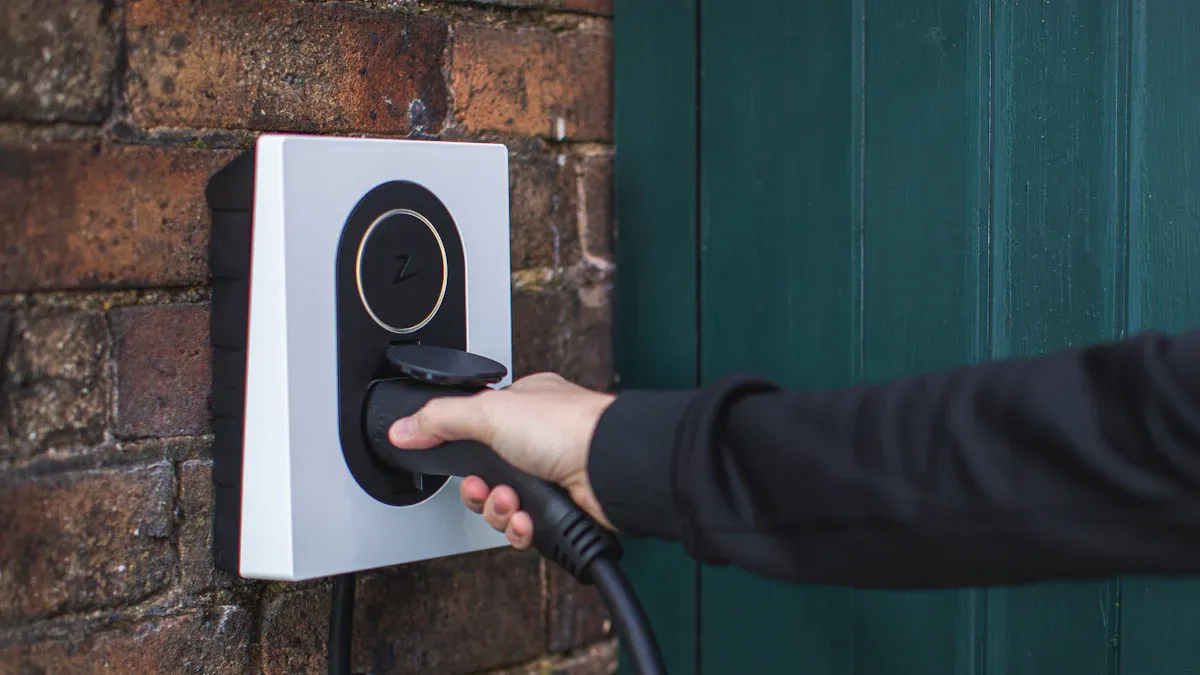
Trickle charging refers to the slowest method of replenishing an EV battery. This approach uses a standard household outlet, often a 220v three-pin plug, to deliver a low power output. Many drivers call these chargers “granny chargers” because of their simplicity and accessibility. The process typically involves alternating current (AC) chargers operating at around 3.7kW or less.
- A trickle charger connects to a standard 220v 3-pin plug.
- It can provide 8-10 miles of range per hour, making it less practical for long-distance driving.
- Trickle chargers, also known as ‘granny’ chargers, are AC chargers operating at 3.7kW.
- They typically use a three-pin plug and can take 12 hours or more to charge a battery.
- Trickle charging allows charging from a standard 3-pin plug, delivering 3kW of power.
- It is slower than home charge points, providing up to 15 miles of range per hour.
- Trickle charging utilizes a Type 2 Mode 2 cable, with a maximum charging speed of 2.3kW.
- It can take approximately 22 hours to fully recharge a 50kWh battery from 0-100% state-of-charge (SoC).
This method suits drivers who have plenty of time to charge their vehicles, such as overnight at home or during extended parking periods.
How Trickle Charging Works When Charging an Electric Car
Trickle charging works by supplying a continuous, low-level current to the EV battery. The charger draws electricity from a regular household socket and transfers it to the vehicle through a compatible cable. The process generates minimal heat and places less stress on the battery cells. This gentle approach helps maintain battery health over time. Most EVs automatically manage the charging process, ensuring safety and efficiency. The slow pace of trickle charging means that a full charge may require 12 hours or more, depending on the battery size and the charger’s power output.
Note: Trickle charging is ideal for situations where the vehicle remains parked for long periods, such as overnight or during vacations.
Trickle Charge vs. Standard and Fast Electric Car Charging
The main differences between trickle charging, standard charging, and fast charging involve power output, charging time, and use case. يلخص الجدول أدناه these distinctions:
| نوع الشحن | ناتج الطاقة | وقت الشحن | حالة الاستخدام |
|---|---|---|---|
| Trickle Charging | 3kW | ~12 hours from empty | Best for overnight home charging |
| Standard Charging | 7 كيلو واط | Up to 6 times faster | Suitable for daily use and longer trips |
| الشحن السريع | 22 كيلو وات | ~3 hours from empty | Ideal for long trips, quick charging |
Trickle charging offers a convenient solution for drivers who do not need rapid charging. Standard and fast charging options serve those with higher daily mileage or time constraints. Each method plays a role in the broader landscape of electric car charging.
Pros of Trickle Charging Your EV
Battery Longevity and Health Benefits
Reduced Heat Generation During Charging Your EV
Trickle charging delivers a gentle current to the battery. This slow process generates less heat compared to rapid charging methods. Lower heat levels help prevent thermal stress, which can accelerate battery degradation. Scientific studies on 18650 battery cells show that trickle charging influences degradation mechanisms and can reduce performance loss over time. By keeping temperatures stable, drivers can extend the lifespan of their EV battery.
- Trickle charging is gentler and helps prolong battery life.
- Slow and steady charging preserves battery health. Level 2 chargers, which typically operate between 3.3 kW and 19.2 kW, reduce heat buildup compared to DC fast charging.
- Both MG and Geotab recommend prioritizing Level 2 (AC) charging for everyday use.
Lower Stress on EV Battery Cells
A slow charge places less stress on the battery cells. High-speed charging can cause rapid chemical reactions inside the battery, leading to faster wear. Trickle charging allows the battery to absorb energy gradually, which supports long-term health. Many manufacturers suggest using slower charging methods for routine charging an electric car. This approach helps maintain consistent performance and reliability.
Safety Advantages of Trickle Charging an Electric Car
Lower Risk of Overheating While Charging Your EV
Trickle charging reduces the risk of overheating. The low power output keeps the battery and charging system cool. Overheating can damage battery components and compromise safety. By choosing a slow charge, drivers minimize the chance of thermal incidents during charging.
Note: Trickle charging is especially safe for overnight charging at home, where vehicles remain unattended for long periods.
Minimal Electrical Load on Home Circuits
Charging an electric car with a trickle charger places minimal demand on household electrical circuits. Standard outlets can handle the low current without risk of overload. This safety advantage makes trickle charging accessible for most homes. Homeowners do not need to upgrade wiring or install special equipment to use this method.
Cost Savings with Trickle Charging Your EV
Lower Electricity Rates for Electric Car Charging
Trickle charging at home often takes advantage of off-peak electricity rates. Charging during these hours can save drivers significant money compared to public fast chargers. The following table compares typical rates for different charging types:
| نوع الشحن | Rate (p/kWh) | Comparison to Home Charging |
|---|---|---|
| Off-Peak Home Charging | 7 | 7-11 times cheaper |
| Standard Home Charging | 25 | 2-2.5 times cheaper |
| Public Slow/Fast Chargers | 53 | More expensive |
| Rapid/Ultra Rapid Chargers | 80 | Significantly more expensive |
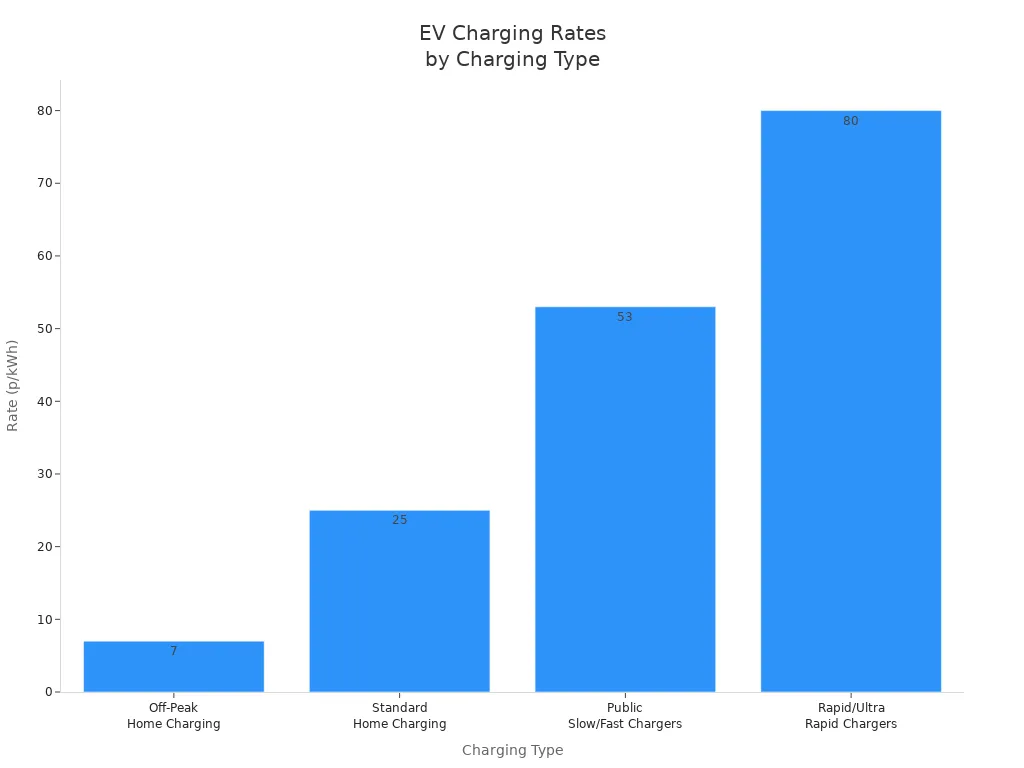
Drivers who use trickle charging at home can reduce their monthly expenses. Off-peak rates make charging an electric car more affordable than relying on public stations.
Avoiding Expensive Charging Equipment
Trickle charging uses standard household outlets and basic cables. Drivers do not need to invest in costly charging stations or upgrades. This simplicity lowers the initial setup cost for EV owners. Many people can start charging their electric car immediately after purchase, without waiting for installation or permits.
Tip: Trickle charging offers a practical solution for those who want to minimize upfront costs and ongoing expenses.
Simplicity and Accessibility in Charging Your EV
Trickle charging stands out for its straightforward approach. Many drivers appreciate the ability to charge their vehicles without complex setups or technical hurdles. This method offers a practical solution for those who want to start charging immediately after purchasing an electric vehicle.
Using Standard Outlets for Electric Car Charging
Most households already have the necessary infrastructure for trickle charging. Drivers can use a standard wall outlet to connect their vehicle, eliminating the need for specialized equipment. This accessibility means that almost anyone can charge their car at home, regardless of their living situation. Apartment dwellers and renters often find this option especially appealing, as they may not have permission to install dedicated charging stations.
- Standard outlets are available in nearly every home.
- No need for technical expertise to begin charging.
- Suitable for temporary or long-term parking situations.
Tip: Using a standard outlet allows drivers to charge their vehicle overnight, making it ready for daily use without extra effort.
No Need for Special Installations
Trickle charging removes the barriers associated with installing dedicated charging equipment. Many homeowners hesitate to invest in expensive installations or upgrades. The costs for installing a dedicated charger can range from $2,500 for slow chargers to as much as $35,800 for fast chargers. These high costs often discourage new EV owners from setting up advanced charging solutions at home.
The table below highlights common barriers to installing dedicated charging equipment:
| نوع الحاجز | الوصف |
|---|---|
| High Installation Costs | Installation costs range from $2,500 for slow chargers to $35,800 for fast chargers, making it expensive to set up. |
| Poor Charging Infrastructure | Difficulty in identifying suitable charging networks, especially in densely populated areas, affects confidence in EV ownership. |
| Vehicle-Grid Interoperability | Limited communication and agreements between grid operators and charging manufacturers hinder widespread adoption. |
By using existing outlets, drivers avoid these challenges. They do not need to coordinate with electricians, landlords, or utility companies. This simplicity makes trickle charging an attractive entry point for those new to electric vehicles.
Note: Trickle charging offers a reliable and accessible way to keep an EV ready for daily driving, without the need for costly or complicated installations.
Cons of Trickle Charging Your EV
Slow Charging Speed for Electric Car Charging
Long Charging Times When Charging an Electric Car
Trickle charging delivers a much slower rate of energy transfer compared to other methods. Most drivers notice that charging an electric car with a standard 3-pin plug or slow charger can take a significant amount of time. The following table highlights the average time required to fully charge an electric car using different slow charging methods:
| طريقة الشحن | Time Required |
|---|---|
| Standard 3-pin plug | Up to 20 hours |
| 2.4kW three-pin socket | Around 30 hours |
| Slow charger (trickle) | من 8 إلى 12 ساعة |
A full charge using a trickle charger may require an entire day, especially for vehicles with larger batteries. This extended charging time can create challenges for drivers who need their vehicles ready for use on short notice.
Inconvenience for Daily EV Use
Many drivers find that slow charging does not fit well with busy schedules. Those who rely on their electric car for daily commuting or frequent errands may struggle to keep the vehicle charged. The limited range added per hour means that even overnight charging may not provide enough energy for a full day’s driving. This inconvenience can lead to range anxiety and disrupt daily routines.
Practical Limitations of Trickle Charging Your EV
Not Suitable for High Daily Mileage
Trickle charging works best for drivers with low daily mileage. For those who travel long distances each day, this method cannot replenish the battery quickly enough. The following table compares the driving range added per hour by different charger types:
| نوع الشاحن | ناتج الطاقة | Driving Range per Hour |
|---|---|---|
| Level 1 (Trickle) | 1.4 kW | 4-5 miles |
| المستوى 2 | 6.2 – 7.6 kW | 32 ميلاً |
| الشحن السريع بالتيار المستمر | Up to 50 kW | Quick boost |
A trickle charger adds only 4 to 5 miles of range per hour. Drivers who need to cover 100 miles or more in a day will find this method impractical. They may need to seek faster charging options to meet their transportation needs.
May Not Fully Charge Large EV Batteries Overnight
Modern EVs often come equipped with large battery packs. Trickle charging may not fully recharge these batteries overnight, especially if the vehicle was nearly empty at the start. Drivers who park their vehicles in the evening and expect a full charge by morning may feel disappointed. This limitation can affect those who depend on their EV for early morning commutes or long trips.
Potential Drawbacks of Trickle Charging an Electric Car
Standby Power Losses During Charging Your EV
Trickle charging sessions often last many hours. During this time, the system may experience standby power losses. These losses occur when the charger and vehicle electronics consume electricity even when the battery is nearly full. Over time, these small losses can add up, reducing overall charging efficiency.
Possible Impact on Battery Management Systems
Prolonged trickle charging can negatively affect the battery management system in some vehicles. Several issues may arise:
- Sustaining a full charge for a long time may cause the battery to decrease quicker over time.
- Prolonged trickle charging can lead to faster degradation of electric vehicle batteries.
- Keeping the battery at full capacity for extended periods can negatively impact its lifespan.
- If left plugged in for over 8 hours after being fully charged, the battery may degrade slightly faster.
These risks highlight the importance of monitoring charging habits. Drivers should avoid leaving their EV plugged in for extended periods after reaching a full charge. Proper use of scheduled charging features can help protect the battery and extend its useful life.
When Is Trickle Charging Your EV the Best Choice?
Ideal Scenarios for Trickle Charging an Electric Car
Low Daily Driving Needs for Your EV
Drivers who travel short distances each day often find trickle charging the most practical solution. When an electric car covers only a few miles daily, a slow charge from a standard outlet easily meets energy needs. This method works well for those who do not require a full battery every morning. Many owners simply leave their vehicle plugged in overnight, ensuring it is ready for the next day without the need for a home charging station upgrade.
Extended Parking Periods for Electric Car Charging
Trickle charging becomes especially valuable during long-term parking. Owners who store their EV for weeks or months, such as during vacations or seasonal use, benefit from this approach. The battery remains at a healthy charge level, preventing deep discharge and sulfation. The table below highlights key benefits of trickle charging in these scenarios:
| المزايا | الوصف |
|---|---|
| Extended Battery Life | Maintains a full charge without excessive current flow, supporting long-term battery health. |
| Convenience for Infrequent Use | Keeps the battery ready after long periods of inactivity. |
| Prevention of Sulfation | Reduces the risk of lead sulfate crystal formation in lead-acid batteries. |
| Safe Charging Method | Modern chargers offer automatic shut-off and temperature monitoring for added safety. |
Home Charging Your EV Situations
No Access to Faster Electric Car Charging
Some drivers lack access to a dedicated home charging station or public fast chargers. In these cases, trickle charging offers a reliable alternative. Standard outlets are available in most homes and apartments, making it possible to keep an electric car charged without special installations. This method suits those who cannot install new equipment due to rental agreements or building restrictions.
Apartment or Shared Parking for Charging an Electric Car
Apartment dwellers and those with shared parking often face challenges with charging infrastructure. Trickle charging provides a simple solution. Residents can use existing outlets to maintain their EV’s battery, even when faster options are unavailable. This approach ensures that the vehicle remains ready for daily use, despite limited charging resources.
Battery Maintenance with Trickle Charging Your EV
Preventing Deep Discharge in Your EV
Trickle charging helps prevent deep discharge, which can damage the battery. Owners should follow these steps for best results:
- Choose a charger with automatic shut-off to avoid overcharging.
- Clean battery terminals for good contact.
- Attach clamps securely to the correct terminals.
- Set the charging rate based on battery type and voltage.
- Monitor for overheating or damage during charging.
- Unplug the charger once the battery reaches full charge.
This routine keeps the battery healthy and extends its lifespan.
Maintaining Battery Health During Storage
Long-term storage can harm an EV battery if not managed properly. Trickle charging maintains a steady charge, reducing the risk of deep discharge and sulfation. Owners should check the battery regularly and keep the charge above 50%. Modern trickle chargers prevent overcharging by supplying a low-voltage current, which preserves battery health during storage. Many drivers ask, “Can I leave my ev plugged in?” The answer is yes, as long as the charger includes safety features and the vehicle is not left plugged in overnight for weeks without monitoring.
Tip: Use a battery maintainer during infrequent use to keep your electric car ready for the road.
When Is Faster Electric Car Charging Better Than Trickle Charge?
High Daily Mileage and Charging Your EV
Commuters and Frequent Drivers of Electric Cars
Drivers who cover significant distances each day require efficient charging solutions. الشحن السريع stations have become more accessible, with the global network expanding from 200,000 in 2016 to over 3 million by 2025. Charging speeds have also improved, with modern stations delivering up to 350 kW and reducing charging times to as little as 15 minutes. These advancements allow commuters and frequent drivers to maintain their schedules without waiting hours for a full charge. Fast charging supports daily routines and minimizes downtime for those who rely on their electric car for work or travel.
Road Trips and Long-Distance Electric Car Charging
Long road trips demand greater battery range and access to rapid charging infrastructure. The table below highlights the differences in charging needs based on driving patterns:
| نمط القيادة | Charging Needs |
|---|---|
| Long Road Trips | Require greater battery range and access to fast charging infrastructure. |
| Short Commutes | Can rely on home charging solutions that are slower but sufficient for daily needs. |
Travelers benefit from fast charging stations along highways and major routes. These stations enable drivers to recharge quickly and continue their journey with minimal interruption.
Time Constraints and Charging Your EV
Need for Quick Turnaround When Charging an Electric Car
Busy schedules often leave little time for extended charging sessions. Fast chargers can add 100 miles of range in less than 10 minutes, while trickle charging may take hours or even days. The following table compares the time required to add 100 miles of range:
| نوع الشحن | حان الوقت لإضافة 100 ميل | ناتج الطاقة |
|---|---|---|
| الشحن السريع | Less than 10 minutes | 150kW – 350kW |
| Trickle Charging | Hours to Days | Up to 3kW |
Drivers who need their EV ready for immediate use benefit from the speed and convenience of fast charging.
Multiple Drivers or Shared EVs
Shared vehicles and multiple drivers create additional demand for efficient charging. Studies show that charging peaks occur in the evening, highlighting the need for intelligent charging strategies. Charger sharing apps facilitate convenient arrangements, allowing users to rent out chargers and earn income. This system benefits those without dedicated infrastructure and supports flexible access for all users.
Battery Management and Manufacturer Recommendations for Charging Your EV
Balancing Occasional Fast Charging with Trickle Charge
Manufacturers recommend balancing fast charging with slower methods to maintain battery health. Regular charging keeps the battery topped up, while limiting fast charging prevents heat damage. Owners should avoid deep discharges and overcharging to prolong battery life.
Following EV Manufacturer Guidelines
Warranty coverage often depends on adherence to recommended charging practices. Most warranties last 8 to 10 years and require proper charging habits. Manufacturers advise charging between 20% and 80% and using fast charging sparingly. Following these guidelines ensures optimal performance and protects the investment in an electric car.
Practical Tips for Charging Your EV
Choosing the Right Electric Car Charging Method
Assessing Your EV Driving Habits
Drivers should evaluate their daily travel distance and frequency before selecting a charging method. Those who use their electric car for short commutes or infrequent trips often benefit from slower, overnight charging at home. Individuals with higher mileage or unpredictable schedules may require faster charging options to ensure their vehicle remains ready for use. The type of charger available also plays a crucial role. AC chargers, commonly found in residential settings, provide slower charging rates ideal for routine charging. DC chargers, typically located at dedicated stations, deliver rapid charging for quick top-ups during travel. Battery size and environmental conditions further influence charging efficiency and speed, making it important to match the charging method to individual needs.
Evaluating Home Charging Your EV Options
Homeowners should review available infrastructure before installing a charging solution. Standard outlets support trickle charging, which suits those with low daily mileage. For greater convenience, installing a dedicated charging station can reduce charging time and improve flexibility. TPSON offers technologically advanced solutions that integrate seamlessly with existing home setups, supporting both slow and fast charging requirements. Apartment dwellers or those with shared parking may rely on portable chargers compatible with standard outlets, ensuring accessibility without major installations.
Maximizing EV Battery Health with Charging Habits
Avoiding Extreme Charging Patterns for Your EV
Maintaining battery health requires consistent and moderate charging habits. Drivers should avoid frequent deep discharges and rapid charging cycles, as these can shorten the lifespan of the battery. The effects of prolonged full charge can include accelerated degradation, especially if the vehicle remains plugged in after reaching full capacity. Following best practices of ev charging, such as unplugging once fully charged and avoiding keeping the battery at 100% for extended periods, helps preserve long-term performance.
Using Scheduled Charging Features for Electric Car Charging
Modern electric vehicles often include scheduled charging features. These allow drivers to set charging times that align with off-peak electricity rates, reducing costs and minimizing stress on the battery. Scheduled charging also prevents the vehicle from remaining at full charge for too long, mitigating negative effects on battery health. TPSON’s advanced charging solutions support intelligent scheduling, enabling users to optimize charging sessions for both convenience and longevity.
Cost and Convenience Factors in Charging Your EV
Calculating Electricity Costs for Electric Car Charging
Charging at home typically costs around £0.30 per kWh, while public charging can range from £0.40 to £0.70 per kWh, depending on the type of charger used.
| طريقة الشحن | التكلفة لكل كيلووات/ساعة | Total Cost for 60 kWh |
|---|---|---|
| الشحن المنزلي | £0.30 | £18.00 |
| Public Slow Charging | £0.40 | £24.00 |
| Public Rapid Charging | £0.70 | £42.00 |
Electricity rates vary by region and time of use, impacting the overall cost of charging. Home charging remains more convenient and cost-effective compared to public options. Understanding these costs helps drivers budget effectively for powering your electric car.
التخطيط للاحتياجات المستقبلية لشحن السيارات الكهربائية
Drivers should anticipate changes in driving habits and technology advancements. As battery capacities increase and charging infrastructure evolves, selecting scalable solutions becomes essential. TPSON provides flexible charging systems that adapt to future requirements, ensuring reliable performance and cost savings over time. Regularly reviewing charging patterns and updating equipment supports optimal vehicle operation and extends the lifespan of the battery.
Trickle charging often benefits EV battery health and suits drivers with low daily mileage. Key advantages include lower costs, improved safety, and simple setup. However, slow charging speed and limited practicality for frequent drivers remain drawbacks. For most users, slow charging works best for overnight or long-term parking. Fast charging fits those with high mileage or time constraints. Drivers should evaluate their routines and select a charging method that aligns with their lifestyle and vehicle needs.
Tip: Matching charging habits to driving patterns helps maximize EV performance and battery life.
الأسئلة الشائعة
What is the safest way to trickle charge an EV at home?
Owners should use a manufacturer-approved charger and connect it to a standard outlet. They must check cables for damage and avoid extension cords. Charging in a dry, ventilated area reduces fire risk.
Can trickle charging damage an EV battery?
Trickle charging rarely harms the battery. Most EVs include battery management systems that prevent overcharging. Owners should unplug the vehicle once fully charged to maintain battery health.
How long does it take to fully charge an EV with a trickle charger?
Charging times depend on battery size. A typical 50 kWh battery may require 20 to 22 hours for a full charge using a standard 3-pin plug.
Is trickle charging suitable for daily commuting?
Trickle charging suits drivers with short daily commutes. Those who drive long distances each day may need faster charging options to avoid running out of range.
Do all EVs support trickle charging?
Most electric vehicles support trickle charging through a standard outlet. Owners should check the vehicle manual for compatibility and recommended charging methods.
What are the main benefits of trickle charging?
- أقل charging costs
- Improved battery longevity
- Simple setup
- تقليل خطر ارتفاع درجة الحرارة الزائدة
Should owners leave their EV plugged in after it reaches full charge?
Manufacturers advise unplugging the vehicle once charging completes. Leaving it plugged in for extended periods may accelerate battery degradation.