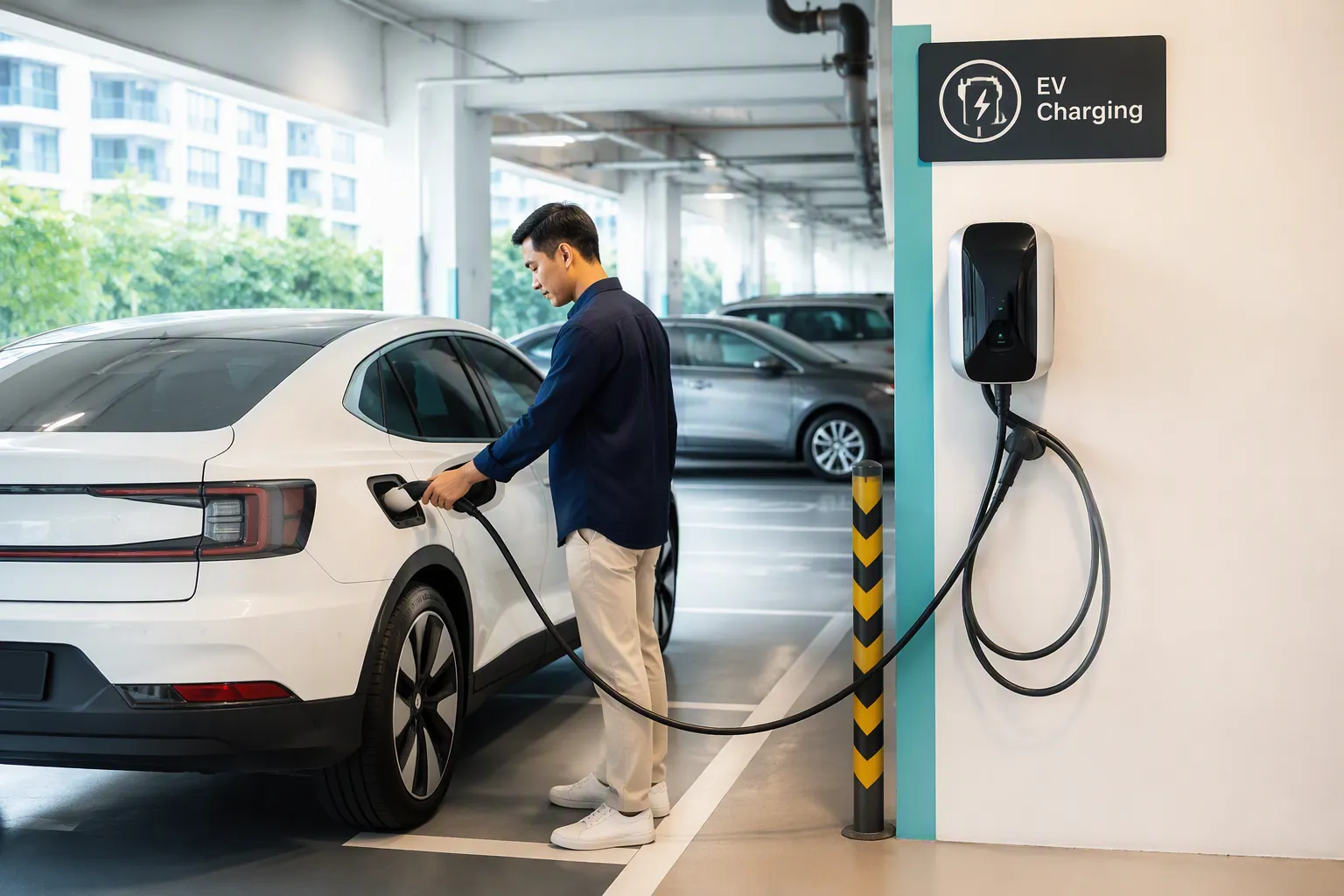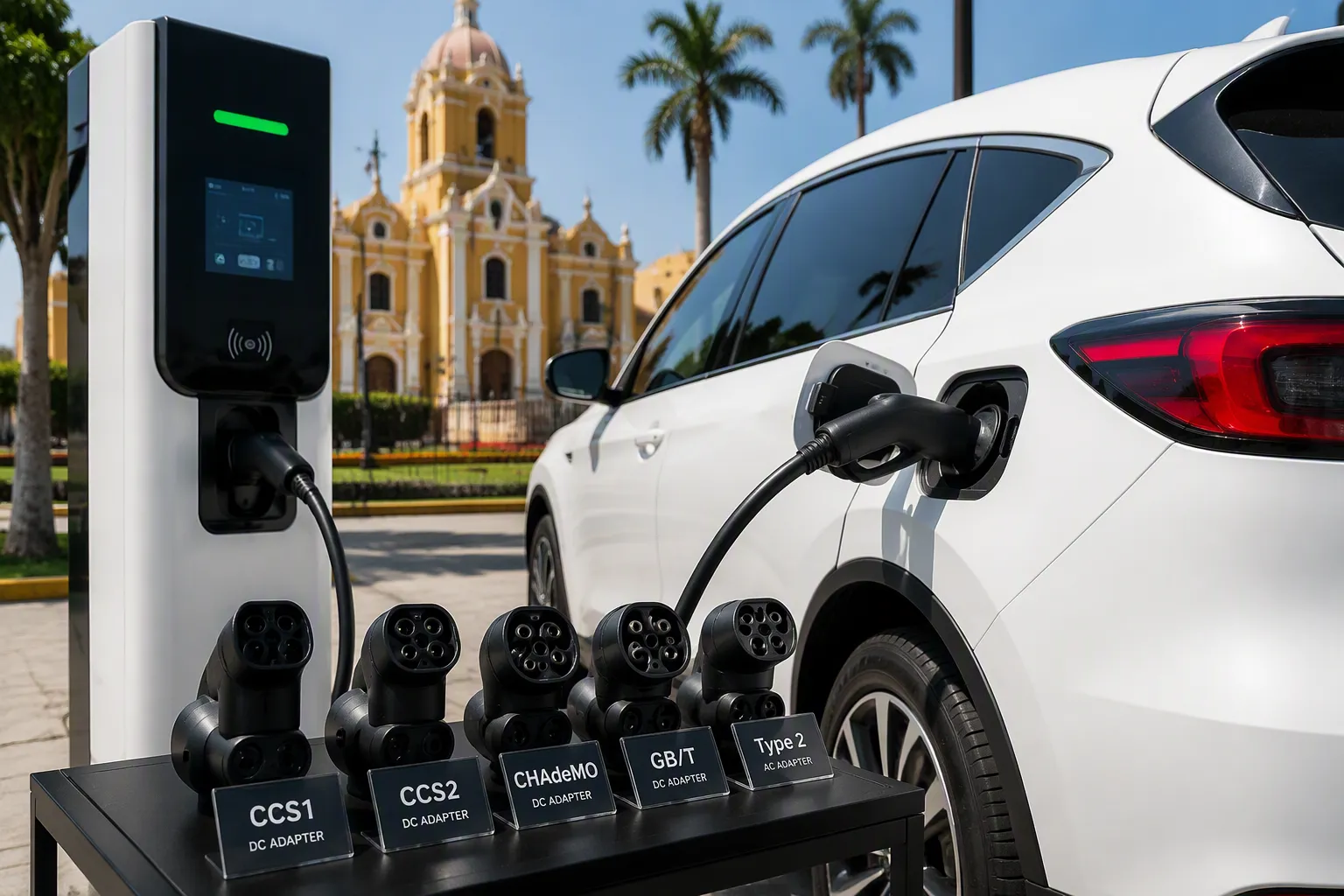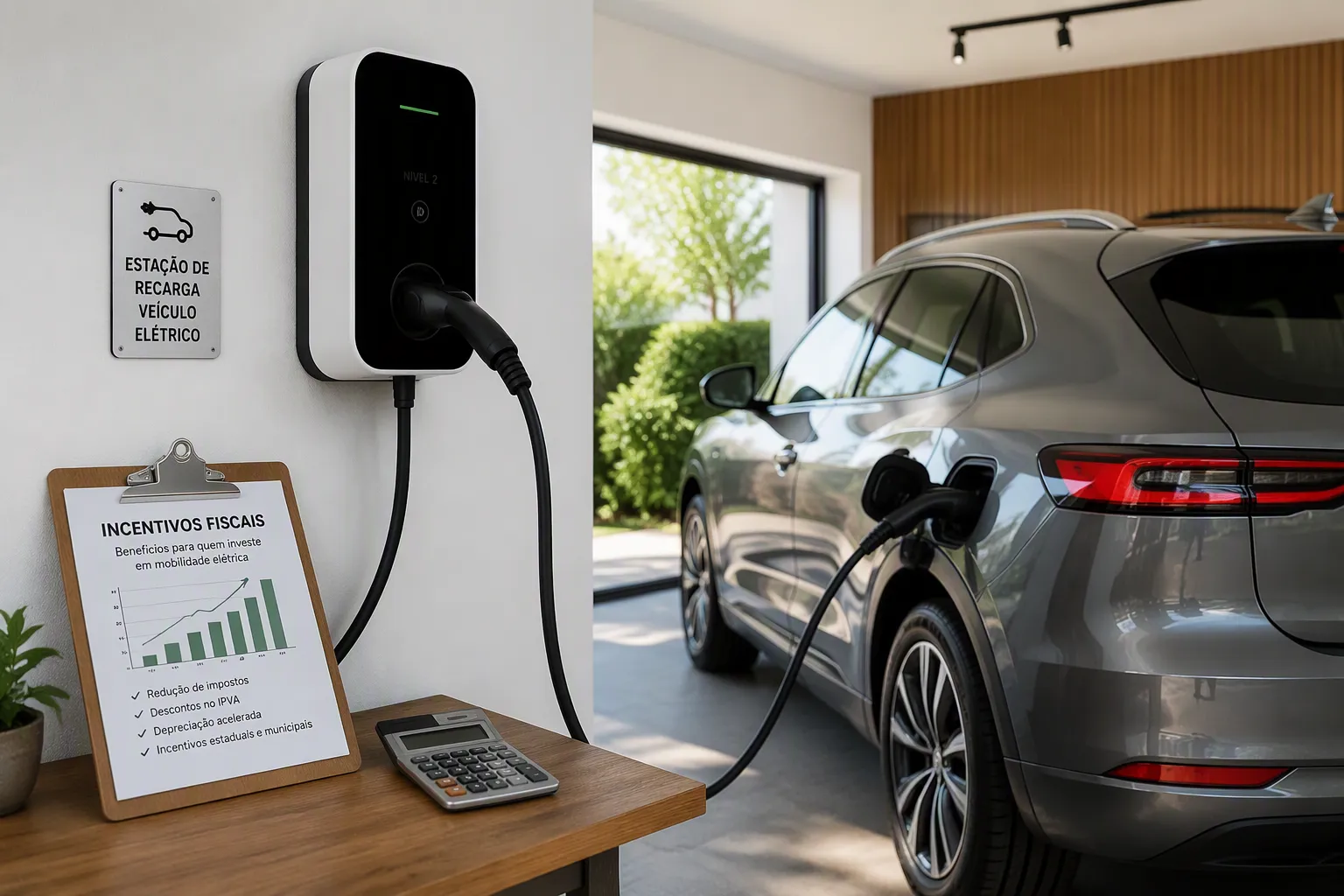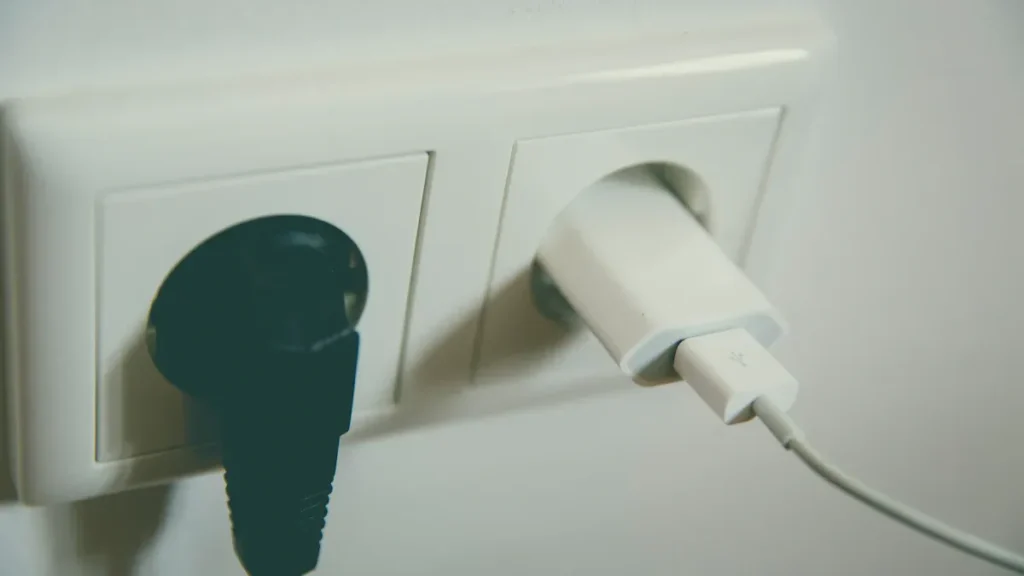
يمكن أن يكون شحن سيارة كهربائية (EV) باستخدام قابس ثلاثي المسامير أعلى تكلفة قليلاً لكل عملية شحن. تنتج التكلفة المتزايدة للشحن عن كفاءة شحن أقل، وليس عن أسعار كهرباء أعلى. تعني هذه عدم الكفاءة أن المزيد من الطاقة يضيع أثناء الشحن الأطول. بالنسبة لمعظم السائقين الذين يشحنون طرازات السيارات الكهربائية بهذه الطريقة، فإن الفرق المالي ضئيل. ومع ذلك، يمكن لعوامل أخرى أن تؤثر على التكلفة الإجمالية.
ملاحظة: بينما توفر أجهزة الشحن المتطورة الشركات المصنعة لشاحن السيارة الكهربائية أداءً متقدماً حلول شحن السيارات الكهربائية, ، فإن المقابس الثلاثية المسامير القياسية، الشائعة مع شواحن السيارات الكهربائية المحمولة, ، لديها ملف كفاءة متميز يؤثر على التكلفة النهائية. يعتبر جهاز الشحن المرفق شاحن السيارة الكهربائية نقطة بداية أساسية ولكنها وظيفية.
فهم أساسيات تكلفة شحن السيارات الكهربائية
لفهم سبب احتمالية زيادة قابس ثلاثي المسامير للتكلفة تكاليف الشحن, ، يجب على المرء أولاً استيعاب المكونين الأساسيين للمعادلة: سعر الكهرباء وكفاءة عملية الشحن. التكلفة النهائية لشحن سيارة كهربائية هي نتاج مقدار الطاقة التي تحتاجها السيارة ومقدار تلك الطاقة الذي يضيع على طول الطريق.
كيفية حساب تكلفة الكهرباء
التكلفة الإجمالية للشحن ليست رسوماً ثابتة. إنها ترتبط مباشرة باستهلاكك المنزلي للكهرباء home electricity consumption وأسعار مزود الخدمة الخاص بك.
شرح كيلوواط/ساعة (ك.و.س)
فكر في كيلوواط/ساعة (ك.و.س) على أنها المكافئ الكهربائي لجالون من البنزين. إنها وحدة للطاقة. إذا كانت السيارة الكهربائية تحتوي على بطارية سعتها 60 ك.و.س، فإنها تتطلب 60 ك.و.س من الطاقة للشحن من فارغة إلى ممتلئة. يقيس فاتورة الكهرباء إجمالي استهلاك منزلك للطاقة بوحدة ك.و.س، ويضيف شحن سيارة كهربائية في المنزل ببساطة إلى هذا الإجمالي.
سعر الخدمة الخاص بك
سعر الخدمة الخاص بك هو المبلغ الذي تدفعه مقابل كل كيلوواط/ساعة من الكهرباء. يمكن أن يختلف هذا السعر بشكل كبير بناءً على موقعك وحتى وقت اليوم. يتم حساب تكلفة شحن سيارتك الكهربائية في المنزل باستخدام صيغة بسيطة:
إجمالي الكيلوواط/ساعة المضافة إلى البطارية × السعر لكل كيلوواط/ساعة = تكلفة الشحن
على سبيل المثال، تختلف أسعار الكهرباء عبر مناطق مختلفة. يوضح الجدول والرسم البياني أدناه متوسط أسعار الكهرباء السكنية في المملكة المتحدة، موضحاً كيف يؤثر الموقع الجغرافي على التكلفة الأساسية.
| المنطقة | متوسط سعر الكهرباء (سنت/ك.و.س) |
|---|---|
| لندن | 25.63 سنت |
| الجنوب الشرقي | 26.92 سنت |
| شرق | 26.53 سنت |
| جنوب | 26.48 سنت |
| جنوب غرب | 26.82 سنت |
| شمال ويلز وميرسي | 27.72 سنت |
| جنوب ويلز | 26.83 سنت |
| ميدلاندز | 25.64 سنت |
| شرق ميدلاندز | 25.55 سنت |
| يوركشاير | 25.33 سنت |
| شمال غرب | 27.11 سنت |
| شمال | 25.43 سنت |
| جنوب اسكتلندا | 25.84 سنت |
| شمال اسكتلندا | 27.06 سنت |
ما هي كفاءة الشحن؟
كفاءة الشحن هي عامل حاسم غالباً ما يتم تجاهله. تشير إلى النسبة المئوية للطاقة التي تنتقل بنجاح من المخرج إلى بطارية السيارة الكهربائية. لسوء الحظ، هذه العملية ليست فعالة بنسبة 100٪ أبداً.
فقدان الطاقة الحتمي
خلال أي جلسة شحن لسيارة كهربائية، يتم فقدان كمية معينة من الطاقة. هذا يعني أنك تدفع دائماً مقابل كهرباء أكثر قليلاً مما يتم تخزينه في بطارية سيارتك.
تقيس كفاءة السيارة الكهربائية المسافة التي يمكن أن تقطعها السيارة الكهربائية بكمية محددة من الكهرباء، غالباً ما تظهر بالأميال لكل كيلوواط/ساعة (أميال/ك.و.س). للعثور على كفاءة السيارة الكهربائية، يقسم المرء مداها الرسمي على سعة البطارية القابلة للاستخدام.
هذا المفهوم أساسي لفهم سبب اختلاف تكاليف طرق الشحن المختلفة.
أين تذهب الطاقة المهدرة؟
الطاقة المفقودة لا تختفي ببساطة. إنها تتحول في المقام الأول إلى حرارة. تساهم عدة مكونات في فقدان الطاقة هذا أثناء الشحن المنزلي:
- شاحن السيارة المدمج: يحول هذا الجهاز الطاقة المترددة (AC) من منزلك إلى طاقة مستمرة (DC) للبطارية، مولّداً حرارة كبيرة.
- أنظمة تبريد البطارية: يجب أن تعمل أنظمة السيارة الكهربائية للحفاظ على البطارية عند درجة حرارة مثالية أثناء الشحن، باستخدام مراوح ومضخات تستهلك الطاقة.
- الإلكترونيات في السيارة: تسحب أنظمة خلفية أخرى في السيارة الكهربائية كمية صغيرة من الطاقة بينما تكون السيارة في وضع الاستعداد وتستعد للشحن.
تمثل هذه الطاقة المهدرة تكلفة خفية عند شحن طرازات السيارات الكهربائية، وهي تكلفة تتغير اعتماداً على سرعة الشحن.
عامل الكفاءة: لماذا يمكن أن يكلف الشحن بقابس ثلاثي المسامير أكثر
The primary reason a three-pin plug can increase your charging cost is efficiency loss. While all charging methods waste some energy, the rate and duration of the charge play a significant role. Slower charging methods often lead to a greater percentage of wasted electricity over the entire session.
Level 1 (3-Pin Plug) Charging Efficiency
Charging with standard three-pin plugs, also known as الشحن من المستوى 1, is the least efficient method. This inefficiency stems directly from its slow power delivery.
Slower Speeds and Sustained Losses
A three-pin plug delivers power very slowly, typically around 2.3 kW. This means the EV must remain “awake” and running its support systems for an extended period, sometimes over 24 hours for a full charge. During this entire time, components like the on-board charger, battery cooling fans, and other electronics consume a fixed amount of power just to manage the charging process. This constant, low-level energy drain adds up over many hours, increasing the total energy pulled from the wall for the same amount of charge delivered to the battery.
دور الشاحن على متن الطائرة
Every electric vehicle has an on-board charger that converts AC power from your home into DC power that the battery can store. These devices have an optimal efficiency range. When operating at very low power levels, as with a 3-pin plug, their efficiency drops. This means a higher percentage of electricity is lost as heat during the conversion process, contributing to a higher overall cost.
Level 2 (Dedicated Wallbox) Charging Efficiency
Dedicated wall chargers, or Level 2 chargers, offer a significant efficiency improvement. Technologically advanced providers like TPSON design these systems to optimize the home charging experience.
Faster S¢eeds and Reduced Waste
A dedicated wall charger can charge an EV at speeds of 7 kW or more. This drastically reduces the total charging time. Because the vehicle’s support systems run for a much shorter duration, the “overhead” energy loss is minimized. The on-board charger also operates in a more efficient power band, reducing waste. This faster, more efficient process lowers the total cost to charge the vehicle.
Com¢aring AC to DC Conversion
Both 3-pin and wall charger charging use AC power. The fundamental difference is the speed of the energy transfer. The faster rate from a wall charger allows the on-board AC-to-DC converter to work more effectively, reducing the amount of energy wasted as heat and lowering the final cost.
The “Leaky Bucket” Analogy for Charging
To understand energy loss, it hel¢s to visualize the process.
Imagine filling a bucket that has a small leak. The water you pour in is the energy from your outlet, the water in the bucket is the energy stored in your EV battery, and the water dripping out is the wasted energy.
Visualizing Energy Waste
This analogy simplifies the concept of charging loss. Just as you can’t fill a leaky bucket without losing some water, you can’t charge an EV without some energy waste. This is similar to how a percentage of electricity is lost during EV charging, meaning you pay for more energy than your battery actually receives.
Why a Longer Fill Time Matters
Using a three-pin plug is like filling the bucket with a slow trickle. The process takes a long time, allowing more water to escape through the leak. Using a wall charger is like filling the bucket with a powerful hose. It fills up quickly, minimizing the total amount of water lost. This is why a longer charge time results in more wasted energy and a slightly higher cost for the same result.
Calculating the Real-World Cost to Charge an Electric Car
Theoretical efficiency losses can seem abstract. A practical calculation helps illustrate the real-world financial difference between charging methods. The final تكلفة شحن سيارة كهربائية depends on the total energy pulled from the outlet, not just the energy stored in the battery.
A Hypothetical Cost Comparison
Let’s create a scenario to compare the cost of charging. We will use a popular EV with a moderately sized battery and a standard UK electricity rate.
- المركبة: A Tesla Model 3 Long Range with a 75 kWh battery.
- الطاقة اللازمة: A 50 kWh charge (from 20% to ~87%).
- سعر الكهرباء: 24.5¢ per kWh (UK average, September 2024).
ملاحظة: Charging efficiency is not constant, but for this com¢arison, we will use average figures. A 3-pin plug is assumed to be around 85% efficient, while dedicated home wall charger chargers are around 95% efficient.
Scenario 1: The 3-Pin Plug Cost
With an 85% efficiency rate, the system must draw more power from the wall to deliver 50 kWh to the battery.
- Energy Drawn from Wall:
50 kWh / 0.85 = 58.82 kWh - Total Cost:
58.82 kWh × £0.245/kWh = £14.41
In this scenario, the three-pin plug wastes 8.82 kWh of energy as heat and system operation overhead. This wasted energy adds to the final cost.
Scenario 2: The Wallbox Charger Cost
A dedicated wall charger operates more efficiently. At a 95% efficiency rate, less energy is wasted during the charging session.
- Energy Drawn from Wall:
50 kWh / 0.95 = 52.63 kWh - Total Cost:
52.63 kWh × £0.245/kWh = £12.90
The wall charger charging session wastes only 2.63 kWh. This im¢roved efficiency directly translates to a lower cost to charge the EV.
Putting the Numbers in Perspective
The calculations show a clear, albeit small, difference in the cost to charge an electric car. Understanding this difference on a daily, monthly, and annual basis helps drivers make informed decisions about their home charging setup.
The Small Difference Per Charge
Comparing the two scenarios reveals the financial impact of inefficiency for a single charge.
£14.41 (3-Pin) - £12.90 (Wallbox) = £1.51
For a single 50 kWh charging session, the less efficient 3-pin plug costs an extra £1.51. For many EV owners, this minor increase per charge is a perfectly acceptable trade-off for the convenience and zero upfront installation cost.
The Monthly and Annual Cost Im¢act
The small daily cost adds up over time for a driver who needs to charge their EV regularly. If a driver adds 50 kWh to their electric car four times per week, the cumulative cost becomes more significant.
- Monthly Extra Cost:
£1.51 × 4 (charges per week) × 4 (weeks per month) = £24.16 - Annual Extra Cost:
£24.16 × 12 (months) = £289.92
An annual figure approaching £300 highlights how the inefficiency of slow charging can create a noticeable expense over the long term. This demonstrates that while a single charge is only slightly more expensive, the cumulative effect can influence the overall cost of ownership for a high-mileage driver. This is a key factor when deciding whether to invest in a faster home charging solution.
Factors That Influence Your Total Charging Cost
The efficiency of your charger is just one piece of the puzzle. Several other variables can affect the final cost to charge an electric car. Understanding these factors helps EV owners manage their expenses more effectively.
Your Vehicle’s On-Board Charger
The hardware inside your electric vehicle plays a significant role in home charging efficiency.
How Different Models Vary in Efficiency
Every EV has an on-board charger to convert AC power from your home into DC power for the battery. The efficiency of these chargers varies between manufacturers and models. Some premium EV models have highly efficient converters that waste very little energy, while others may be less effective, especially at the low power levels of a 3-pin plug. This difference can alter the true cost of charging your EV.
Finding Your Car’s Specifications
An owner can typically find their vehicle’s maximum AC charge rate in the owner’s manual or on the manufacturer’s website. While specific efficiency percentages are harder to find, forums and EV communities often share real-world data. Knowing your car’s capabilities helps set realistic expectations for charging times and cost.
Ambient Temperature’s Effect on Charging
Weather conditions directly impact battery performance and, consequently, the تكلفة الشحن. The battery management system works to keep the battery in its ideal temperature range, which requires energy.
Cold Weather and Battery Preconditioning
In cold weather, an EV may use a feature called “preconditioning.” The system warms the battery to an optimal temperature before or during a charge session. This process consumes a significant amount of energy, increasing the total power drawn from the wall and raising the overall charging cost.
Hot Weather and Cooling System Draw
Conversely, hot weather forces the EV’s cooling systems to work harder. Fans and liquid cooling pumps run to prevent the battery from overheating during a charge. This activity draws power, adding another hidden cost to the charging session, especially during prolonged slow charging.
Battery’s State of Charge (SoC)
The battery’s current charge level, or State of Charge (SoC), dramatically influences charging efficiency.
The Most Efficient Charging Window (20-80%)
A battery does not charge at a constant speed. The process is most efficient when the battery’s SoC is between 20٪ و 80٪.
For optimal battery health and efficiency, experts recommend following the 20-80 rule for daily charging. This practice helps extend the battery’s lifespan.
- Charging is fastest within the 20% to 80% range.
- The battery management system intentionally slows the charge rate outside this window.
- Avoiding frequent charges to 100% reduces battery degradation.
Why Efficiency Drops Near Full Charge
As an EV battery approaches 100%, the charging speed slows down considerably. The battery management system reduces the power to protect the battery cells from stress and heat buildup. This final “trickle charge” phase is very inefficient. Topping up from 80% to 100% can take nearly as long as charging from 20% to 80%, making it the most expensive part of the charge.
The Hidden “Costs” of Slow 3-Pin Charging
Beyond the direct financial cost from inefficiency, slow 3-pin charging introduces other “costs” related to time and missed savings. These factors can significantly impact an owner’s experience, especially when relying solely on the slowest method for home charging.
The “Cost” of Your Time
Time is a valuable resource, and the lengthy duration of 3-pin charging can be a major drawback.
How Long Does It Really Take to Charge?
The most significant limitation of a 8–10 ساعات لـ 100 ميل is its speed. For an electric vehicle with a common 60 kWh battery, achieving a full charge can be a multi-day affair.
A full 0-100% charge with a 2.3 kW 3-pin plug often takes well over 24 hours. This makes it impractical for drivers who need to replenish their battery quickly after a long trip.
This slow pace means drivers must plan their charging sessions far in advance.
The Inconvenience for High-Mileage Drivers
While slow charging is a clear issue for those needing a fast turnaround, it does not negatively impact every driver. For many EV owners, the process aligns perfectly with their overnight routine. A 3-pin charger adds about 8-10 أميال من المدى في الساعة. This is often sufficient for typical daily commutes of 30-40 miles, ensuring the driver wakes up with enough charge for their day without any inconvenience.
Missing Out on Cheap Electricity Tariffs
One of the biggest financial risks of slow charging is the inability to take full advantage of cheaper electricity rates. Many utility providers offer special plans that make charging your EV much more affordable.
What Are Time-of-Use (TOU) Rates?
Time-of-Use (TOU) rates, like an Economy 7 or a dedicated electric vehicle energy rate, offer different prices for electricity at different times of the day. The goal is to incentivize energy usage during off-peak hours when demand on the grid is low. The cost difference can be substantial.
| Rate Ty¢e | الفترة الزمنية | Cost (¢/kWh) |
|---|---|---|
| Off-¢eak | 5am-4¢m and 7¢m-2am | 20.11 |
| Su¢er off-¢eak | 2am-5am | 16.33 |
| الوقت النموذجي | 4¢m-7¢m | 38.48 |
As shown, charging at home during peak hours can cost more than double the super off-peak rate.
How Slow Charging Can Push You into Peak Rates
The primary issue with 3-pin charging is that it may not be fast enough to complete a significant charge within the short, cheap off-peak period, which can be as little as a few hours (e.g., 12 am to 5 am).
- An EV needing 40 kWh of energy might require over 17 hours on a 3-pin plug.
- If the 5-hour off-peak period ends, the rest of the charging session continues at a much higher standard or peak rate.
- علاوة على ذلك, home load balancing systems can automatically reduce charging speeds if other appliances are running, extending the time needed and increasing the risk of running into expensive rate periods.
This inability to fully utilize cheap electricity windows represents the largest hidden cost of relying on a slow charger.
Are There Financial Benefits When You Charge EV Slowly?
While slow charging can have minor efficiency costs, it offers distinct financial advantages, particularly concerning long-term battery health and upfront expenses. For many EV owners, these benefits outweigh the small increase in electricity cost per charge.
The Long-Term Savings on Battery Health
الفائدة طويلة الأجل الأكثر أهمية للشحن البطيء هي تأثيره الإيجابي على بطارية السيارة. فالبطارية الأكثر صحة تحتفظ بنسبة أكبر من مداها الأصلي وقيمتها مع مرور الوقت.
لماذا يكون الشحن البطيء أكثر رفقًا بالبطاريات
الحرارة هي العامل الأساسي الذي يُسرع تدهور البطارية. يولد الشحن البطيء حرارة أقل بكثير مقارنة بطرق الشحن السريع. هذا النهج اللطيف يضع ضغطًا بسيطًا على خلايا البطارية.
يمكن للشحن البطيء إبطاء التدهور حيث إن البطارية تصبح أقل سخونة.
من خلال توصيل الطاقة بمعدل أقل، تسمح عملية الشحن للبطارية بامتصاص الطاقة دون التعرض للإجهاد الحراري المرتبط بالشحن السريع. وهذا يجعلها أكثر الطرق رفقًا للشحن المنزلي.
إطالة عمر البطارية
يساهم تقليل الحرارة مباشرة في إطالة عمر البطارية والحفاظ على صحتها. من المرجح أن تحتفظ بطارية السيارة الكهربائية التي يتم شحنها ببطء باستمرار بسعتها لسنوات عديدة. هذا الحفاظ على صحة البطارية يمثل توفيرًا ماليًا حاسمًا وإن كان غير مباشر. فالبطارية التي تدوم لفترة أطول تؤخر احتمالية الحاجة إلى استبدال مكلف، مما يحافظ على قيمة السيارة. بالنسبة للمالك الذي يخطط للاحتفاظ بسيارته الكهربائية لسنوات عديدة، فإن هذا اعتبار رئيسي.
ميزة التكلفة الأولية
الفائدة الأكثر مباشرة وملموسة لاستخدام 8–10 ساعات لـ 100 ميل هي تجنب النفقات الأولية الكبيرة. وهذا يجعل امتلاك سيارة كهربائية أكثر سهولة منذ اليوم الأول.
تجنب رسوم شراء وتركيب شاحن الحائط
يمثل تركيب شاحن حائط مخصص من المستوى 2 في المنزل استثمارًا كبيرًا. في المملكة المتحدة، تتراوح التكلفة الإجمالية للشاحن والتركيب القياسي عمومًا بين 800 و1500 جنيه إسترليني. بينما توجد منح حكومية مثل منحة OZEV لنقاط شحن السيارات الكهربائية إلا أنها غالبًا ما تكون محدودة للمستأجرين أو ملاك الشقق، مما يعني أن العديد من ملاك المنازل يجب أن يتحملوا التكلفة الكاملة. يلغي اختيار الشحن بالقابس ثلاثي المسامير هذه التكلفة الأولية تمامًا.
استخدام موصل الهاتف المحمول المضمن
تأتي معظم السيارات الكهربائية مع موصل متنقل يتضمن قابسًا قياسيًا ثلاثي المسامير. وهذا يعني أن الملاك الجدد يمكنهم البدء في الشحن المنزلي فورًا دون شراء أي أجهزة إضافية. توفر نقطة الدخول منخفضة التكلفة هذه حلاً عمليًا للسائقين لشحن سياراتهم الكهربائية، خاصة إذا كانت مسافة سيرهم اليومية منخفضة. كما تتيح لهم تجربة الشحن المنزلي قبل اتخاذ قرار بشأن استثمار نظام شحن أسرع يتناسب مع نمط حياتهم.
يزيد القابس ثلاثي المسامير قليلاً من تكلفة شحن السيارة الكهربائية بسبب انخفاض الكفاءة. بالنسبة لمعظم السائقين، فإن هذه التكلفة الإضافية لكل شحن ضئيلة.
يتمثل الخطر المالي الأكبر في اشتراك خاص بأسعار الطاقة. قد يمنع الشحن البطيء الشحن الكامل خلال فترات الذروة الرخيصة.
على الرغم من ذلك، فإن تكلفته الأولية المنعدمة وملاءمته يجعلانه وسيلة قابلة للتطبيق لشحن السيارة الكهربائية في المنزل. وهذا يجعله نقطة بداية عملية للملاك الجدد.
الأسئلة الشائعة
هل الشحن بالقابس ثلاثي المسامير ضار ببطارية سيارتي الكهربائية؟
لا، الشحن البطيء في الواقع لطيف على بطارية السيارة الكهربائية. تولد هذه الطريقة حرارة أقل، مما يساعد في الحفاظ على صحة البطارية على المدى الطويل وإطالة عمرها الافتراضي. إنها أكثر الطرق رفقًا بالبطارية.
هل يمكنني استخدام سلك تمديد للشحن بالقابس ثلاثي المسامير؟
تنصح الشركات المصنعة بشدة بعدم هذه الممارسة. فسلك التمديد المنزلي القياسي غير مصمم لتحمل السحب المستمر للطاقة المطلوب لشحن السيارة الكهربائية ويمكن أن يشكل خطرًا كبيرًا للحريق.
تلميح أمان: استخدم فقط سلك تمديد مصنفًا خصيصًا لشحن السيارات الكهربائية لضمان السلامة ومنع السخونة الزائدة.
كم مدى يضيف القابس ثلاثي المسامير في الساعة؟
معيار 8–10 ساعات لـ 100 ميل يضيف عادة حوالي 8 إلى 10 أميال من المدى لكل ساعة شحن. غالبًا ما يكون هذا المعدل كافيًا للسائقين ذوي الرحلات اليومية القصيرة لإعادة شحن بطارياتهم بين عشية وضحاها.
لماذا يكون شحن أبطأ مما هو متوقع؟
يمكن لعدة عوامل إبطاء جلسة الشحن. يمكن أن يتسبب الطقس البارد في استخدام السيارة للطاقة لتكييف البطارية مسبقًا. كما تبطئ السيارة عمدًا معدل الشحن عندما تقترب البطارية من 100% لحمايتها.
هل شاحن الحائط دائمًا أرخص في الاستخدام من القابس ثلاثي المسامير؟
نعم، شاحن الحائط أرخص قليلاً لكل جلسة بسبب كفاءته الأعلى. تأتي أكبر المدخرات من قدرته على إكمال شحن كبير خلال فترات الذروة القصيرة للكهرباء، وهو ما لا يستطيع الشحن البطيء إنجازه غالبًا.
ما هي النقاط الرئيسية لتكلفة الأسئلة الشائعة للشحن؟
خلاصة تكلفة الأسئلة الشائعة للشحن بسيطة. الشحن بالقابس ثلاثي المسامير أغلى قليلاً لكل جلسة بسبب فقدان الطاقة. لكن الخطر المالي الأكبر هو عدم الاستفادة الكاملة من أسعار الكهرباء الرخيصة خلال الليل.