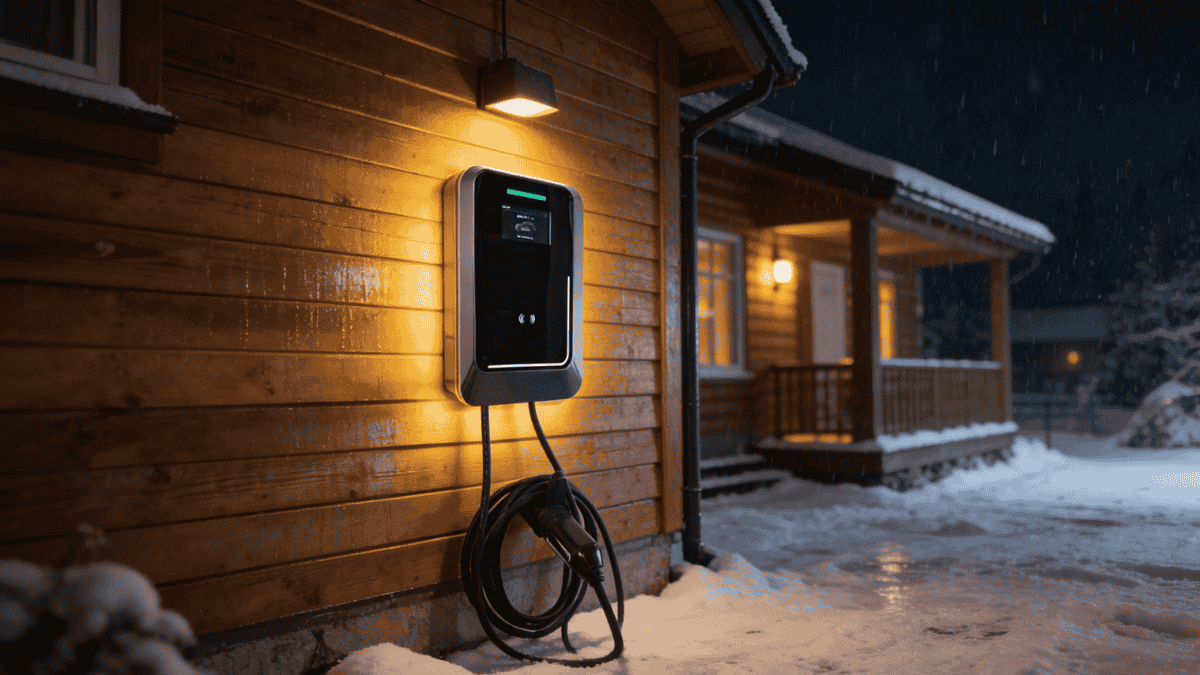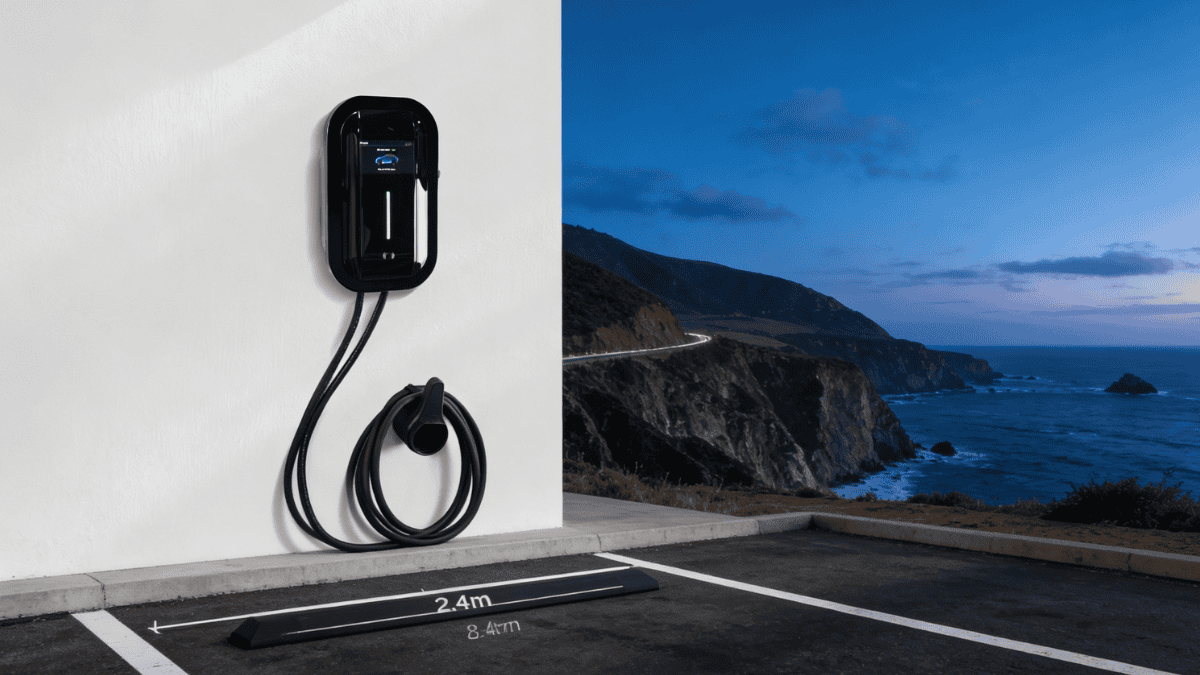
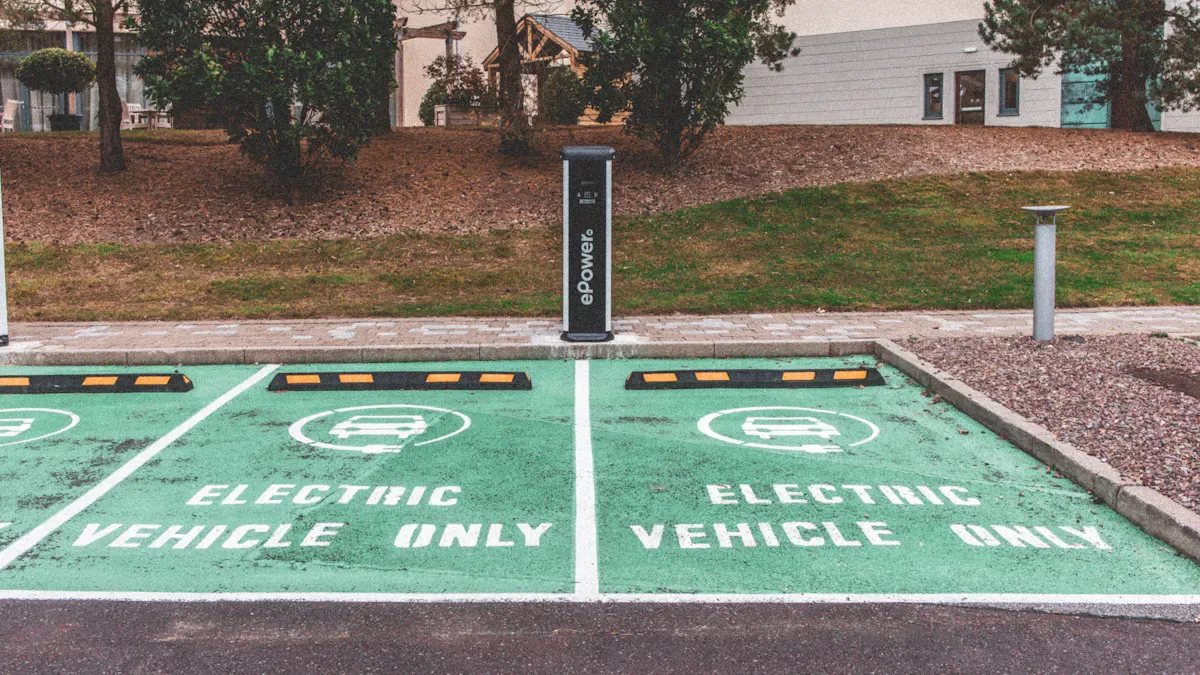
Hotels and resorts in Thailand now recognize the Business Case for installing Level 2 EV charging. The presence of an شاحن السيارة الكهربائية من الشركات الرائدة الشركات المصنعة لشاحن السيارة الكهربائية directly shapes the guest experience. Guests expect convenient charging options and view حلول شحن السيارات الكهربائية as essential amenities. Properties offering شواحن السيارات الكهربائية المحمولة and Level 2 EV charging see higher guest satisfaction and increased bookings.
- Guests increasingly prioritize EV charging access when choosing hotels.
- Nearly 50% of EV drivers will not book a hotel that lacks a charging station, indicating a strong correlation between charging availability and booking decisions.
- EV chargers are now considered essential amenities, influencing guest satisfaction and occupancy rates.
Business Case for Level 2 EV Charging at Hotels in Thailand

Direct Financial Benefits for Hotels and Resorts
Increased Bookings and Occupancy
Hotels in Thailand see a clear business case for investing in Level 2 EV charging. The hospitality sector experiences a direct lift in occupancy rates when properties offer reliable charging infrastructure. EV travelers often plan trips around charging availability. They choose hotels that provide convenient access to charging stations. This trend leads to higher booking rates, especially among guests who drive electric vehicles. Properties that install charging infrastructure attract a growing segment of eco-conscious travelers. These guests often stay longer and spend more on-site, increasing overall revenue.
A strong business case emerges as hotels notice a higher attach rate, which measures the ratio of charging sessions to EV-eligible stays. This metric highlights the value of charging infrastructure in driving guest engagement. Hotels that prioritize charging amenities see a measurable increase in occupancy from EV travelers. The presence of charging stations also improves guest satisfaction, leading to positive reviews and repeat business.
New Revenue Streams from EV Charging
Level 2 EV charging creates new revenue opportunities for hotels and resorts. Properties can monetize charging sessions by offering pay-per-use or membership-based models. Each charging stall generates daily revenue, which adds a steady income stream beyond traditional room bookings. Hotels can also partner with EV networks to expand their reach and attract more guests.
Charging infrastructure supports the hospitality industry’s shift toward diversified revenue models. By offering charging as an amenity, hotels increase the value of each guest stay. The business case strengthens as properties see higher stall revenue per day and improved guest loyalty. Reliable charging infrastructure with uptime above 97% ensures consistent revenue and enhances the guest experience.
Alignment with Sustainability and ESG Goals
Supporting Thailand’s Decarbonization Initiatives
Hotels play a key role in supporting Thailand’s national decarbonization efforts. The adoption of Level 2 EV charging aligns with government policies that promote clean transportation and reduced emissions. By investing in charging infrastructure, hotels contribute to a greener future and demonstrate leadership in sustainable hospitality. This alignment with sustainability goals enhances the business case for charging investments.
The following table outlines key sustainability metrics that hotels in Thailand can improve by offering Level 2 EV charging:
| متري | الوصف |
|---|---|
| Occupancy lift from EV travelers | Increase in hotel occupancy due to EV travelers |
| Attach rate | Ratio of charging sessions to EV-eligible stays |
| Stall revenue per day | Daily revenue generated from EV charging stalls |
| Uptime ≥97% | Measure of charger availability and reliability |
| Guest review deltas when chargers present | Changes in guest reviews associated with the presence of chargers |
These metrics show the value of charging infrastructure in supporting both financial and sustainability objectives.
Enhancing Corporate Social Responsibility
Hotels that invest in Level 2 EV charging strengthen their corporate social responsibility profiles. Guests increasingly expect hospitality brands to demonstrate a commitment to sustainability. Properties that provide charging infrastructure signal their dedication to environmental stewardship. This commitment enhances brand reputation and attracts guests who value sustainable hospitality.
Charging infrastructure also supports ESG reporting. Hotels can track improvements in occupancy, revenue, and guest satisfaction linked to charging amenities. Positive guest review deltas reflect the impact of charging stations on the overall guest experience. The business case for charging infrastructure grows as hotels see tangible benefits in both financial performance and sustainability outcomes.
Tip: Hotels that communicate their sustainability initiatives, including EV charging, often receive higher guest ratings and increased loyalty.
Hotels in Thailand that embrace Level 2 EV charging position themselves as leaders in sustainable hospitality. They capture new revenue, improve occupancy, and deliver long-term value for guests and stakeholders.
Guest Demand and Market Trends for EV Charging
Growth of EV Ownership in Thailand
Impact on Hospitality Industry
Thailand has seen rapid growth in EV ownership. The hospitality industry responds to this trend by adapting services and amenities. Hotels recognize that EV drivers represent a significant portion of modern travelers. These guests often select properties based on the availability of البنية التحتية للشحن. The hospitality industry faces new expectations as EV adoption increases. Hotels that offer charging solutions position themselves as leaders in guest experience. They attract travelers who value convenience and sustainability.
A recent survey highlights that EV drivers prefer hotels with reliable charging options. The hospitality industry must address this demand to remain competitive. Properties that invest in charging infrastructure see higher occupancy rates. They also improve their reputation among guests who prioritize eco-friendly travel.
Changing Traveler Preferences
Traveler preferences shift as EV adoption rises. Guests now expect charging as a standard amenity. The hospitality industry observes that EV drivers plan their trips around charging availability. Hotels that provide charging stations enhance the guest experience. They meet the needs of travelers who seek comfort and efficiency.
Guests value properties that support sustainable travel. The hospitality industry notes that eco-conscious travelers often choose hotels with charging facilities. These guests appreciate the commitment to environmental responsibility. Hotels that adapt to changing preferences gain a competitive edge.
EV Charging as a Must-Have Amenity
Influence on Booking Decisions
Charging availability influences booking decisions for many guests. Hotels that offer charging stations see increased reservations from EV drivers. The hospitality industry understands that charging is no longer a luxury but a necessity. Guests often filter their search for hotels based on charging amenities.
A table below summarizes the impact of charging on booking behavior:
| العامل | Effect on Booking Decisions |
|---|---|
| Charging availability | Higher booking rates |
| Guest experience | Improved satisfaction |
| Amenity presence | Increased loyalty |
Hotels that prioritize charging amenities improve the guest experience. They create a welcoming environment for EV drivers and travelers.
Attracting Eco-Conscious Guests
Eco-conscious guests seek hotels that align with their values. The hospitality industry recognizes the importance of sustainability in attracting these travelers. Charging infrastructure serves as a visible commitment to environmental stewardship. Hotels that offer charging stations appeal to guests who value green practices.
Properties that invest in charging amenities build stronger relationships with eco-conscious guests. They enhance the guest experience and encourage repeat visits. The hospitality industry benefits from positive reviews and increased loyalty among this segment.
Note: Hotels that promote their charging amenities in marketing materials attract more EV drivers and eco-conscious guests.
Competitive Advantage for Hotels with Level 2 EV Charging
Differentiation from Competing Properties
Case Studies from Leading Hotel Brands
Hotels in Thailand have started to set themselves apart by installing Level 2 EV charging stations. Leading brands in the hospitality sector have recognized the value of this investment. They have seen a rise in bookings from guests who drive electric vehicles. These brands often report higher occupancy rates during peak travel seasons. Their properties attract travelers who prioritize convenience and sustainability. The presence of البنية التحتية للشحن signals innovation and forward-thinking management. Many international hotel chains now include charging as a standard amenity in their Thailand locations. This move helps them capture a larger share of the growing EV traveler market.
Boutique and Independent Hotel Success Stories
Boutique and independent hotels have also found success with EV charging. These properties often compete with larger brands by offering personalized service and unique experiences. By adding charging stations, they appeal to a niche group of eco-conscious guests. Many small hotels have reported an increase in direct bookings after promoting their charging amenities. They use this feature to differentiate themselves on booking platforms and travel websites. Guests appreciate the convenience and often leave positive feedback. This strategy helps boutique hotels build loyalty among travelers who value sustainability.
Enhancing Brand Image and Online Reputation
Positive Guest Reviews
Hotels that provide EV charging often receive favorable reviews from guests. Electric vehicle owners appreciate the inclusion of charging stations in hotels. These reviews highlight the convenience and thoughtfulness of the amenity. Positive feedback boosts the online reputation of hospitality properties. Many guests mention charging as a deciding factor in their booking choices. High ratings on travel platforms lead to increased visibility and more reservations.
- Guests value the ability to charge their vehicles overnight.
- Many travelers share their positive experiences on social media.
- Reviews often mention the ease of use and reliability of the charging stations.
Repeat Business and Loyalty
Loyalty grows when hotels meet the evolving needs of their guests. Properties that offer charging see more repeat visits from EV drivers. These guests often become brand advocates, recommending the hotel to friends and family. Loyalty programs that reward sustainable choices further strengthen guest relationships. The hospitality industry benefits from higher retention rates and increased lifetime value per guest. Hotels that invest in charging infrastructure create a cycle of positive experiences and ongoing loyalty. This approach supports long-term growth and a strong market position.
Property-Specific Recommendations for Level 2 EV Charging
Selecting the Right Charger Types and Features
Smart vs. Basic Level 2 Chargers
Hotels in Thailand must evaluate the advantages of smart and basic Level 2 chargers when planning infrastructure upgrades. Smart chargers offer advanced technology, including remote monitoring, customizable charging profiles, and integration with reservation systems. These features allow hotels to optimize energy use and provide a seamless guest experience. Basic chargers deliver reliable charging but lack connectivity and scheduling options. Properties with high guest turnover or those aiming for hotel electrification benefit from smart technology, which supports efficient infrastructure management.
Tip: Smart chargers enable hotels to track usage and adjust charging schedules, improving operational efficiency.
Compatibility with Multiple EV Brands
Compatibility remains essential for hotels seeking to maximize the value of their charging stations. Level 2 chargers must support a wide range of electric vehicle brands to accommodate diverse guest needs. TPSON, a technologically advanced electric vehicle charging solution provider, offers infrastructure that meets industry standards and ensures broad compatibility. Hotels should select equipment with durable construction and compliance certifications. This approach guarantees reliable technology and reduces maintenance costs.
يلخص الجدول أدناه key factors hotels should consider when selecting Level 2 charger types and features:
| العامل | الوصف |
|---|---|
| User Needs | Level 2 chargers are suitable for overnight stays and work hours, providing full charging capabilities. |
| تكاليف التركيب | Level 2 chargers are generally more affordable and easier to install compared to DC chargers. |
| Equipment Specifications | Consider the quality, durability, and compliance of the charger with industry standards. |
| الاتصال | Evaluate communication channels, support for Open Charge Protocol, and customization options. |
| Charging Profiles and Schedules | Check if the station supports customizable charging profiles and schedules. |
Determining Quantity and Placement
Factors Based on Property Size and Guest Profile
Hotels must assess property size and guest profile to determine the optimal number of محطات الشحن. Larger resorts with high occupancy rates require more infrastructure to meet demand. Properties catering to business travelers or eco-conscious guests should prioritize technology that supports multiple vehicles simultaneously. Guest preferences and booking patterns influence the level of infrastructure needed. Hotels can use reservation data to estimate peak usage and plan accordingly.
- Small boutique hotels may install fewer stations but focus on high-quality technology.
- Large resorts benefit from scalable infrastructure that adapts to changing guest needs.
Planning for Future Growth
Forward-thinking hotels plan infrastructure expansion to accommodate future increases in EV ownership. Technology evolves rapidly, so properties must select scalable solutions that support upgrades. TPSON provides flexible technology options, allowing hotels to expand charging capacity as demand grows. Hotels should reserve space for additional stations and invest in equipment that supports future integration. This strategy ensures long-term value and positions properties as leaders in hotel electrification.
Note: Planning for future growth protects hotels from obsolescence and supports sustainable infrastructure development.
Financials: Costs, Incentives, and Revenue Models for EV Charging
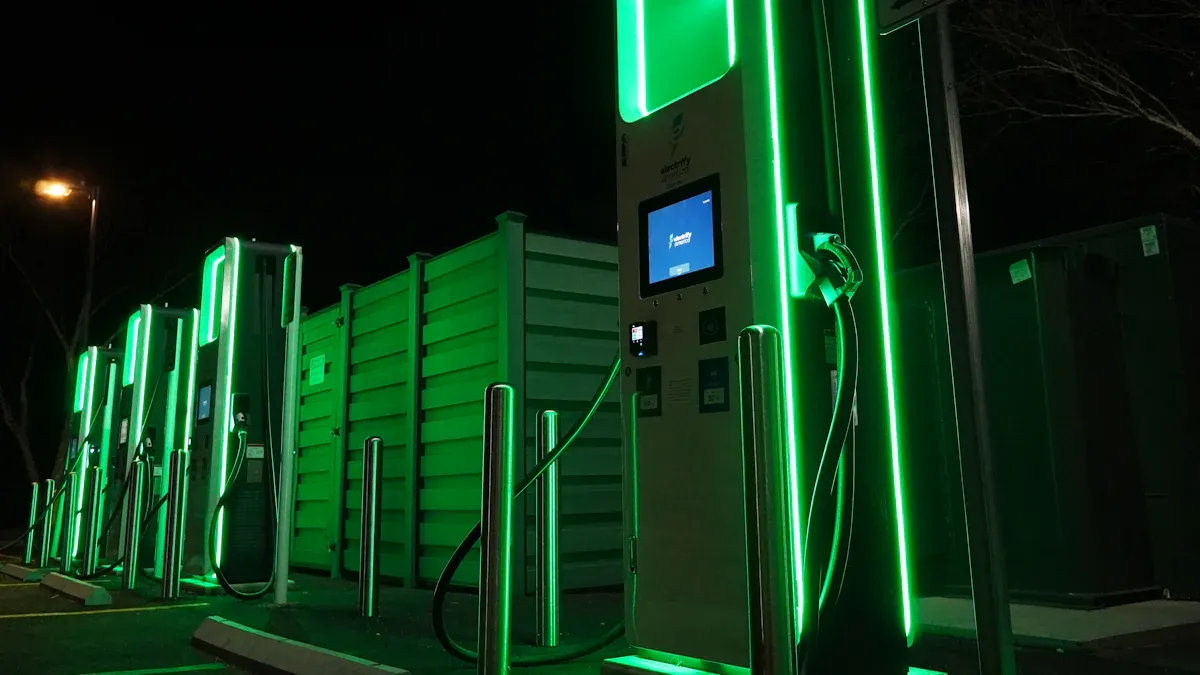
Upfront and Ongoing Costs for Hotels
نفقات المعدات والتركيب
Hotels in Thailand must consider the initial expenses when planning for Level 2 EV charging. Equipment costs depend on the charger type, features, and compatibility with multiple vehicle brands. TPSON offers advanced solutions that meet industry standards and support a wide range of electric vehicles. Installation expenses can vary based on the property’s electrical infrastructure and parking layout. Hotels often find that investing in scalable systems reduces future upgrade costs. Proper planning ensures that the hospitality sector maximizes the value of each investment.
Maintenance and Support Requirements
Ongoing maintenance plays a vital role in the long-term success of hotel charging. Hotels should select reliable equipment with strong support from providers like TPSON. Regular inspections and software updates keep charging stations operational and safe. The hospitality industry benefits from high uptime, which leads to positive guest experiences. Hotels that prioritize maintenance protect their investment and maintain a reputation for quality service.
Government Incentives and Utility Programs in Thailand
The Thai government encourages sustainability in the hospitality sector through various incentives. Hotels can access grants, tax reductions, and low-interest loans for installing EV charging infrastructure. Some utility companies offer special rates or rebates for properties that support clean transportation. These programs lower the financial barrier for hotels and increase the value of their investment. Hospitality leaders should monitor new policies to maximize available benefits.
Tip: Hotels that leverage government incentives can accelerate their return on investment and enhance their sustainability profile.
Revenue Models for Level 2 EV Charging
Complimentary Charging as a Value-Add
Many hotels choose to offer complimentary charging as a value-added amenity. This approach attracts guests who drive electric vehicles and supports the property’s sustainability goals. Complimentary charging can increase guest satisfaction and encourage longer stays. The hospitality industry often uses this strategy to differentiate from competitors and build loyalty.
Pay-Per-Use and Membership Options
Some hotels implement pay-per-use or membership-based models for EV charging. Guests pay a fee for each session or subscribe for unlimited access during their stay. This model creates a direct revenue stream and helps hotels recover installation and maintenance costs. The hospitality sector benefits from flexible pricing that matches guest demand and property goals.
Partnerships with EV Networks
Hotels can partner with established EV networks to expand their reach and streamline operations. These partnerships provide access to advanced technology, marketing support, and a broader customer base. TPSON collaborates with hospitality properties to deliver reliable charging solutions and maximize value. Hotels that join EV networks often see increased bookings from travelers who seek convenient charging options.
Operational Strategies for Successful EV Charging Implementation
Energy Management and Load Balancing
Hotels in Thailand must address energy management when deploying EV charging infrastructure. Level 2 chargers draw significant energy, especially during peak occupancy. Properties can implement load balancing systems to distribute energy efficiently across multiple charging stations. These systems prevent overloads and reduce operational costs. Smart energy management tools monitor real-time consumption and adjust charging schedules based on demand. Hotels can also coordinate with local utilities to optimize energy use and take advantage of off-peak rates. By prioritizing energy efficiency, properties ensure reliable charging for guests and maintain stable operations.
Tip: Hotels that invest in advanced energy management solutions often see lower utility bills and improved sustainability metrics.
Integrating EV Charging into Guest Experience
Hotels enhance the guest experience by seamlessly integrating EV charging into their service offerings. Properties like La Green Hotel & Residence provide charging stations that increase convenience for electric vehicle owners. This approach supports sustainability initiatives and aligns with modern guest expectations. Guests value the ability to charge their vehicles during their stay, which contributes to overall satisfaction.
- Guests enjoy convenient access to charging stations upon arrival.
- The presence of charging amenities demonstrates a commitment to sustainability.
- Hotels that offer EV charging often receive positive feedback from guests.
- Integration of charging supports the hotel’s reputation for innovation.
- Enhanced charging options encourage longer stays and repeat visits.
Reservation Systems and Guest Communication
Reservation systems play a crucial role in the guest experience. Hotels can integrate charging station reservations into their booking platforms, allowing guests to secure a charging spot in advance. Clear communication about charging availability and instructions ensures a smooth arrival process. Staff should provide guests with information about charging procedures at check-in. This proactive approach reduces confusion and enhances the overall experience.
Staff Training and Support
Well-trained staff contribute to a positive guest experience. Hotels must educate employees on charging station operation, troubleshooting, and guest support. Staff should understand energy management basics to address common questions. Regular training sessions keep teams updated on new charging technologies and protocols. When staff can assist with charging needs, guests feel supported throughout their stay.
Marketing EV Charging Amenities to Guests
Effective marketing strategies help hotels showcase their EV charging amenities. Properties should highlight charging options on their websites, booking platforms, and social media channels. Visual cues, such as signage in parking areas, inform guests about available charging stations. Hotels can feature guest testimonials that mention positive charging experiences. By promoting these amenities, properties attract EV drivers and eco-conscious travelers seeking a superior experience.
Note: Hotels that actively market their charging infrastructure often see increased bookings from guests who prioritize sustainability and convenience.
Measuring Success and Ensuring Long-Term Value
Key Metrics for EV Charging Performance
Utilization Rates and Guest Feedback
Hotels in Thailand track utilization rates to measure the effectiveness of their charging infrastructure. Utilization rates show how often guests use the charging stations. High utilization indicates strong demand and validates the investment. Hotels also collect guest feedback through surveys and online reviews. Positive comments about charging contribute to higher guest satisfaction scores. Management teams use this data to identify areas for improvement and to maintain high service standards. Guest feedback often highlights the convenience and reliability of charging, which influences future booking decisions.
Impact on Occupancy and Revenue
Charging infrastructure impacts both occupancy and revenue. Hotels monitor occupancy rates before and after installing charging stations. An increase in bookings from electric vehicle owners signals a successful strategy. Revenue from charging sessions adds a new income stream. Some properties see higher average daily rates when they offer charging as a premium amenity. Management teams analyze these metrics to assess return on investment and to plan for future upgrades. Consistent tracking ensures that charging continues to support business growth and guest satisfaction.
Sustainability Reporting and ESG Impact
Sustainability reporting has become essential for hotels and resorts. Properties document their charging initiatives as part of their environmental, social, and governance (ESG) strategies. Reports include data on energy savings, reduced emissions, and the number of charging sessions. These metrics demonstrate a commitment to sustainability and attract investors who value responsible business practices. Hotels use sustainability achievements in marketing materials to appeal to eco-conscious travelers. Transparent reporting builds trust with stakeholders and supports long-term brand reputation.
Note: Hotels that prioritize sustainability often receive industry recognition and awards, which further enhance their market position.
Overcoming Challenges and Future-Proofing Investment
Hotels face challenges when implementing charging solutions. Common issues include managing energy demand, ensuring compatibility with new vehicle models, and maintaining high uptime. Properties address these challenges by choosing scalable technology and partnering with reliable providers. Future-proofing requires regular evaluation of charging infrastructure and staying informed about industry trends. Hotels that plan for the future can adapt to changes in guest preferences and technology. This proactive approach protects investments and ensures continued relevance in a competitive market.
- Regular staff training supports smooth operations.
- Flexible infrastructure allows for easy expansion as demand grows.
- Ongoing monitoring helps identify opportunities for improvement.
Hotels that measure performance, report on sustainability, and plan for the future create long-term value for guests and stakeholders.
Level 2 EV charging now stands as a must-have amenity for hotels and resorts in Thailand. Guests expect this amenity and often choose properties that provide reliable charging. Hotels see increased bookings when they meet the needs of guests who drive electric vehicles. This amenity also enhances guest satisfaction and strengthens brand reputation. Proactive investment in EV charging helps hotels stay ahead of market trends and ensures that guests receive the modern experience they demand.
- Hotels attract more guests by offering essential charging amenities.
- Properties secure long-term business growth with forward-thinking strategies.
الأسئلة الشائعة
ما هو شاحن المركبات الكهربائية من المستوى 2؟
A Level 2 EV charger uses a 240-volt power source. It charges electric vehicles faster than standard outlets. Most guests can fully charge their vehicles overnight. Hotels prefer Level 2 chargers for their efficiency and compatibility with many EV models.
كم من الوقت يستغرق شحن سيارة كهربائية بشاحن من المستوى 2؟
Charging times vary by vehicle model and battery size. Most electric vehicles reach a full charge in 4 to 8 hours with a Level 2 charger. Guests can conveniently charge their cars during an overnight stay.
Are Level 2 chargers compatible with all electric vehicles?
Most Level 2 chargers support all major electric vehicle brands. Hotels should confirm that their chosen charger meets industry standards. Compatibility ensures that guests with different EV models can use the charging stations without issues.
What are the main costs involved in installing Level 2 EV chargers?
Hotels face costs for equipment, installation, and ongoing maintenance. Some properties may need electrical upgrades. Government incentives and utility programs can help reduce these expenses. Proper planning helps hotels manage costs and maximize return on investment.
Can hotels generate revenue from EV charging stations?
Hotels can offer pay-per-use charging, memberships, or partner with EV networks. These models create new revenue streams. Some properties choose to provide complimentary charging as a value-added amenity to attract more guests.
How do hotels promote their EV charging amenities?
Hotels highlight charging stations on their websites, booking platforms, and social media. Clear signage and guest communication improve awareness. Positive guest reviews and testimonials also help attract more EV drivers.
What support do hotels need for successful EV charging operations?
Hotels need reliable equipment, regular maintenance, and staff training. Providers like TPSON offer technical support and software updates. Well-trained staff can assist guests and ensure smooth charging experiences.
Why should hotels in Thailand invest in Level 2 EV charging now?
Electric vehicle adoption is rising in Thailand. Hotels that invest early gain a competitive advantage, attract eco-conscious guests, and align with sustainability goals. Early adoption also positions properties as leaders in hospitality innovation.