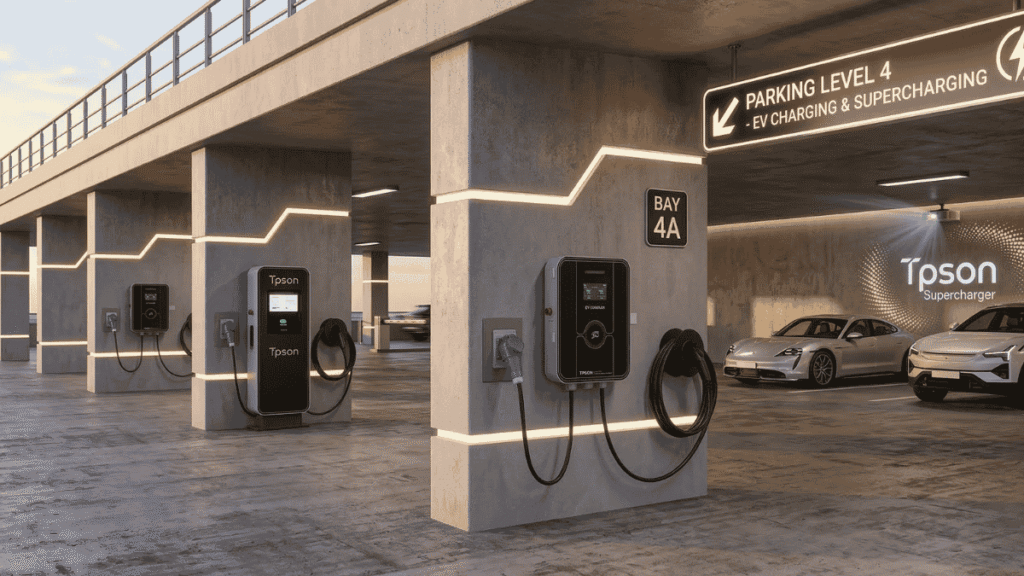
Ontario is currently spearheading Canada’s transition to electric mobility through a massive influx of provincial and federal capital, centered on the newly launched EV ChargeON Program and the federal Automotive Strategy. As of early 2026, the province has secured over $46 billion in transformative investments for the EV supply chain, while simultaneously deploying thousands of new public charging ports to meet the national mandate of 20% zero-emission vehicle (ZEV) sales for the 2026 model year.
Ontario Infrastructure Report 2026
- 1. The EV ChargeON Program: Scaling Provincial Access
- 2. Federal ZEVIP Allocations and the $1.5 Billion CIB Initiative
- 3. Market Dynamics: The 20% ZEV Sales Mandate for 2026
- 4. Technical Economics: New 2026 EV Charging Electricity Rates
- 5. Manufacturing Synergy: Windsor and St. Thomas Hubs
- 6. الأسئلة المتكررة (FAQ)
The EV ChargeON Program: Scaling Provincial Access
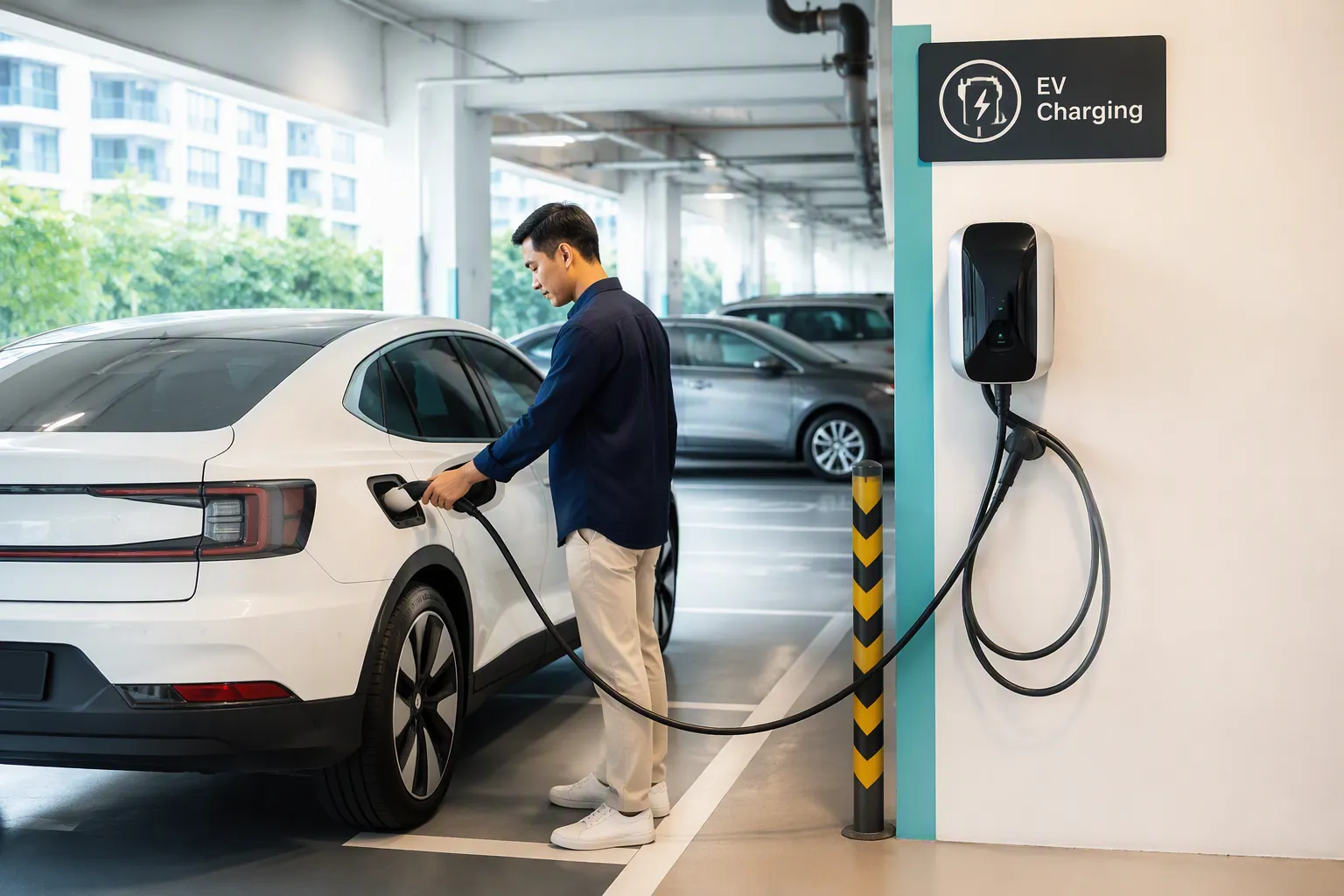
The 2025–2026 intake of Ontario’s EV ChargeON program represents the most significant provincial effort to eliminate “charging deserts” in rural and mid-sized communities. Administered by the Ontario Vehicle Innovation Network (OVIN), the program provides post-construction rebates covering up to 75% of eligible costs. For a مصنعة لوحدات شحن المركبات الكهربائية, this creates a high-demand environment for hardware that meets both CSA/UL safety standards and specific provincial accessibility requirements.
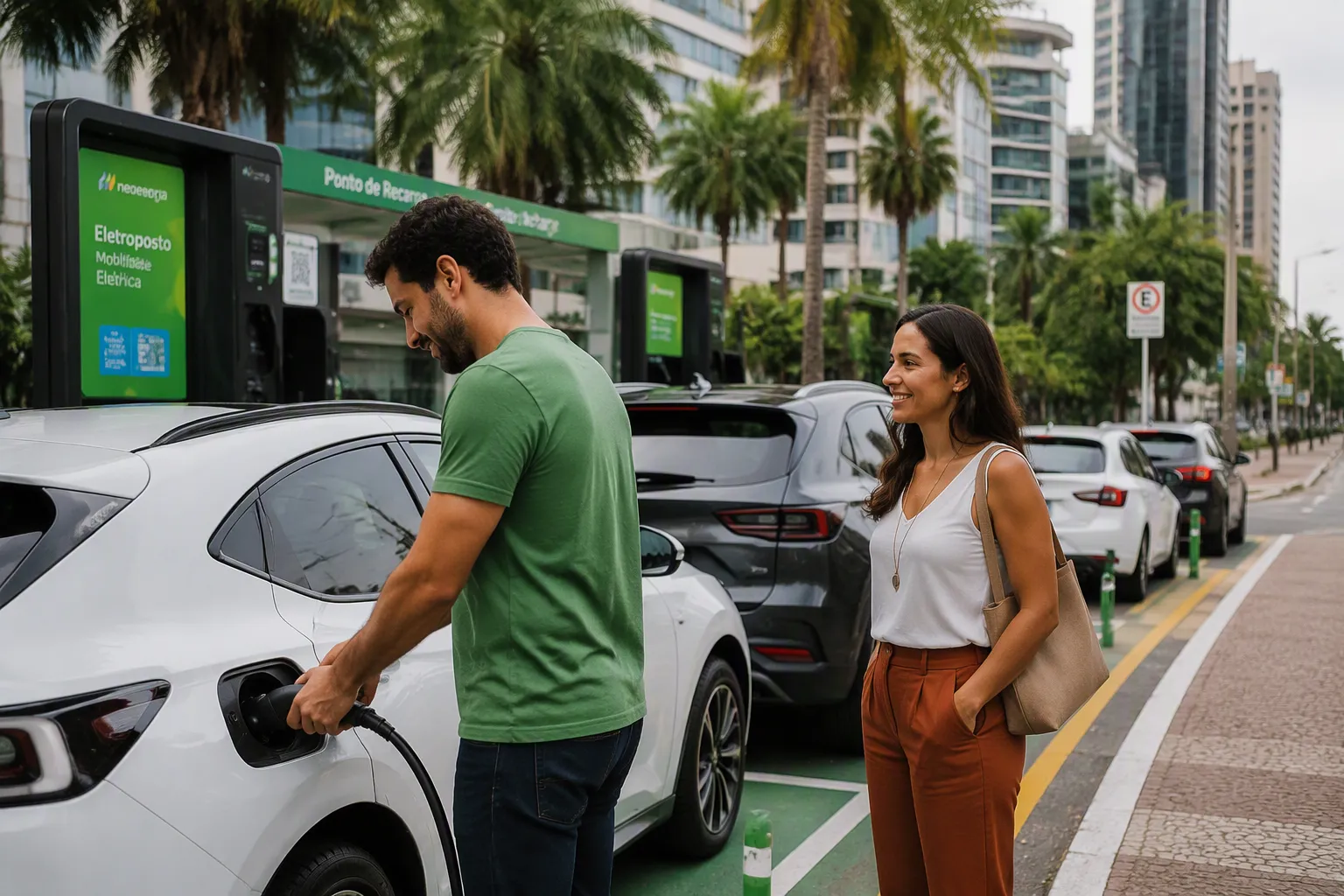
The program specifically targets publicly accessible sites, including retail plazas, hotels, and municipal parking lots. By April 1, 2026, the first wave of 2026 funding results will be released, catalyzing the installation of hundreds of new شواحن التيار المتردد الكهربائية and high-speed units across the province.
EV ChargeON Program Funding Framework (2025-2026)
| نوع الشاحن | Funding Cap per Port | Eligible Cost % |
|---|---|---|
| Level 2 AC (Standard) | Up to $7,500 | 75% |
| DC Fast Charger (50kW+) | Up to $75,000 | 75% |
| Ultra-Fast DC (150kW+) | Up to $150,000 | 75% |
Federal ZEVIP Allocations and the $1.5 Billion CIB Initiative
On February 10, 2026, the Canadian federal government announced a fresh $84.4 million investment through the Zero Emission Vehicle Infrastructure Program (ZEVIP). This funding is slated to support 122 projects nationwide, with a significant portion allocated to Ontario-based recipients such as the Ministry of Transportation ($4.7M for 76 chargers) and Purolator Inc. ($2.5M for 393 chargers).
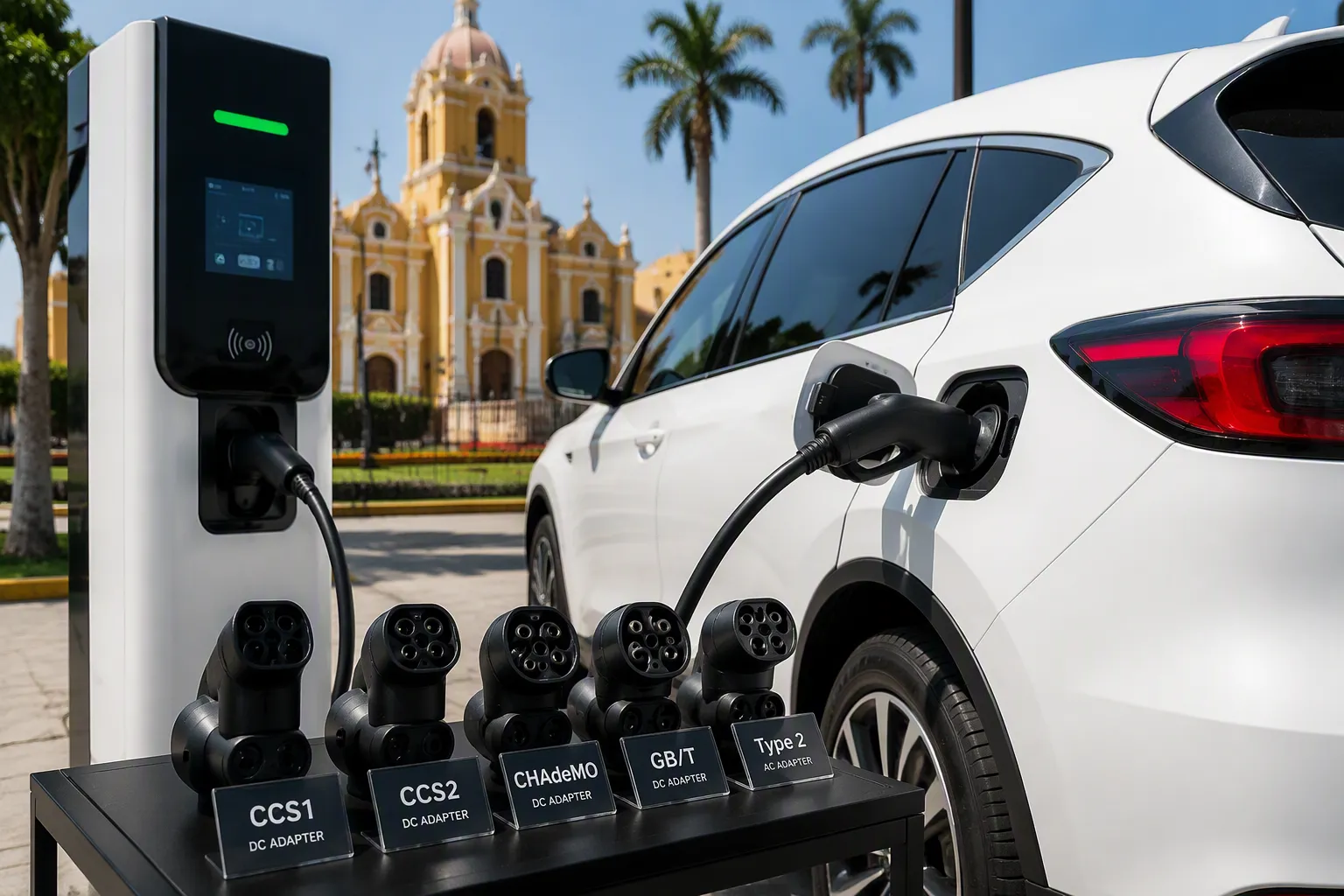
While ZEVIP focuses on smaller-scale community deployment, the Canada Infrastructure Bank (CIB) has increased its allocation to $1.5 billion for large-scale, revenue-generating projects. This initiative is designed to de-risk private sector investment in شواحن التيار المستمر للمركبات الكهربائية, particularly for high-priority transit corridors and multi-unit residential buildings (MURBs) where the capital intensity of electrical upgrades often stalls development.
Market Dynamics: The 20% ZEV Sales Mandate for 2026
The 2026 calendar year marks the first major milestone of Canada’s Zero Emission Vehicle Sales Mandate, which legally requires that 20% of all new light-duty vehicle sales be ZEVs. To support this mandate, Prime Minister Mark Carney recently unveiled the $2.3 billion EV Affordability Program (EVAP), offering rebates up to $5,000 for Canadian-made electric vehicles.
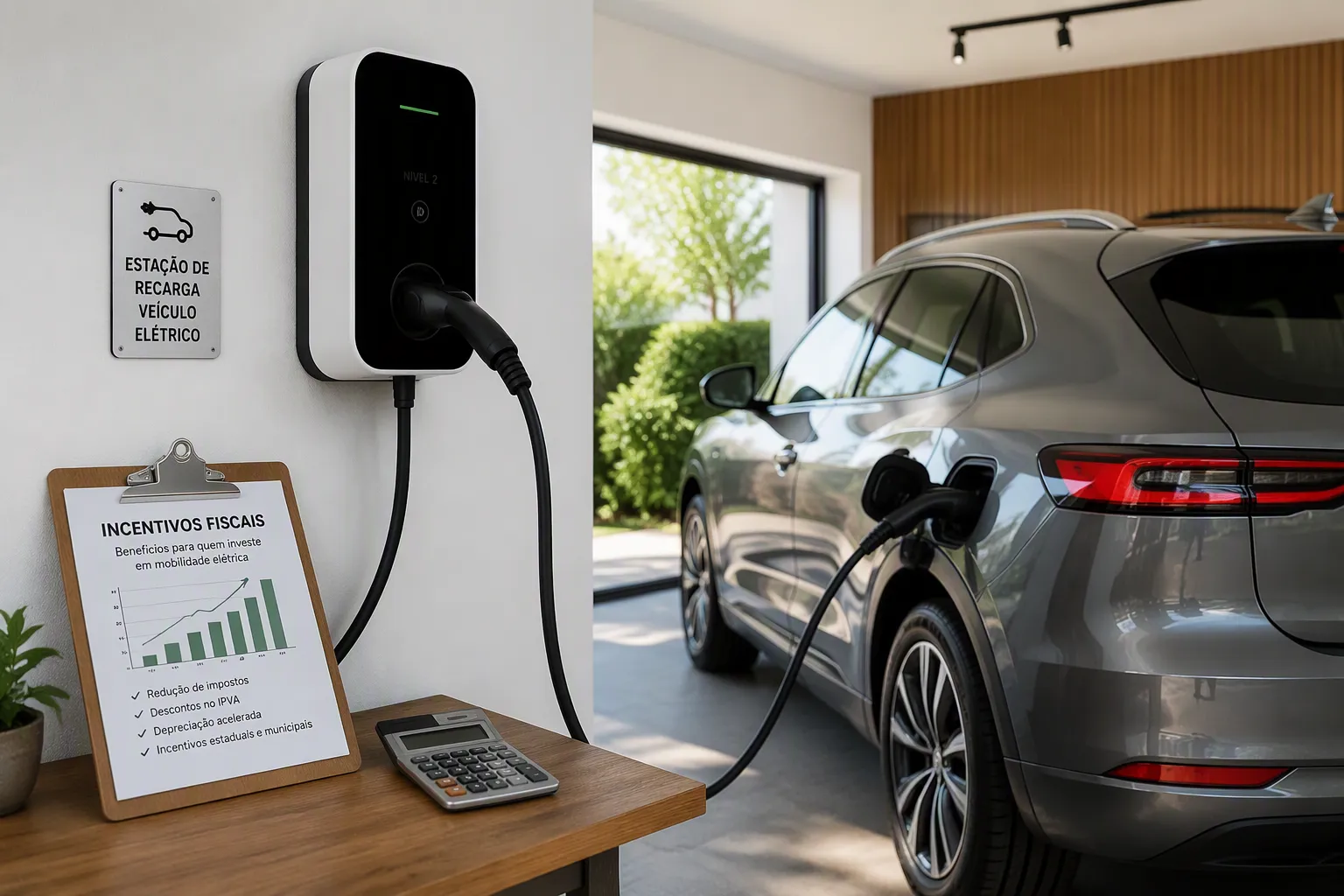
For Ontario drivers, this policy shift has resulted in a “transitional” car market where dealers are prioritizing EV inventory over traditional internal combustion engines. Consequently, the demand for residential شواحن السيارات الكهربائية has spiked, as new owners look to secure الشحن الليلي solutions that bypass the higher costs of public fast-charging networks.
Technical Economics: New 2026 EV Charging Electricity Rates
A critical policy victory for Ontario’s EV ecosystem in 2026 is the introduction of the Electric Vehicle Charging (EVC) rate by the Ontario Energy Board (OEB). Effective January 1, 2026, this specialized rate reduces the transmission portion of delivery charges by 83% for qualifying public DC fast-charging sites.
This change dramatically improves the operational ROI for charging site owners. For instance, a 300kW station can now save approximately $1,400 per month in delivery fees. This makes the deployment of high-power hardware far more sustainable during the “ramping up” phase when charger utilization rates are still growing.
Manufacturing Synergy: Windsor and St. Thomas Hubs
Ontario’s infrastructure growth is inextricably linked to its domestic manufacturing strength. Massive projects like the Volkswagen PowerCo battery plant in St. Thomas ($7B investment) and the NextStar Energy facility in Windsor ($5B investment) are on track to begin cell production by late 2026.
These “Gigafactories” are not just creating thousands of jobs; they are creating a regional ecosystem for clean tech. The proximity of battery production to end-user infrastructure deployment allows for a more integrated approach to smart grid management and ensures that Ontario remains at the forefront of North American EV supply chain security.
الأسئلة المتكررة (FAQ)
1. What is the deadline for the 2026 EV ChargeON applications?
The most recent intake closed on January 15, 2026. Funding results and agreements are scheduled to be finalized by April 1, 2026, with a 12-month window for installation and project completion.
2. How much can I save with the new Ontario EVC electricity rate?
Qualifying public DC fast-charging sites can save between $480 (at 100kW) and $2,400 (at 500kW) per month on their electricity delivery charges, as the OEB now applies only 17% of standard transmission service rates.
3. Are there federal rebates available for buying an EV in Ontario in 2026?
Yes, under the new EV Affordability Program (EVAP), consumers can receive up to $5,000 for battery-electric vehicles. Incentives are specifically prioritized for Canadian-made models or EVs with a transaction value under $50,000 from free-trade partner countries.
4. What percentage of cars sold in Ontario must be electric in 2026?
The federal ZEV sales mandate requires that 20% of new light-duty vehicle sales be zero-emission for the 2026 model year, scaling up to 60% by 2030 and 100% by 2035.
5. Does ZEVIP funding cover home charger installations for individuals?
ZEVIP primarily funds multi-unit residential buildings (MURBs), workplaces, and public places. Individual homeowners usually rely on separate provincial programs or utility-led incentives for private garage installations.
References and Infrastructure Citations:
1. Canada Advances New Auto Strategy and EV Infrastructure – Natural Resources Canada 2026 Release
2. Ontario EV ChargeON Program Guide 2025–2026 – Maxperr Energy Policy Brief
3. New 2026 EV Charging Rates for DC Fast Charging – Hypercharge Industry Analysis
4. ZEVIP $84M Investment Details – Drive Tesla Canada Feb 2026 Report
5. Ontario Ministry of Economic Development Annual Report 2025–2026 – Ontario.ca Government Plans