
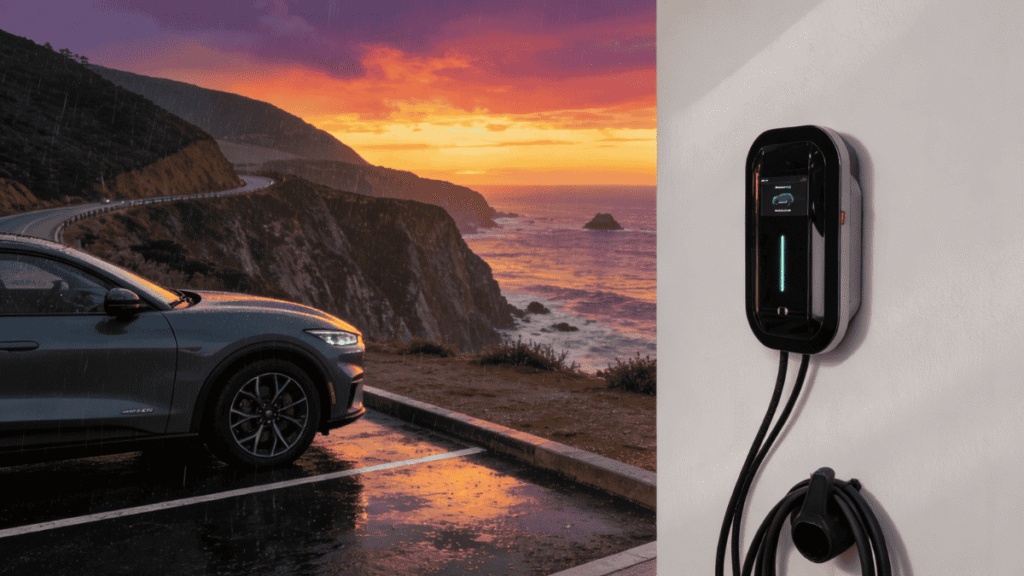
هل يمكنني تركيب شاحن سريع للسيارات الكهربائية في المنزل؟ التكاليف والقيود
نعم —لكن يجب تعريف مصطلح “سريع”. بالنسبة لمعظم المنازل، فإن “شاحن المنزل السريع” العملي هو شاحن المركبات الكهربائية من المستوى 2 المتردد (AC EVSE) (عادةً بقدرة حوالي 7–12 كيلوواط). أما “الشحن السريع” الحقيقي بالمفهوم العام فهو عادةً الشحن السريع بالتيار المستمر (المستوى 3), ، والذي تشير مجلة "كار آند درايفر" إلى أنه بشكل عام.
هذا الدليل عالمي: يغطي كيفية اختلاف الشحن المنزلي عن الشحن السريع العام بالتيار المستمر، والعوامل التي تحدد عادةً تكاليف التثبيت،.
- معظم المنازل: قم بتركيب شاحن مركبات كهربائية من المستوى 2 المتردد مع جدولة ذكية؛ ضع في الاعتبار موازنة التحميل الديناميكي لتجنب ترقيعات لوحة الكهرباء.
- “الشحن السريع الحقيقي” (تيار مستمر): ينتمي عادةً إلى السياقات العامة أو التجارية؛ مستويات القدرة العالية (50–350 كيلوواط) عادةً غير واقعية في المنزل.
- استثناء متخصص: توجد شواحن تيار مستمر مدمجة في نطاق 20–40 كيلوواط (مثل الاستخدام المتنقل/الطوارئ/أساطيل المركبات)، لكنها قد تتطلب.
1) معنى “السريع” في المنزل: الشحن المتردد المستوى 2 مقابل الشحن السريع بالتيار المستمر
تقسم مجلة "كار آند درايفر" الشحن المنزلي إلى ثلاثة مستويات:
- المستوى 1 (120 فولت متردد): حوالي 1 كيلوواط؛ قد يستغرق أيامًا لشحن كامل.
- المستوى 2 (240 فولت متردد): عادةً ~6–19 كيلوواط؛ يمكنه شحن العديد من المركبات الكهربائية خلال الليل.
- المستوى 3 / الشحن السريع بالتيار المستمر: عادةً 50–350 كيلوواط؛ بنية تحتية عامة؛ “غير منطقي للاستخدام المنزلي” بسبب التكلفة.
في اللغة اليومية، يطلق العديد من مالكي المنازل على وحدة المستوى 2 بقدرة 9.6–11.5 كيلوواط اسم “شاحن المنزل السريع”، لأنها أسرع بكثير من المقبس الحائطي العادي. الشحن بالتيار المتردد, ، وقابلة الشحن المتردد المدمجة في مركبتك هي التي تحدد في النهاية مقدار طاقة التيار المتردد التي يمكنها استقبالها.
2) هل يمكنك تركيب شحن سريع بالتيار المستمر في المنزل؟
في معظم الحالات، لا — على الأقل ليس بطريقة منطقية ماليًا. تؤكد مجلة "كار آند درايفر" أن شواحن التيار المستمر السريعة قد تكلّف.
ومع ذلك، ليست جميع شواحن التيار المستمر وحدات طريق بقدرة 150–350 كيلوواط. تقدم شركة TPSON شاحن التيار المستمر الكهربائي المحمول (سلسلة TP-DC المدمجة) كحل تيار مستمر مدمج ومتنقل مع 20 كيلوواط، 30 كيلوواط، و 40 كيلوواط تكوينات، موجه للمركبات الخفيفة والمتوسطة.
تسرد سلسلة TP-DC المدمجة من TPSON جهد دخل قدره AC380V ±10%. في العديد من الإعدادات السكنية — خاصةً حيث تتوفر خدمة أحادية الطور فقط —.
3) تكاليف التركيب المنزلي: ما تدفعه مقابله (ولماذا تختلف)
الأجهزة هي جزء فقط من التكلفة. تذكر مجلة "كار آند درايفر" أن تسعير أجهزة شحن المركبات الكهربائية المبدئي النموذجي يبلغ حوالي 400–700 دولار وتشرح أن تكلفة التركيب تعتمد بشكل كبير على ما إذا كان.
محركات التكلفة الشائعة
- هامش السعة الكهربائية: إذا كانت كافية، قد تبلغ تكلفة خط جديد بضع مئات من الدولارات؛ وإذا لم تكن كافية، قد تبلغ ترقية الخدمة/لوحة الكهرباء بضعة آلاف.
- المسافة: تزيد مسارات القناوات الأطول (من لوحة الكهرباء → المرآب/الطريق الداخلي) من العمالة والمواد.
- طريقة التركيب: مقبس قابل للتوصيل مقابل التوصيل المباشر (ومتطلبات الكود ذات الصلة).
- التركيب في الخارج: يتطلب غلافًا مناسبًا وخط تغذية ومقبسًا (إذا كان قابلًا للتوصيل) مصنفين للاستخدام الخارجي.
4) أكبر قيد: السعة الكهربائية لمنزلك (وقاعدة الـ 80%)
شحن المركبات الكهربائية هو حمل مستمر. حمل مستمر. تشير مجلة "كار آند داريفر" إلى أن معدات الشحن يمكنها العمل بشكل مستمر فقط بنحو 80% من تصنيف الدائرة الكهربائية.
| قاطع الدائرة الكهربائية | أقصى سحب مستمر للمركبة الكهربائية (تقريبًا) | قدرة المستوى 2 النموذجية @ 240 فولت |
|---|---|---|
| 40A | 32A | ≈7.7 كيلوواط |
| 50A | 40A | ≈9.6 كيلوواط |
| 60A | 48A | ≈11.5 كيلوواط |
توصي مجلة "كار آند درايفر" بـ دائرة 40 أمبير أو 50 أمبير كأرضية وسط عملية لشحن معظم المركبات الكهربائية خلال الليل مع التحكم في التكلفة.
5) القابل للتوصيل مقابل المباشر: حقائق الأداء والكود الكهربائي
توجيهات منتج شركة إمبوريا هي مثال واضح على المفاضلة بين التوصيل بالمقبس والتوصيل المباشر:
- NEMA plug: easier and portable, but it “limits your charge rate to 40A.”
- Hardwire: more permanent, but can charge up to 48A; recommended to use a licensed electrician.
GFCI nuisance trips (a common “why did my charger stop?” issue)
Emporia warns that since its EV chargers have built-in GFCI protection, installing them on a circuit that also has a GFCI breaker (often required for certain outlet installs) can cause false/unwarranted nuisance tripping. Read this as a readiness constraint: the “best” charger choice can still be unreliable if the protection strategy is mismatched.
6) Smart features that can reduce home limitations (instead of upgrading the panel)
If your main limitation is electrical capacity, you’re not limited to “upgrade or give up.” Load management can dynamically reduce charging power when the home’s total draw rises. Car and Driver highlights this with Emporia’s load management approach (monitoring the home and adjusting output).
TPSON similarly frames its product lineup as intelligent solutions with Dynamic Load Balancing that “protect your home’s electrical system,” within its شواحن السيارات الكهربائية range, including its شواحن التيار المتردد الكهربائية.
7) If you want “fast,” consider the real alternative: public DC networks
A practical strategy is to use Level 2 at home for daily charging and rely on DC fast charging on road trips. Love’s describes building a travel-stop EV charging network and explicitly states it is adding more DC fast chargers (Level 3) to complement its AC charging (Level 2) network—because different scenarios call for different speeds.
ChargePoint presents itself as an EV charging “platform” (software + services + stations) and emphasizes supporting Level 2 AC and Level 3 DC solutions for businesses and fleets, as well as driver experience via app integration—another reminder that DC fast charging is typically an infrastructure/network play rather than a typical household appliance.
8) Should you buy a “fast home charger” now or wait?
If your goal is faster-than-wall-outlet charging, Level 2 is mature and worth doing now—especially with smart scheduling and the option to add load management. Car and Driver’s testing shows strong modern options at mainstream pricing and reinforces that home charging is substantially cheaper than DC fast charging (about one-third the cost, on average).
- Confirm your EV’s maximum AC Level 2 acceptance (onboard charger limit).
- Confirm connector type needs (region + vehicle).
- Choose your target circuit (common: 40A/50A/60A breaker; remember the ~80% continuous rule).
- Decide plug-in vs hardwire based on output and code/GFCI realities.
- Measure distance from panel to charger location (major labor driver).
- If capacity is tight, prioritize موازنة التحميل الديناميكي or load management.
TPSON context: manufacturer + product categories
If you’re evaluating brands at a portfolio level, TPSON positions itself as a smart energy solutions company founded in 2015 in Hangzhou, building AI-driven electrical systems and vehicle chargers using its خوارزمية البصمة الحالية and edge computing. Its product approach spans home and enterprise use cases, from AC wallboxes to mobile DC equipment.
| الموضوع | Where to explore |
|---|---|
| شواحن السيارات الكهربائية | https://tpsonpower.com/ev-chargers/ |
| مصنعة لوحدات شحن المركبات الكهربائية | https://tpsonpower.com/about/ |
| شواحن التيار المتردد الكهربائية | https://tpsonpower.com/ac-ev-chargers/ |
| شواحن التيار المستمر للمركبات الكهربائية | https://tpsonpower.com/portable-dc-ev-charger/ |
References (from the provided URL content)
- Car and Driver — Tested: Best Home EV Chargers for 2026 (charging levels, costs, circuit sizing, and why DC fast charging is typically not for homes): https://www.caranddriver.com/shopping-advice/a39917614/best-home-ev-chargers-tested/
- Emporia — Emporia Classic Level 2 EV Charger (plug vs hardwire; 40A vs 48A; GFCI nuisance tripping; required breakers): https://shop.emporiaenergy.com/products/emporia-ev-charger
- TPSON — About (founded 2015; Current Fingerprint Algorithm; team and milestones): https://tpsonpower.com/about/
- TPSON — EV Chargers category (AC with Dynamic Load Balancing; DC fast for commercial/emergency use): https://tpsonpower.com/ev-chargers/
- TPSON — Portable DC EV Charger (TP-DC 20/30/40kW; AC380V input; use cases and protections): https://tpsonpower.com/portable-dc-ev-charger/
- Love’s — EV Charging (Level 2 + Level 3 network approach; expansion through 2026): https://www.loves.com/ev-charging
- ChargePoint — EVSE platform overview (software + services + stations; Level 2 and DC fast solutions focus): https://www.chargepoint.com/
- Smart Charge America — EV chargers catalog examples (home and commercial products; typical Level 2 outputs; install positioning): https://smartchargeamerica.com/electric-car-chargers/
- TPSON — AC EV Chargers category listing: https://tpsonpower.com/ac-ev-chargers/
- TPSON — Home page (Current Fingerprint Algorithm; safety; Dynamic Load Balancing; scale claims): https://tpsonpower.com/
Disclaimer: This is general information based on the provided page content. Electrical work should be planned and performed according to local code and verified by a licensed electrician.




