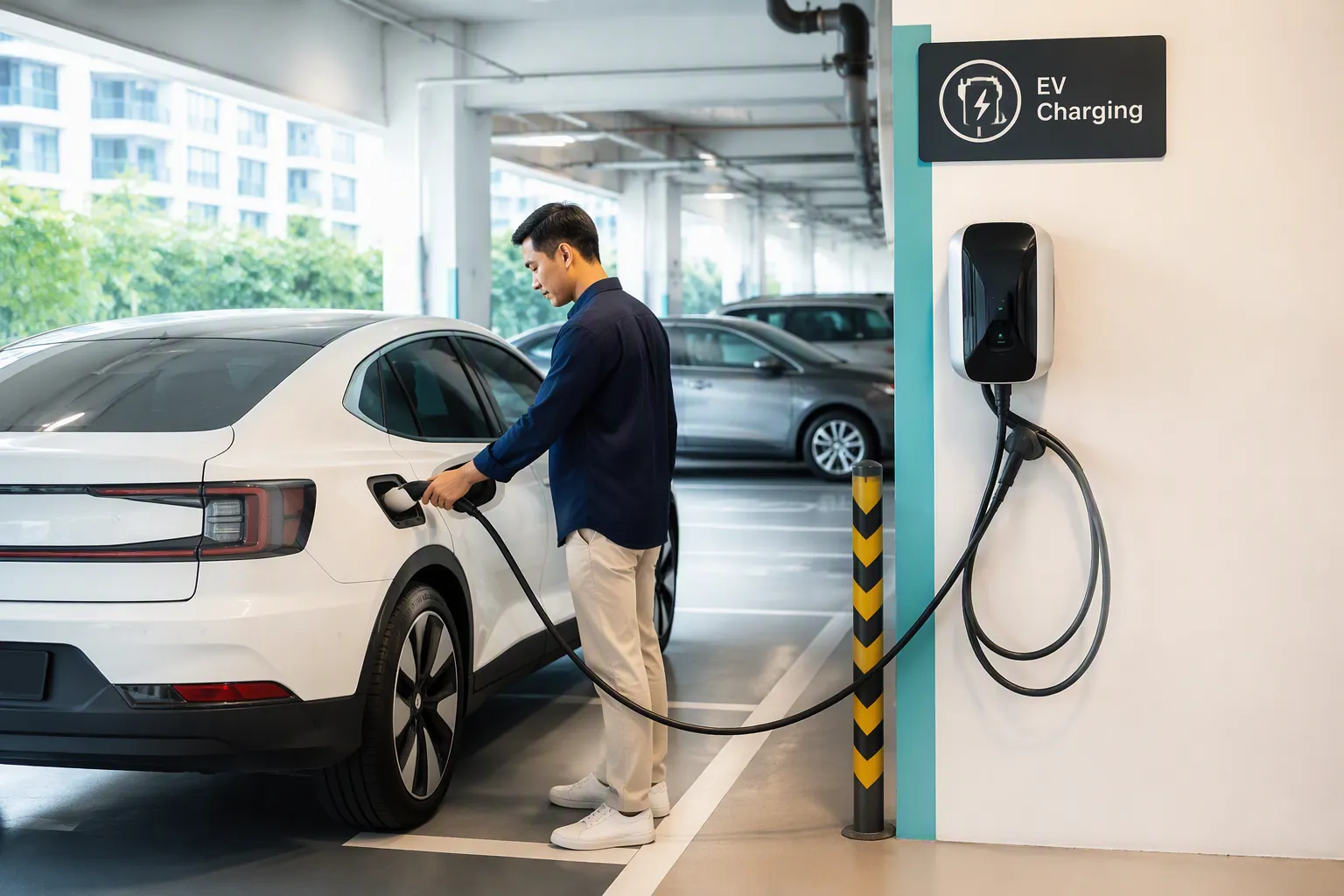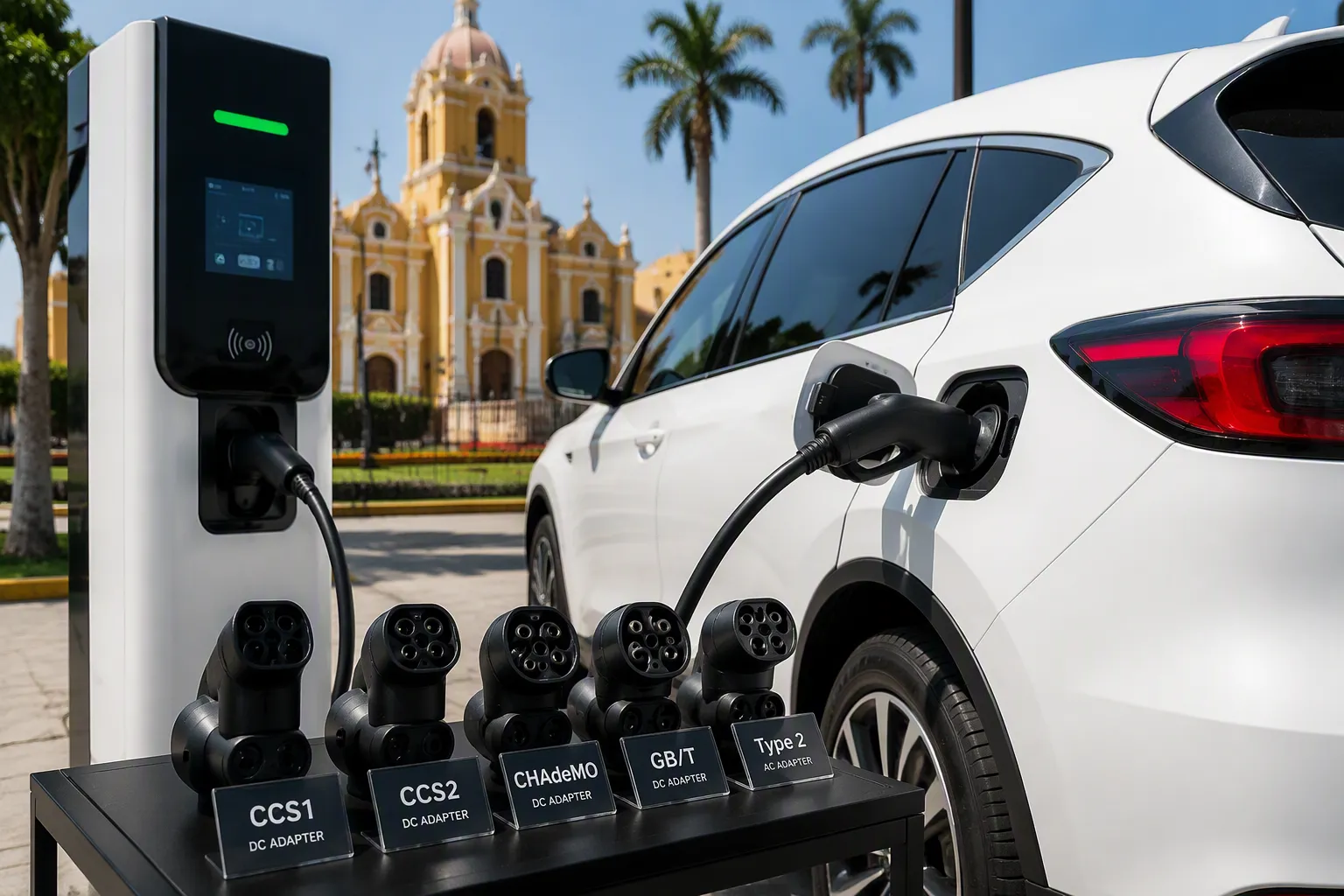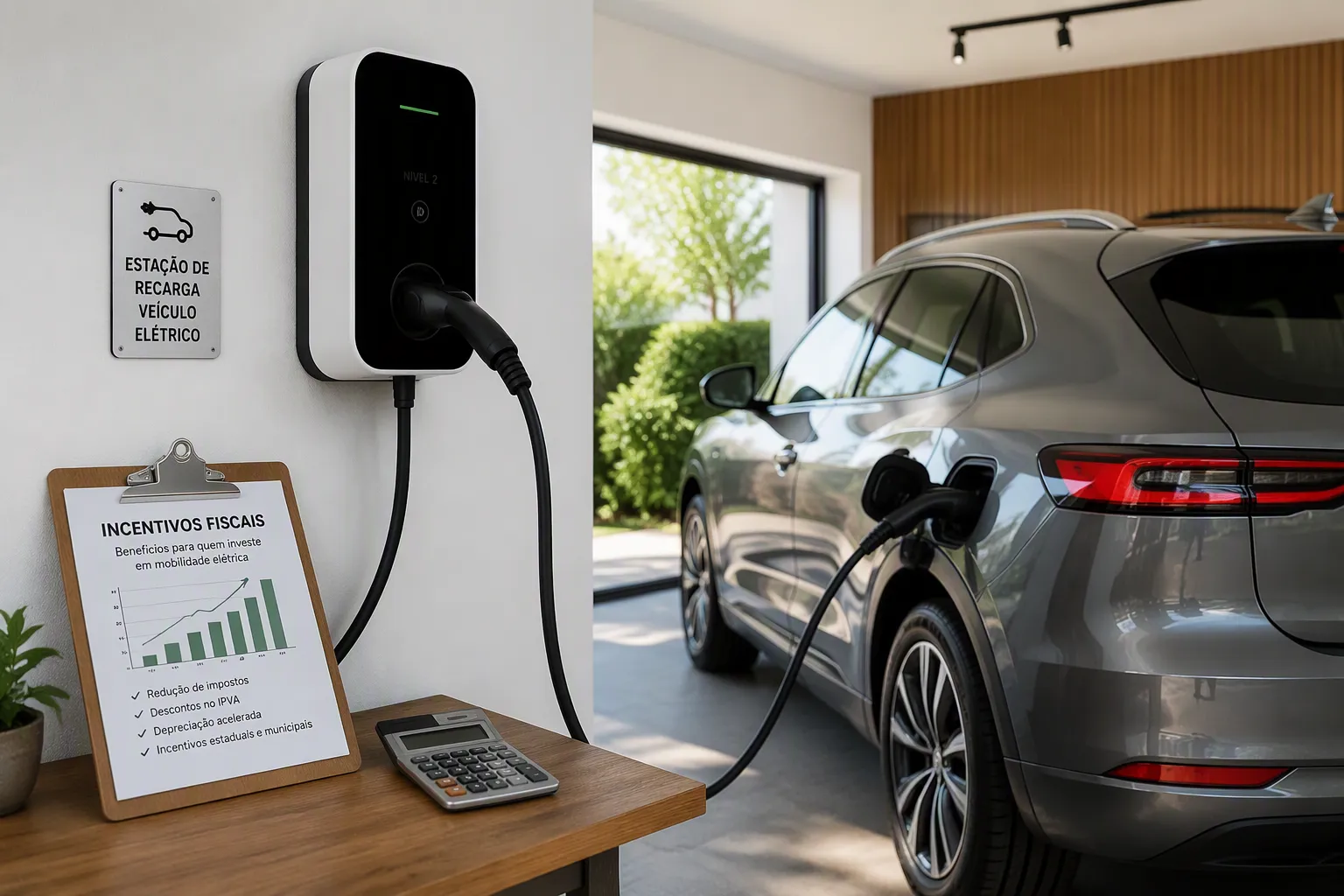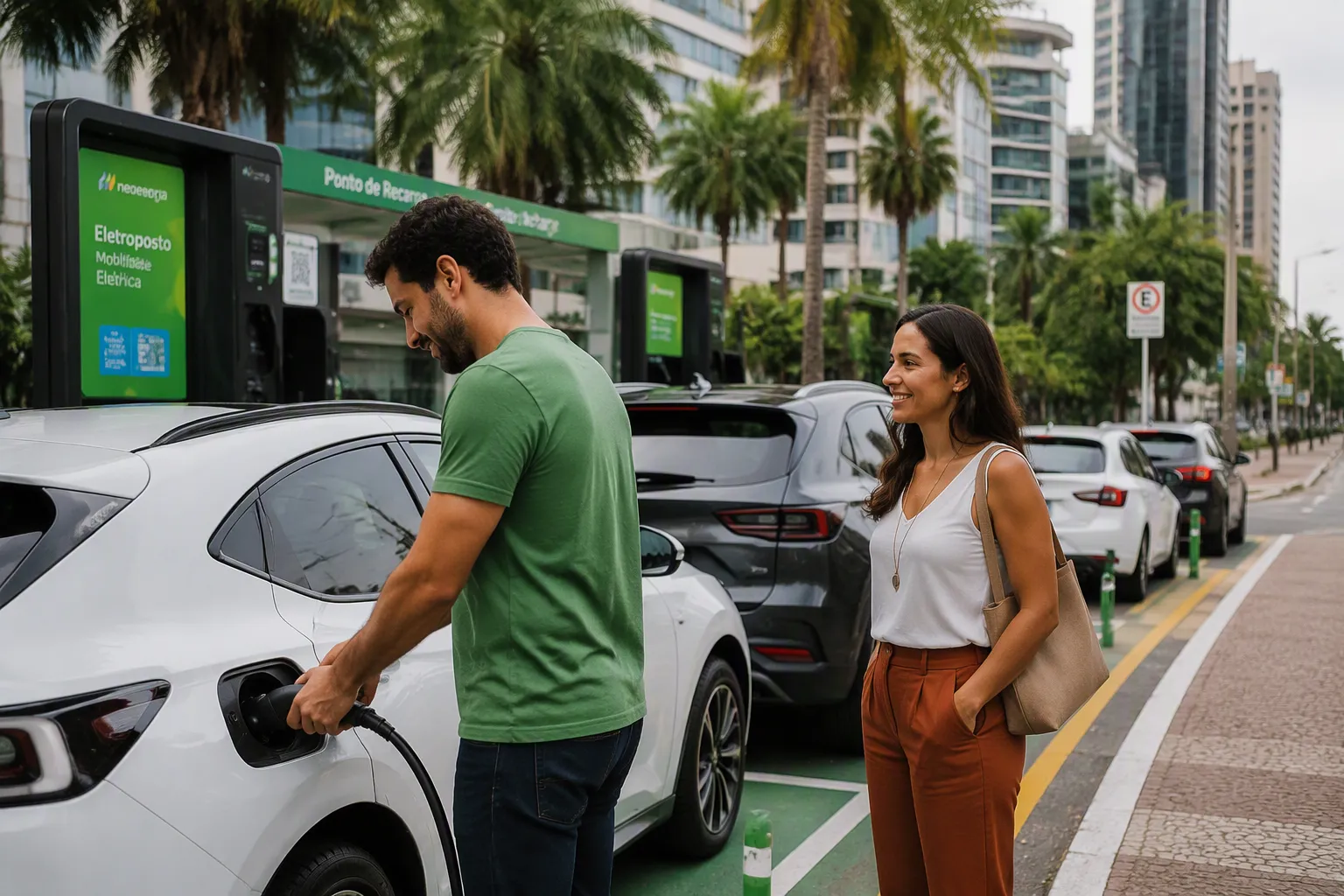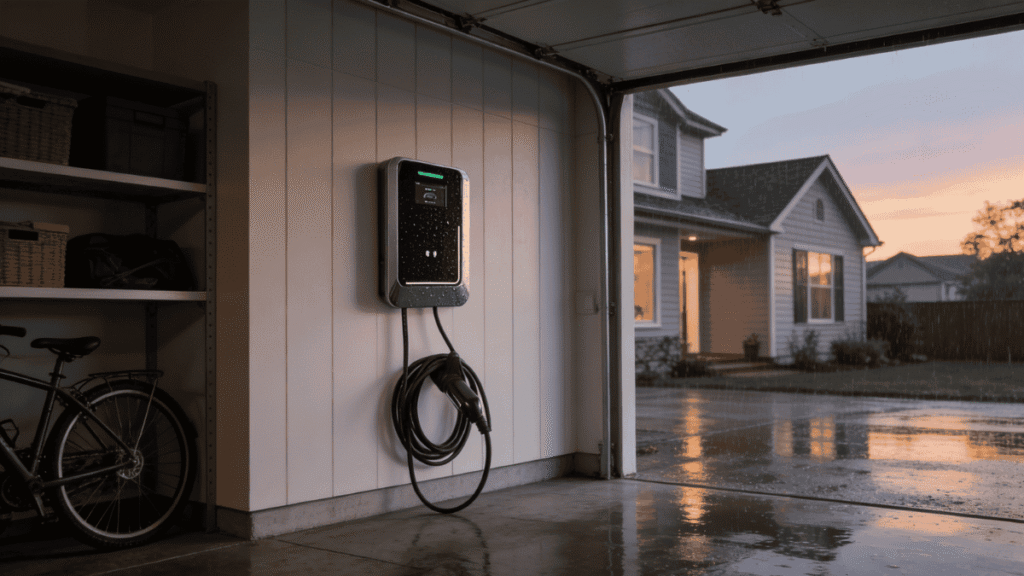
Installing an EV charger outdoors can be just as safe and reliable as an indoor setup—if you plan for water, dust, temperature swings, UV exposure, and physical abuse (wind-driven rain, snow/ice, lawn equipment, and daily cable wear). The goal of weatherproofing isn’t only to “keep water out,” but to ensure the entire charging system (EVSE + wiring + junctions + mounting + cable handling) remains compliant, stable, and easy to use for years.
This guide focuses on best practices for outdoor home and light-commercial installations globally. It references EVSE enclosure ratings and real-world product examples (e.g., NEMA 3R/NEMA 4/NEMA Type 4), and also explains when an outdoor site should choose AC Level 2 versus DC fast charging options.
- Start with the right outdoor rating (NEMA/IP)
- Site selection: rain lines, sun, and physical protection
- Outdoor wiring: conduit, penetrations, and water management
- Plug-in vs hardwired outdoors (and why it matters)
- Cable management: the most overlooked outdoor failure point
- Cold/heat best practices and derating expectations
- Maintenance checklist and periodic inspections
- Outdoor home charging: AC vs DC (when DC is justified)
1) Start with the right outdoor rating (NEMA/IP)
“Outdoor rated” is not one universal spec—manufacturers may use NEMA ratings (common in North America) or IP ratings (common globally). Car and Driver notes that each charging unit they tested had an outdoor-grade rating according to NEMA or IP standards, and that outdoor mounting is generally feasible when the entire installation is properly rated.
| Rating example | What it implies (practical takeaway) | Seen in sources |
|---|---|---|
| NEMA 3R | Outdoor-capable, but not necessarily watertight; some moisture ingress is possible under certain conditions | Car and Driver lists ChargePoint Home Flex and Tesla Universal Wall Connector as NEMA 3R |
| NEMA 4 / Type 4 | Higher water/dust protection than 3R; better for exposed mounting | Car and Driver lists Emporia units as NEMA 4; Smart Charge America describes Emporia enclosures as Type 4 |
| IP ratings (e.g., IP65/67) | Two digits reflect solid and water protection; higher second digit means stronger water resistance | Car and Driver discusses IP66/IP67 context and provides examples like IP65 for Lectron control unit |
Outdoor rating must apply to the EVSE AND the electrical feed. Car and Driver emphasizes that for outdoor mounting, the feed line and (for plug-in installs) the outlet enclosure must also be outdoor-rated—not just the charger itself.
2) Site selection: rain lines, sun, and physical protection
A weatherproof EVSE can still fail early if it is mounted where water can sit, drip constantly, or freeze/thaw around fittings. Think like water: it follows gravity, capillary paths, and cable jackets.
Outdoor placement best practices
- Avoid “drip lines”: don’t mount directly under roof edges/gutters where concentrated runoff hits the enclosure or connector holster.
- Sun/UV management: if possible, mount on a shaded wall or add a small canopy rated for outdoor electrical use.
- Impact and clearance: keep the unit out of door-swing paths, snowplow/shovel zones, and where it can be hit by vehicles.
- Height and splash: mount high enough to avoid puddle splash and snow accumulation around the plug/connector dock.
If you operate public-facing sites (travel stops, retail), the “experience layer” matters too: Love’s highlights amenities, clean facilities, 24/7 staffing, and tech-friendly environments around EV charging—outdoor placement should support safe pedestrian flow and minimize tripping hazards from cables.
3) Outdoor wiring: conduit, penetrations, and water management
Outdoor reliability is often determined by how the electrician handles penetrations, bends, junction points, and the inevitable moisture in conduit. Even “sealed” systems can accumulate condensation.
Key concepts to require in the scope of work
- Proper outdoor-rated conduit and fittings for the full path (panel to EVSE).
- Sealed wall penetrations with appropriate bushings/grommets and exterior-grade sealant where code allows.
- Drip loops on any cable runs that could carry water toward the enclosure (so water drops off before entering).
- Drain/weep strategy where permitted—conduit can trap water; installers may need code-compliant methods to manage it.
- Corrosion awareness in coastal or de-icing salt environments (hardware choice and isolation matter).
4) Plug-in vs hardwired outdoors (and why it matters)
Plug-in (receptacle) outdoors
Plug-in can be convenient, but outdoors it increases the number of weather-exposed interfaces (receptacle, plug blades, box gasket, in-use cover). Car and Driver points out that if you’re using a plug-type unit outside, the outlet enclosure must also be outdoor-rated.
Hardwired outdoors
Hardwired installations eliminate one exposed plug connection and can enable higher output on some models. Emporia’s documentation explains that a plug model is easy to install and portable but can limit charge rate (e.g., 40A), while hardwire can charge at up to 48A.
GFCI and nuisance-tripping considerations
Emporia notes that EV chargers include built-in GFCI protection, and that combining it with a GFCI-protected circuit (often required for certain outlets) can lead to nuisance tripping. For outdoor installations where GFCI requirements apply, confirm the protection approach early with a licensed electrician.
5) Cable management: the most overlooked outdoor failure point
Outdoor cables are exposed to UV, abrasion, twisting, and being run over. Also, the connector end is handled daily—often with wet hands in bad weather. Good cable management is both a safety measure (trip prevention) and an equipment longevity measure.
- Use the EVSE’s integrated holster or mount a dedicated handle holder at a natural height.
- احتفظ بالموصل بعيدًا عن الأرض لمنع تسرب الماء وتهالك الحصى.
- تجنب نصف قطر اللف الضيق الذي يسبب إجهادًا للموصلات في الطقس البارد (أغلفة الكابلات الصلبة).
- قم بتوجيه الكابل بحيث لا يعبر الممرات أو ينضغط بواسطة أبواب المرآب أو البوابات.
غالبًا ما تذكر قوائم المنتجات على Smart Charge America طول الكابل وإدارته كعناصر رئيسية لقابلية الاستخدام (مثل كابل Emporia بطول 25 قدمًا مع إدارة متكاملة؛ كابل ChargePoint Home Flex بطول 23 قدمًا).
6) أفضل الممارسات في البرد/الحرارة وتوقعات تخفيض التصنيف
يجب أن تتحمل أنظمة الشحن الخارجية الظروف القصوى. تسرد Smart Charge America نطاقات درجات حرارة التشغيل على وحدات معينة (مثل Emporia من -22°F إلى 122°F / -30°C إلى 50°C؛ محطة Ford Pro AC حتى -40°F).
أفضل الممارسات حسب المناخ
- البرد/الثلج: ثبت فوق خط الثلج المتوقع؛ امنع تحول حامل الموصل إلى “رف جليدي”.”
- الحرارة/الشمس: قلل الحمل الشمسي المباشر بالظل عندما يكون ذلك ممكنًا؛ تأكد من وجود مسافات تهوية كافية حول العلبة.
- الرطوبة/الساحلية: أعط أولوية أعلى لتصنيفات العزل ومعدات التثبيت المقاومة للتآكل.
7) قائمة فحص الصيانة والفحوصات الدورية
يجب معاملة التثبيتات الخارجية مثل غيرها من المعدات الكهربائية الخارجية: فحص ربع سنوي سريع يمكن أن يمنع تحول معظم المشكلات إلى أعطال.
| عنصر الفحص | ما يجب البحث عنه | الإجراء |
|---|---|---|
| العلبة وخطوط الجوان | الشقوق، الأغطية المشوهة، البراغي المفقودة | أوقف الاستخدام وقم بالصيانة إذا اشتبه في تسرب الماء |
| غلاف الكابل | الجروح، التسطح، نقاط التآكل | استبدل الكابل/وحدة EVSE إذا كان هناك خطر تعرض الموصل |
| الموصل/المقبض والحامل | الحطام، التآكل، الارتخاء | نظف/جفف؛ تأكد من تخزين الموصل بعيدًا عن الأرض |
| مسامير التثبيت | الصدأ، الاهتزاز، تلف الحائط | أعد شد/استبدل العدة؛ عالج مشكلات المادة الأساسية |
8) الشحن المنزلي الخارجي: التيار المتردد مقابل التيار المستمر (عندما يكون التيار المستمر مبررًا)
لا يعني الخارج تلقائيًا “تيار مستمر سريع”. بالنسبة لمعظم المنازل، يظل التيار المتردد من المستوى 2 المعيار العملي للشحن طوال الليل، بينما يتم نشر الشحن السريع بالتيار المستمر.
مواقع تشكيلة شواحن السيارات الكهربائية من TPSON شواحن السيارات الكهربائية كمجموعة حلول كاملة تشمل شواحن التيار المتردد الكهربائية وشواحن التيار المستمر السريعة المدمجة للتطبيقات التجارية والطارئة.
متى يكون التيار المستمر منطقيًا في الأماكن الخارجية
إذا كانت الحاجة الحقيقية هي التنقل أو الدوران السريع (مثل ساحة الأسطول، مساعدة الطرق، الفعاليات)، فقد يكون حل التيار المستمر المحمول مناسبًا. تحدد سلسلة TP?DC المدمجة من TPSON شواحن التيار المستمر للمركبات الكهربائية.
إعداد شاحن السيارة الكهربائية الخارجي “الأفضل” هو الذي تتطابق فيه مواصفات وحدة EVSE مع التعرض، ويكون نظام الأسلاك مصنفًا للاستخدام الخارجي من البداية إلى النهاية، وتكون معالجة الكابل سهلة.
- Car and Driver: مناقشة وتوضيحات التصنيف الخارجي (NEMA/IP) — https://www.caranddriver.com/shopping-advice/a39917614/best-home-ev-chargers-tested/
- Emporia Classic: القابس مقابل التوصيل المباشر والإزعاج الناتج عن فصل قاطع GFCI — https://shop.emporiaenergy.com/products/emporia-ev-charger
- قوائم Smart Charge America: تصنيفات العلبة، نطاقات درجات الحرارة، أطوال الكابلات — https://smartchargeamerica.com/electric-car-chargers/
- Love's EV Charging: سياق شبكة المستوى 2 + المستوى 3 — https://www.loves.com/ev-charging
- شواحن السيارات الكهربائية TPSON / شواحن التيار المتردد للسيارات الكهربائية / شاحن التيار المستمر المحمول للسيارات الكهربائية — https://tpsonpower.com/ev-chargers/ | https://tpsonpower.com/ac-ev-chargers/ | https://tpsonpower.com/portable-dc-ev-charger/
- خلفية الشركة المصنعة TPSON — https://tpsonpower.com/about/
إخلاء المسؤولية: يجب تنفيذ العمل الكهربائي وفحصه وفقًا للكود المحلي بواسطة كهربائي مؤهل.