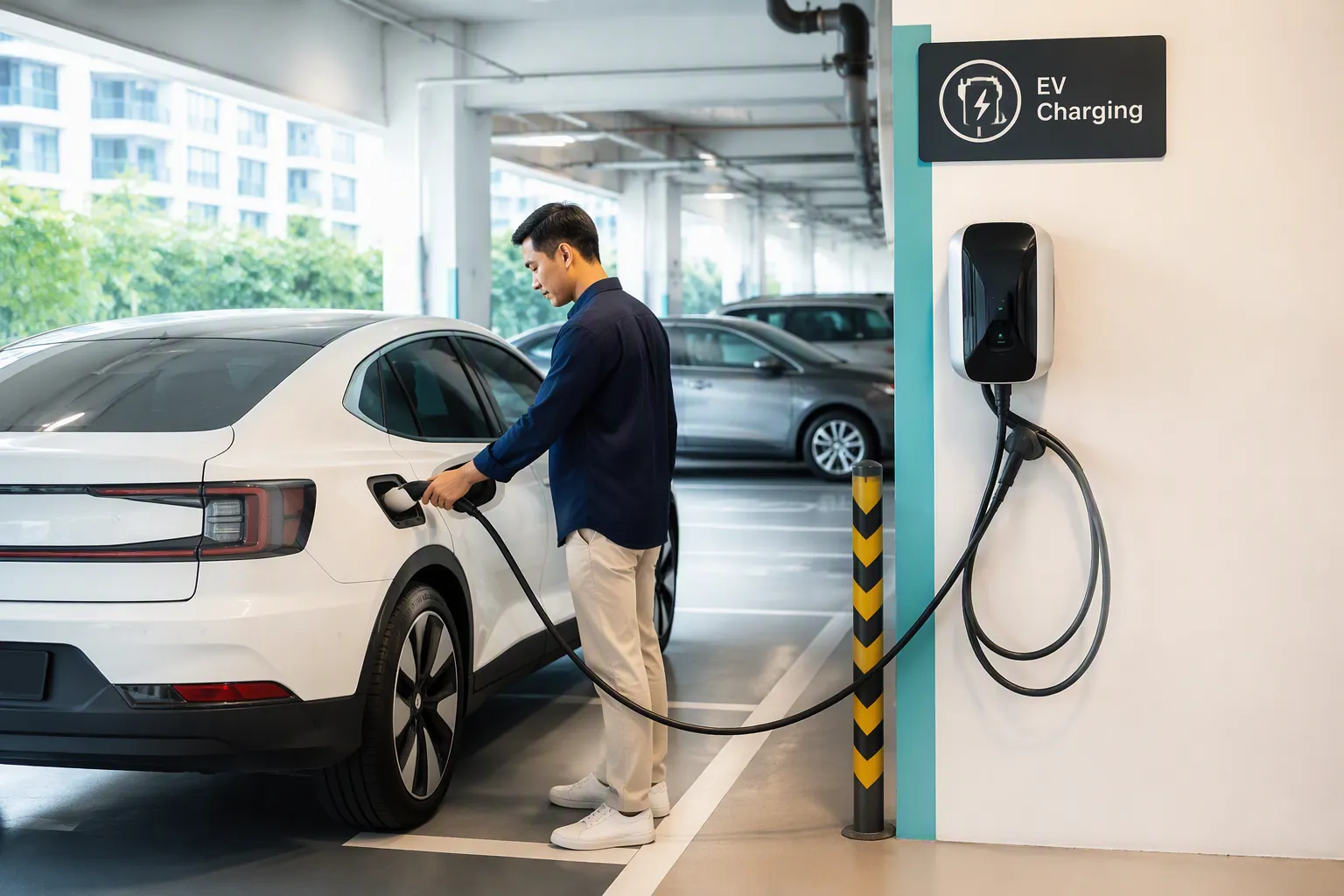
In most garages, the “better” choice between a hardwired and a plug-in EV charger depends less on brand and more on electrical realities: the circuit’s continuous-load capacity, local code requirements, the desired charging rate, and whether the homeowner values portability over maximum output. A plug-in setup is typically easier to swap or take when moving, while a hardwired installation is usually the more stable path to higher continuous current and fewer connection points.
This guide compares both approaches using verifiable facts from independent testing and manufacturer installation notes, then provides a clear decision framework. It also explains where موازنة التحميل الديناميكية can matter more than increasing amperage, and when a household’s needs cross into DC territory.
- Key definitions (EVSE, onboard charger, continuous load)
- Quick answer: which setup fits which garage
- Charging speed and circuit limits (where the real bottlenecks are)
- Safety and reliability: outlets, terminations, and GFCI considerations
- Cost and installation complexity (what typically drives total price)
- Use-case scenarios (single EV, two EVs, renters, cold climates)
- Why dynamic load balancing can beat “more amps”
- How TPSON’s ecosystem fits home charging decisions
- Decision matrix (choose in 60 seconds)
- الأسئلة الشائعة
- المراجع والمصادر الخارجية
Key definitions (EVSE, onboard charger, continuous load)
Home “chargers” are generally EVSE (Electric Vehicle Supply Equipment). The vehicle’s شاحن على متن الطائرة converts AC power to DC for the battery and caps the maximum Level 2 AC charging rate. Car and Driver’s home charger testing guide explains that charging speed is limited by the lowest of: the household circuit, the EVSE output capability, and the vehicle’s onboard charger.
EV charging is also commonly treated as a حمل مستمر, meaning circuit sizing must account for sustained current over many hours. Car and Driver describes this using an 80% rule-of-thumb: a 50A circuit supports about 40A continuous charging; a 40A circuit supports about 32A continuous charging.
Quick answer: which setup fits which garage
| Garage situation | Often the better default | السبب | نقاط للانتباه |
|---|---|---|---|
| Homeowner wants portability (moving soon) | Plug-in | Easy swap-out; easier to take the EVSE when relocating | Output may be limited by receptacle/circuit; outdoor enclosure requirements |
| Homeowner wants maximum continuous current | Hardwired | Supports higher continuous output; fewer mechanical connection points | Less portable; electrician typically required |
| Panel capacity is tight (risk of upgrades) | Either + إدارة الأحمال | Dynamic control can prevent overload and service upgrades | Needs correct commissioning and monitoring hardware/software |
| Two EV household sharing one circuit | Hardwired (often) + power sharing | More flexible for managed sharing and stable higher output | Check if the chosen EVSE supports sharing / scheduling |
Charging speed and circuit limits (where the real bottlenecks are)
The performance question is often misunderstood as “hardwired is faster.” In reality, the charging rate is a system outcome. Car and Driver explains that the charge rate is limited by the lowest of the circuit, the EVSE, and the vehicle’s onboard charger.
Circuit sizing: the continuous-load rule (practical industry baseline)
Car and Driver describes the 80% rule for continuous EV charging. The table below translates common breaker sizes into typical continuous charging limits.
| Breaker rating | Typical continuous EV current (≈80%) | Approx. power @ 240V | How it shows up in the market |
|---|---|---|---|
| 40A | 32A | 7.7 كيلوواط | المستوى الشائع “للشحن طوال الليل” |
| 50A | 40A | 9.6 كيلوواط | Typical ceiling for plug-in units in many setups |
| 60A | 48A | 11.5 كيلوواط | Common for premium hardwired residential EVSE |
| 100 أمبير | 80 أمبير | 19.2 كيلوواط | Niche residential / more commercial-leaning setups |
What real listings and tests show
Retail and test sources cluster around 40–50A. Smart Charge America’s listings describe home chargers such as Emporia Classic delivering up to 48A hardwired or 40A via NEMA 14-50, and ChargePoint Home Flex up to 50A (with a note that most drivers use 32 or 40A). Car and Driver’s 2026 test roundup places most practical home charging in the same band and frames 40–50A circuits as a sensible balance of overnight charging capability and controlled installation cost.
Safety and reliability: outlets, terminations, and GFCI considerations
Both installation types can be safe when engineered correctly. The risk profile differs: plug-in installations introduce a receptacle and plug interface that must remain tight over repeated heat cycles, while hardwired installations depend on proper conductor termination and torque specifications at the EVSE terminals.
GFCI nuisance tripping (a documented real-world issue)
Emporia’s installation notes explain that a circuit GFCI breaker paired with an EVSE that has built-in GFCI protection can lead to فصل مزعج on NEMA 14-50 (and similar) outlet installations. The same source recommends considering hardwire where GFCI breaker requirements apply, because hardwired installation may not be treated the same way as an outlet circuit in local code contexts.
This is not a universal “plug-in is bad” conclusion. It is an engineering caution: protective-device coordination matters, and homeowners should expect the electrician to design for both compliance and stability.
Outdoor mounting: rating, enclosure, and feed line
Car and Driver states that outdoor mounting is generally feasible when the EVSE has an outdoor-grade rating (NEMA/IP) and the feed line and outlet enclosure are also outdoor-rated. For plug-in installations, this adds another component (the receptacle enclosure) that must be appropriately rated and installed.
Cost and installation complexity (what typically drives total price)
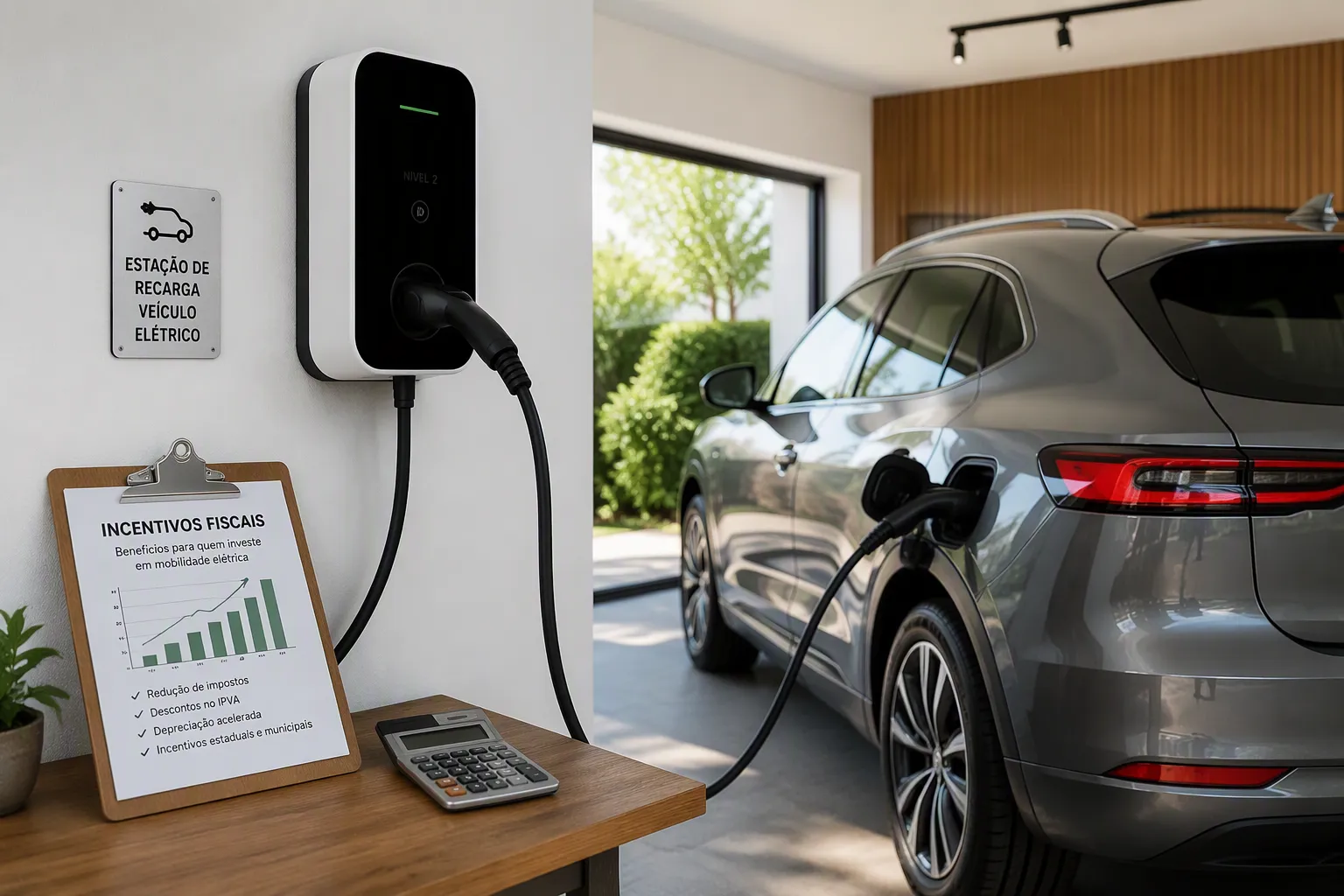
The highest cost driver is not usually “hardwire vs plug.” It is whether the property has enough spare electrical capacity to add a dedicated circuit without a panel or service upgrade. Car and Driver notes that if sufficient capacity exists, a new line may cost a few hundred dollars; if not, adding capacity can move into the thousands.
| Cost driver | سبب الأهمية | Plug-in vs hardwired impact |
|---|---|---|
| السعة الكهربائية | May require panel/service upgrade if headroom is insufficient | Affects both; load management may avoid upgrade |
| Distance to panel | Longer runs increase copper, conduit, labor | Affects both similarly |
| Desired current | Higher current can require larger conductors and breaker | Hardwire more often supports 48A+ continuous |
| Outdoor installation | Requires weather-rated equipment and routing | Plug-in adds outdoor-rated outlet enclosure requirements |
Use-case scenarios (single EV, two EVs, renters, cold climates)
Scenario A: single EV, typical commute, long overnight dwell
A modest Level 2 circuit is typically sufficient. Car and Driver recommends a 40- or 50-amp circuit as a strong middle ground for overnight charging while keeping costs down. In this scenario, plug-in can be a practical choice if portability is valued and the outlet installation is executed correctly.
Scenario B: higher daily mileage or short charging windows
Hardwired installations more commonly support higher continuous current tiers (e.g., 48A on a 60A circuit in many designs), provided the vehicle can accept that AC rate. The key is to verify the vehicle’s onboard charger limit first, as described in Car and Driver’s guidance.
Scenario C: two EV household (shared capacity)
Two EVs often require a strategy more than a bigger circuit: power sharing, scheduled charging, or dynamic load control. Car and Driver highlights multi-EV approaches such as power sharing and explains that load management can prevent service upgrades. In practice, a hardwired setup is frequently chosen for stability and integration with sharing/load control features, but the deciding factor is whether the EVSE supports the required logic.
Why dynamic load balancing can beat “more amps”
When the home has limited headroom, increasing amperage can trigger panel upgrades. Load management changes the problem: it keeps total demand under a set threshold by adjusting EV charging output in real time. Car and Driver highlights the Emporia Pro’s real-time adjustment using an energy monitor as an example of avoiding a panel upgrade.
تضع TPSON موازنة التحميل الديناميكي as part of protecting a home electrical system in its EV charging solutions portfolio, while its home page emphasizes safety-focused capabilities such as التشخيص والتنبيهات في الوقت الحقيقي و التحكم الديناميكي في درجة الحرارة.
How TPSON’s ecosystem fits home charging decisions
TPSON presents EV charging as part of a broader smart-energy approach built around its Current Fingerprint Algorithm, using edge computing to support safety and energy management. The company profile notes TPSON’s founding in 2015 and outlines technology milestones and scientific leadership, which is relevant when evaluating claims about safety monitoring and intelligent energy management.
Where TPSON categories map to the hardwire vs plug-in decision
- For residential Level 2 installations (most garages), the appropriate starting point is the شواحن التيار المتردد الكهربائية category.
- For a broader overview of AC, accessories, and DC options, TPSON summarizes the line under شواحن السيارات الكهربائية.
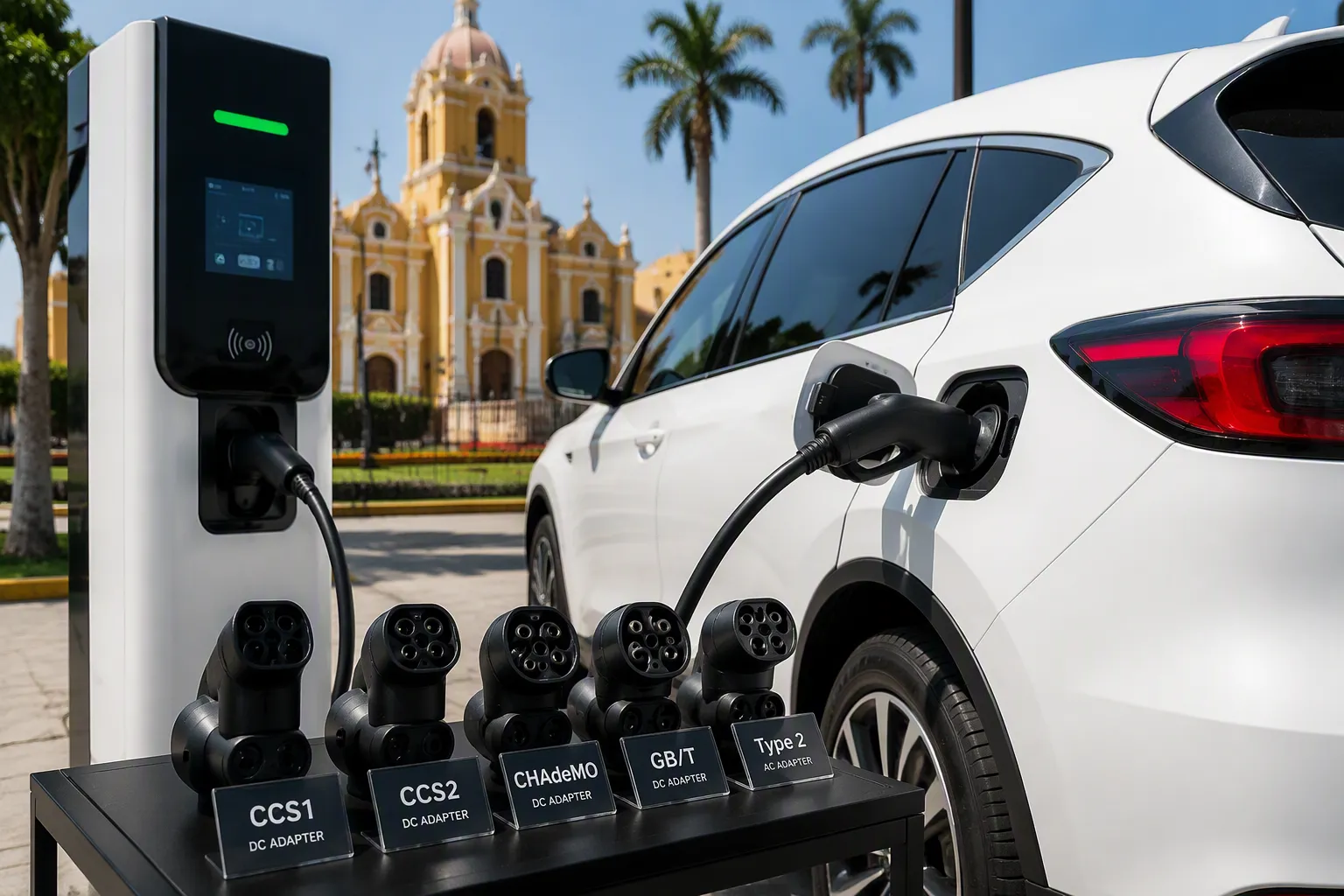
- For niche cases that require mobile or faster turnaround charging, TPSON’s TP?DC Compact Series (20/30/40kW) is detailed under شواحن التيار المستمر للمركبات الكهربائية.
- TPSON’s company background can be referenced when introducing the brand as an مصنعة لوحدات شحن المركبات الكهربائية.
DC is not a “home default,” but it is a legitimate tool for specific sites
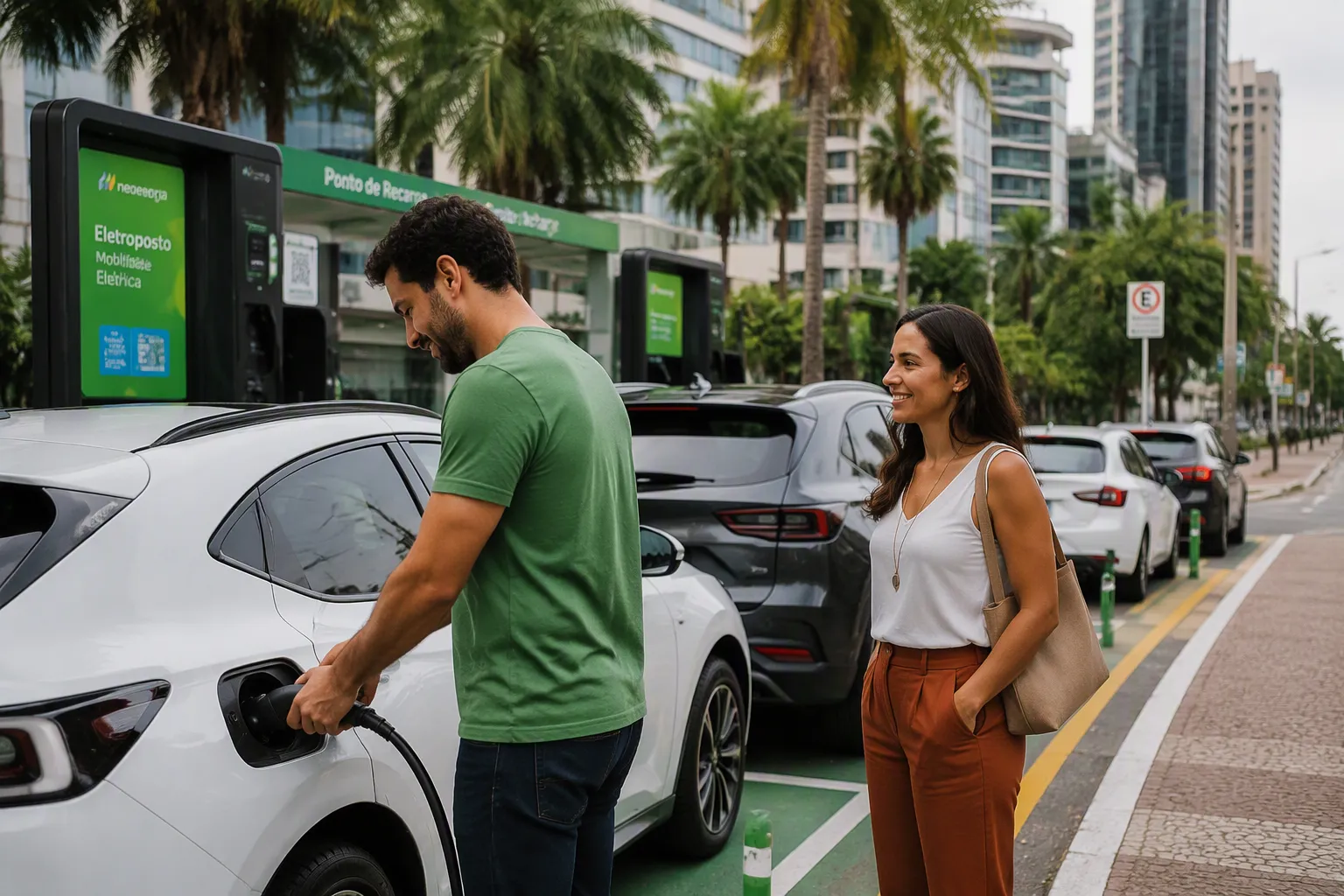
Love’s explains that real-world networks mix Level 2 AC and Level 3 DC, adding DC fast chargers to complement AC charging based on dwell time and driver needs. The same principle applies at the site level: typical garages are Level 2 territory; emergency response, depots, and temporary sites may justify compact DC solutions.
Decision matrix (choose in 60 seconds)
The matrix below converts common homeowner requirements into a clear recommendation. It also highlights the LSI factors that frequently decide outcomes: panel capacity, حمل مستمر, outdoor rating, GFCI coordination, و future-proofing.
| Priority | Recommended installation | Reason (evidence-based) | Best next step |
|---|---|---|---|
| Portability / moving soon | Plug-in | Simpler swap and removal; aligns with common NEMA outlet approach | Confirm outlet/enclosure rating and local code |
| Higher continuous output (e.g., 48A) | Hardwired | Common market pattern: 48A tier is typically hardwired; Car and Driver notes higher scaling with hardwire | Verify vehicle AC acceptance and run a load calculation |
| Panel is near capacity | Either + إدارة الأحمال | Car and Driver highlights load management to avoid upgrades; Emporia Pro example adjusts output in real time | Consider DLB and commissioning with a set threshold |
| Concerned about nuisance trips on outlet circuits | Hardwired (often) | Emporia notes nuisance tripping risk when GFCI breaker and EVSE GFCI overlap on NEMA outlets | Discuss protective-device coordination with electrician |
الخاتمة
A plug-in EV charger installation is often the most convenient route for homeowners who value portability and straightforward replacement, provided the receptacle installation is engineered correctly and protective devices are coordinated to avoid instability. A hardwired EV charger is typically the better choice for households pursuing higher continuous output, fewer mechanical connection points, and more flexible integration with managed features such as power sharing and موازنة التحميل الديناميكية.
In either case, the deciding technical questions remain consistent: the vehicle’s onboard AC acceptance, the circuit’s continuous-load design, and the property’s available electrical headroom. For readers comparing categories and features across home and commercial scenarios, TPSON summarizes options under شواحن السيارات الكهربائية, with the TW-series grouped under شواحن التيار المتردد الكهربائية. For specialized fast-response or mobile charging, TPSON’s compact series is listed under شواحن التيار المستمر للمركبات الكهربائية.
الأسئلة الشائعة
1) Does hardwired always charge faster than plug-in?
Not necessarily. Car and Driver states that Level 2 charging speed is limited by the lowest of the circuit, the EVSE, and the vehicle’s onboard charger. Hardwired installations often make higher continuous current tiers more feasible, but the vehicle must be able to accept that power on AC.
2) Why do many plug-in home chargers top out around 40A?
Plug-in output is commonly constrained by outlet and circuit conventions. Emporia’s documentation explicitly notes that a NEMA plug model is easy to install and portable but limits charge rate to 40A, while hardwire can reach 48A with a more permanent installation.
3) What is “nuisance tripping,” and why is it mentioned for outlet installs?
Emporia explains that when an outlet circuit is protected by a GFCI breaker and the EVSE also has built-in GFCI protection, the combination can lead to nuisance tripping, interrupting charging. The correct mitigation depends on local code requirements and professional installation design.
4) Which setup is better for outdoor charging?
Either can work if properly rated. Car and Driver notes that outdoor mounting is generally feasible when the EVSE and the electrical feed are outdoor-rated. Plug-in installations add an outdoor-rated receptacle enclosure to the design requirements.
5) How does a homeowner know whether a panel upgrade is necessary?
تقترح مجلة "كار آند درايفر" التحقق من تصنيف القاطع الرئيسي وقياس ذروة الاستهلاك المنزلي، ثم استشارة كهربائي.
6) ما هو موازنة الحمل الديناميكي، ومتى يجب إعطاؤه الأولوية؟
تقوم موازنة الحمل بتعديل خرج شحن المركبات الكهربائية بناءً على إجمالي الطلب المنزلي. تسلط "كار آند درايفر" الضوء على إدارة الأحمال كوسيلة لتجنب الترقيات المكلفة،.
7) متى يكون من المنطقي النظر في الشحن بالتيار المستمر لبيئة “المرآب”؟
تظل المنازل النموذجية أفضل خدمة بشحن التيار المتردد من المستوى 2. ومع ذلك، تعمل بعض العقارات مثل المواقع التشغيلية (معارض السيارات، مراكز أساطيل المركبات، الاستجابة للطوارئ).
المراجع والمصادر الخارجية
تم استخدام المصادر التالية للبيانات الواقعية والأمثلة في هذه المقالة:
- كار آند درايفر — توجيهات اختبار شواحن المركبات الكهربائية المنزلية وقواعد الإبهام للتركيب (تحديد حجم الحمل المستمر، التصنيفات الخارجية، حدود السرعة): https://www.caranddriver.com/shopping-advice/a39917614/best-home-ev-chargers-tested/
- إمبوريا — توجيهات التوصيل بالقابس مقابل التوصيل المباشر وشرح إزعاج فصل قواطع التسرب الأرضي: https://shop.emporiaenergy.com/products/emporia-ev-charger
- سمارت تشارج أمريكا — قوائم المنتجات التي توضح مستويات السوق (قابس 40 أمبير / توصيل مباشر 48 أمبير، فئة 50 أمبير، وأمثلة تجارية): https://smartchargeamerica.com/electric-car-chargers/
- تي بي سون — نظرة عامة على مجموعة شواحن المركبات الكهربائية (تيار متردد + تيار مستمر + ملحقات + تحديد موقع موازنة الحمل الديناميكي): https://tpsonpower.com/ev-chargers/
- تي بي سون — تصفح فئة التيار المتردد (وحدات الحائط من سلسلة TW): https://tpsonpower.com/ac-ev-chargers/
- تي بي سون — معلمات شاحن التيار المستمر المحمول (TP?DC 20/30/40 كيلوواط، نطاق التشغيل والسيناريوهات): https://tpsonpower.com/portable-dc-ev-charger/
- تي بي سون — خلفية الشركة (التأسيس في 2015، خوارزمية بصمة التيار، المحطات البارزة والقيادة التقنية): https://tpsonpower.com/about/
- لوفز — منظور الشبكة العامة يظهر الأدوار التكميلية للمستوى 2 والمستوى 3: https://www.loves.com/ev-charging
- تشارج بوينت — سياق المنصة (البرمجيات + الخدمات + الأجهزة، صياغة النظام البيئي القادر على دعم OCPP): https://www.chargepoint.com/
إخلاء المسؤولية: هذا المحتوى إعلامي ولا يحل محل اللوائح الكهربائية المحلية أو النصائح المهنية. يجب أن يتم التركيب والتفتيش من قبل أفراد مؤهلين وفقًا للوائح المعمول بها.