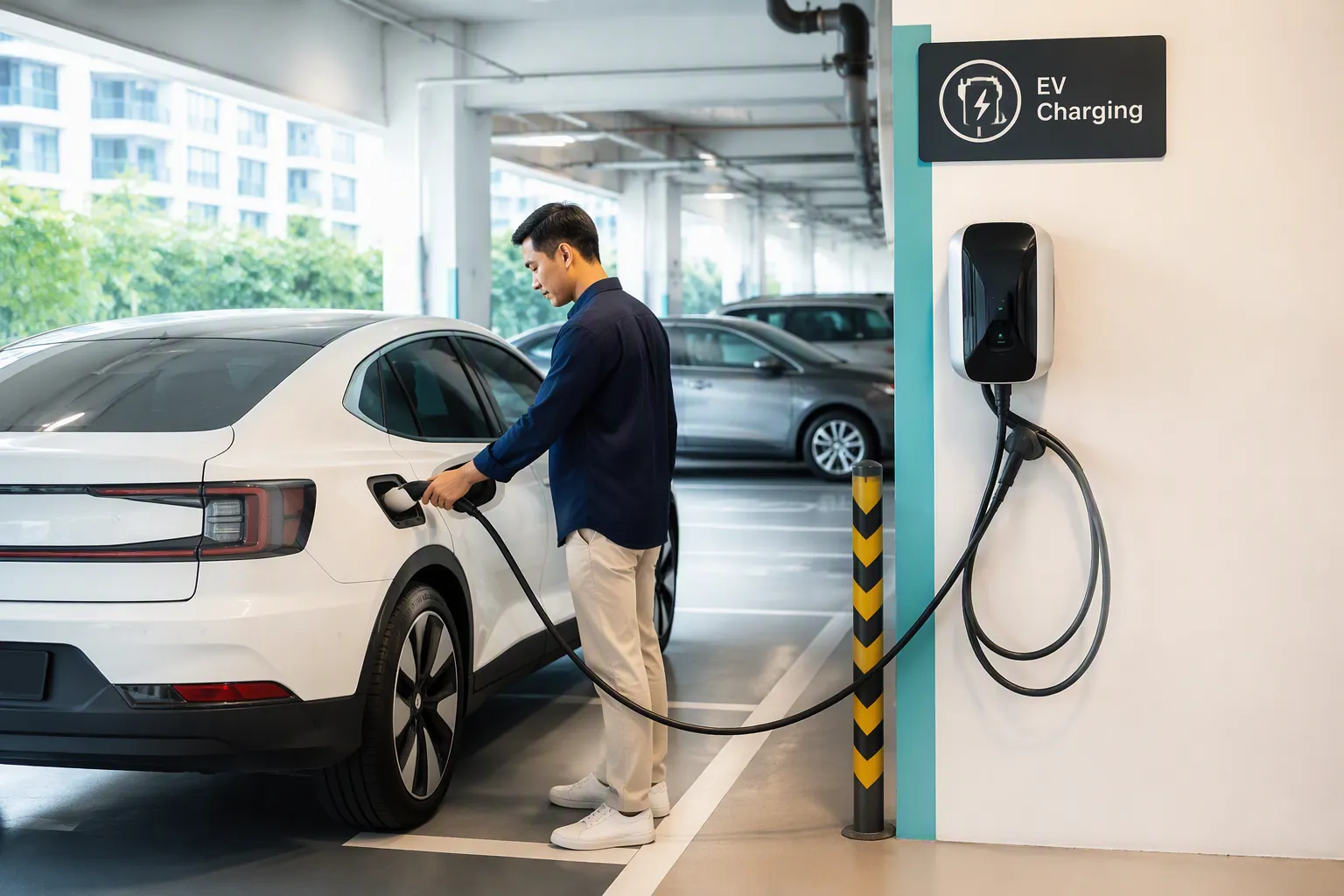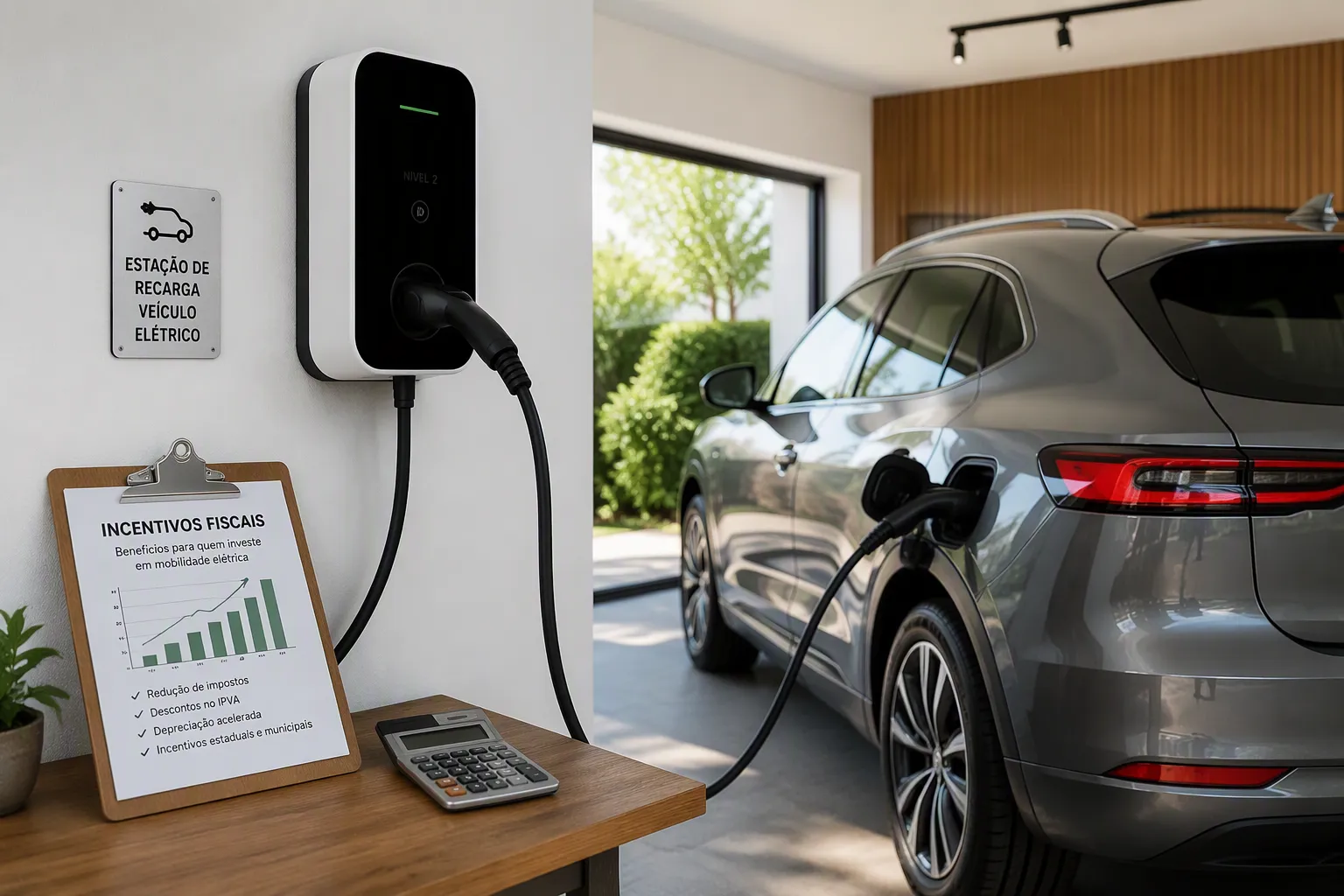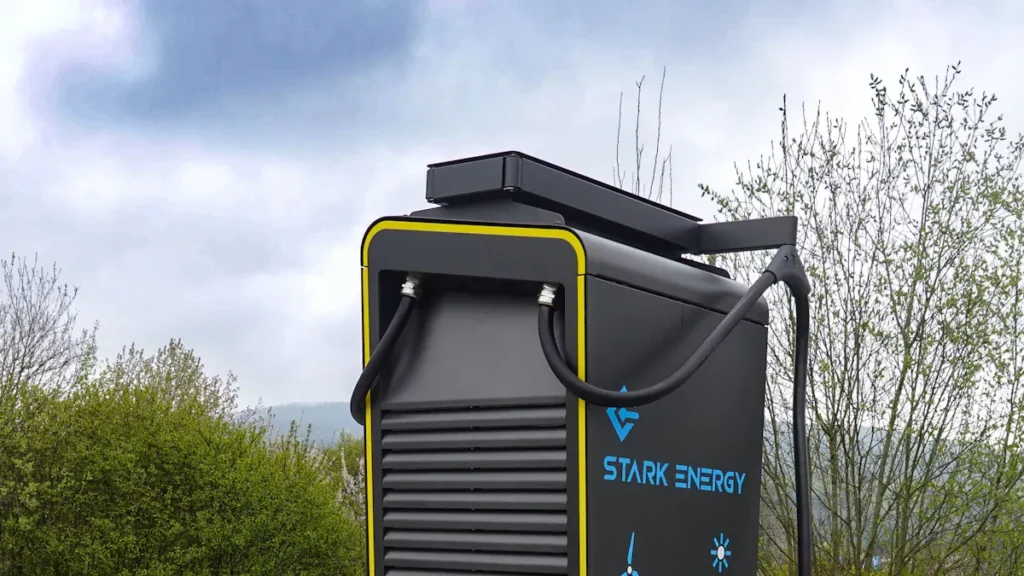

Brazilian EV owners typically find a Level 1 Charger at home more practical than relying on public stations. Home charging offers predictable costs, easy access, and dependable performance. Most households meet basic electrical requirements, making installation straightforward for الشركات المصنعة لشاحن السيارة الكهربائية. Users enjoy flexibility with شواحن السيارات الكهربائية المحمولة, and daily charging needs align well with حلول شحن السيارات الكهربائية available. Public stations face challenges with limited coverage and inconsistent reliability.
- Cost efficiency and convenience favor home charging.
- User experience improves with reliable, private access.
Level 1 Charger at Home in Brazil
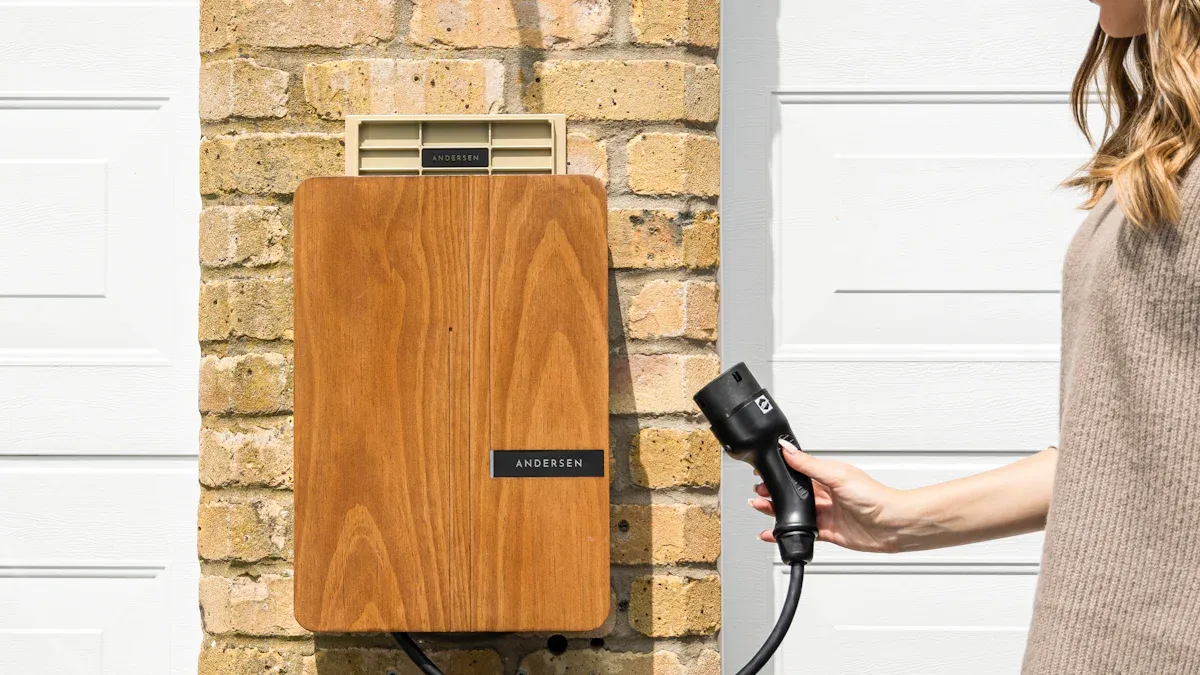
Practicality for Brazilian Households
المتطلبات الكهربائية المنزلية
Most Brazilian homes support the basic electrical needs for a شاحن المستوى 1. Standard outlets deliver the necessary voltage for safe and consistent charging. Homeowners rarely need to upgrade their electrical panels. TPSON, a technologically advanced electric vehicle charging solution provider, recommends checking for proper grounding and stable connections before installation.
Space and Safety Factors
A Level 1 Charger fits easily into most garages or driveways. The compact design allows users to store the charger without clutter. Safety remains a top priority. Users should keep the charging area dry and free from flammable materials. Proper cable management reduces tripping hazards and protects the equipment from damage.
Level 1 Charger Installation and Costs
المصروفات المقدمة
The initial investment for a Level 1 Charger remains low compared to higher-level charging solutions. Most units come with the vehicle, so buyers avoid extra hardware costs. Installation usually involves plugging the charger into an existing outlet. TPSON offers guidance for safe setup, ensuring compliance with local regulations.
Ongoing Electricity Costs
Electricity rates in Brazil vary by region. Charging at home allows users to monitor and control their energy consumption. Home charging often costs less than public charging stations. Users can take advantage of off-peak rates to further reduce expenses.
Tip: Monitoring electricity usage helps drivers optimize charging schedules and save money.
Charging Speed and Daily Use
أوقات الشحن المعتادة
A Level 1 Charger provides a power output between 1.4kW and 1.9kW. This translates to a charging speed of 3 to 5 miles of range per hour. Charging a battery from 0% to 100% can take over 24 hours. The following table summarizes key features:
| الميزة | التفاصيل |
|---|---|
| ناتج الطاقة | 1.4kW to 1.9kW |
| سرعة الشحن | 3 to 5 miles of range per hour |
| وقت الشحن | Over 24 hours from 0% to 100% |
| الأفضل لـ | PHEVs or short daily commutes |
Meeting Daily Driving Needs
Most Brazilian EV owners drive short distances each day. A Level 1 Charger meets the needs of plug-in hybrid electric vehicles (PHEVs) and those with short commutes. Overnight charging restores enough range for daily use. For longer trips, drivers may need to plan ahead or use faster charging options.
Reliability and Convenience of Home Charging
Charging Flexibility
Home charging provides unmatched flexibility for electric vehicle owners in Brazil. Drivers can plug in their vehicles at any time, whether during the day or overnight. This flexibility eliminates the need to search for available public stations or wait in line. Many users appreciate the ability to start each day with a full battery, which reduces range anxiety and increases confidence in daily travel.
A Level 1 Charger supports a wide range of charging schedules. Some drivers prefer to charge their vehicles overnight, while others top up during off-peak hours to take advantage of lower electricity rates. This adaptability fits the diverse routines of Brazilian households. For families with multiple vehicles, home charging allows each car to receive attention without disrupting daily activities.
Note: Charging at home also means drivers can avoid unexpected detours to public stations, which saves time and reduces stress.
Maintenance and Troubleshooting
Home charging equipment requires minimal maintenance. Most Level 1 Charger units feature robust construction and simple operation. Owners can perform basic checks, such as inspecting cables for wear or ensuring the outlet remains in good condition. These routine inspections help maintain safety and prolong the lifespan of the charger.
If issues arise, troubleshooting at home proves straightforward. Many manufacturers, including TPSON, provide clear user manuals and customer support. Common problems, such as loose connections or tripped breakers, can often be resolved without professional assistance. In rare cases, certified electricians can address more complex electrical concerns.
The following table highlights key aspects of home charging maintenance:
| المهمة | التردد | Who Handles It |
|---|---|---|
| Visual cable inspection | شهرياً | Owner |
| Outlet check | كل 6 أشهر | Owner/Electrician |
| تحديثات البرامج الثابتة | As needed | Owner/Manufacturer |
| Professional servicing | Rarely required | Certified Electrician |
Home charging also enhances reliability. Drivers control their charging environment, which reduces the risk of vandalism or theft. The convenience of home access means fewer interruptions and a smoother ownership experience.
Public Charging Stations in Brazil
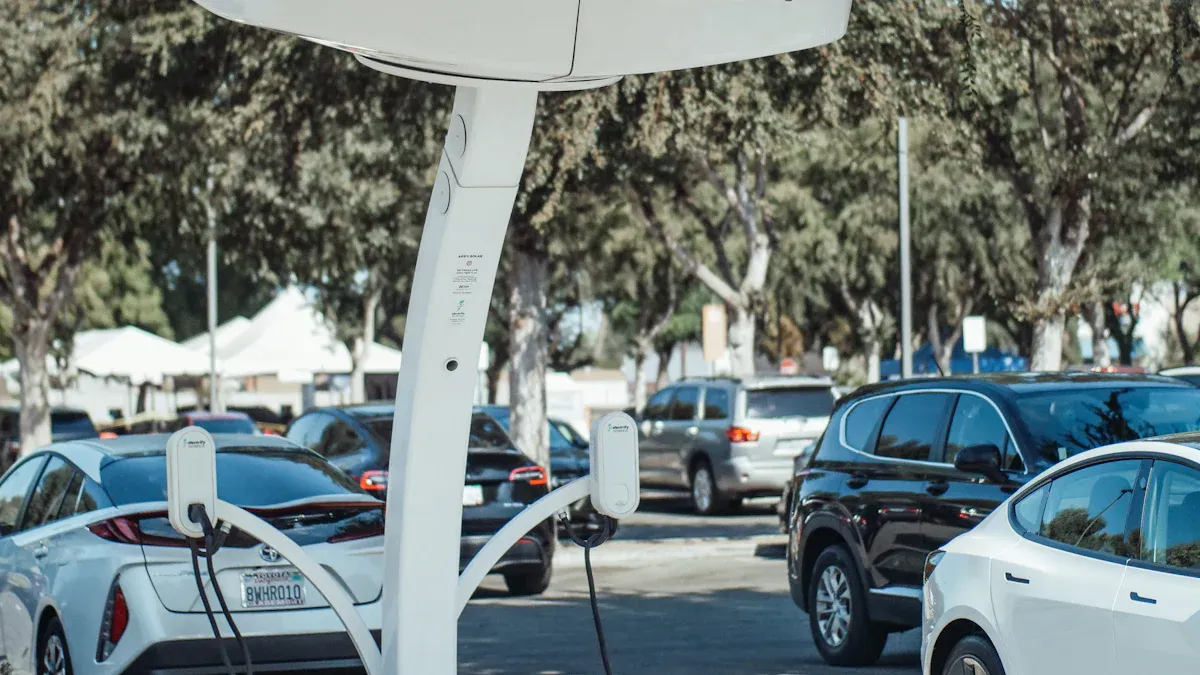
Availability and Accessibility
Charging Stations in Major Cities
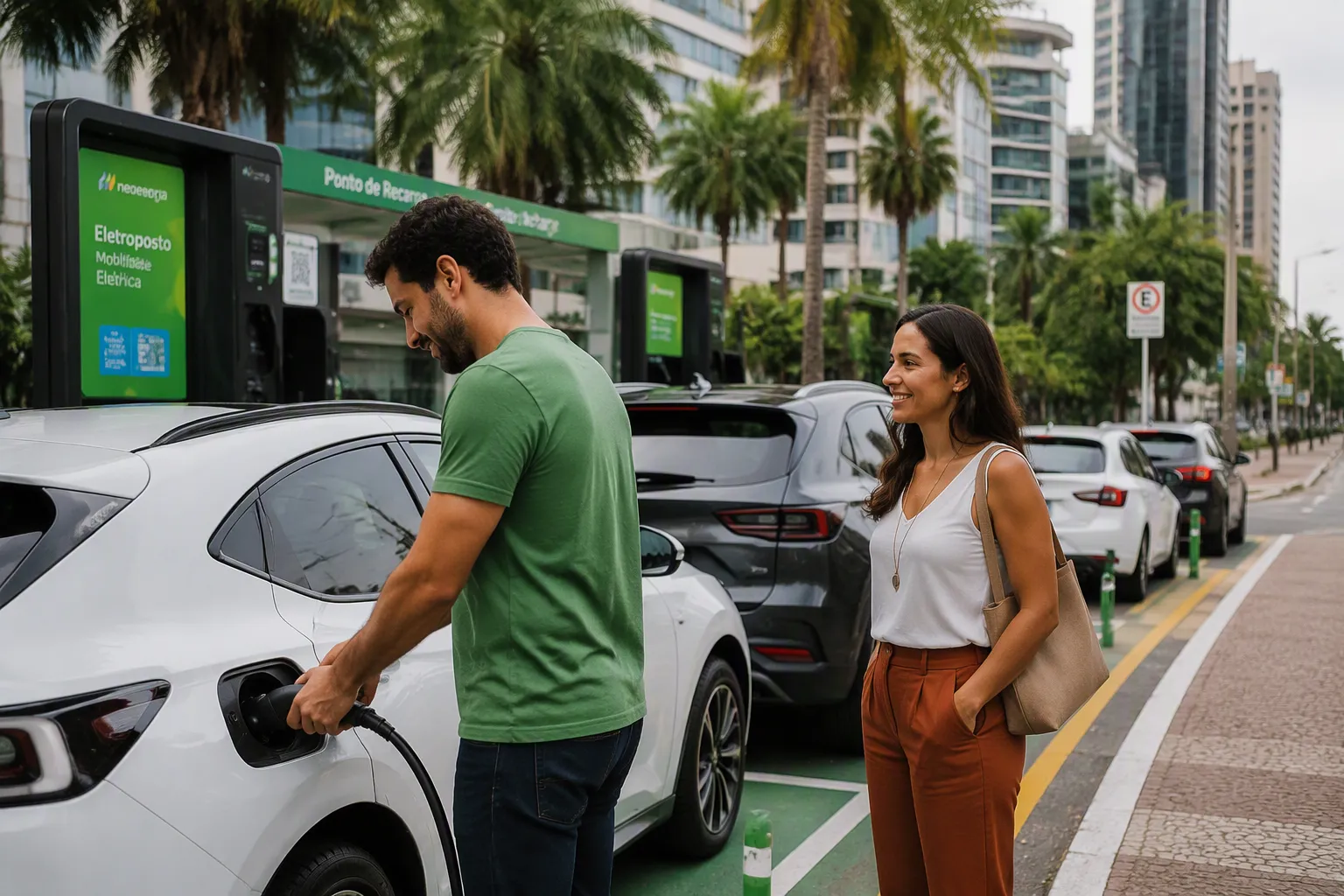
Brazilian cities like São Paulo, Rio de Janeiro, and Brasília offer the highest concentration of public EV charging stations. Drivers in urban areas benefit from a growing network of chargers located in shopping malls, parking garages, and office complexes. Many stations appear on popular navigation apps, making it easier for users to locate available chargers. The government and private companies continue to invest in expanding infrastructure, but coverage remains uneven. Some neighborhoods feature multiple stations, while others lack options.
Note: Urban EV owners often rely on public stations when they do not have access to home charging.
Coverage in Suburban and Rural Areas
Suburban and rural regions face significant challenges with public charging accessibility. Most stations cluster in city centers, leaving outlying areas underserved. Drivers in smaller towns or remote locations may travel long distances to reach a charger. The limited coverage creates obstacles for EV adoption outside major cities. Expansion projects aim to address these gaps, but progress remains slow.
Key Points:
- Suburban coverage is sparse.
- Rural areas often lack any public charging options.
- Infrastructure growth focuses on urban demand.
Charging Speed and Types of Public Chargers
Fast Chargers vs. Standard Chargers
Public stations in Brazil offer two main types of chargers: fast chargers and standard chargers. Fast chargers deliver higher power, typically between 22kW and 150kW, enabling quick top-ups. Standard chargers operate at lower power levels, usually 7kW to 22kW, resulting in longer charging times.
| نوع الشاحن | ناتج الطاقة | وقت الشحن النموذجي | أفضل حالة استخدام |
|---|---|---|---|
| شاحن سريع | 22-150kW | 30-60 دقيقة | Long trips, quick stops |
| الشاحن القياسي | 7-22 كيلو واط | 2-6 hours | Shopping, work parking |
Drivers select chargers based on their needs. Fast chargers suit those on tight schedules, while standard chargers fit routine errands.
Waiting Times and Queues
Public charging stations often experience queues, especially during peak hours. Drivers may wait for available spots, which increases travel time. Some stations use reservation systems, but most operate on a first-come, first-served basis. High demand in urban areas leads to longer waits, while stations in less populated regions see fewer users.
Tip: Checking station status on apps helps drivers avoid unnecessary delays.
Cost and Payment for Public Charging
نماذج التسعير
Public charging costs vary by provider and location. Some stations charge per kilowatt-hour (kWh), while others use flat fees or hourly rates. Pricing transparency differs, with some operators displaying rates clearly and others requiring app registration for details.
Common Pricing Models:
- Per kWh: Users pay for energy consumed.
- Flat Fee: One price for a full session.
- Hourly Rate: Charges based on time connected.
Payment Methods and Apps
Brazilian drivers pay for public charging using several methods. Most stations accept credit cards, debit cards, or mobile payments. Many providers require users to download dedicated apps for access and payment. These apps allow users to locate stations, check availability, and monitor charging progress.
Alert: Compatibility issues may arise if a station supports only certain payment platforms.
Apps streamline the process, but drivers must manage multiple accounts when using different networks. Payment flexibility improves user experience, but the lack of standardization creates confusion for new EV owners.
Reliability and User Experience at Public Stations
Station Uptime and Maintenance
Public charging stations in Brazil often face challenges with uptime. Operators must perform regular maintenance to keep chargers functional. However, many stations experience technical faults or downtime due to delayed repairs. Users sometimes arrive at a location only to find the charger offline or out of service. This situation creates frustration and disrupts travel plans.
A recent survey of EV drivers in São Paulo revealed that over 30% encountered non-operational chargers at least once a month. The following table summarizes common causes of downtime:
| Cause of Downtime | التردد | التأثير على المستخدمين |
|---|---|---|
| Software glitches | عالية | Charging unavailable |
| أعطال الأجهزة | متوسط | Long repair times |
| Vandalism | منخفضة | مخاوف تتعلق بالسلامة |
Tip: Drivers should check station status on apps before heading out to avoid wasted trips.
Safety and Security Concerns
Safety remains a top priority for EV users. Public stations in Brazil sometimes lack adequate lighting or security measures, especially in remote areas. Users may feel unsafe charging at night or in isolated locations. Reports of cable theft and vandalism have increased in some regions.
Operators have started to address these issues by installing surveillance cameras and improving station visibility. However, not all locations offer the same level of protection. Drivers should remain alert and choose well-lit, busy stations whenever possible.
Common Challenges with Public Charging
Finding Available Stations
Locating an available public charger can prove difficult, especially during peak hours. Many drivers rely on تطبيقات الجوال to find stations, but real-time data is not always accurate. Some apps show a charger as available when it is actually in use or out of service.
تشمل التحديات الرئيسية ما يلي:
- High demand in city centers
- Limited stations in suburban and rural areas
- Inaccurate app information
Note: Planning routes in advance helps reduce the risk of running low on battery.
مشكلات التوافق
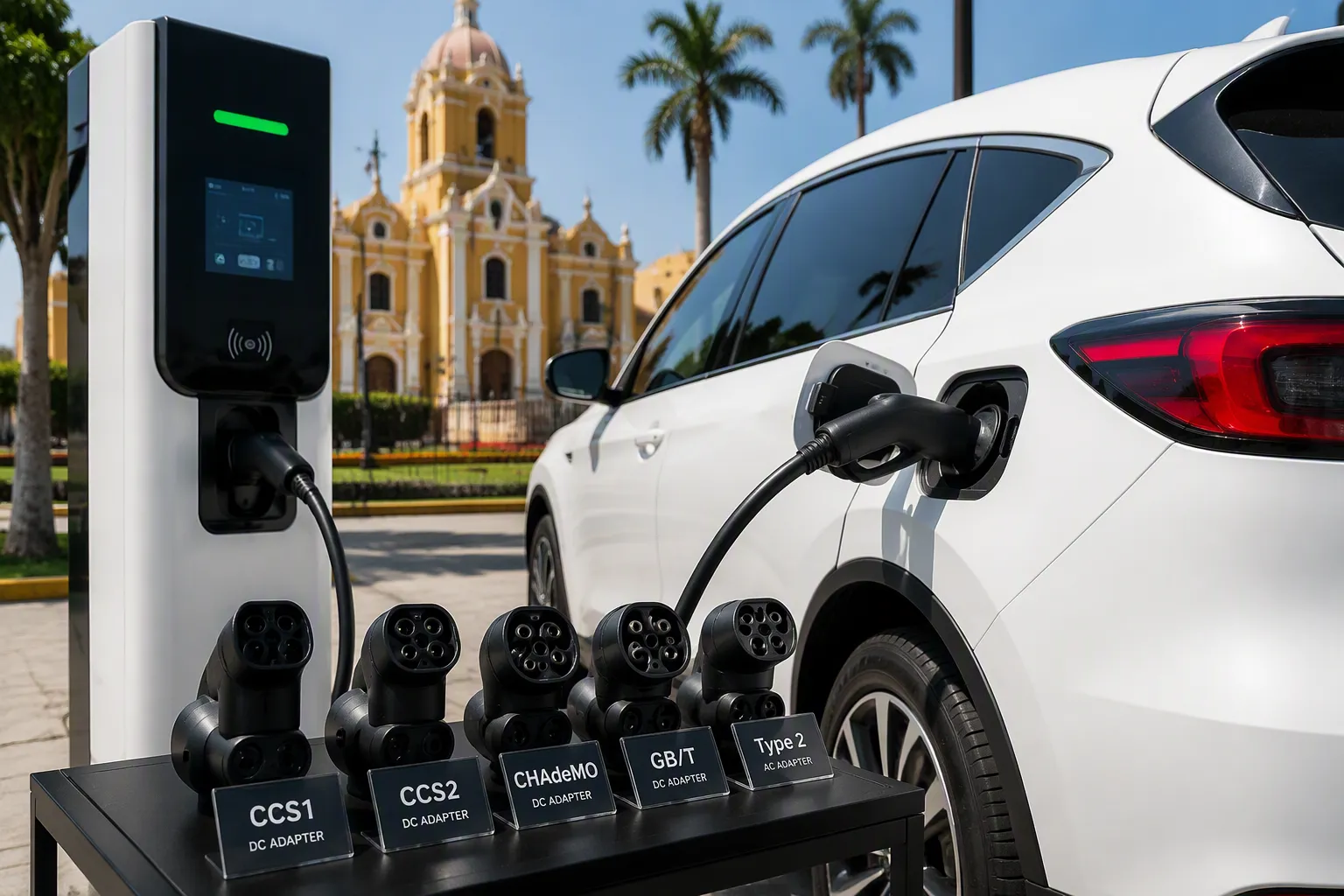
Brazil’s public charging network includes a mix of charger types and connector standards. Not all stations support every EV model. Some drivers arrive at a station only to discover their vehicle is incompatible with the connector or charging protocol.
Manufacturers and operators continue to work toward standardization, but compatibility remains a concern. Drivers should verify station specifications before each trip. Carrying an adapter can help, but not all adapters work with every charger.
A quick checklist for avoiding compatibility problems:
- Confirm connector type in advance
- Bring necessary adapters
- Update vehicle software for new protocols
These challenges highlight the importance of preparation and awareness for Brazilian EV owners who rely on public charging infrastructure.
Level 1 Charger vs. Public Charging Stations: Side-by-Side Comparison
مقارنة التكلفة
Electric vehicle owners in Brazil often consider cost as a primary factor when choosing between home and public charging. Home charging with a Level 1 Charger usually involves minimal upfront expenses. Most electric vehicles include this charger at purchase, so drivers avoid additional hardware costs. Installation requires only a standard outlet, which reduces the need for specialized labor or upgrades.
Ongoing electricity costs at home remain predictable. Users can monitor their consumption and take advantage of off-peak rates. Public charging stations, on the other hand, present variable pricing models. Some charge per kilowatt-hour, while others use flat fees or hourly rates. Access fees and higher energy prices at public stations can increase the total cost of ownership. Drivers may also face hidden costs, such as parking fees or app subscriptions.
A simple comparison highlights the difference:
- Home charging: Lower, more predictable costs; no extra fees for most users.
- Public charging: Variable costs; possible access and parking fees.
Tip: Monitoring home electricity usage helps drivers optimize their charging schedule and save money over time.
الملاءمة والمرونة
Convenience plays a crucial role in the daily experience of electric vehicle ownership. A Level 1 Charger at home offers high convenience. Owners can plug in their vehicles at any time, using a standard 120-volt outlet. This setup eliminates the need to search for available public stations or wait in line during busy periods.
Public charging stations provide variable convenience. Some locations require special installation or access fees. Availability depends on location, time of day, and demand. Urban drivers may find stations nearby, but suburban and rural users often travel longer distances.
يلخص الجدول التالي the differences in convenience and installation requirements:
| نوع الشحن | Convenience Level | متطلبات التثبيت |
|---|---|---|
| Level 1 Home Charging | عالية | Can be plugged into a standard 120-volt outlet |
| محطات الشحن العامة | متغير | May require special installation and access fees |
Home charging also allows for flexible scheduling. Drivers can charge overnight or during off-peak hours. Public stations may limit charging time or require users to move their vehicles quickly. Managing multiple payment apps and navigating compatibility issues can further reduce convenience at public stations.
Note: Home charging reduces range anxiety and supports a smoother daily routine.
Charging Time Differences
Charging speed remains a significant difference between home and public options. A Level 1 Charger delivers a slow but steady charge, adding 3 to 5 miles of range per hour. This pace suits drivers with short daily commutes or plug-in hybrid vehicles. Overnight charging usually restores enough range for most users.
Public charging stations offer faster charging speeds. Fast chargers can add significant range in 30 to 60 minutes. Standard public chargers require 2 to 6 hours for a full charge. However, these benefits depend on station availability and potential wait times.
A quick overview:
- Level 1 Charger: Best for overnight charging and daily use.
- Public stations: Suitable for quick top-ups and long-distance travel.
Drivers must consider their typical driving patterns. Those who travel long distances or lack home charging access may benefit from public stations. Most urban and suburban users find home charging sufficient for daily needs.
Callout: Planning ahead ensures that charging time aligns with travel requirements.
Reliability and Peace of Mind
Reliability stands as a critical factor for electric vehicle owners in Brazil. Home charging provides a stable and predictable environment. Drivers control the charging process and rarely face unexpected interruptions. The risk of arriving at a non-functional charger does not exist at home. Most users report high satisfaction with the dependability of their home setup.
Public charging stations present a different reality. Many drivers encounter operational issues, such as offline chargers or long queues. Maintenance delays can leave stations unusable for days. Inconsistent uptime creates uncertainty, especially for those who rely on public infrastructure for daily charging. Safety concerns also arise at some public locations, particularly at night or in less populated areas.
A comparison of reliability factors:
| العامل | الشحن المنزلي | محطات الشحن العامة |
|---|---|---|
| Uptime | Consistently high | متغير |
| Control over process | Full | محدودة |
| السلامة | High (private space) | تختلف حسب الموقع |
| Risk of vandalism | منخفضة | Moderate to high |
Note: Drivers who value peace of mind often prefer charging at home. They avoid the stress of searching for available stations and reduce exposure to safety risks.
Overall User Experience
User experience shapes the perception of electric vehicle ownership. Home charging offers a seamless routine. Drivers plug in their vehicles at the end of the day and wake up to a fully charged battery. The process requires minimal effort and integrates smoothly into daily life. No need exists to manage multiple apps or payment systems. The charging environment remains familiar and secure.
Public charging introduces more complexity. Users must locate compatible stations, sometimes across different networks. Payment methods vary, and some stations require specific apps or RFID cards. Waiting for an available charger can disrupt schedules. Technical issues, such as incompatible connectors or software glitches, add frustration.
A summary of user experience elements:
Home Charging:
- Simple plug-and-play operation
- Consistent charging schedule
- Secure and private environment
- Minimal maintenance required
الشحن العام:
- Requires planning and route adjustments
- Potential for long waits and technical issues
- Varying levels of safety and comfort
- Multiple payment and access systems
Tip: New EV owners should assess their daily routines and local infrastructure before choosing a primary charging method. Those with access to home charging enjoy a smoother and more reliable experience.
Realistic Scenarios for Brazilian EV Owners
City Dwellers with Home Parking
City residents who own a private garage or driveway experience the greatest convenience with a شاحن المستوى 1. They can plug in their electric vehicle each night and start the day with a full battery. This routine fits well with the typical urban commute in Brazil, which often involves short distances and frequent stops. Home charging eliminates the need to search for public stations or wait in line during busy hours.
Many city dwellers value the security of charging at home. Their vehicles remain protected from vandalism and theft. They also avoid exposure to poorly lit or isolated public charging locations. The predictable cost of home electricity helps them manage their monthly budget.
Tip: Urban homeowners can maximize savings by charging during off-peak hours when electricity rates are lower.
سكان الشقق السكنية بدون موقف سيارات مخصص لهم
Apartment living presents unique challenges for electric vehicle owners. Many buildings lack private parking spots or individual outlets. However, several solutions have emerged in Brazil to address these obstacles:
- Residents can use shared chargers installed in the apartment complex’s common areas.
- The Monta app tracks each user’s charging sessions automatically.
- Payments for electricity flow directly through the Monta app, similar to the process at public charging stations.
These shared systems allow apartment residents to access reliable charging without the need for personal infrastructure. The Monta app simplifies billing and usage tracking, reducing disputes among neighbors. However, residents may still face competition for limited charging spots, especially in larger buildings. Planning ahead and coordinating with other EV owners improves access and reduces wait times.
Note: Apartment dwellers should check with building management about charger availability and app compatibility before purchasing an EV.
Suburban Commuters
Suburban commuters often drive longer distances than city residents. Many own single-family homes with garages or driveways, making home charging practical. A Level 1 Charger provides enough range for daily commutes and errands. Overnight charging ensures the vehicle is ready each morning.
Some suburban areas lack robust public charging infrastructure. Drivers who rely solely on public stations may struggle to find available chargers, especially during peak travel times. Home charging offers peace of mind and reduces the risk of running low on battery during a busy week.
Suburban EV owners benefit from the flexibility to set their own charging schedules. They can monitor electricity usage and adjust habits to save money. For those who occasionally travel longer distances, combining home charging with occasional use of public fast chargers creates a balanced solution.
Callout: Suburban families should consider their daily mileage and local charging options when choosing an EV charging strategy.
Long-Distance Travelers
Long-distance travelers in Brazil face unique challenges when driving electric vehicles. They often cover hundreds of kilometers between cities or regions. A Level 1 Charger at home cannot meet their needs for rapid charging during extended trips. Charging at 1.4kW to 1.9kW adds only a few miles of range per hour. This speed works for overnight charging but not for quick turnarounds on the road.
Public charging stations become essential for these drivers. Fast chargers, available at select highway rest stops and service areas, provide much higher power outputs. Many fast chargers deliver 22kW to 150kW, allowing drivers to add significant range in under an hour. However, the network of fast chargers in Brazil remains limited. Travelers must plan routes carefully and check for available stations before departure.
نصيحة: Long-distance drivers should use EV route planning apps to locate fast chargers and monitor station status in real time.
A comparison of charging options for long-distance travel:
| خيار الشحن | سرعة الشحن | Suitability for Long Trips | التوفر على الطرق السريعة |
|---|---|---|---|
| شاحن المنزل من المستوى الأول | بطيء جداً (3-5 ميل/ساعة) | ضعيف | غير متاح |
| الشاحن العام السريع | سريع (30-60 دقيقة/جلسة) | جيد | محدود، لكنه في نمو |
يواجه المسافرون طوابير في المحطات المزدحمة غالباً، خاصة خلال العطلات. تفتقر بعض المناطق لأي بنية تحتية للشحن العام، مما يزيد خطر نفاد البطارية. يوفر حمل شاحن محمول راحة بال لكنه لا يغني عن الحاجة للشحن السريع على الطريق.
تنبيه: تحقق دائماً من توافق القابس وأحضر المحولات اللازمة عند السفر بين الولايات المختلفة.
السائقون المتقطعون
يستخدم السائقون المتقطعون مركباتهم الكهربائية بشكل أقل تكراراً. قد يقودون فقط في عطلات نهاية الأسبوع أو للرحلات الخاصة. لهؤلاء المستخدمين، يوفر شاحن المستوى الأول في المنزل حلاً عملياً وفعالاً من حيث التكلفة. الشحن طوال الليل يعيد مدى كافٍ للاستخدام غير المتكرر. لا تشكل سرعة الشحن البطيئة مشكلة لأن المركبة تبقى متوقفة معظم الأيام.
يستفيد هؤلاء السائقون من بساطة الشحن المنزلي. يتجنبون عناء البحث عن محطات عامة أو إدارة تطبيقات دفع متعددة. تبقى احتياجات الصيانة محدودة، وينخفض خطر مواجهة مشاكل تقنية بشكل كبير.
المزايا الرئيسية للسائقين المتقطعين:
- تكاليف كهرباء أقل بسبب الشحن غير المتكرر
- حد أدنى من التآكل في معدات الشحن
- تعرض أقل لتحديات الشحن العام
ملاحظة: يجب على السائقين المتقطعين التحقق بانتظام من صحة بطارية مركبتهم ونظام الشحن، حتى لو استخدموا السيارة نادراً.
قد تكون محطات الشحن العامة بمثابة احتياطي للسائقين المتقطعين. على سبيل المثال، يمكنهم استخدام شاحن عام عند زيارة مدينة أخرى أو خلال الرحلات الممتدة. لكن معظمهم يجد أن الشحن المنزلي يلبي احتياجاتهم دون جهد إضافي.
يجد معظم مالكي المركبات الكهربائية في البرازيل أن الشحن المنزلي هو الحل الأكثر واقعية وملاءمة. قد تناسب المحطات العامة المسافرين لمسافات طويلة أو أولئك الذين لا يملكون مواقف خاصة. يجب على كل سائق تقييم الروتين اليومي والبنية التحتية المحلية واحتياجات المركبة قبل اختيار استراتيجية الشحن.
ملاحظة: التخطيط الدقيق يضمن تجربة سلسة للمركبة الكهربائية في البرازيل.
الأسئلة الشائعة
ما هو شاحن المستوى 1؟
يستخدم شاحن المستوى الأول مقبس منزلي قياسي لشحن المركبات الكهربائية. يوفر شحناً بطيئاً لكنه ثابت، مما يجعله مناسباً للشحن طوال الليل في المنزل.
كم يستغرق شحن مركبة كهربائية بالكامل باستخدام شاحن المستوى الأول؟
شحن مركبة كهربائية من فارغة إلى ممتلئة باستخدام شاحن المستوى الأول يستغرق عادة أكثر من 24 ساعة. يستخدمه معظم السائقين للشحن الليلي لاستعادة مدى القيادة اليومي.
هل تتوفر محطات الشحن العامة على نطاق واسع في البرازيل؟
تقدم مدن رئيسية مثل ساو باولو وريو دي جانيرو المزيد من محطات الشحن العامة. المناطق الضواحي والريفية لديها تغطية محدودة. يجب على السائقين التحقق من مواقع المحطات قبل تخطيط الرحلات.
هل الشحن المنزلي أرخص من الشحن العام في البرازيل؟
عادة ما يكون الشحن المنزلي أقل تكلفة من الشحن العام. يمكن للمستخدمين مراقبة استهلاكهم الكهربائي والاستفادة من أسعار خارج أوقات الذروة. قد تضيف المحطات العامة رسوم وصول أو انتظار.
هل يمكن لسكان الشقق تركيب شواحن المستوى الأول؟
غالباً ما يواجه سكان الشقق تحديات في تركيب شواحن شخصية. تقدم بعض المباني حلول شحن مشتركة. يجب على السكان استشارة إدارة المبنى حول الخيارات المتاحة وسياسات التركيب.
ماذا يجب أن يفعل السائقون إذا كان شاحن عام خارج الخدمة؟
يجب على السائقين التحقق من حالة محطة الشحن باستخدام التطبيقات الجوالة قبل الوصول. إذا كان الشاحن غير متصل، يمكنهم تحديد محطات بديلة قريبة أو تعديل خطط السفر وفقاً لذلك.
هل جميع المركبات الكهربائية متوافقة مع كل محطة شحن عامة؟
لا تستخدم جميع المركبات الكهربائية نفس أنواع القوابس. يجب على السائقين التحقق من التوافق قبل زيارة المحطة. قد يساعد حمل المحولات، لكن ليس جميع المحولات تعمل مع كل شاحن.