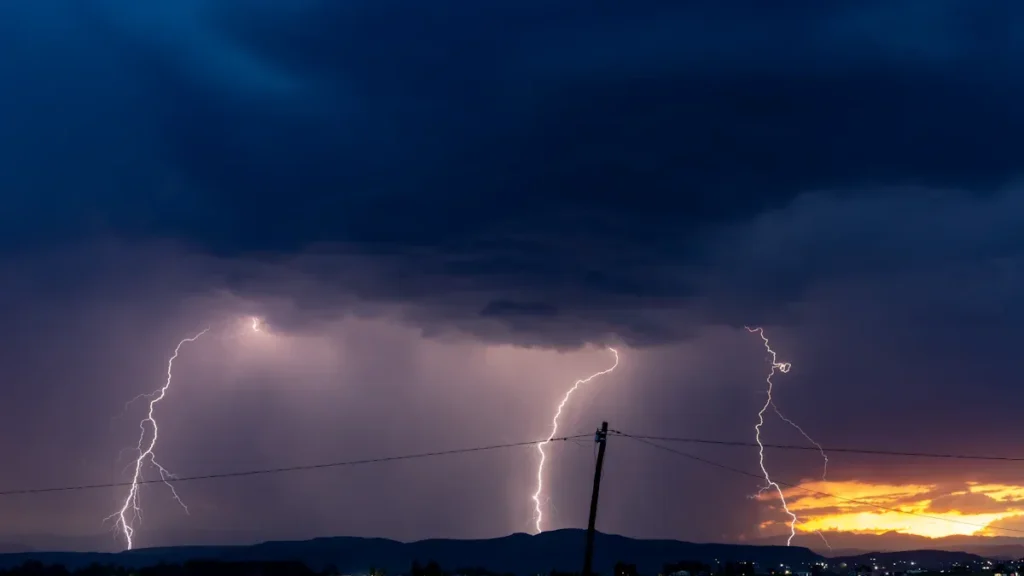

Drivers can safely charge an electric car during Thailand’s rainy season. This action requires strict adherence to established rules. Complacency presents the biggest risk for charging in rainy conditions. Proper charging safety is not negotiable.
Water and electricity are a dangerous combination. Users must never underestimate the potential hazards associated with this task.
Reputable الشركات المصنعة لشاحن السيارة الكهربائية, such as TPSON, provide advanced حلول شحن السيارات الكهربائية. هم شواحن السيارات الكهربائية المحمولة and standard شاحن السيارة الكهربائية models have built-in protections. However, following essential electrical safety tips for charging remains the user’s responsibility. This discipline protects the driver, the vehicle, and the home’s electrical system.
Pre-Charge Inspection: Your First Line of Defense for Safe Charging
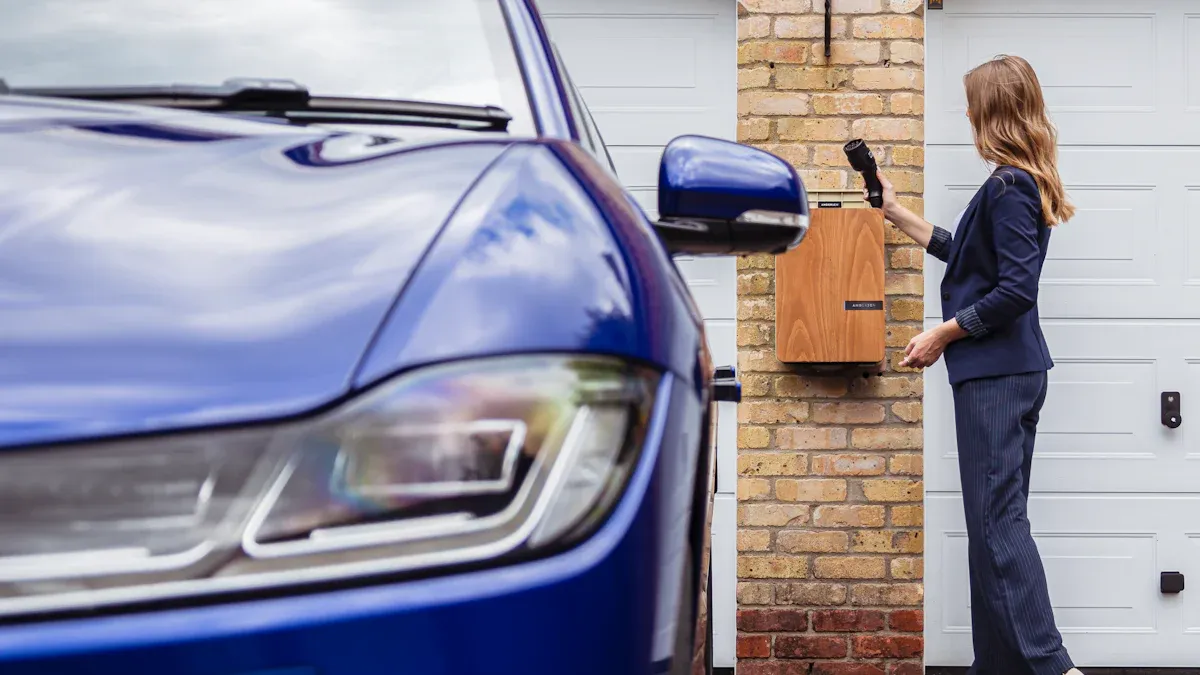
A thorough pre-charge inspection is the most critical step for safe EV charging in wet conditions. Before a single electron flows, users must verify the integrity of their entire charging setup. This routine prevents electrical faults, protects the vehicle’s sensitive electronics, and ensures personal safety. Neglecting this check introduces unnecessary risk.
Inspect Your Level 1 Charger Cable
The charging cable is the most exposed component. A visual and tactile check is mandatory before every charging session.
Check for Cracks and Abrasions
Users should run a gloved hand along the entire length of the cable. They must feel for any deep cuts, cracks, or scrapes that could compromise the outer jacket and allow moisture to enter.
Examine the Outer Insulation
The outer insulation is the primary barrier against water. Repeated twisting from daily use can cause the casing of the wire to tear or break over time. Any breach in this layer makes the charger unsafe for use in the rain.
Look for Any Exposed Wires
Exposed copper or shielding wires are an immediate and severe shock hazard. If any wires are visible, the charger must be taken out of service immediately. This is a non-negotiable fault.
Test for Stiffness or Damage
A cable that feels unusually stiff or has kinks may have internal damage. Bending the cable should feel smooth. Any stiffness indicates potential breaks in the internal wiring, which can lead to overheating during charging.
Examine the Charger Plugs
The connection points at both ends of the charger are critical failure points. They require close inspection.
Inspect the J1772 Connector for Damage
The J1772 handle that plugs into the car should be free of cracks. Users must check the pins inside the connector to ensure they are straight and clean. Advanced EV chargers from providers like TPSON have a high ip rating, but physical damage can negate this protection.
Check the Wall Plug Prongs for Bending or Burns
The prongs on the wall plug must be straight and clean. Any signs of blackening or scorching around the prongs indicate a poor, arcing connection. This is a significant fire risk.
Look for Signs of Melting or Discoloration
Melting plastic on either the wall plug or the J1772 connector is a clear sign of extreme overheating. The charging equipment is compromised and unsafe. Continued use could lead to a fire.
Ensure No Debris or Moisture Inside
تنبيه السلامة: Before every connection, look inside both the J1772 connector and the vehicle’s charge port. Remove any dirt, leaves, or water droplets. Moisture inside a connector can cause a short circuit.
Assess Your Home’s Electrical Outlet
The wall outlet is the foundation of safe home charging. Not all outlets are suitable for this task, especially during the rainy season. These electrical safety tips are essential.
Confirm It’s a GFCI/RCD Protected Outlet
For outdoor charging, the outlet must have Ground Fault Circuit Interrupter (GFCI) or Residual Current Device (RCD) protection. These devices rapidly shut off power if they detect a fault, preventing electric shock. Standard outlets lack this life-saving feature.
Test the GFCI/RCD Reset Button Monthly
Users should test the GFCI/RCD function monthly.
- Plug a lamp into the outlet and turn it on.
- Press the “TEST” button. The lamp should turn off.
- Press the “RESET” button. The lamp should turn back on.
If this test fails, an electrician must replace the outlet before any further charging.
Check the Outlet Cover for Cracks
The outlet must have a weatherproof “in-use” cover with a high ip rating. This cover protects the plug connection from rain while the charger is operating. A cracked or broken cover offers no protection.
Ensure a Snug and Secure Plug Fit
When plugging in the charger, the fit should be firm and secure. A loose plug can lead to poor electrical contact, generating dangerous heat and creating an arc fault risk. The plug should not wiggle or sag in the outlet. Many EV chargers are designed for a secure connection.
Creating a Safe Charging Environment
A safe physical environment is as important as the equipment itself. Users must actively manage the area around their vehicle and power source to mitigate water-related risks. These electrical safety tips for charging in rainy conditions are not optional; they are essential for preventing accidents.
Managing Water and Moisture
Water is the primary adversary during rainy season charging. Proactive water management is a user’s responsibility.
Clear Away All Standing Water
Before bringing out the charger, users should sweep away any puddles or standing water from the charging area. The ground around the outlet and beneath the vehicle’s charge port must be as dry as possible.
Check for Overhead Drips from Roofs or Trees
Users must look up. Parking under a leaking gutter, a tree branch, or an awning that channels water can expose connection points to a constant stream of moisture. This creates a persistent hazard during the charging session.
Position Your Car Away from Puddles
Drivers should park their vehicle so the charging cable does not have to lie in a puddle. A cable submerged in water, even one without visible damage, increases risk.
Avoid Low-Lying, Flood-Prone Areas
Users must never attempt to charge an electric car in an area known for flash flooding. A sudden downpour can quickly create a dangerous situation. Always choose the highest, best-draining spot available for charging.
The Importance of Grounding and Protection
The home’s electrical system provides the foundational safety for all EV chargers. Proper grounding and circuit protection are non-negotiable.
Understanding GFCI and RCD Safety Switches
A Ground Fault Circuit Interrupter (GFCI) or Residual Current Device (RCD) is a life-saving device. It constantly monitors electrical current.
A GFCI/RCD detects fault conditions, such as when moisture creates a path for electricity to go to the ground. It instantly cuts power when it detects this imbalance, preventing a severe electric shock. This rapid disconnection is crucial in damp outdoor environments.
Why Standard Outlets Are Unsafe for Rain
Standard electrical outlets lack this sensitive fault detection. They will not automatically shut off if moisture creates a short circuit. Using one for outdoor charging in the rain is an extreme and unnecessary risk.
Installing a Weather-Resistant Outlet Cover
A proper “in-use” weatherproof outlet cover is mandatory. It features a deep housing that shields the plug and outlet from rain while the charger is connected. This is a fundamental component for safe outdoor charging.
Using a Dedicated Circuit for Your EV
For the best safety and performance, EV chargers should connect to a dedicated circuit. This prevents overloading the home’s wiring, which can cause breakers to trip or create a fire hazard.
Sheltering Your Connection Points
The points where the charger connects to the wall and the car are the most vulnerable to water intrusion. They require direct protection.
استخدام صندوق غلاف مقاوم للعوامل الجوية
For maximum safety, users can place the plug connection inside a weatherproof enclosure box. High-quality boxes with an IP66 rating or higher offer excellent protection against heavy rain. This completely isolates the connection from the elements.
DIY Shelter Solutions for the Connection
A simple, temporary shelter can offer some protection. A user can place an inverted, weighted plastic bin over the connection point. This DIY method helps shield the plug from direct rainfall.
Positioning the Charger’s Control Box
The control box (the “brick”) of the portable charger contains sensitive electronics.
- It should never sit on the ground or in a puddle.
- Users should hang the box from a secure hook or place it on an elevated, dry surface.
- Many advanced ev chargers, like those from TPSON, have high IP ratings, but keeping the control box elevated is still a best practice.
Protecting the Vehicle’s Charging Port
The vehicle’s charge port has its own weather seals. However, users should position the car to shield the port from driving rain. Angling the car so the port is on the downwind side can significantly reduce its exposure to moisture during the charging process.
The Charging Process: Step-by-Step Electrical Safety Tips
Executing the charging process with a strict, repeatable methodology is crucial during wet weather. Following a precise sequence for connection, monitoring, and disconnection minimizes electrical risks. These electrical safety tips ensure every charging session is conducted safely.
Preparing for Connection
Before the charger makes contact with any power source, users must prepare themselves and their equipment for a safe connection. This preparation is a fundamental barrier against electrical hazards.
Always Dry Your Hands Completely
Water significantly lowers the skin’s resistance to electricity. Users must never touch electrical equipment with wet hands. Before handling the charger or plug, they should dry their hands thoroughly with a clean towel.
Wipe Down the Charger Handle and Cable
Rain or condensation can leave moisture on the equipment. A user should take a dry, non-abrasive cloth and wipe down the entire J1772 connector handle. They should also wipe any accessible parts of the cable that may have been exposed to rain.
Dry the Area Around the Wall Outlet
Even with a weatherproof cover, splashing water can accumulate around the outlet area. Users should use a cloth to dry the wall surface and the cover itself before opening it. This prevents stray droplets from entering the connection point.
Use an Umbrella for Cover in Active Rain ☂️
During an active downpour, a user should use a large umbrella to shield themselves, the outlet, and the vehicle’s charge port. This simple action provides an effective temporary barrier against rain while making the physical connections.
تسلسل الاتصال الصحيح
The order of operations when plugging in an EV charger is a critical safety protocol. Following this sequence ensures the connector handle is not electrically live when being inserted into the vehicle.
Step 1: Plug into the Wall Outlet First
The first step is always to connect the charger’s plug to the GFCI/RCD-protected wall outlet. The user should ensure the plug is fully and securely seated to establish a solid electrical ground before power flows.
Step 2: Confirm Power Indicator on Charger
After plugging into the wall, the user must observe the charger’s control box. A status light should illuminate, typically green, indicating the charger is receiving power and is ready. Advanced chargers from providers like TPSON have clear indicators for power and fault status.
Step 3: Plug into Your Vehicle’s Port
With the charger powered and ready, the user can now open the vehicle’s charge port. They should then insert the J1772 connector firmly into the port.
Step 4: Listen for the Connection to Lock
A distinct click confirms the connector is securely locked into the vehicle’s port. The vehicle will then communicate with the charger to begin the charging session, often confirmed by another sound or a dashboard light.
Monitoring While Charging
A user’s responsibility does not end once the charging begins. Active monitoring is essential to catch potential issues before they escalate.
Avoid Leaving Cords in Walkways
The charging cable should be positioned to avoid creating a trip hazard. It should not cross sidewalks or high-traffic areas. A person tripping over the cord could damage the cable, the port, or the outlet, creating an immediate electrical danger.
Periodically Check for Overheating Signs
Level 1 charging involves a continuous high load for many hours, which generates heat. Users should periodically and safely check the connection points for signs of overheating.
Warning Signs of Overheating:
- A distinct smell of burning or melting plastic.
- Visible scorching or blackening on the wall outlet or plug prongs.
- The charger, plug, or cable feeling excessively hot to the touch.
- إن charger stopping temporarily, which could be a thermal cut-out feature activating.
What to Do if Charging Unexpectedly Stops
An unexpected stop in a charging session signals a potential problem. Users should not simply restart the process without investigation.
- Check for Power Supply Issues: The user should first verify if the GFCI/RCD has tripped. If so, they must inspect all equipment for damage or moisture before attempting to reset it.
- Review Vehicle and Charger Status: The user can check the vehicle’s dashboard or app for error messages. The charger itself may display a fault code, such as a red light indicating high incoming voltage.
- Inspect for Software Conflicts: Sometimes, a conflict between the vehicle’s internal charging schedule and an app’s schedule can halt the process.
If the issue persists after these basic checks, the user should disconnect the equipment and consult a professional.
لماذا يجب عليك عدم استخدام سلك تمديد قياسي أبداً
Experts and safety groups strongly advise against using a standard household extension cord to charge an electric car. The reasons are technical and directly related to fire and shock risk.
| الخطر | الشرح |
|---|---|
| مخاطر السخونة الزائدة | Standard extension cords are not designed for the high, sustained current required for EV charging. This prolonged load causes the cord to overheat, which can melt the insulation and lead to a fire. |
| Increased Resistance | Adding an extension cord introduces extra connection points. These weak points increase electrical resistance, generating more heat and creating potential failure points in the circuit. |
| Unsuitable for Outdoors | Most indoor extension cords are not rated for outdoor use and lack the weatherproofing needed to protect against rain, increasing the risk of a short circuit and electric shock. |
| Overloading Danger | Plugging other devices into a multi-socket extension lead while charging an EV can easily overload the wall socket, creating a severe fire hazard. The dangerous practice of “daisy-chaining” multiple cords together multiplies this risk. |
Using a standard extension cord for EV charging is an unacceptable gamble with property and personal safety.
Post-Charging Procedures in the Rain
Properly concluding a charging session in wet weather is just as important as starting one. A safe disconnection and storage routine protects the user and preserves the integrity of the charging equipment. Following these electrical safety tips ensures the charger is ready for its next use.
The Safe Disconnection Sequence
Users must follow a specific order to disconnect the charger safely. This sequence ensures the connector is de-energized before it is handled, eliminating the risk of an electrical arc.
Step 1: Stop the Session via Car or App
The first action is always to terminate the charging session electronically. A user can do this through the vehicle’s infotainment screen or its companion smartphone app. This command tells the vehicle to stop drawing power from the charger.
Step 2: Unplug the Connector from the Vehicle
Once the charging session has stopped, the user can press the release button on the J1772 connector handle. They should then pull the connector firmly out of the vehicle’s port. The vehicle will have already unlocked the connector after the session ended.
Step 3: Immediately Cap the Vehicle’s Port
Moisture must not enter the vehicle’s charge port. The user should immediately replace the port’s protective cap, ensuring it is sealed securely. This simple action prevents corrosion and future connection issues.
Step 4: Unplug the Charger from the Wall Outlet
The final step is to unplug the charger from the wall outlet. The user should grip the plug head firmly and pull it straight out. They must never pull on the cord itself, as this can damage the internal wiring.
Storing Your Charging Equipment
Proper storage after a wet charging session is essential for the long-term health of the charger.
Dry the Cable and Plugs Thoroughly
Proactive Maintenance Tip: Users should use a clean, dry microfiber cloth to wipe down the entire cable, the control box, and both plugs. A monthly check-up and occasional cleaning prevent dust and moisture buildup, extending the service life of the charger and avoiding unexpected disruptions.
Coil the Cable Loosely to Avoid Strain
Users should coil the cable in large, loose loops, avoiding sharp bends or kinks. Improper coiling practices put stress on the internal wires and can lead to the need for costly repairs. A loose coil prevents strain on the connection points and the cable jacket.
Store in a Dry, Secure Location
The best place for the charger is in a dry, protected location, such as a garage or trunk. Many high-quality chargers, like those from TPSON, come with a dedicated EV cable bag. Using this bag protects the charger from dust and ambient moisture when not in use.
Avoid Storing Equipment on the Ground
The user must never leave the charging equipment on a concrete garage floor or the ground. Concrete can hold moisture, which can seep into the equipment over time. Storing the charger off the ground also protects it from being stepped on or driven over.
Extreme Weather: When Not to Attempt Charging
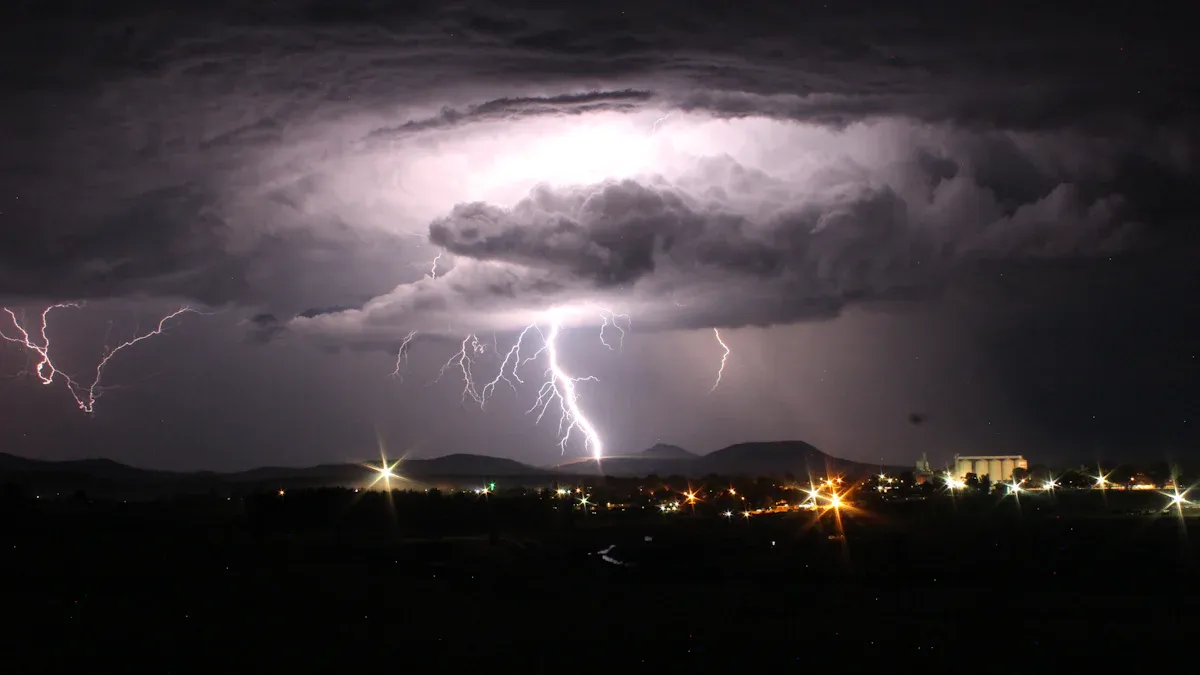
Certain weather conditions in Thailand are too hazardous for EV charging. Common sense and caution must override the need to charge. Users must recognize when to delay a charging session to protect themselves and their equipment from severe damage. This discipline is essential during periods of bad weather.
Navigating Thunderstorms and Lightning
A thunderstorm introduces significant electrical risks that go beyond simple rain. The danger of lightning is real and requires extreme caution.
Why Charging During Lightning is Risky
An EV charger creates a direct electrical path from the power grid to the vehicle. Lightning can strike any outdoor object. A charger connected to a car presents an attractive target. While it is technically possible to charge in a storm, experts strongly advise against it when lightning is active nearby.
Unplug Before a Thunderstorm Arrives
Users should proactively unplug their vehicles if a thunderstorm is approaching. Electricians report incidents where lightning strikes caused severe damage to a house, an EV, and its charger. Unplugging the car is the only certain way to prevent this type of catastrophic event.
The Danger of Grid Power Surges
A lightning strike near power lines can induce a massive voltage surge into the electrical grid. This surge can travel into a home’s wiring.
A power surge from lightning can overwhelm the protective circuits in even the most advanced EV chargers, including those from providers like TPSON. This can destroy the charger and damage the vehicle’s sensitive onboard electronics, leading to expensive repairs.
When It Is Safe to Resume Charging
A user should wait for the storm to pass completely before resuming any charging activity. A safe practice is to wait at least 30 minutes after the last audible clap of thunder. This ensures the immediate threat of a lightning strike has moved out of the area.
Dealing with Flooding and Heavy Downpours
Heavy monsoonal downpours can lead to flash flooding. Water and high-voltage charging equipment are a lethal combination.
Never Charge in or Near Standing Water
Users must never attempt charging in or near standing water. Puddles create a direct path for electricity to the ground. This situation presents a severe risk of electrocution for anyone nearby. The area must be clear of all pooled water.
Risks of a Submerged Charger or Outlet
Submerging any part of the charging system in water can lead to immediate and severe consequences.
- Electric Shock: Water entering the charger or outlet can cause a short circuit, creating a life-threatening shock hazard.
- System Damage: Moisture seeping into the charging port or plugs can cause corrosion and short circuits. This can permanently damage the vehicle’s electrical components.
Move Your Vehicle to Higher Ground
Drivers should always be aware of their parking location’s drainage. If an area is prone to flooding, they must move the vehicle to higher ground before the water rises. A submerged vehicle presents numerous dangers beyond just the charging system.
Inspecting for Water Damage After a Flood
If a charger or outlet is submerged in floodwater, a user must not use it. The equipment is compromised. It requires a thorough inspection and testing by a qualified professional before it can be considered safe for any future charging.
Understanding Your Equipment’s Weatherproof Ratings
Not all EV chargers offer the same level of protection against the elements. A user must understand the weatherproof ratings of their equipment to make safe decisions. The Ingress Protection (IP) rating is a universal standard that defines a product’s dust and water resistance.
ما هو تصنيف IP؟
An IP rating is a crucial piece of information for any electronic device used outdoors. It provides a clear, standardized measure of an enclosure’s ability to protect its internal components.
Decoding Ingress Protection (IP) Numbers
The IP rating consists of two digits. Each number has a specific meaning that helps users understand the level of protection.
- الرقم الأول (المواد الصلبة): This number, from 0 to 6, indicates protection against solid objects. A higher number means better protection, from fingers and tools to fine dust particles.
- Second Digit (Liquids): This number, from 0 to 9, defines the equipment’s resistance to moisture. It measures protection against everything from drips and sprays to full submersion in water.
IP44 Rating: Protection Against Splashing Water
An IP44 rating is common for some electrical equipment. The first ‘4’ means it is protected against solid objects larger than 1mm. The second ‘4’ means it is protected from water splashing from any direction. While this offers some protection, it may not be sufficient for heavy, driving rain.
IP67 Rating: Protection Against Temporary Immersion
A much higher level of protection is an IP67 rating. The ‘6’ indicates the enclosure is completely dust-tight. The ‘7’ signifies that the equipment can be temporarily submerged in water up to a certain depth without damage. This IP rating provides significant security for outdoor charging.
Why Higher Ratings Offer More Peace of Mind
A higher IP rating directly translates to greater safety and durability. For EV chargers used during Thailand’s rainy season, a superior IP rating ensures the internal electronics are shielded from moisture. This robust weather resistance minimizes the risk of short circuits and equipment failure, giving the user confidence during every charging session.
Checking Your Charger’s IP Rating
Users must verify the IP rating of their specific charging equipment. This information is essential for assessing its suitability for use in wet conditions.
Where to Find the IP Rating on Your Gear
The IP rating is usually printed on a label affixed to the charger’s control box or plug. It will appear as “IP” followed by two numbers, for example, IP66. If a user cannot find the IP rating, they should consult the product manual or the manufacturer’s website.
Minimum Recommended Rating for Outdoor Use
For outdoor use in a rainy climate, experts recommend using EV chargers with a high IP rating. An IP rating of at least IP54 is a baseline, but an IP rating of IP65 or IP66 is considered ideal. These higher ratings ensure the device can withstand rain and dust effectively.
What Your Vehicle’s Charge Port Rating Means
The vehicle’s charge port also has an IP rating. This rating ensures that when the connector is properly seated, the connection point is sealed against moisture. The combination of a high IP rating on both the charger and the port creates a secure system.
Using Only OEM or Certified Charging Equipment
It is critical to use only Original Equipment Manufacturer (OEM) or certified شواحن السيارات الكهربائية. Reputable providers, such as TPSON, ensure their products are rigorously tested to meet their stated IP rating. Non-certified products may not provide the advertised level of protection, creating a serious safety hazard. Certified equipment guarantees adherence to strict safety and quality protocols.
A user’s safety is the top priority. Following these electrical safety tips ensures protection for the driver, vehicle, and home. Users must internalize a few non-negotiable rules for safe charging.
- Always inspect all equipment before every use.
- Create a dry, protected environment for the connection.
- لا تحاول أبدًا شحن سيارة كهربائية أثناء العواصف الرعدية أو الفيضانات.
الالتزام بهذه المبادئ يمكن السائقين من إدارة عملية الشحن بثقة طوال موسم الأمطار في تايلاند، خاصة عند استخدام معدات متطورة من مزودين مثل TPSON.
الأسئلة الشائعة
هل من الآمن لمس شاحن السيارة تحت المطر؟
على المستخدمين ألا يتعاملوا مع معدات الشحن بأيدٍ مبللة أبدًا. يجب عليهم دائمًا تجفيف أيديهم تمامًا قبل لمس القابس أو الموصل. استخدام المظلة يوفر طبقة إضافية من الحماية من المطر النشط أثناء التوصيل والفصل.
ماذا لو كان منفذ منزلي غير محمي بقاطع تسرب الأرضي (GFCI/RCD)؟
يجب على المستخدم ألا يشحن مركبته الكهربائية في الهواء الطلق باستخدام منفذ عادي. عليه الاتصال بـ كهربائي مؤهل لتركيب منفذ مناسب محمي بقاطع تسرب الأرضي (GFCI/RCD). هذا الجهاز الآمن ضروري لمنع الصعق الكهربائي في الظروف الرطبة.
هل يمكنني استخدام أي سلك تمديد لسيارتي الكهربائية؟
لا. يجب على المستخدمين ألا يستخدموا سلك تمديد منزلي عادي لشحن المركبات الكهربائية أبدًا. هذه الأسلاك غير مصنفة لتحمل سحب الطاقة المستمر. يمكنها أن تسخن بشدة وتشكل خطرًا جسيمًا للحريق. فقط يجب النظر في استخدام سلك تمديد متين ومخصص للمركبات الكهربائية.
ما الذي يجعل الشاحن المتطور أكثر أمانًا؟
الشواحن المتطورة تكنولوجيًا من مزودين مثل TPSON تقدم أمانًا فائقًا. تتميز بتصنيفات IP عالية (مثل IP67) لمقاومة ممتازة للماء. تتضمن هذه الشواحن أيضًا حماية مدمجة ضد ارتفاع الحرارة، وفرط الجهد، وتسرب التيار، مما يوفر للمستخدمين راحة بال أكبر.
ماذا يجب أن يفعل المستخدم إذا تبلل شاحنه؟
يجب على المستخدم التوقف فورًا عن استخدام الشاحن. عليه فصلها عن مصدر الطاقة والسماح لها بالجفاف تمامًا في مكان آمن وجاف. يجب على المستخدم أن يقوم فني مختص بفحص المعدة للتأكد من عدم تضررها قبل استخدامها مرة أخرى.
كم مرة يجب على المستخدم فحص كابل الشحن الخاص به؟
يجب على المستخدم إجراء فحص بصري ولمسي لكامل كابل الشحن وأطرافه قبل كل استخدام. هذه العادة البسيطة هي الطريقة الأكثر فعالية لتحديد تلف مثل الشقوق أو الأسلاك المكشوفة قبل أن تصبح خطرًا جسيمًا.