
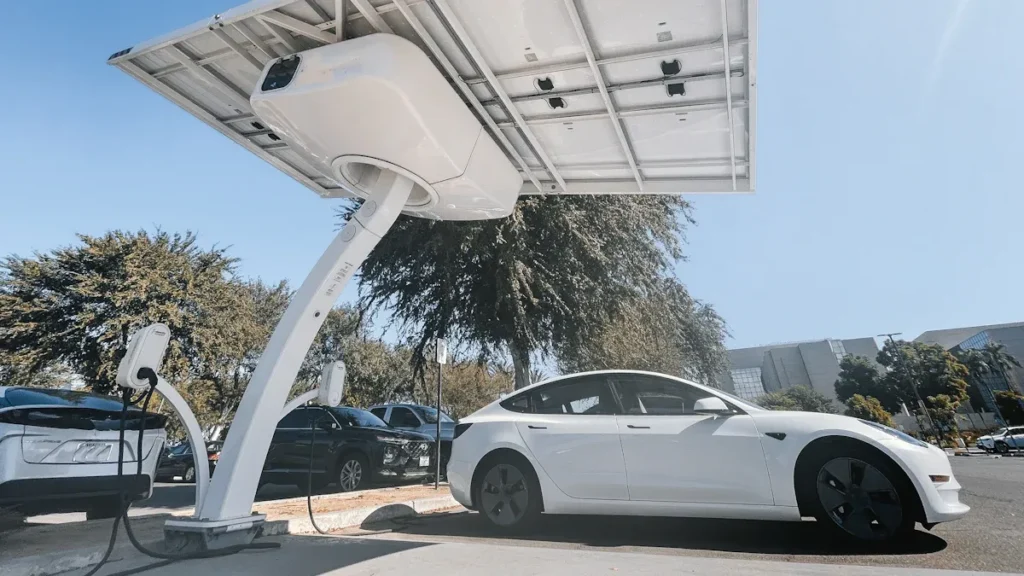
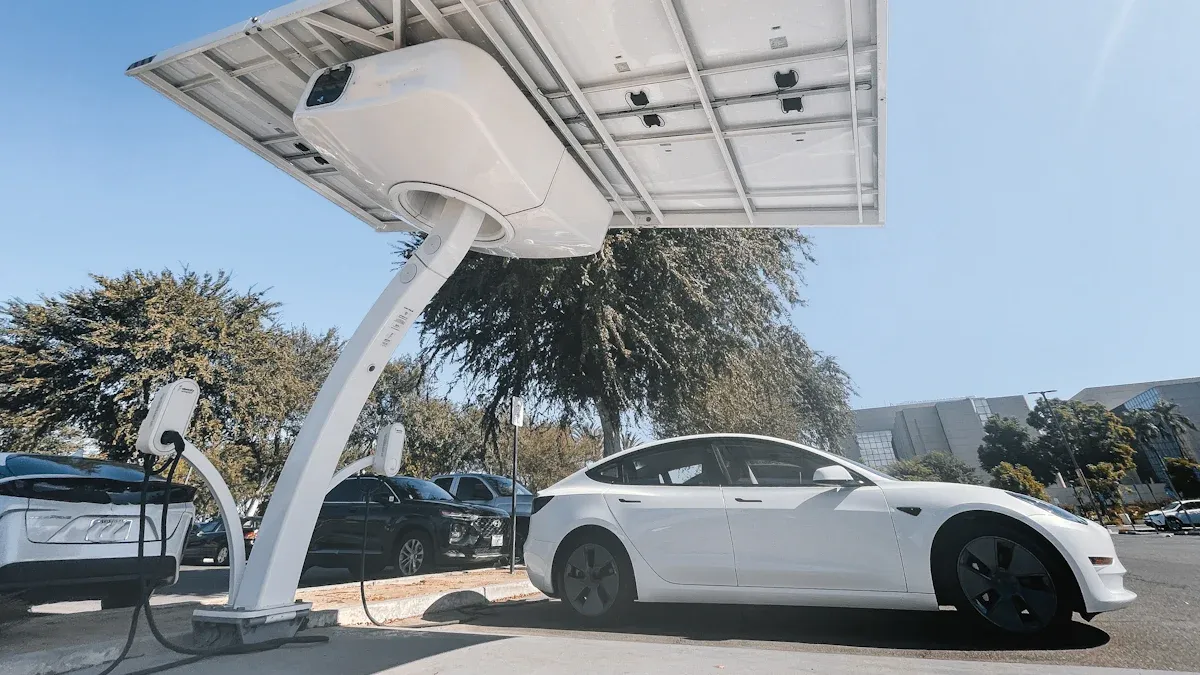
By 2025, the EV charging landscape is set for a revolution. الشركات المصنعة لشاحن السيارة الكهربائية are building hardware that is not just faster, but smarter and universally compatible. The future of EV charging depends on these innovations. The next generation of chargers will deliver ultra-fast speeds and integrate seamlessly with power networks through Vehicle-to-Grid (V2G) technology. This shift unifies the electric vehicle charging experience. These advancements are engineered to eliminate range anxiety and enhance grid stability. The goal is making electric car charging more convenient than refueling a gasoline car, preparing for massive EV adoption.
هل تعلم؟ 💡 The International Energy Agency (IEA) projects that over 20 million new EVs will be sold in 2025, a 25% year-on-year increase. This means one in every four new vehicles sold globally will be an EV, driving the urgent need for better EV charging infrastructure.
The current landscape of EV charging stations is evolving rapidly. Companies like TPSON are at the forefront, developing the advanced شاحن السيارة الكهربائية technology needed for this transition. The innovations shaping the future of EV charging focus on creating a robust and user-friendly ecosystem, ready for the millions of new EV drivers hitting the road.
The Push for Ultra-Fast Electric Car Charging Speeds
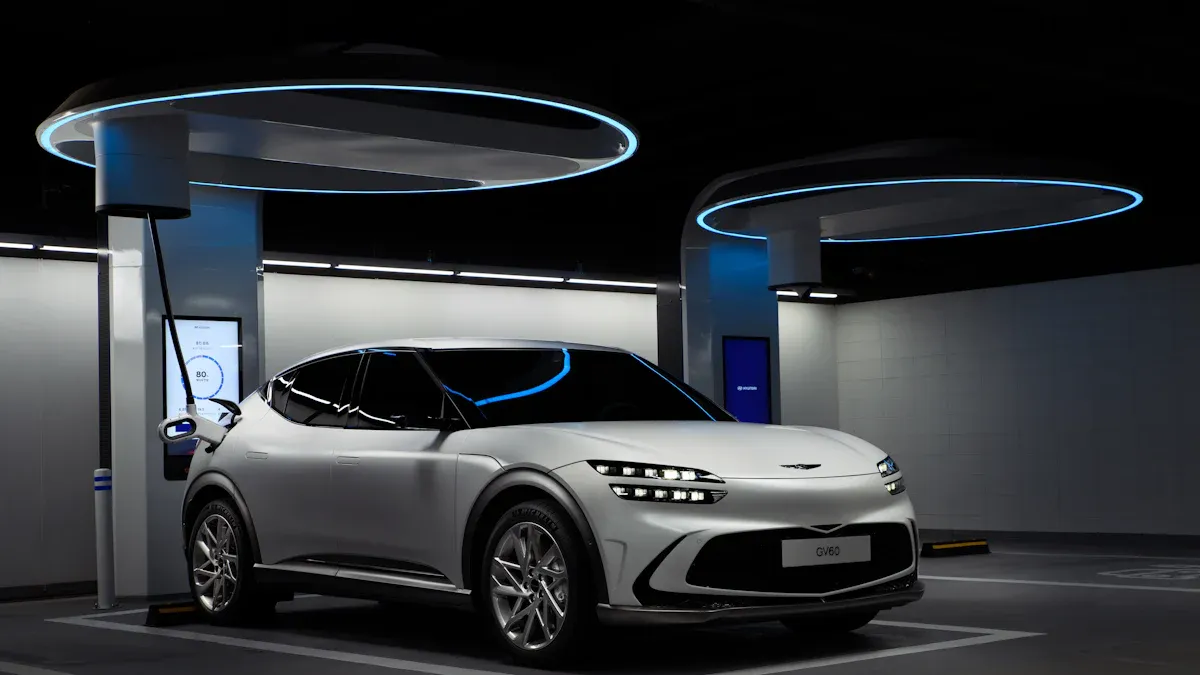
مستقبل شحن السيارات الكهربائية hinges on speed. Manufacturers are in a race to shatter the current benchmarks, aiming to make the electric car charging experience faster than a conventional fuel stop. This push toward ultra-fast speeds addresses the primary concern for many potential EV owners: charging time. By developing new fast charging technologies, the industry is preparing for a world where a 15-minute stop can add hundreds of kilometers of range.
كسر حاجز 350 كيلوواط
Surpassing the 350kW charging speed is a significant engineering challenge. It requires a complete overhaul of the components inside a محطة الشحن. These emerging technologies focus on delivering more power safely and efficiently.
Engineering 400kW+ Power Modules
To achieve these speeds, manufacturers are engineering next-generation power modules. This involves a critical transition to higher voltage platforms, moving from 1,100V toward 1,500V DC inputs and beyond. Higher voltage reduces electrical current, which in turn increases conversion efficiency and lowers system costs. This innovation allows for greater power density, enabling a higher power output from a smaller, more cost-effective unit.
أنظمة التبريد السائل المتقدمة
Delivering over 400kW of power generates immense heat. Advanced liquid-cooling systems are no longer optional; they are essential. These systems circulate coolant through the charging cables and connectors to manage temperatures, prevent component degradation, and ensure the safety and reliability of the EV charging session. Without robust thermal management, ultra-fast charging would not be possible.
High-Voltage Architecture (800V+)
The EV itself must be able to accept this power. Many automakers are adopting 800V (and higher) vehicle architectures. This design allows an EV to receive more power with less electrical current, reducing heat loss and enabling faster charging. Automakers like بورشه, Hyundai, Kia, and Lucid already have models that leverage this technology.
الميزة 400-volt Architecture 800-volt Architecture وقت الشحن Slower due to heat limits from higher current. Supports much faster charging with less heat. الكفاءة Lower efficiency due to more energy lost as heat. Higher efficiency and potential for more range. الوزن Requires heavier, thicker cables and components. Allows for lighter cables and components.
Optimizing Power Delivery for the EV
Raw power is only part of the equation. The next generation of charging stations uses intelligent systems to optimize how that power is delivered to each EV.
Dynamic Power Sharing Technology
At busy charging stations, not every vehicle needs maximum power simultaneously. Dynamic power sharing technology intelligently distributes available power across multiple dispensers. For example, a system can allocate a full 360kW to the first EV that plugs in. When a second EV connects, the power is split. As the first EV’s battery fills and its charging rate slows, the system automatically redirects more power to the second EV, optimizing throughput for the entire charging station.
Modular and Scalable Station Design
Forward-thinking providers like TPSON are developing charging station technologies with modular designs. This approach offers significant advantages for network operators.
- Future-Proofs Investment: Operators can start with a lower power output and add more modules later as demand grows or as vehicles become capable of faster speeds.
- Simplifies Maintenance: Individual modules can be swapped out for repair or upgrades without taking the entire station offline.
- Increases Reliability: A modular setup enhances system reliability and simplifies the design of cooling systems.
These different types of charging stations allow for cost-effective scaling to meet future needs.
Solid-State Transformer Integration
Solid-state transformers (SSTs) represent another leap forward. This technology replaces bulky, traditional copper-and-steel transformers with smaller, lighter, and more efficient power electronics. Integrating SSTs into charging infrastructure reduces the physical footprint of charging equipment and provides better grid control, making it a key component for future urban charging deployments.
Enhancing Convenience in the Future of EV Charging
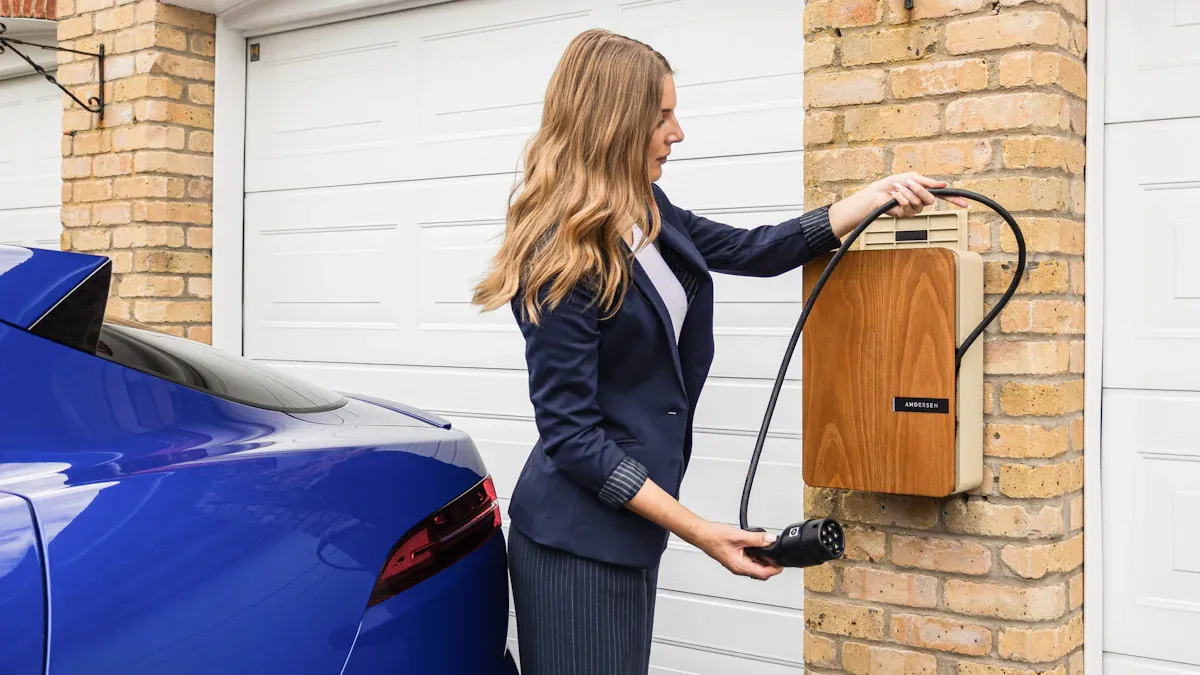
Beyond raw speed, the future of EV charging is defined by seamless convenience. Manufacturers are engineering hardware and software that remove friction from the user experience. The goal is to make topping up an EV battery an effortless, almost invisible background task. This focus on automation and accessibility will be critical for widespread adoption.
Automating the Charging Session
The next generation of EV charging eliminates manual steps like payment authentication and app management. The entire session becomes a simple act of plugging in the vehicle.
The Rise of ‘Plug and Charge’
‘Plug and Charge’ technology is a game-changer for driver convenience. An EV driver simply connects their vehicle to a compatible charging point, and the session starts automatically. This innovation removes the need for RFID cards or mobile apps. The primary benefits for the EV driver include:
- Time-saving: Charging begins instantly upon connection.
- الراحة: It eliminates fumbling with apps, cards, or QR codes.
- Enhanced Security: الاتصال المشفر يمنع الاحتيال.
- الدفع المتكامل: يتم التعامل مع الفواتير تلقائيًا من خلال حساب السائق المسجل مسبقًا.
تنفيذ أمان ISO 15118
تُبنى تجربة ‘التوصيل والشحن’ على بروتوكول الاتصال ISO 15118. يتيح هذا المعيار الدولي تبادل البيانات الآمن ثنائي الاتجاه بين السيارة الكهربائية ومحطة الشحن. ويخلق “مصافحة رقمية” تعتمد هوية المركبة وتُصرّف الدفع بأمان، مشكّلة الأساس التقني لنظام شحن السيارات الكهربائية المؤتمت بالكامل.
أذرع الشحن الآلي والروبوتية
تدفع عدة شركات عملية الأتمتة إلى حدودها الفيزيائية باستخدام أذرع الشحن الروبوتية. هذا الابتكار مهم بشكل خاص لأساطيل المركبات الذاتية القيادة ولتعزيز إمكانية الوصول.
الرواد في الأتمتة 🤖 مجموعة هيونداي موتور, لي أوتو, و فولتيريو تُطور أنظمة روبوتية يمكنها تحديد موقع منفذ شحن السيارة الكهربائية تلقائيًا، وتوصيل الكابل، وفصله بعد اكتمال الجلسة. يعد هذا التكنولوجيا بتجربة شحن خالية تمامًا من التدخل اليدوي.
توسيع إمكانية الوصول للشحن
تُطور الشركات المصنعة أيضًا أشكالًا وتصاميم جديدة لجلب الشحن إلى مواقع أكثر وجعله قابلًا للاستخدام من قبل الجميع.
تصنيع شواحن التيار المستمر السريعة المحمولة
شواحن التيار المستمر السريعة المتنقلة أو المحمولة تقدم مرونة لا تصدق. يمكن نقل هذه الوحدات ذات العجلات إلى أي مكان تحتاج فيه السيارة الكهربائية إلى شحن سريع. تُطور مزودون متقدمون تقنيًا مثل TPSON حلول الشحن هذه لتطبيقات متنوعة. حالات الاستخدام الرئيسية تشمل:
- ورش العمل ومراكز الخدمة السيارات.
- مرائب الحافلات التي تتطلب مواقع شحن مرنة.
- الفعاليات وعروض السيارات حيث البنية التحتية الدائمة غير متوفرة.
ابتكارات في الشحن اللاسلكي الثابت
يسمح الشحن اللاسلكي الثابت للسيارة الكهربائية بإعادة الشحن بمجرد ركنها فوق وسادة شحن أرضية. أصبحت هذه التكنولوجيا أكثر كفاءة وقوة.
| أسبكت | الشحن اللاسلكي | الشحن بالتوصيل |
|---|---|---|
| الكفاءة | 90%-92% | تقريبًا 90٪ |
يمكن للأنظمة الحديثة تقديم حتى 250 كيلو واط من الطاقة، مما يجعل اللاسلكي خيارًا عمليًا للتعبئة السريعة، وليس فقط الشحن الليلي. هذا يزيل الكابلات تمامًا من المعادلة.
التصميم المتوافق مع قانون الأمريكيين ذوي الإعاقة (ADA)
جانب حاسم من إمكانية الوصول هو تصميم بنية تحتية يمكن للجميع استخدامها. تركز الشركات المصنعة بشكل متزايد على إنشاء أجهزة تتوافق مع قانون الأمريكيين ذوي الإعاقة (ADA) والمعايير العالمية المماثلة. يتضمن ذلك اعتبارات لارتفاع الشاشة، ومدى وصول الكابل، وضمان مساحة كافية حول محطة الشحن للمناورة.
تكامل الشبكة الذكية لشحن المركبات الكهربائية
يمتد مستقبل شحن السيارات الكهربائية إلى ما بعد المركبة؛ فهو يتضمن اتصالًا عميقًا بشبكة الطاقة. تبني الشركات المصنعة بنية تحتية ذكية للشحن تحول كل سيارة كهربائية إلى أصل نشط للشبكة. يساعد هذا الابتكار في إدارة الطلب على الكهرباء، ويعزز استقرار الشبكة، ويدمج مصادر الطاقة المتجددة بشكل أكثر فعالية. تشكل حلول الشحن الذكية هذه اتجاهًا رئيسيًا في تطوير بنية الشحن التحتية.
بناء أجهزة الشحن ثنائية الاتجاه
شواحن ثنائية الاتجاه تسمح بتدفق الطاقة من وإلى بطارية السيارة الكهربائية. هذه التكنولوجيا أساسية لخلق نظام طاقة مرن ومستجيب.
الإنتاج الضخم لشواحن V2G
تمكن تكنولوجيا المركبة إلى الشبكة (V2G) السيارة الكهربائية من إعادة الطاقة إلى الشبكة خلال أوقات الذروة. شركات مصنعة مثل INDRA, Wallbox، و Siemens تقود المسيرة،, نقل أجهزة V2G من المشاريع التجريبية إلى الإنتاج الضخم. سيخلق هذا التحول شبكات تخزين طاقة موزعة واسعة النطاق.
تمكين طاقة المركبة إلى المنزل (V2H)
تسمح أنظمة المركبة إلى المنزل (V2H) للسيارة الكهربائية بالعمل كمولد احتياطي للمنزل. أثناء انقطاع التيار الكهربائي، يمكن لمركبة مجهزة بتقنية V2H تشغيل الأجهزة المنزلية الأساسية. تجري شركات صناعة السيارات وشركات المرافق برامج تجريبية لاختبار هذه التكنولوجيا، وتقديم حوافز مالية لأصحاب المنازل الذين يثبتون الأجهزة اللازمة.
دمج منافذ المركبة إلى الحمل (V2L)
تضيف المركبة إلى الحمل (V2L) طبقة أخرى من الراحة عن طريق تحويل السيارة الكهربائية إلى مصدر طاقة متنقل. تسمح المنافذ المدمجة للمستخدمين بتشغيل مجموعة واسعة من الأجهزة مباشرة من سيارتهم. تشمل الاستخدامات الشائعة:
- تشغيل الأدوات والمعدات في موقع العمل.
- تشغيل أجهزة مثل الإضاءة وآلات صنع القهوة أثناء التخييم.
- توفير شحن طارئ لسيارة كهربائية أخرى.
الاستفادة من الذكاء الاصطناعي للشحن الذكي للسيارات الكهربائية
الذكاء الاصطناعي هو العقل المدبر وراء الشحن الذكي للسيارات الكهربائية. تحسن خوارزميات الذكاء الاصطناعي عملية الشحن من حيث التكلفة واستقرار الشبكة وراحة المستخدم.
موازنة الحمل المدعومة بالذكاء الاصطناعي
في المواقع ذات الشواحن المتعددة،, تمنع موازنة الحمل المدعومة بالذكاء الاصطناعي التحميل الزائد على الشبكة. يحلل النظام الطلب في الوقت الفعلي و يوزع الطاقة المتاحة بذكاء على جميع المركبات المتصلة. يتجنب هذا ترقيات الكهرباء المكلفة ويضمن عمل محطة الشحن ضمن حدود طاقتها.
تحسين جدول الشحن التنبؤي
تنشئ منصات الذكاء الاصطناعي جداول شحن مثالية من خلال تحليل مجموعات البيانات الضخمة. تأخذ في الاعتبار متغيرات مثل سلوك السائق, بيانات القياس عن بُعد للمركبة, أسعار الطاقة مسبقًا، وحتى أنماط المناخ المحلي. يتيح هذا لمشغلي الأساطيل والسائقين الأفراد شحن سياراتهم الكهربائية تلقائيًا عندما تكون الكهرباء أرخص أو أكثر نظافة.
تكامل طاقة المتجددة في الوقت الفعلي
يمكن للشحن الذكي للسيارات الكهربائية مواءمة الطلب على الكهرباء مع توفر الطاقة المتجددة. تراقب أنظمة الذكاء الاصطناعي ظروف الشبكة ويمكنها بدء جلسات الشحن عندما يكون هناك فائض من الطاقة الشمسية أو طاقة الرياح، مما يساعد على موازنة الطبيعة المتقطعة لهذه المصادر.
إنشاء بنية تحتية داعمة للشبكة
تم تصميم الجيل القادم من أجهزة الشحن لدعم الشبكة الكهربائية بشكل فعّال. يتضمن ذلك مكونات تمكن من الاتصال وتقاسم الطاقة بين المركبة الكهربائية والشاحن وشركة المرافق.
أجهزة لبرامج استجابة الطلب
تُعد الشواحن ثنائية الاتجاه ضرورية لتمكين مشاركة المركبات الكهربائية في برامج استجابة الطلب. هذه البرامج حاسمة لإدارة الشبكة الكهربائية.
قدرات تنظيم التردد المدمجة
يمكن للمركبة الكهربائية المتصلة بشاحن ثنائي الاتجاه المساعدة في استقرار الشبكة الكهربائية. تسمح الأجهزة بامتصاص بطارية المركبة أو تفريغ كميات صغيرة من الطاقة بسرعة، مما يساعد في تنظيم الجهد والتردد لتعزيز موثوقية الشبكة بشكل عام.
حلول تخزين البطاريات في الموقع
تستكشف مزودو الشحن مثل TPSON حلول شحن متقدمة تقترن محطات الشحن بأنظمة تخزين طاقة البطاريات في الموقع (BESS). تخزن هذه الأنظمة الطاقة خلال ساعات عدم الذروة وتفرغها خلال أوقات الذروة. تُعرف هذه الممارسة باسم “تقليل الذروة”، مما يقلل بشكل كبير من رسوم الطلب العالية لمشغلي المحطات ويخفف الضغط على الشبكة المحلية.
توحيد شبكة شحن المركبات الكهربائية في أمريكا الشمالية
يُسبب مشهد الشحن المجزأ الارتباك والقلق لسائقي المركبات الكهربائية. يعتمد مستقبل شحن السيارات الكهربائية على إنشاء شبكة موحدة وموثوقة ومفتوحة. بحلول عام 2025، يحقق المصنعون ومشغلو الشبكة تقدماً كبيراً نحو التوحيد القياسي. يركز هذا الجهد على موصل مشترك، وبروتوكولات اتصال مفتوحة، ودفع مستمر لتحسين الموثوقية عبر جميع نقاط الشحن.
هيمنة معيار NACS
تشكل الانتشار الواسع لاعتماد معيار الشحن لأمريكا الشمالية (NACS) خطوة رئيسية نحو التوحيد.
التحول على مستوى الصناعة إلى نظام الحسابات القومية
التزمت تقريباً كل شركة سيارات كبرى بدمج منفذ NACS في مركباتها الجديدة. يخلق هذا الانسجام على مستوى الصناعة نظاماً بيئياً متماسكاً. تستهدف معظم العلامات التجارية عام 2025 لهذا التحول, ، مما يشير إلى توحيد سريع لأجهزة الشحن.
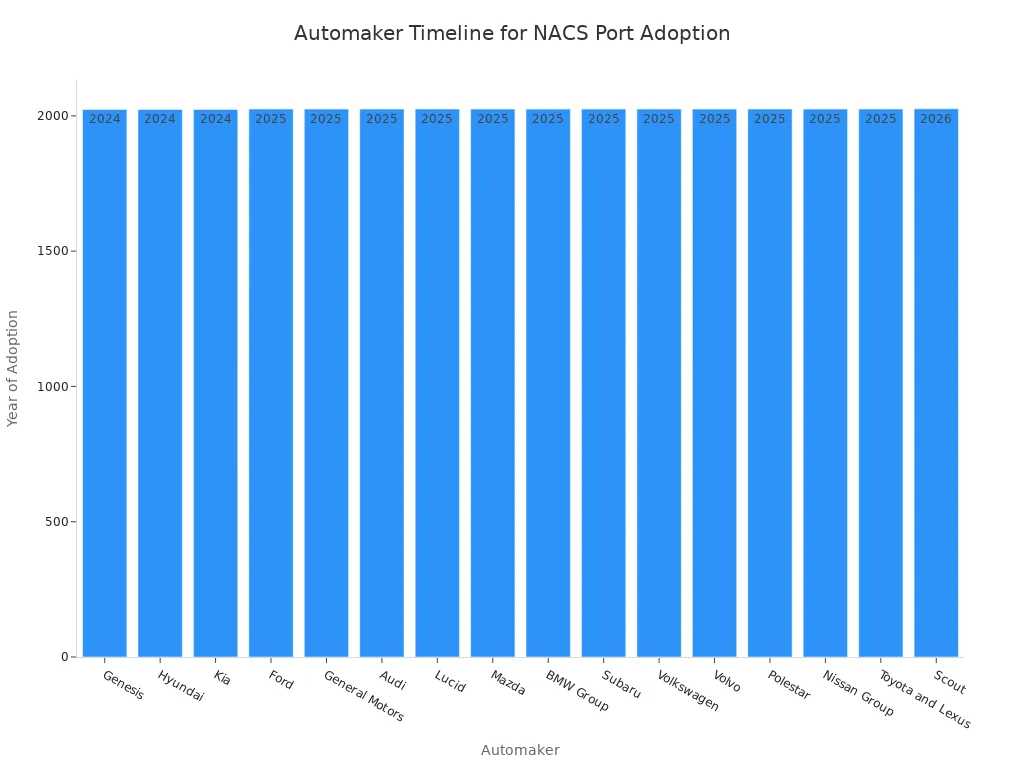
تصنيع موصلات NACS أصلية
يستجيب مصنعو الشواحن بإنتاج أجهزة ذات موصلات NACS أصلية. يلغي هذا الحاجة إلى محولات ضخمة وغير موثوقة في كثير من الأحيان. يضمن بناء محطة شحن بموصلات NACS مدمجة من المصنع أداءً أفضل، وموثوقية أعلى، وتجربة مستخدم أبسط لكل سائق مركبة كهربائية.
استراتيجيات ترقية محطات CCS
لا يتخلف مشغلو محطات الشحن الحالية عن الركب. تعد ترقية موزعات نظام الشحن المشترك الحالية (CCS) بموصلات NACS استراتيجية فعالة من حيث التكلفة.
تُقدر تكاليف التحويل بين 200 و 500 دولار لكل شاحن عندما لا تكون هناك حاجة إلى ترقيات كهربائية كبرى. يجعل هذا توسيع الشبكة من قبل الشركات مجدياً مالياً بشكل أكبر.
ضمان قابلية التشغيل البيني للشبكة المفتوحة
القابس المشترك هو مجرد جزء واحد من الحل. تتطلب إمكانية التشغيل البيني الحقيقية معايير اتصال مفتوحة تسمح لأي مركبة كهربائية بالشحن في أي محطة، بغض النظر عن المشغل.
دور OCPP 2.0.1
يُعد بروتوكول نقطة الشحن المفتوحة (OCPP) 2.0.1 محفزاً حاسماً لهذه الرؤية. يسمح هذا البروتوكول لأجهزة الشحن المختلفة وأنظمة إدارة البرمجيات بالتواصل بسلاسة. تشمل الميزات الرئيسية:
- دعم ISO 15118 الأصلي: يمكن من ميزات متقدمة مثل الشحن بالتوصيل والشحن الذكي.
- إدارة أجهزة محسنة: تمنح المشغلين رؤية وتحكماً أفضل في شبكاتهم.
- معالجة المعاملات الموحدة: يبسط الفوترة وإعداد التقارير البيانات عبر الأنظمة المختلفة.
المعايير المفتوحة مقابل الأنظمة الاحتكارية
تبحث الصناعة عن التوازن بين المعايير المفتوحة والشبكات المغلقة والاحتكارية. بينما يمكن للأنظمة الاحتكارية أن توفر الاستقرار، فإن المعايير المفتوحة تعزز الابتكار وتمنع الاحتجاز لدى مورد واحد.
| الميزة | المعايير المفتوحة | الأنظمة الاحتكارية |
|---|---|---|
| التحكم | يقودها المجتمع | تقودها الشركة |
| التكلفة | مجانية الاستخدام عموماً | غالباً ما تتضمن رسوماً |
| التخصيص | قابلة للتخصيص بدرجة عالية | تخصيص محدود |
| الابتكار | يقوده المجتمع | تقوده أبحاث وتطوير الشركة |
فوائد لأصحاب ومشغلي المحطات
تمكن المعايير المفتوحة أصحاب المحطات. يمكنهم خلط ومطابقة الأجهزة والبرمجيات من موردين مختلفين، بما في ذلك المزودين المتقدمين تقنياً مثل TPSON. يعزز هذا المرونة المنافسة، ويخفض التكاليف، ويسمح للمشغلين بنشر أفضل حلول الشحن لمواقعهم المحددة.
تحسين الموثوقية وزمن التشغيل
يجب أن تكون نقطة الشحن المتاحة أيضاً عاملة. يدمج المصنعون تقنيات جديدة مباشرة في أجهزتهم لتعظيم الموثوقية وزمن التشغيل.
أجهزة مراقبة زمن التشغيل في الوقت الفعلي
تفرض برامج حكومية جديدة توافراً عالياً، حيث يتطلب بعضها زمن تشغيل بنسبة 97% للبنية التحتية للشحن الممولة. للوفاء بهذا، تتضمن الشواحن الجديدة أجهزة تراقب الأداء باستمرار وتُبلغ عن الحالة في الوقت الفعلي. يسمح هذا للمشغلين بتحديد المشكلات ومعالجتها على الفور.
أجهزة استشعار الصيانة التنبؤية
تتجاوز المراقبة في الوقت الفعلي، تستخدم الشواحن المتقدمة أجهزة استشعار للتنبؤ بالأعطال قبل حدوثها. من خلال تتبع درجات حرارة المكونات، وتقلبات الجهد، وأنماط الاستخدام، يمكن للنظام تنبيه المشغلين بالمشكلات المحتملة. يحافظ هذا النهج الاستباقي في الصيانة على تشغيل المزيد من محطات الشحن.
أنظمة دفع مبسطة وعالمية
لتحسين تجربة شحن المركبات الكهربائية، يجب أن يكون الدفع بسيطًا. بالإضافة إلى خاصية "التوصيل والشحن"، تقوم الشركات المصنعة بدمج محطات دفع عالمية تقبل بطاقات الائتمان والدفع عبر الهاتف المحمول. وهذا يضمن أن أي سائق يمكنه استخدام أي محطة شحن دون الحاجة إلى تطبيقات أو حسابات متعددة، مما يعزز إمكانية الوصول في جميع المواقع.
تقوم الشركات المصنعة بإعادة بناء تجربة شحن المركبات الكهربائية من الأساس لعام 2025. يركز التطوير على السرعات فائقة السرعة، والراحة الآلية، والتكامل مع الشبكة الكهربائية لخلق نظام بيئي قوي وسهل الاستخدام. هذه الموجة الجديدة من الأجهزة هي المحفز لاعتماد المركبات الكهربائية على نطاق واسع ومستقبل مستدام. سينتقل مستقبل شحن المركبات الكهربائية من تقنية متخصصة إلى خدمة سائدة. هذا التحول يدعم مستقبلًا مستدامًا للتنقل المستدام. النشر السريع لحلول شحن المركبات الكهربائية المتقدمة أمر ضروري.
- ستشكل أجهزة الشحن عالية الطاقة (240 كيلووات فما فوق) 44% من أجهزة الشحن العامة بحلول عام 2030.
- هذا النمو في بنية شحن المركبات الكهربائية يستعد لوقت يمكن فيه للمركبة الكهربائية الحصول على شحن كامل في أقل من 10 دقائق.
الأسئلة الشائعة
ما هو معيار NACS؟
معيار الشحن لأمريكا الشمالية (NACS) هو تصميم موحد للوصلات تتبناه معظم شركات صناعة السيارات للمركبات الجديدة. هذا التحول على مستوى الصناعة يبسط تجربة الشحن العامة للسائقين من خلال إلغاء الحاجة إلى محولات مختلفة.
كيف تفيد تقنية V2G الشبكة الكهربائية؟
تمكن تقنية المركبة إلى الشبكة (V2G) المركبة الكهربائية من إرسال الطاقة من بطاريتها مرة أخرى إلى الشبكة الكهربائية. تساعد هذه العملية مقدمي الخدمات في إدارة ذروة الطلب على الطاقة، وتحسين استقرار الشبكة العامة، ودعم تكامل الطاقة المتجددة.
هل ستدعم جميع المركبات الكهربائية سرعات الشحن فائقة السرعة؟
لن تدعم جميع المركبات أعلى السرعات. يعتمد الحد الأقصى لمعدل شحن المركبة الكهربائية على هيكل البطارية الداخلي لها. بينما تقدم أجهزة الشحن الجديدة سرعات أسرع، فقط المركبات ذات أنظمة 800 فولت المتقدمة يمكنها استقبال هذه الكمية من الطاقة.
ما الذي يجعل خاصية ‘التوصيل والشحن’ مريحة للغاية؟
‘تؤتمت خاصية ’التوصيل والشحن" عملية الشحن بأكملها. يقوم السائق ببساطة بتوصيل مركبته، وتقوم المحطة تلقائيًا بالتعامل مع المصادقة والدفع. هذا يلغي الحاجة إلى بطاقات RFID أو التطبيقات المحمولة أو محطات الدفع لتجربة سلسة.
كيف ستتحسن موثوقية محطات الشحن؟
تقوم الشركات المصنعة بتضمين أجهزة استشعار للصيانة التنبؤية وأجهزة مراقبة في الوقت الفعلي في أجهزة الشحن الجديدة. تسمح هذه التقنية للمشغلين بتحديد وإصلاح المشكلات المحتملة بشكل استباقي، مما يزيد من وقت التشغيل ويضمن عمل أجهزة الشحن عند الحاجة في مواقع مختلفة.
هل أجهزة الشحن السريع التي تعمل بالتيار المستمر المحمولة حل عملي؟
نعم، توفر مرونة كبيرة. تقوم مزودين متقدمين تقنيًا مثل TPSON بتطوير هذه الوحدات المتنقلة للورش والفعاليات ومواقف الأساطيل. توفر شحنًا سريعًا في مواقع مؤقتة أو غير تقليدية حيث لا تكون البنية التحتية الدائمة عملية.




