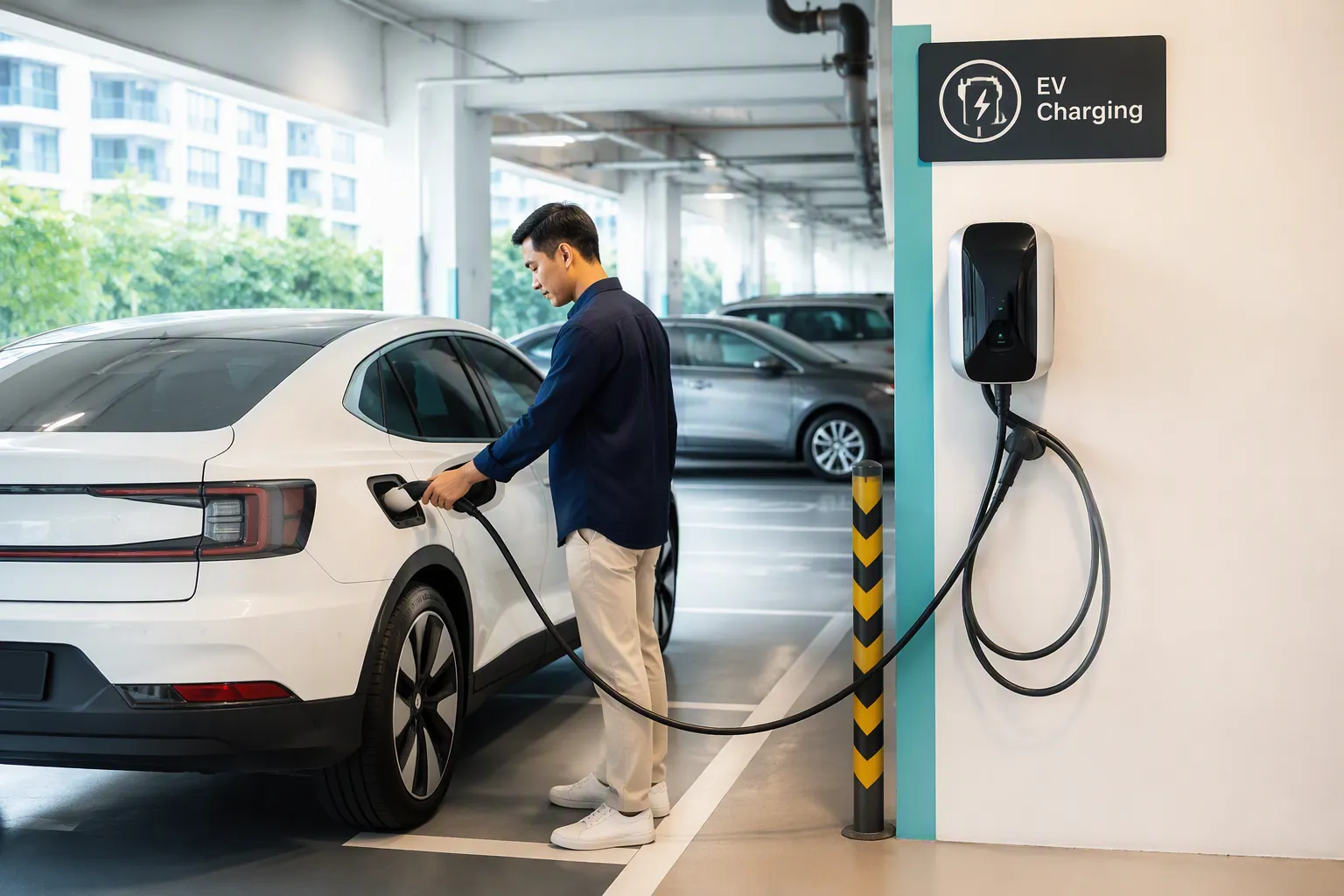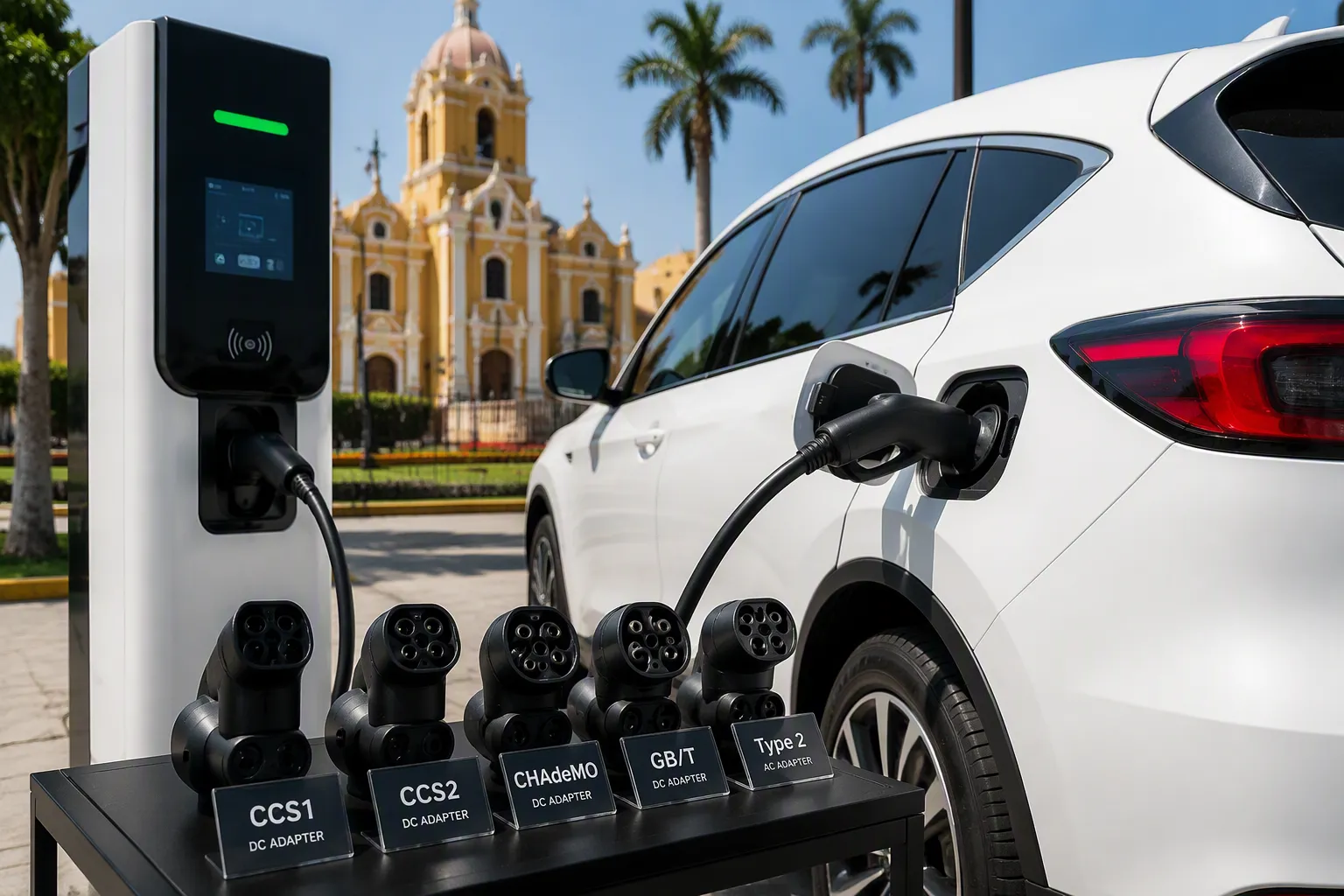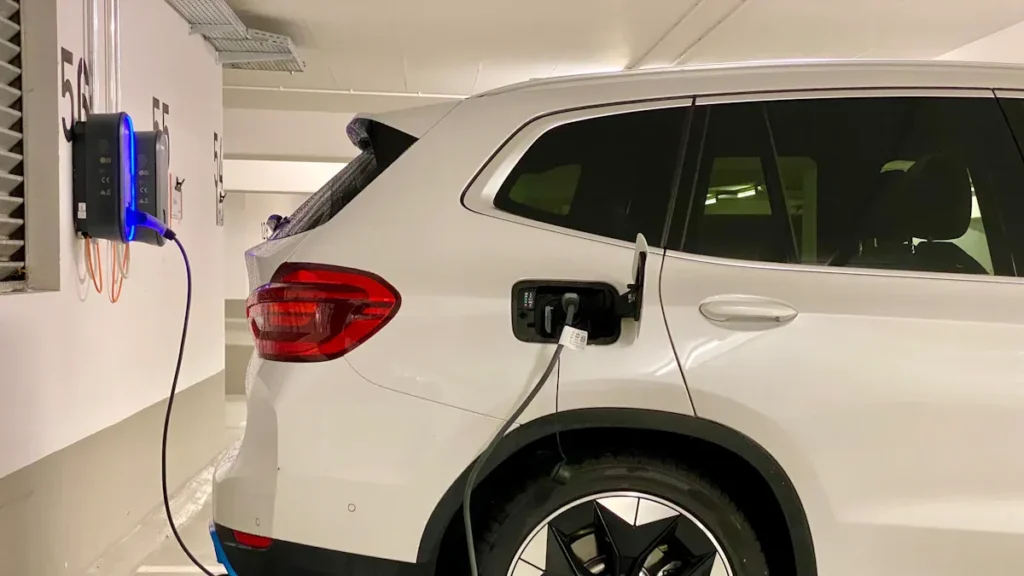
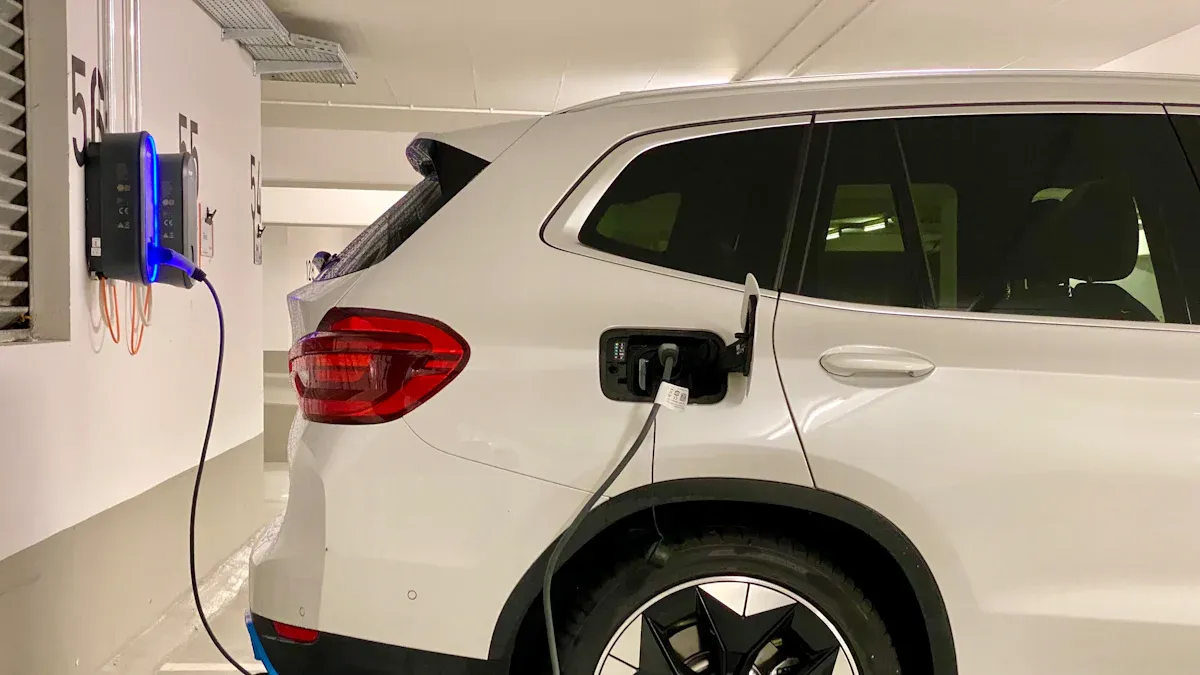
Charging an electric vehicle at home usually costs much less than using public charging stations. Many drivers see savings of up to 50% by choosing home charging, especially when they use smart off-peak EV charging solutions. The table below shows average costs per kWh for different charging options:
| Charging Type | Average Cost per kWh | Notes |
|---|---|---|
| Home Charging | $0.18 | Varies by state; as low as $0.12 in WA |
| Public Level 2 Charging | $0.25 | More expensive than home charging |
| Public Level 3 Charging | $0.47 | Nearly three times the cost of home charging |
EV owners can save between £720 to £900 annually when they charge at home instead of relying on public stations. Smart off-peak charging, supported by leading EV charger manufacturers and portable ev chargers, allows further monthly savings. Actual costs depend on local electricity rates and individual charging habits.
Note: Every driver should consider the impact on their electric bill and explore available EV charging solutions.
Home EV Charging: Understanding the Cost
Electricity Rates When You Charge at Home
Average Cost per kWh for Home Charging
Electric vehicle owners often find that charging at home provides the most predictable and affordable rates. The average cost per kWh for residential charging varies by location. For example, California drivers pay about 29.49 cents per kWh, while those in Texas pay closer to 14.25 cents per kWh. New York residents see an average of 23.44 cents per kWh. The table below highlights these differences and shows the typical cost to fully charge an average EV battery in each state:
| State | Avg. Residential Electricity Cost (Cents/kWh) | Cost To Charge Average Battery |
|---|---|---|
| California | 29.49 | $21.53 |
| Texas | 14.25 | $10.40 |
| New York | 23.44 | $17.11 |
Regional Differences in Electricity Prices
Electricity rates can fluctuate significantly across the United States. States with higher energy demand or limited supply, such as California, often have higher rates. In contrast, states with abundant energy resources, like Texas, offer lower rates. These regional differences directly impact the total cost of charging at home. Drivers should review their local electricity rate to estimate their monthly expenses accurately.
Home Charger Installation and Equipment Cost
Upfront Equipment and Charger Costs
Most EV owners choose to install a Level 2 charger for faster and more efficient charging at home. The equipment cost for a Level 2 charger typically ranges from $500 to $800. The final price depends on the brand, features, and smart charging capabilities.
Installation Fees for Home EV Charging
Installation costs can vary based on the complexity of the electrical work required. On average, the total installation fee for a Level 2 charger falls between $800 and $3,000. After consulting with licensed electricians, many homeowners report an average total cost of around $2,000, which includes both the charger and labor.
Ongoing Maintenance Expenses
Maintenance costs for home charging equipment remain low. Most modern chargers require minimal upkeep, such as occasional inspections and software updates. This makes charging at home a cost-effective long-term solution.
Monthly and Annual Cost of Charging at Home
Impact on Your Electric Bill
Charging at home increases the monthly electric bill, but the overall cost remains lower than fueling a gasoline vehicle. For example, an average driver in the UK travels about 592 miles per month. Charging an EV for this distance at a standard rate of 27.69p/kWh adds roughly £49.37 to the monthly bill. For drivers covering 1,000 miles per month with an efficiency of 4 miles per kWh, the energy consumption reaches 250 kWh. At an average electricity rate of 30p per kWh, the monthly cost is approximately £75.
Off-Peak vs. Peak Charging Rates at Home
Charging during off-peak hours can lead to significant savings. Many utility companies offer dedicated EV tariffs that reduce the electricity rate during low-demand periods. By charging at home overnight or during off-peak times, drivers can save up to £300 annually compared to standard tariffs. This strategy maximizes the cost advantage of home charging and helps balance grid demand.
Tip: Check with your local utility provider for special EV charging plans or time-of-use rates to further reduce your charging at home expenses.
How to Calculate Your Home Charging Cost
Simple Formula for Home Charging Expenses
Drivers can estimate the cost of charging an electric vehicle at home using a straightforward formula. This calculation helps them understand the financial impact of home ev charging on their monthly budget. The formula uses three main factors: battery size, electricity rate, and charging efficiency.
Tip: Always check the vehicle’s battery capacity and the local electricity rate before starting the calculation.
The basic formula for home ev charging looks like this:
Home Charging Cost = (Battery Size in kWh) × (Electricity Rate per kWh) ÷ (Charging Efficiency)
- Battery Size in kWh: This value represents the total energy capacity of the EV’s battery.
- Electricity Rate per kWh: This is the price paid for each kilowatt-hour of electricity at home.
- Charging Efficiency: Most home chargers operate at 85% to 90% efficiency. For accurate results, use a value like 0.90.
This formula gives a clear estimate of the cost of charging for a single full charge. Drivers can multiply this number by the number of charging sessions per month to find their total monthly expense for home ev charging.
Example Calculation for Home EV Charging
Consider an electric vehicle with a 60 kWh battery. The local electricity rate is $0.18 per kWh. The charging efficiency is 90%. The driver wants to know the cost of charging the vehicle from empty to full at home.
Insert the values into the formula:
Home Charging Cost = 60 kWh × $0.18 ÷ 0.90Calculate the result:
- 60 kWh × $0.18 = $10.80
- $10.80 ÷ 0.90 = $12.00
The cost of charging the EV from empty to full at home is $12.00. If the driver charges the vehicle five times per month, the total monthly cost for home ev charging would be $60.00.
Note: Actual costs may vary based on battery size, driving habits, and changes in electricity rates. Drivers should review their utility bills regularly to track the real cost of charging.
A simple table can help drivers compare different scenarios:
| Battery Size (kWh) | Electricity Rate ($/kWh) | Efficiency | Cost per Full Charge |
|---|---|---|---|
| 40 | 0.15 | 0.90 | $6.67 |
| 60 | 0.18 | 0.90 | $12.00 |
| 80 | 0.20 | 0.90 | $17.78 |
Understanding these calculations empowers drivers to make informed decisions about home ev charging and manage their transportation expenses more effectively.
Public Charging Station Cost Breakdown
Types of Public Charging Stations and Their Cost
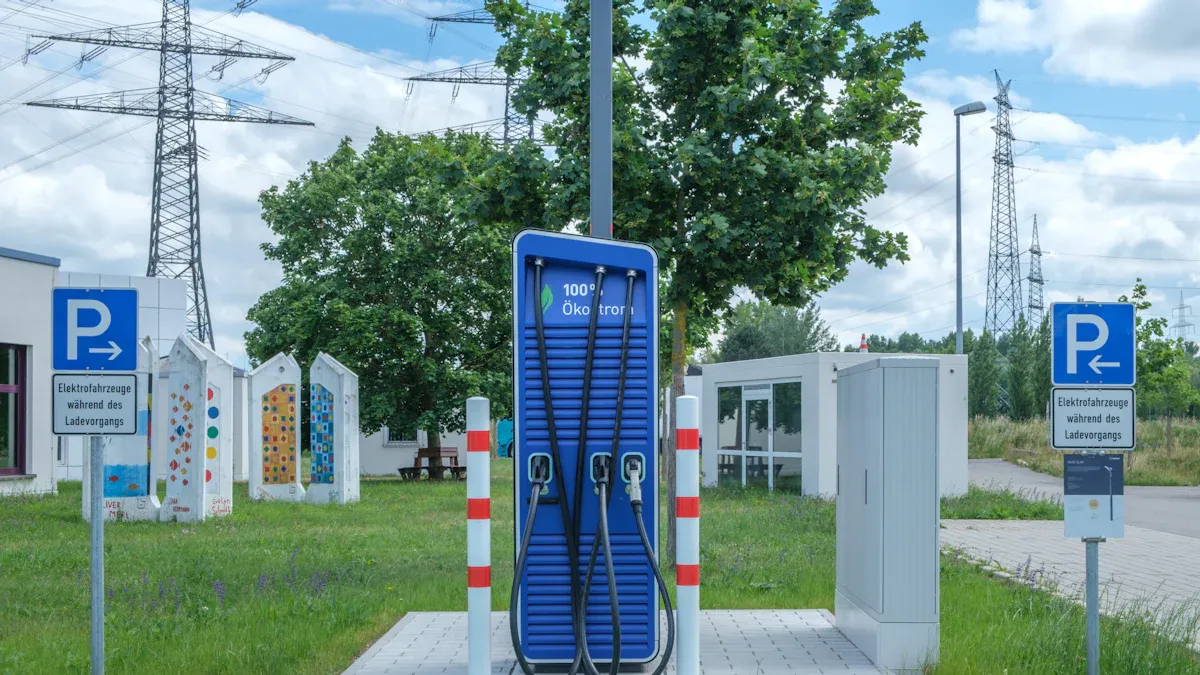
Public charging stations come in several types, each designed for different needs and locations. Charging at a public station can involve destination chargers, rapid chargers, and standard Level 1, Level 2, or Level 3 chargers. The table below outlines the main types, their charging speed, and where drivers typically find them:
| Type of Charger | Charging Speed | Typical Locations |
|---|---|---|
| Destination Chargers | 3.7 kW to 22 kW | Hotels, shopping centers, restaurants |
| Rapid & Ultra-Rapid Chargers | 50 kW to 350-400 kW | Motorway services, retail parks, transport hubs |
| Level 1 Chargers | ~8 km per hour | Standard US 120 V outlet (mainly in the US) |
| Level 2 Chargers | ~30 km per hour | Commonly used in various public locations |
| Level 3 Chargers | High-speed (varies) | Commercial installations, costs $30,000 to $75,000 |
- Level 1 chargers deliver the slowest charging speeds and usually cost less.
- Level 2 chargers offer faster charging and moderate cost, making them common in public charging station networks.
- Level 3 chargers provide high-speed charging at a public station, but installation and usage costs are significantly higher.
Level 2 Charging Station Costs
Level 2 charging stations represent the most common option for public charging. These stations typically cost between $0.20 and $0.30 per kWh. Drivers find Level 2 chargers at shopping centers, parking lots, and workplaces. Charging costs at these stations remain moderate, making them suitable for daily use.
DC Fast Charging Station Costs
DC fast charging stations, also known as Level 3 chargers, deliver rapid charging speeds. The cost for charging at a public station with DC fast chargers ranges from $0.30 to $0.60 per kWh. These stations appear at motorway services and transport hubs. The higher charging costs reflect the advanced technology and faster charging times.
Pricing Models at Public Charging Stations
Charging at a public station involves several pricing models. Networks may charge by the kWh, by the minute or hour, or add session fees and membership charges. The table below compares costs across different networks:
| Charging Network | Cost per kWh | Additional Fees |
|---|---|---|
| Aldi | 25p | Pay directly through Shell Recharge |
| Some Apps | 65p | Higher rates for the same charger |
| Home Bargains | 35p | Often has a £5 connection fee |
Cost per kWh at Public Chargers
Most public charging stations charge by the kWh. The cost per kWh can vary widely, with some networks offering rates as low as $0.20 and others charging up to $0.85 per kWh. Charging costs at a public station can be three to five times higher than home charging. Drivers who compare rates before charging at a public station can avoid premium costs.
Cost per Minute or Hour
Some public charging station networks charge by the minute or hour. This model can increase charging costs, especially if the vehicle charges slowly or the driver leaves the car plugged in after charging completes. Always check the pricing structure before starting a charging session.
Session Fees and Membership Charges
Many public charging stations add session fees or require membership. For example, some locations charge a flat connection fee, such as £5, in addition to the cost per kWh. Membership programs may offer discounted rates but often require a monthly or annual fee. Drivers should review these charges to understand the total charging costs.
Additional Public Charging Costs
Charging at a public station can involve extra fees beyond the basic charging rate. Idle fees and network access charges can increase the overall cost.
Idle Fees and Penalties
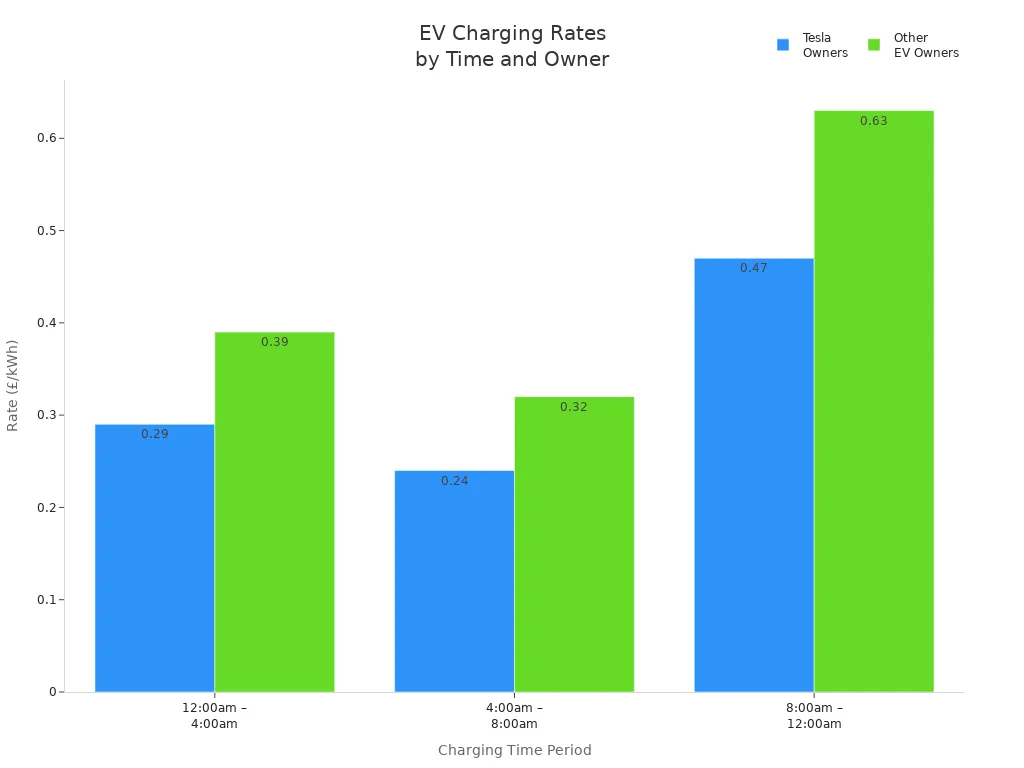
Idle fees apply when a car remains parked at a public charging station but is not actively charging. These fees encourage drivers to move their vehicles promptly. Idle fees can reach up to £1 per minute during peak hours. The chart below compares charging rates and idle fees for Tesla owners and other EV drivers:
Drivers who leave their vehicles at a public charging station after charging ends may face significant penalties.
Network Membership and Access Fees
Some public charging station networks require a subscription or membership for access. For example, Source London offers a pay-as-you-go price of 65p/kWh and a £4/month subscription for certain drivers. Membership can reduce charging costs but adds a recurring expense. Drivers should consider these fees when calculating total charging costs for public charging.
Tip: Review all fees and pricing models before charging at a public station. Smart choices can help minimize charging costs and avoid unexpected charges.
How to Estimate Your Public Charging Cost
Finding Local Public Charging Rates
Drivers often need to research local public charging rates before planning a trip or budgeting for regular EV use. Charging networks publish their rates on official websites and mobile apps. Many stations display pricing information on the charger itself. To find accurate rates, drivers should:
- Check the charging network’s website for updated pricing.
- Use EV charging apps that compare rates across nearby stations.
- Review station signage for session fees, per kWh rates, and idle penalties.
Some networks offer calculators that estimate charging expenses based on battery size and charging speed. Drivers who travel frequently benefit from tracking rates in different regions. Local utility companies sometimes partner with charging networks to provide discounted rates for residents. Comparing several options helps drivers avoid unexpected charges and select the most affordable station.
Tip: Always verify whether a station charges by kWh, minute, or session. This step prevents surprises when reviewing the final bill.
Example Calculation for Public Charging
Estimating the total cost at a public charging station requires a few simple steps. Drivers should gather three pieces of information: battery size, station rate, and charging efficiency. The following example demonstrates the process:
Suppose an EV has a 60 kWh battery. The public charging station charges $0.40 per kWh. Charging efficiency at public stations usually reaches 90%.
Multiply battery size by station rate:
- 60 kWh × $0.40 = $24.00
Divide by charging efficiency:
- $24.00 ÷ 0.90 = $26.67
The total cost to fully charge the EV at this public station equals $26.67. If the driver uses the station four times per month, the monthly expense reaches $106.68.
A table below summarizes different scenarios:
| Battery Size (kWh) | Station Rate ($/kWh) | Efficiency | Cost per Full Charge |
|---|---|---|---|
| 40 | 0.35 | 0.90 | $15.56 |
| 60 | 0.40 | 0.90 | $26.67 |
| 80 | 0.45 | 0.90 | $40.00 |
Drivers who calculate expenses before charging can manage their budgets more effectively. Comparing home and public charging costs allows for smarter decisions about where and when to charge.
Note: Some stations add session fees or idle penalties. Always include these charges in the final calculation for a realistic estimate.
Cost Comparison: Charge at Home vs. Charging Station
Real-World Cost Comparison Examples
Typical Home EV Charging Scenario
Many drivers choose to charge at home due to its convenience and lower costs. For a standard 60kWh electric car, a full charge at home costs about £16. Over a year, this adds up to approximately £610. The Nissan LEAF 3.ZERO e+ (2019) requires £17.36 for a full charge, while the Mercedes-Benz EQE (2022) costs around £28.00 per charge. Plug-in hybrid models, such as the Hyundai Tucson PHEV (2021), can be fully charged at home for as little as £3.86. These figures highlight the cost savings that home charging provides for a wide range of electric vehicles.
Typical Public Charging Station Scenario
Public charging stations offer rapid charging but often at a higher price. Charging a standard 60kWh electric car at a public station can cost between £15 and £20 per session. Over a year, the total cost reaches about £1,077. The difference in annual expenses demonstrates the significant savings available when drivers choose to charge at home.
| EV Model | Home Charging Cost | Public Charging Cost | Annual Home Charging Cost | Annual Public Charging Cost |
|---|---|---|---|---|
| Standard 60kWh Electric Car | £16 (full charge) | £15 to £20 | £610 | £1,077 |
| Nissan LEAF 3.ZERO e+ (2019) | £17.36 (full charge) | N/A | N/A | N/A |
| Mercedes-Benz EQE (2022) | £28.00 (full charge) | N/A | N/A | N/A |
| Hyundai Tucson PHEV (2021) | £3.86 (full charge) | N/A | N/A | N/A |
Charging at home remains the most cost-effective option for most EV owners, especially when considering the total cost of ownership.
Monthly and Annual Cost Comparison
Comparing Home and Public Charging Over Time
The cost comparison between home and public charging becomes even clearer when viewed over several years. Home charging typically costs 5–8p per mile, while public charging ranges from 12–25p per mile. For an average driver, home charging results in annual expenses of £300–£500, while public charging can be more expensive than petrol for the same mileage.
| Charging Type | Cost per kWh | Cost per mile | Annual Cost Estimate (5 years) |
|---|---|---|---|
| Home Charging | 25.7–30p | 5–8p | £300–£500 |
| Public Charging | 52–80p | 12–25p | Likely more expensive than petrol |
Drivers who charge at home can save £900–£1,200 each year compared to those who rely on public charging. Over five years, these savings can add up to several thousand pounds, making home charging a key factor in reducing the total cost of ownership.
Long-Term Savings with Home EV Charging
Charging at home delivers long-term cost benefits. Lower electricity rates and the ability to use off-peak tariffs contribute to ongoing savings. Many drivers who switch to home charging see their total cost of ownership decrease significantly. Utilizing an EV-specific tariff can further increase cost savings, sometimes by hundreds of pounds each year compared to traditional fuel costs.
| Charging Method | Cost Effectiveness |
|---|---|
| Home Charging | Generally more cost-effective due to lower electricity rates and off-peak advantages |
| Public Charging | Typically more expensive compared to home charging |
TPSON provides advanced solutions that help drivers maximize these savings by offering smart home charging equipment and support for off-peak charging.
When Public Charging Might Be Cheaper
Free Public Chargers and Promotions
While charging at home usually offers the best value, some situations make public charging more attractive. Many workplaces provide free or reduced-cost EV charging for employees. As of November 2022, the UK had around 3,961 free public charging stations, often located at supermarkets, public car parks, and hotels. Access to these free charging points allows drivers to reduce their total cost of ownership and enjoy additional savings.
- Workplaces often offer free charging for employees.
- Supermarkets, hotels, and public car parks may provide complimentary charging.
- Over 35,000 public charging points exist in the UK, with 60% to 85% of charging still done at home.
Charging at a company car park enables employees to recharge their vehicles conveniently, ensuring enough battery for daily journeys without extra planning.
Special Discounts and Membership Deals
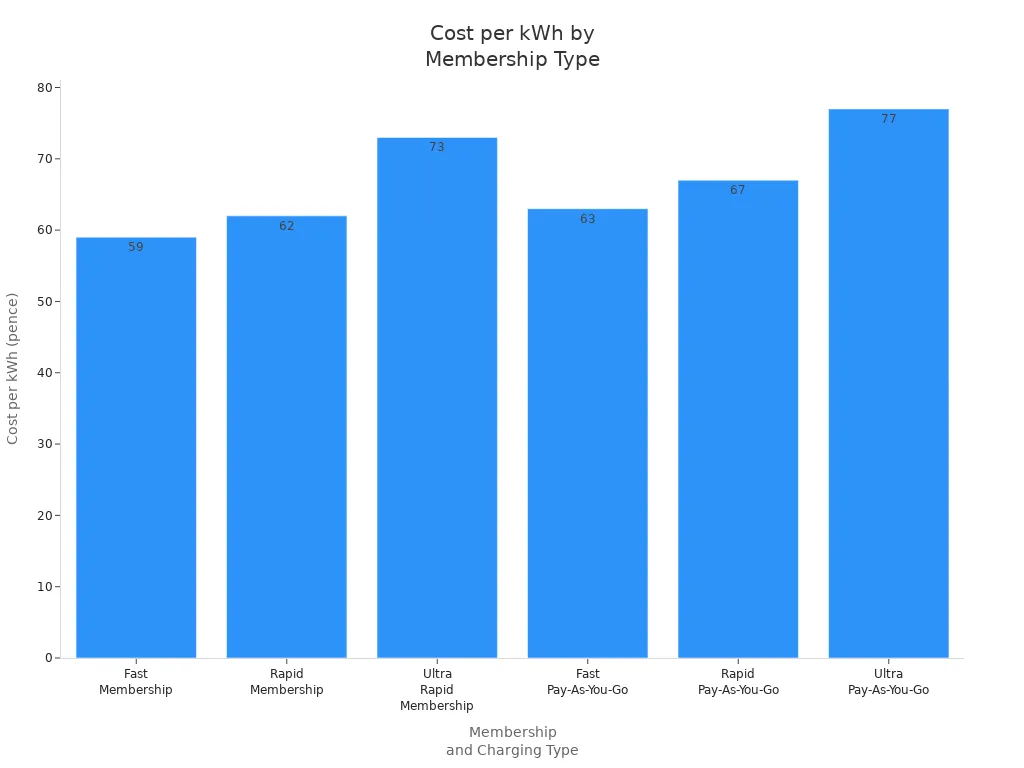
Some public charging networks offer special discounts and membership deals that lower the cost per kWh. For example, networks like ubitricity, Pod Point, bp Pulse, and Osprey provide various pricing models and membership options. Monthly memberships can reduce the cost per kWh, making public charging more competitive for frequent users.
| Membership Type | Cost per kWh | Monthly Fee |
|---|---|---|
| Fast | 59p | £4.99 |
| Rapid | 62p | £4.99 |
| Ultra Rapid | 73p | £4.99 |
| Pay-As-You-Go (Fast) | 63p | N/A |
| Pay-As-You-Go (Rapid) | 67p | N/A |
| Pay-As-You-Go (Ultra) | 77p | N/A |
Drivers who use public charging stations regularly can benefit from these deals, but the total cost of ownership often remains lower for those who primarily charge at home. TPSON recommends evaluating all available options to maximize cost savings and ensure the most efficient charging strategy.
Other Factors That Affect Charging Cost
Convenience and Accessibility of Charging Options
Charging at Home Overnight
Charging an electric vehicle at home overnight offers unmatched convenience for many drivers. They can plug in their vehicle after returning from work and wake up to a fully charged battery. This approach eliminates the need to visit commercial charging stations or wait in line at public EV charging points. Home charging also allows drivers to take advantage of lower electricity rates during off-peak hours, which can further reduce costs.
Availability and Location of Public Chargers
The accessibility of public EV charging varies by region. Urban areas often feature a dense network of commercial charging stations, while suburban and rural locations may have fewer options. Mobile apps help drivers locate available chargers, but payment methods and pricing can differ between providers. On-street chargers provide a solution for those without private driveways, yet competition for these spots can be intense. The table below summarizes the advantages and disadvantages of each charging option:
| Charging Option | Advantages | Disadvantages |
|---|---|---|
| Home Charging | – Convenient: Charge overnight without reliance on public chargers. – Lower costs: Home electricity rates are often cheaper than public charging fees. | – Installation costs: Requires upfront investment. – Not possible for everyone: Those without a driveway or garage may struggle to install a home charger. |
| Public Charging | – Coverage: Provides options in urban and rural areas. – App integration: Mobile apps help locate and access chargers. | – Different payment methods: Some require membership, others allow pay-as-you-go. – Cost variations: Prices differ depending on the provider. |
| On-Street Chargers | – Accessibility: Useful for those without driveways or garages. – Convenient locations: Often found near residential areas. | – Slow charging speeds: Most are slow or fast chargers, not rapid ones. – Competition for spots: Limited availability can make finding a charger difficult. |
Charging Speed and Its Impact on Cost
Fast Charging Premiums at Public Stations
Charging speed directly affects the total cost at commercial charging stations. Rapid chargers deliver a quick boost to an electric vehicle’s battery, but they come with higher fees compared to standard home charging. Public EV charging at these high-speed stations can result in per-mile costs similar to those of gasoline vehicles. Many drivers choose rapid charging for convenience, but they pay a premium for the speed. High operational costs for charging companies also limit their ability to lower prices, making public charging less accessible for some users.
- Public chargers, especially rapid ones, often cost significantly more than home charging.
- Rapid charging offers speed but increases per-mile expenses.
- The cost of charging varies greatly depending on the type of charger used.
Time vs. Money: What’s Worth More?
Drivers must weigh the value of their time against the extra expense of fast charging. Those who need a quick turnaround may accept higher costs at commercial charging stations for the benefit of saving time. Others may prefer to plan their charging around slower, less expensive options. The decision often depends on daily routines, travel needs, and access to home charging.
Tip: Drivers who can charge at home overnight usually enjoy lower costs and greater flexibility, while those relying on public EV charging may face higher expenses and less predictable availability.
Vehicle Efficiency and Battery Size
How Your EV Model Affects Charging Cost
The efficiency of an electric vehicle plays a major role in determining charging expenses. Vehicles that use less energy per mile help drivers save money, both at home and at commercial charging stations. Larger, less efficient models require more frequent charging and consume more electricity, which increases overall costs.
Range, Battery Size, and Charging Frequency
Battery size also impacts the cost of charging. Larger batteries store more energy, but they take longer to charge and require more electricity, especially at public EV charging locations. Efficient vehicles with smaller batteries can travel farther on less energy, reducing the frequency and cost of charging sessions. Charging at home remains the most economical choice for most drivers, while public charging can quickly add up for those with high-capacity batteries or less efficient vehicles.
Note: Drivers should consider their vehicle’s efficiency and battery size when choosing between home and public charging options to optimize both cost and convenience.
Tips to Save on Charging Cost
Maximizing Savings When You Charge at Home
Charging During Off-Peak Hours
Electric vehicle owners can reduce their charging expenses by scheduling charging sessions during off-peak hours. Many utility companies offer time-of-use plans that feature lower electricity rates at night or during periods of low demand. Off-peak charging rates can be 50% or more lower than peak-hour rates. This strategy often leads to annual savings of hundreds of pounds and lowers the cost per mile for EV drivers.
Modern home EV charging solutions often include smart features. These features allow users to schedule charging times, monitor energy consumption, and receive notifications about charging status. By taking advantage of these tools, drivers can avoid overcharging and ensure efficient energy use.
Tip: Setting your level 2 home charger to operate during off-peak hours maximizes savings and supports grid stability.
Using Solar or Renewable Energy for Home EV Charging
Charging an electric vehicle with solar energy provides significant financial and environmental benefits. A solar EV home charger enables drivers to use energy generated from their own solar power system. This approach reduces reliance on the grid and can eliminate the need to pay for grid electricity. Installing solar panels can reduce energy bills by up to £420 annually, and charging an EV with solar energy can save around £600 per year for those who drive 10,000 miles.
Additional benefits include:
- Solar panels help eliminate or reduce EV charging costs, making every mile driven cheaper.
- Homeowners can sell excess solar energy back to the grid through programs like the Smart Export Guarantee, further offsetting costs.
- Properties with solar panels and EV charging capabilities often become more attractive to buyers, potentially increasing property value.
- Generating your own electricity shields you from future energy price hikes.
A level 2 home charger paired with solar panels creates a sustainable and cost-effective charging solution. This combination supports a greener lifestyle and long-term savings.
Saving Money at Public Charging Stations
Choosing the Right Charging Network
Selecting the right public charging network can make a noticeable difference in overall charging costs. Some networks offer monthly subscriptions that lower per-kWh rates, which can lead to significant savings for frequent users. Drivers should compare available charging options in their area and consider networks that provide competitive rates and reliable service.
Using Memberships, Apps, and Loyalty Programs
Many public charging networks offer memberships, apps, and loyalty programs designed to help drivers save money. Joining loyalty programs can provide free charging opportunities, directly reducing costs. Charging apps help users locate the most economical charging stations, allowing them to plan routes and avoid premium prices. Frequent users benefit from monthly subscriptions that offer discounted rates, making public charging more affordable.
Note: Regularly reviewing available charging options and taking advantage of loyalty programs ensures drivers get the best value from public charging networks.
Most EV owners find home charging to be the most cost-effective solution. Home charging offers lower running costs, averaging $0.11 per kWh, and can reduce annual expenses by up to 70%. Public charging remains essential for travel or when home access is unavailable, though costs are higher. Key factors include installation expenses, electricity tariffs, and charging frequency.
| Charging Type | Cost per kWh | Additional Benefits |
|---|---|---|
| Home | $0.11 | Convenience, long-term savings |
| Public | $0.17 | Faster charging, wider availability |
Drivers should calculate their own costs, considering convenience, speed, and driving habits.
FAQ
How much does it cost to install a home EV charger?
Most homeowners pay between $800 and $2,000 for equipment and installation. The final price depends on the charger model, electrical upgrades, and local labor rates.
Can charging at home damage the car battery?
Charging at home with a certified charger does not harm the battery. Modern EVs use battery management systems that protect against overcharging and overheating.
Are public charging stations always more expensive than home charging?
Public charging stations usually cost more per kWh than home charging. Some free or discounted public chargers exist, but most drivers save money by charging at home.
Do all EVs use the same charging connector?
Most EVs use standard connectors like Type 2 or CCS. Some models, such as Tesla, use proprietary connectors. Drivers should check compatibility before using a public charger.
How long does it take to charge an EV at home?
A Level 2 home charger typically adds 20–30 miles of range per hour. Most EVs reach a full charge overnight, depending on battery size and starting charge level.
Can solar panels power an EV charger at home?
Solar panels can supply electricity for home EV charging. Many homeowners install solar systems to reduce charging costs and lower their carbon footprint.
What happens if a driver leaves an EV at a public charger after charging finishes?
Many public charging stations apply idle fees if a vehicle remains plugged in after charging completes. These fees encourage drivers to move their cars promptly.