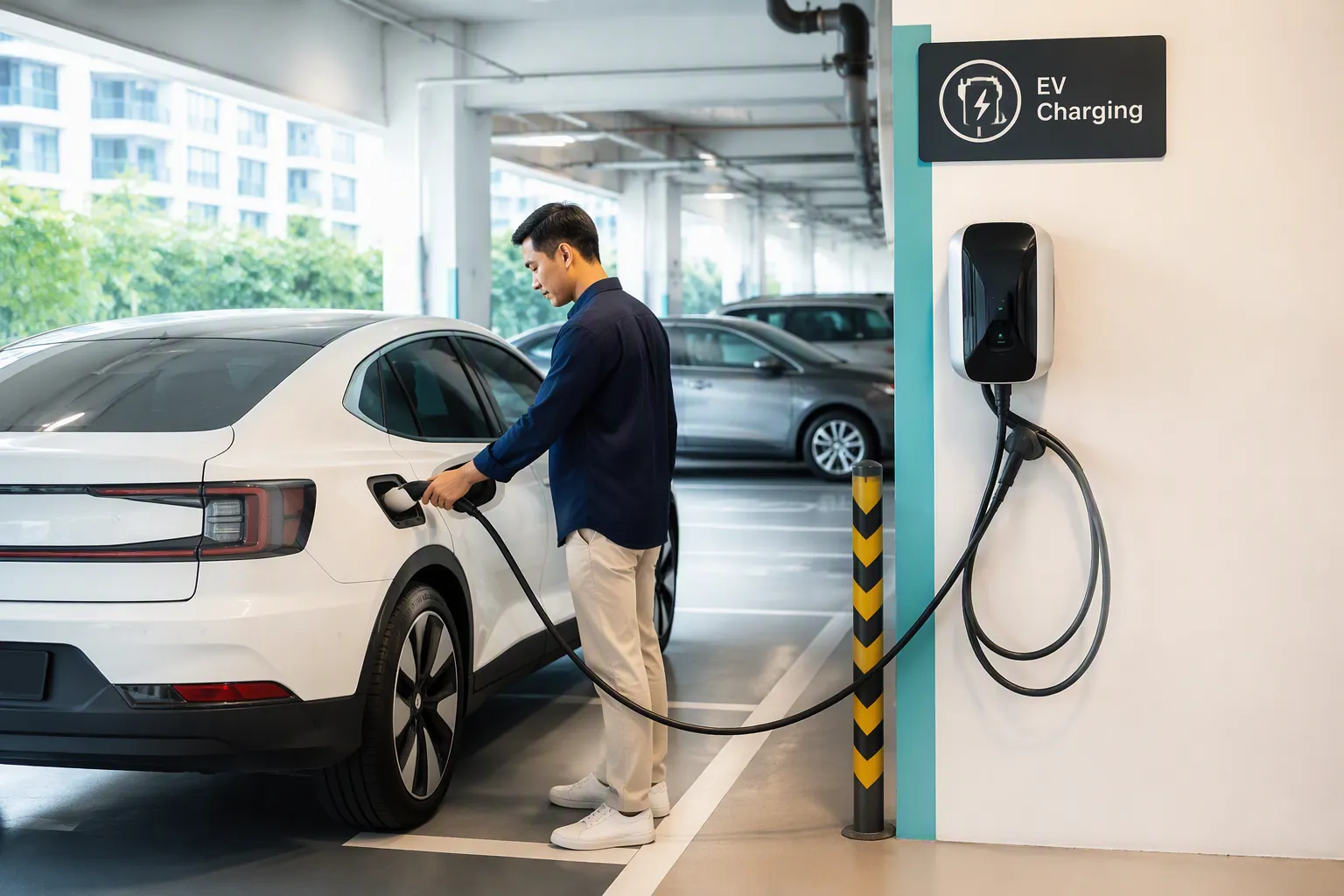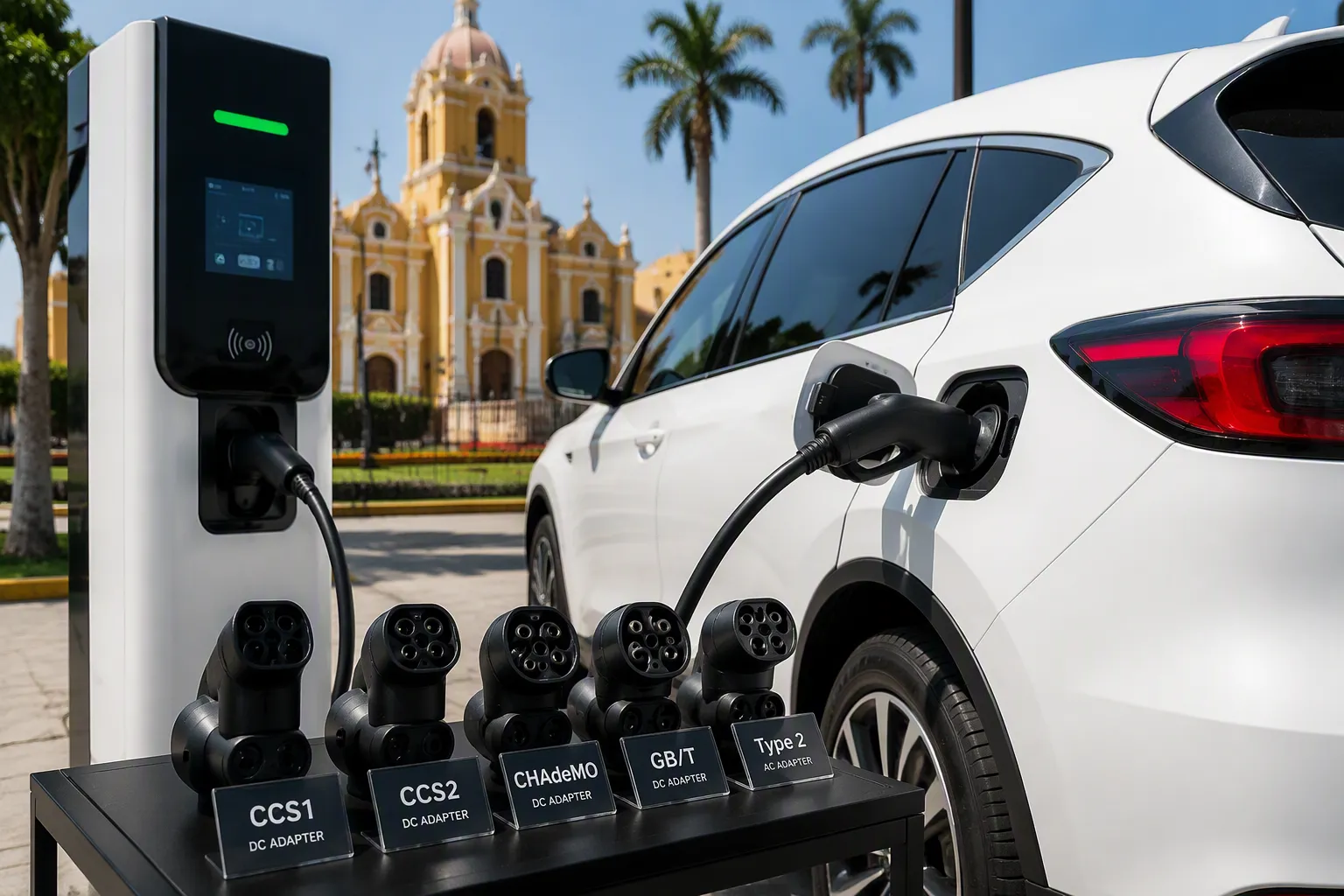

The surge in electric vehicle (EV) ownership presents a significant challenge for every condo association. The growing number of EV drivers requires a formal plan beyond temporary measures.
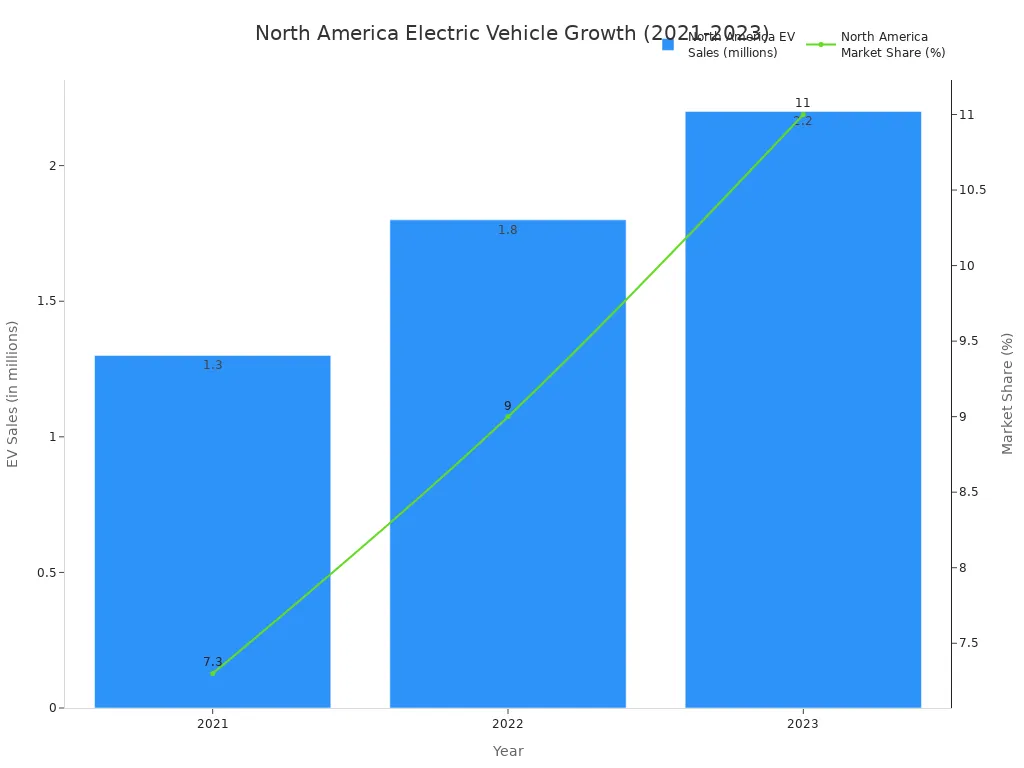
A building-wide strategy for EV charging infrastructure is the only way to ensure fair and future-proof charging. This approach avoids the chaos of a rogue EV Charger installation and protects the building’s electrical infrastructure. It prevents unfair cost burdens from unmanaged EV charging. Reliance on portable EV chargers is not a long-term plan. Technologically advanced EV charging solutions from EV charger manufacturers like TPSON are essential for every EV owner.
Step 1: Assess Your Condo Building’s EV Readiness
Before installing a single charger, a strata or condo board must understand its building’s capabilities and resident needs. This initial assessment forms the foundation for a successful, scalable EV charging infrastructure plan. A thorough evaluation prevents costly mistakes and ensures the chosen solution serves the community for years to come.
Conduct a Professional Electrical Site Assessment
Why a Site Assessment is Non-Negotiable
A professional site assessment is the mandatory first step. It provides a detailed analysis of your building’s electrical system. This report is not a suggestion; it is a critical safety and planning document. It identifies the total electrical capacity available for EV charging and highlights any necessary upgrades to support the new load. Skipping this step can lead to overloaded circuits, safety hazards, and expensive future retrofits.
Evaluating Your Building’s Electrical Capacity
A qualified electrician evaluates several key components of your multi-residential facility. This comprehensive review determines the building’s readiness for EV charging. Key areas of inspection include:
- Electrical Panel Assessment: The electrician checks the main panel’s capacity to handle the additional load from EV charging.
- Fuseboard Capacity: They assess existing consumer units for spare capacity and proper protection.
- Earthing System: The type of earthing system is identified to ensure regulatory compliance for all new charging points.
- Circuit Breaker Requirements: The assessment specifies the correct circuit breakers needed to protect the system and ensure safety.
Identifying Optimal Locations for Infrastructure
The assessment also identifies the most practical locations for installing charging equipment. The electrician considers the distance from the electrical room to parking stalls. They look for pathways to run conduits efficiently. This planning minimizes installation complexity and cost for the apartment building.
What to Look for in an Electrical Contractor
Select an electrical contractor with proven experience in multi-unit EV projects. They should understand local codes and the specific challenges of apartment buildings. A good contractor will provide a detailed report and a clear roadmap for your strata.
Understand EV Charging Levels for a Condo Environment
Level 1 Charging: The Basic Outlet Solution
Level 1 charging uses a standard wall outlet. It is the slowest method, adding only about 3-7 miles of range per hour. While it requires no special installation, it is often insufficient for the daily needs of most EV drivers and is not a viable long-term strategy for an apartment complex.
Level 2 Charging: The Sweet Spot for Residential Use
Level 2 charging is the ideal solution for residential and apartment settings. It provides a much faster charging speed, making it perfect for overnight home charging. Technologically advanced solutions from providers like TPSON offer smart level 2 charging stations designed for shared use.
| Charging Level | Power Output | Charging Speed (miles/hour) | Full Charge Time (Typical EV) |
|---|---|---|---|
| Level 1 | 1-1.8 kW | 3-7 | 22-40 hours |
| Level 2 | 3-22 kW | 10-75 | 4-8 hours |
DC Fast Charging: Is It Right for Your Property?
DC Fast Charging offers incredibly rapid charging, but it is rarely suitable for a residential building. The high power requirements and significant costs make it impractical for an apartment environment where overnight charging is the norm.
Survey Resident Demand for EV Charging
Gauging Current EV Ownership
A strata board should survey residents to determine the current number of EV owners. This data provides a baseline for immediate charging needs.
Projecting Future Adoption Rates
The survey should also ask residents about their plans to purchase an EV in the next one to five years. This helps project future demand and plan a scalable system.
Understanding Resident Charging Expectations
Finally, understand what residents expect. Do they prefer shared chargers or dedicated chargers at their personal stalls? This information helps shape the rollout strategy and ensures the final EV charging plan meets the community’s needs.
Step 2: Design Your Scalable EV Charging Infrastructure
After assessing the building, the next step is to design a smart, scalable plan. A forward-thinking design prevents future electrical chaos and ensures fair access for all residents. This approach focuses on building a strong foundation that can grow with the demand for EV charging.
The “Backbone” Approach: Your Infrastructure Foundation
What is an Electrical Backbone?
An electrical backbone is a shared, high-capacity electrical circuit. It runs from the building’s main electrical room through the parking garage. This central infrastructure acts like a highway for electricity. It provides a connection point for future EV charger installations.
Benefits of Installing Shared Infrastructure First
Installing this shared infrastructure first is a strategic move for any strata. It centralizes the most disruptive and costly part of the project. The strata manages one large-scale installation instead of many small, chaotic ones. This ensures all work meets professional standards and building codes.
How a Backbone Reduces Future Installation Costs
A backbone significantly reduces future installation costs for residents. When an EV owner is ready for a charger, the main electrical work is already complete. An electrician simply taps into the nearby backbone to connect the new charger. This process lowers the labor and material costs for each individual installation.
Power Management: The Key to Preventing Overloads
Understanding Electrical Load Management
Power management systems are essential for any multi-residential facility with multiple chargers. These systems intelligently distribute the available electrical capacity. Case studies show that effective load management can prevent the need for major electrical supply upgrades in apartment buildings, saving the association significant money. This technology maximizes the number of chargers the existing infrastructure can support.
How Load Sharing Maximizes Charger Availability
Load sharing is a basic form of power management. It links two or more chargers to a single circuit. The system splits the available power between them. If only one EV is charging, it receives the full power. If two are charging, the power is divided. This simple charging setup increases charger availability without overloading the circuit.
Dynamic Load Balancing for Ultimate Efficiency
Dynamic load balancing is the most advanced solution for residential apartment buildings. Technologically advanced providers like TPSON offer smart charging systems with this capability. It allows for the maximum number of EVs to charge simultaneously.
This system works by:
- Continuously monitoring the apartment building’s total power use in real-time.
- Calculating the available capacity that can be safely sent to the EV charging infrastructure.
- Intelligently distributing that power among all active EV chargers.
- Instantly adjusting power allocation as an EV connects or finishes charging.
This process ensures the most efficient charging for every EV without ever exceeding the building’s electrical limits.
Choose Your Phased Rollout Strategy
Phase 1: Shared Chargers for Common Areas
A strata can begin its charging station deployment with a few shared chargers in common or visitor parking areas. This initial phase serves the first wave of EV drivers. It also allows the board to gather data on usage patterns before expanding the system.
Phase 2: Dedicated Chargers for Assigned Spots
As demand grows, the plan can move to Phase 2. Residents can pay to have dedicated chargers installed at their personal parking stalls. Thanks to the backbone, this installation is quick and affordable. This phase offers the convenience of personal home charging.
EV-Ready Stalls: Pre-Wiring for Future Use
The ultimate goal is to make every stall “EV-Ready.” This involves running the conduit and wiring from the backbone to each parking spot during the initial infrastructure project. While it adds to the upfront costs, it makes the final charging installation options incredibly simple and cheap for future EV owners.
Step 3: Understanding the Financial and Ownership Models
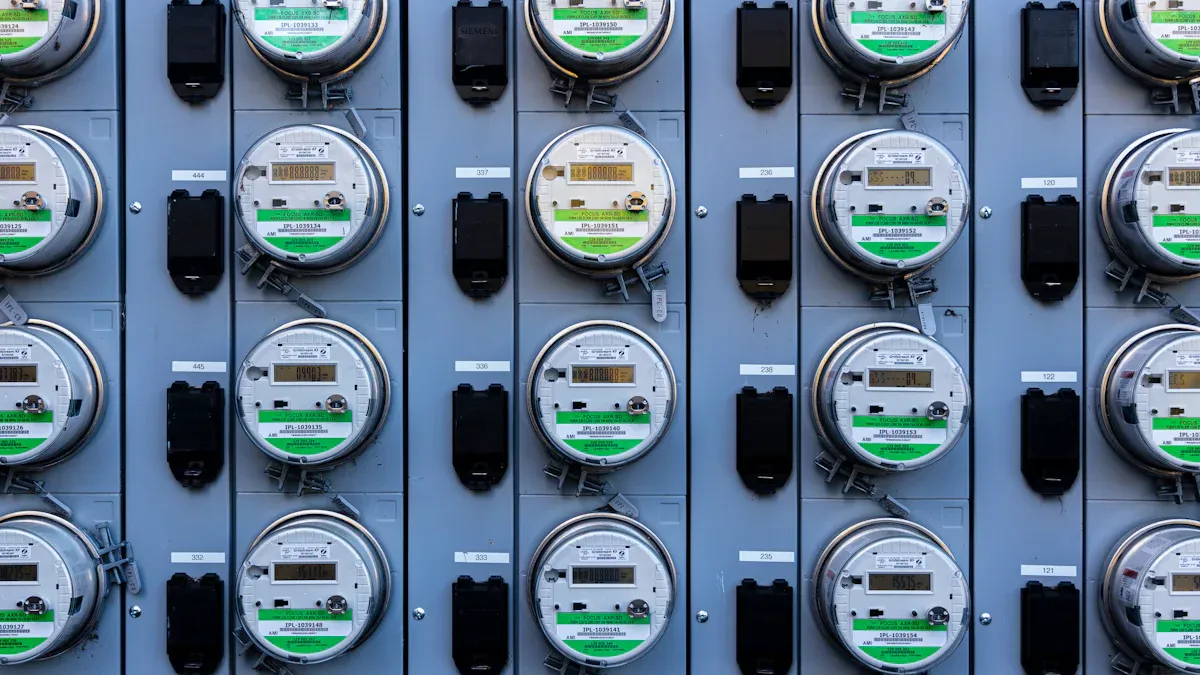
A clear financial plan is crucial for a successful EV charging project. It ensures fairness, transparency, and long-term viability. The strata must establish a model that separates common infrastructure costs from individual user expenses. This approach helps manage expectations and secures resident buy-in for the apartment.
Structuring the Costs Fairly and Transparently
What the Association Pays For: The Backbone
The condo association or strata typically funds the electrical backbone. This shared infrastructure is a capital improvement. It benefits the entire community and can increase property value. Funding often comes from the reserve fund or a special assessment. This investment prepares the entire apartment for the future of transportation.
What Residents Pay For: The Charger and Connection
Individual EV owners are usually responsible for their own expenses. These costs include purchasing the charging station and paying for the labor to connect it to the building’s backbone. This user-pays model ensures that only those who use the service pay for the final connection, creating an equitable system for all residents in the apartment buildings.
Creating a Clear Financial Policy
The board must create and adopt a formal EV charging policy. This document should clearly outline all financial responsibilities. It details what the association covers versus what the EV owner pays for. A transparent policy prevents disputes and provides a clear roadmap for any resident wanting to install a charger.
Choosing an Electricity Billing Model
The strata must decide how to bill for the electricity used for charging. The goal is to recover electricity costs accurately and fairly. This can also become a new source of revenue for the apartment.
Individual Metering for Each Charger
One option is to install a separate utility meter for each charging station. This method is highly accurate but can be expensive and complex to implement across large apartment buildings.
Using Software for Automated Reimbursement
Modern EV charging solutions use software to manage billing. Technologically advanced providers like TPSON offer smart systems that track each resident’s energy use.
Back-office platforms, such as those from Klipboard or HV Electrical Services, automate the entire financial process. They can generate invoices, process payments, and manage different revenue models like pay-as-you-go. This software eliminates administrative work and ensures the association recovers all electricity costs, and can even generate revenue. Other systems, like those from IDACS, focus specifically on monetizing chargers to create an additional revenue stream.
Flat-Rate Monthly Subscription Models
A simpler approach is a flat-rate monthly subscription. Residents who use the charging service pay a fixed fee. This model is easy to administer but may be less precise. It works best when charging habits are similar among users.
Exploring Rebates and Incentives for EV Charging
Financial incentives can significantly reduce the overall costs of an EV charging project. Associations should research all available programs.
Federal Tax Credits for EV Charging Equipment
Many governments offer tax credits for installing residential charging equipment. For example, the Alternative Fuel Refueling Property Tax Credit allows homeowners to claim 30% of the project cost, up to a $1,000 maximum. To qualify, certain conditions often apply:
- The charger must be installed at a primary residence.
- The property must be in an eligible census tract.
- The installation must occur within a specific timeframe.
State and Local Government Rebate Programs
Many state, provincial, and municipal governments offer their own rebate programs. These incentives can cover a percentage of the hardware or installation costs for residential properties.
Utility Company Incentives and Grants
Local utility providers are key partners. They often provide grants or special rates for EV charging infrastructure to encourage adoption and manage grid load. Contacting the local utility is a critical step in the planning process.
Step 4: Navigate Condo Board and Resident Approvals
With a solid design and financial model, the next hurdle is securing approvals. This process involves presenting a compelling case to the board and communicating transparently with all residents. A well-managed approval phase builds trust and momentum for the project.
Secure Condo Board and HOA Approval
Presenting the Business Case to the Board
A successful presentation to the board frames the EV charging project as a strategic investment. The board needs to see clear benefits for the entire community. The business case should highlight several key points:
- Increased Property Value: EV infrastructure is a desirable amenity that can boost property values and attract future buyers.
- Scalable Solution: The plan should address current needs while being easily expandable for future EV adoption.
- Revenue Generation: Smart charging systems offer a way to recover electricity costs and create a new revenue stream for the apartment.
- Advanced Power Management: Technology like dynamic load balancing is crucial. It allows the apartment to support more chargers on existing electrical systems, future-proofing the investment.
- Resident Convenience: The project provides the most convenient charging method for EV owners, a significant lifestyle improvement.
Understanding Bylaws and Voting Requirements
EV charging projects often require strata approval because they involve modifications to common property. The board must understand the specific voting requirements outlined in its bylaws. These rules vary significantly by jurisdiction. For example, some regions may require a simple 50% majority vote, while others demand a special resolution where no more than 25% of votes oppose the plan. Understanding these legal frameworks early prevents procedural delays.
Addressing Common Board Concerns
Boards often have concerns about system overloads and unmanaged installations. A primary worry is that individual, uncoordinated charger installations will strain the building’s electrical capacity, leading to potential blackouts. The best way to address this is by presenting the professional feasibility assessment. This report proves that a building-wide, managed plan with smart charging technology prevents overloads and ensures fair access for everyone in the apartment buildings.
Communicate the Plan to All Residents
Hosting Informational Town Hall Meetings
Open communication is essential for resident buy-in. The strata should host town hall meetings to present the plan to all homeowners. These forums allow residents to ask questions directly and feel involved in the decision-making process. Early and consistent communication builds a foundation of trust.
Creating an FAQ Document for Homeowners
A comprehensive Frequently Asked Questions (FAQ) document is an invaluable tool. It proactively answers common resident questions and concerns.
Key Topics for an FAQ Document:
- Cost Allocation: Clearly explain how project costs are divided between the association and individual EV owners.
- Future-Proofing: Detail how the system will adapt to growing demand and new technology.
- Maintenance Plan: Outline the strategy for ongoing support and operations for the apartment buildings.
- Installation Logistics: Describe the process for residents to get a charger installed at their spot.
Ensuring Transparency on Costs and Timelines
Transparency is the most critical element of resident communication. The board must provide clear, detailed information about the project’s total cost, the proposed timeline, and any potential disruptions. When residents understand the full scope and financial plan, they are more likely to support the initiative. This clarity ensures the entire apartment community moves forward together.
Step 5: Select the Right EV Charging Technology and Partners
Choosing the right technology is a critical decision that impacts the long-term success of a condo’s EV charging program. The board must select hardware and software that are reliable, scalable, and user-friendly. This step ensures the investment is both functional today and adaptable for tomorrow.
Hardware: Why Smart EV Charging Stations are Essential
Networked vs. Non-Networked Chargers
A non-networked charger is a simple device. It provides power but offers no connectivity or advanced features. A networked, or “smart,” charger connects to the internet. This connection unlocks essential management capabilities for a multi-user environment. For a scalable condo project, smart chargers are the only practical choice.
Key Features of a Smart Charger
Smart chargers provide the control and data necessary to manage a shared system. Technologically advanced providers like TPSON offer EV charging solutions with these critical functions. Key features include:
- Remote Monitoring and Management: Allows administrators to oversee station status and usage from anywhere.
- Billing and Payment Processing: Enables automated cost recovery through pay-per-use or subscription models.
- Access Control: Restricts charger use to authorized residents, preventing unauthorized access.
- Remote Diagnostics: Helps identify and resolve technical issues quickly, minimizing downtime.
Durability, Safety, and Warranty Considerations
EV chargers in a condo garage must withstand daily use and varying conditions. Boards should prioritize hardware known for its robust construction. For example, some manufacturers like Zaptec build their chargers for harsh weather and back them with a five-year guarantee. A strong warranty is a key indicator of a manufacturer’s confidence in its product’s longevity and protects the association’s investment.
Software: The Brains of Your EV Charging Solutions
Software platforms are the central nervous system of a modern charging network. They automate complex tasks, making the system easy to manage for the board and simple to use for every EV driver.
Essential Features: Billing and Reimbursement
Effective software automates the entire financial process. Platforms like Tridens Technology or Driivz handle complex billing logic. They track energy consumption for each user and process payments, ensuring the association accurately recovers all electricity costs without manual administrative work.
Access Control and User Management
Management software gives the board complete control over who can use the chargers. Administrators can easily add or remove residents, assign them to specific chargers, and set usage rules. This feature is essential for maintaining order and security in a shared parking environment.
Usage Reporting and System Analytics
Data is crucial for optimizing the charging service. Software provides detailed analytics on usage patterns, peak demand times, and energy consumption. This information helps the board make informed decisions about future expansion, pricing adjustments, and power management strategies for the EV infrastructure.
The Importance of Open Standards (OCPP)
What is the Open Charge Point Protocol?
The Open Charge Point Protocol (OCPP) is a free, open-source communication standard for EV chargers and management software. It allows hardware and software from different vendors to “speak” the same language.
How OCPP Prevents Vendor Lock-In
OCPP ensures interoperability. A condo association can select OCPP-compliant hardware from one company and pair it with an OCPP-compliant software platform from another. This freedom prevents vendor lock-in, where a property is stuck with a single provider’s entire ecosystem.
Ensuring Future Flexibility and Competitiveness
Choosing OCPP-compliant technology future-proofs the investment. If the board becomes dissatisfied with its software provider, it can switch to a new one without replacing the expensive charging hardware. This flexibility fosters competition among vendors, leading to better service and lower costs over the long term.
Step 6: Implement and Future-Proof Your EV Investment
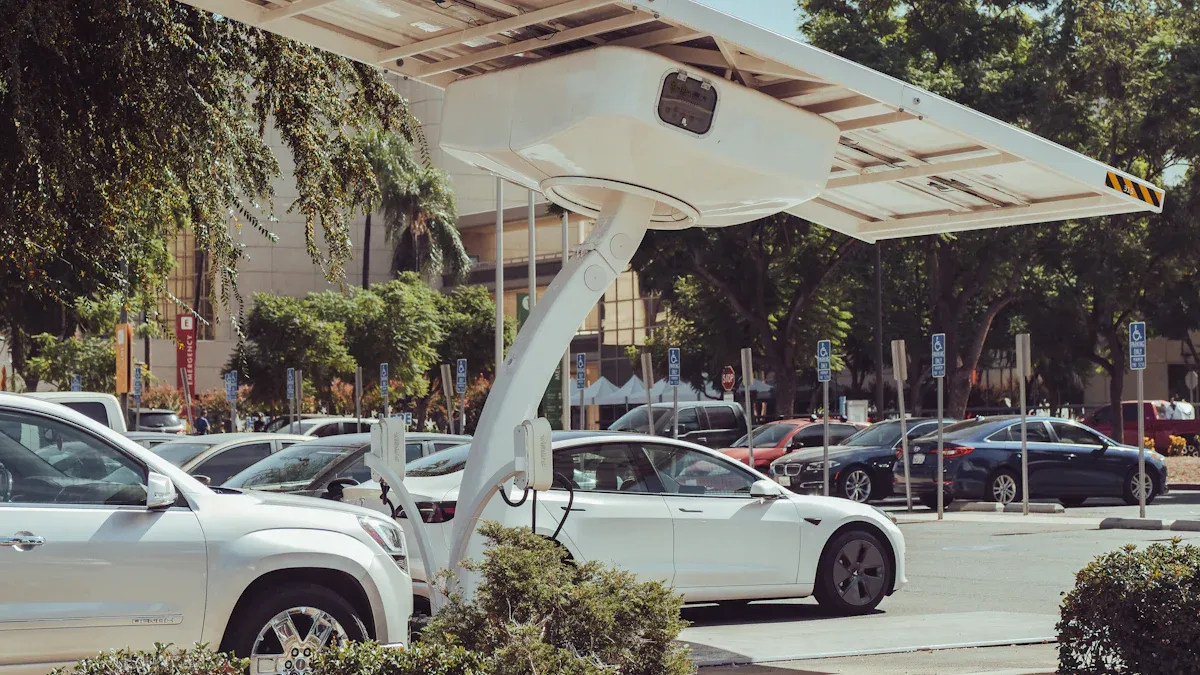
A successful project does not end with installation. The final step involves managing the system and planning for the future. This ensures the investment remains valuable, safe, and ready for technological advancements. Proper implementation and future-proofing protect the community from risks and prepare it for 100% EV adoption.
The Dangers of Unmanaged “Rogue” Installations
A building-wide strategy is the only way to prevent the chaos of unmanaged charger installations. Without a formal plan, condo associations face significant risks.
Electrical Safety Hazards and Fire Risks
An unauthorized installation poses a serious threat. These chargers often connect to circuits not designed for sustained, high-power loads. This can lead to overloaded wiring, tripped breakers, and an increased risk of electrical fires. Professional oversight is essential for safety.
Unfair Cost Burdens on the Association
Rogue chargers are frequently connected to common area electrical panels. This means the entire association pays for an individual resident’s EV charging through shared utility bills. This creates an unfair financial burden on non-EV owners and complicates budgeting. A managed system ensures accurate cost allocation.
How a Formal Policy Prevents Chaos
A formal EV charging policy is the solution. It establishes clear rules for every installation, from approved hardware to certified electricians. This policy eliminates safety hazards and ensures fair billing. It provides a predictable, orderly process for every resident wanting to add a charger.
Planning for Growth Beyond 50 Chargers
The initial ev charging infrastructure should be a foundation for future growth. A forward-thinking plan accommodates rising demand without requiring expensive retrofits.
How Today’s Backbone Supports Tomorrow’s Demand
The electrical backbone installed today is the key to scalable growth. This shared infrastructure makes adding new chargers simple and affordable. As more residents buy an EV, electricians can easily tap into the backbone to complete each new installation.
Sizing Your Infrastructure for 100% EV Adoption
Boards should plan for a future where every parking spot needs a charger. The initial electrical assessment must evaluate the capacity required for full adoption. Sizing the infrastructure for this long-term goal minimizes future disruption and costs.
Integrating with Building Energy Management Systems
Advanced EV charging systems can integrate with a building’s main energy management system. Technologically advanced providers like TPSON offer solutions that allow this. This integration enables the building to manage all its electrical loads holistically for ultimate efficiency.
Adapting to New Regulations and Technology
The EV landscape is constantly evolving. A flexible system can adapt to new rules and innovations.
Staying Current with Electrical Codes
Electrical and safety codes for charging equipment change over time. Using qualified professionals ensures all work remains compliant with the latest standards, protecting the association from liability.
The Rise of Vehicle-to-Grid (V2G) Technology
Future technology like Vehicle-to-Grid (V2G) will allow an EV to send power back to the building during peak hours. This can help lower the community’s overall energy costs. A modern infrastructure is better prepared to adopt such innovations.
Preparing for Future Charger Power Levels
Charger technology will continue to improve, offering faster charging speeds. A robust electrical system designed today can support the higher power requirements of tomorrow’s more powerful chargers.
A scalable ev charging infrastructure is no longer a luxury amenity. It is a necessary upgrade for the modern condo. Following a strategic plan—Assess, Design, Fund, Approve, and Implement—allows a community to meet the growing demand for ev charging. A phased, backbone-first approach ensures fairness and future-proofs the property for every EV. This method manages costs for all charging needs. Boards should start the conversation today to build a competitive and sustainable community for the future.
FAQ
Why can’t residents install their own chargers?
Individual installations create significant safety risks and electrical system instability. A formal, building-wide plan prevents overloaded circuits and ensures all work meets safety codes. It also stops unfair billing where the association pays for an individual’s electricity use.
Who pays for the electricity used for charging?
Smart charging systems track each user’s consumption. The software automatically bills residents for the electricity they use. This ensures the condo association recovers all costs accurately and fairly, eliminating any financial burden on non-EV owners.
What is an electrical backbone?
An electrical backbone is a shared, high-capacity power line installed throughout the parking garage. It acts as a central connection point. This infrastructure makes it much cheaper and faster for residents to install individual chargers in the future.
How does the system handle many cars charging at once?
Advanced power management software, a key feature of technologically advanced providers like TPSON, intelligently distributes available power. The system balances the electrical load in real-time, allowing the maximum number of vehicles to charge simultaneously without overloading the building’s capacity.
Is this project a good investment for the building?
Yes, it is a valuable capital improvement. EV charging infrastructure is a highly sought-after amenity that increases property values and attracts modern buyers. It future-proofs the building and keeps the community competitive in the real estate market.
What happens if we want to change software providers later?
Boards should choose systems built on open standards like OCPP. This protocol prevents vendor lock-in. It gives the association the freedom to switch software platforms in the future without needing to replace the expensive charging hardware.