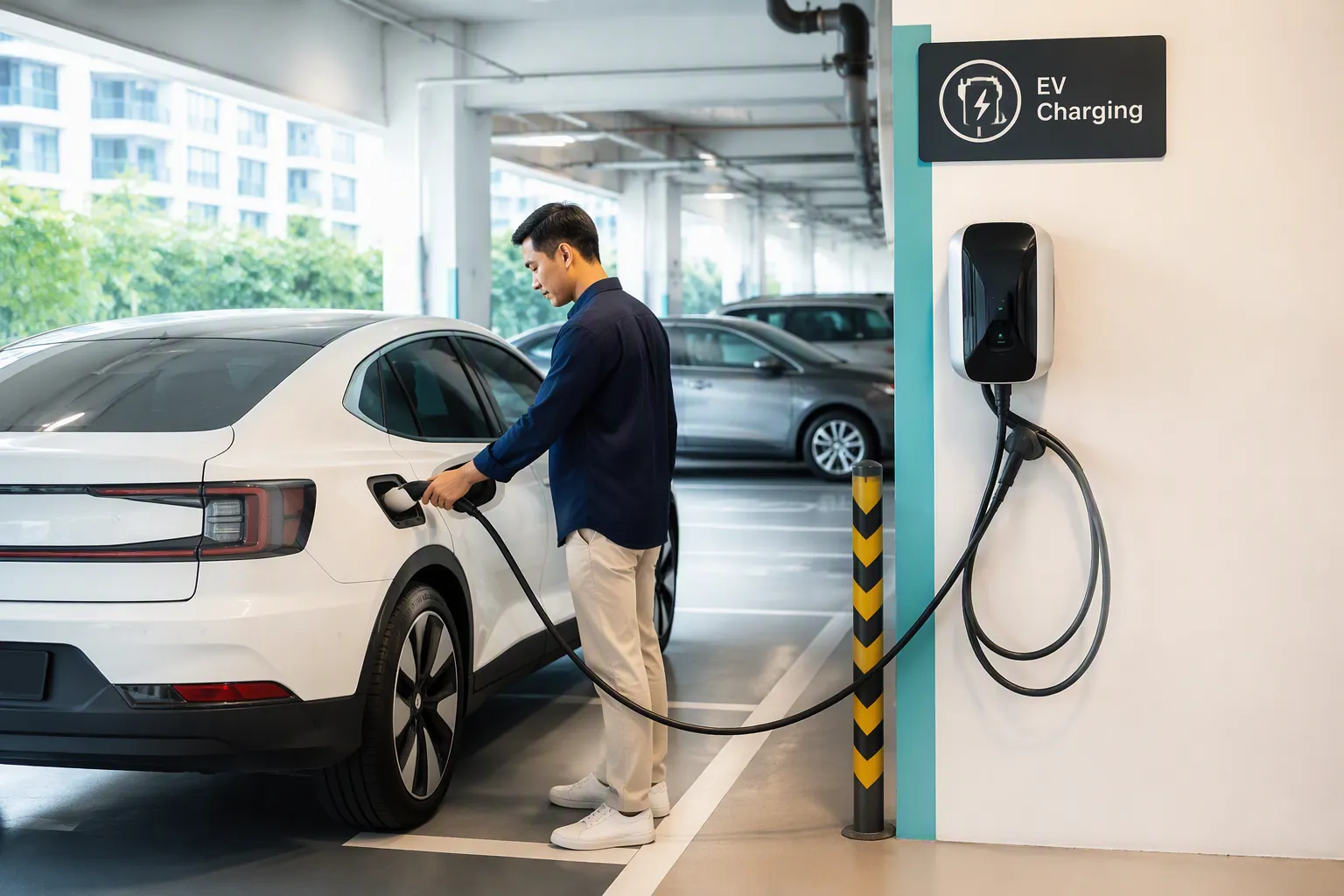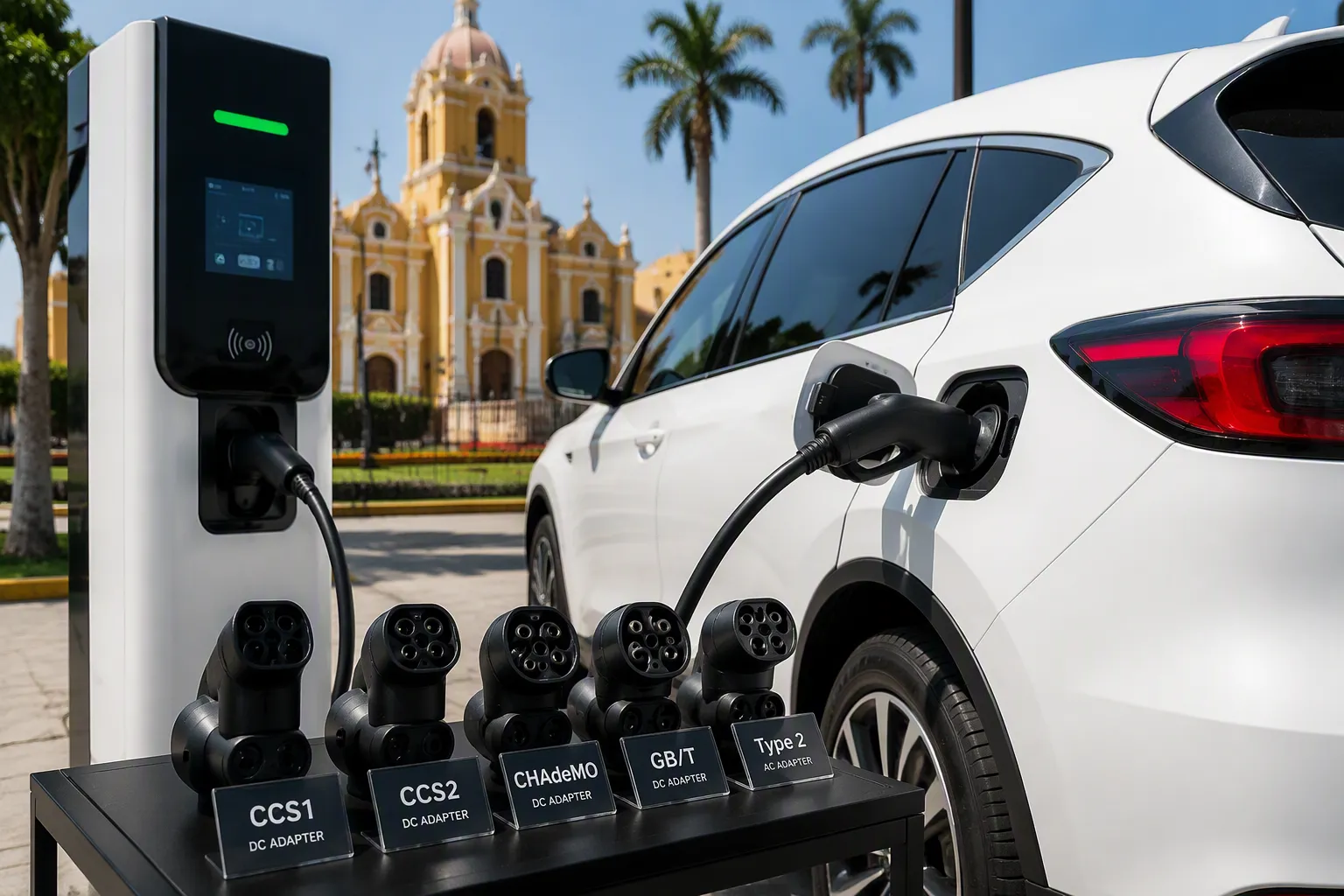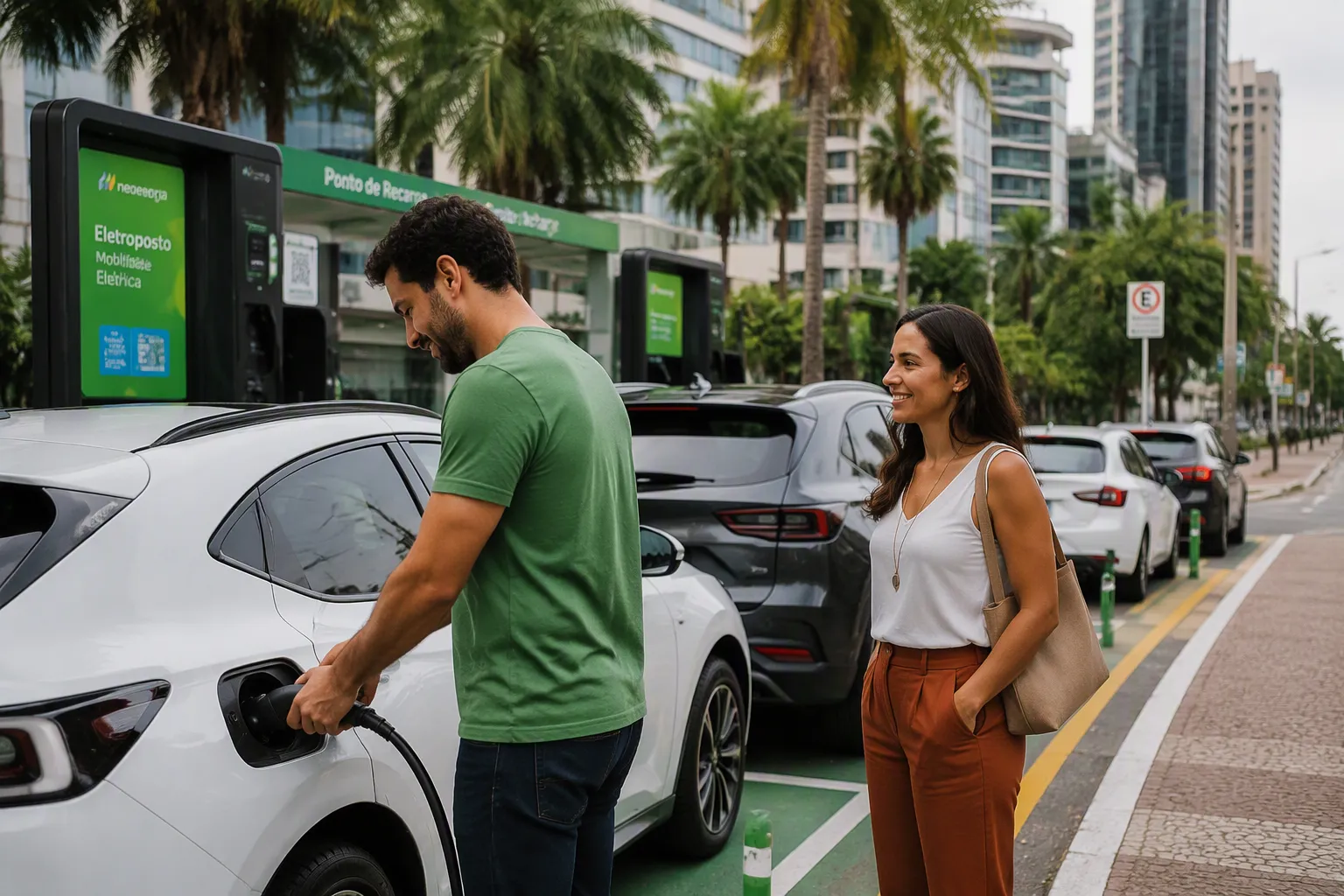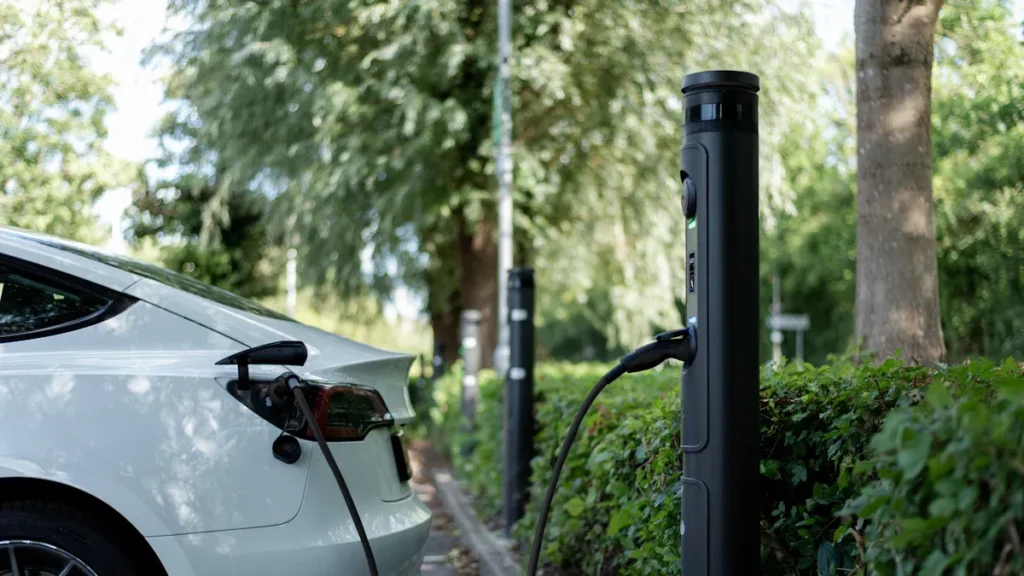
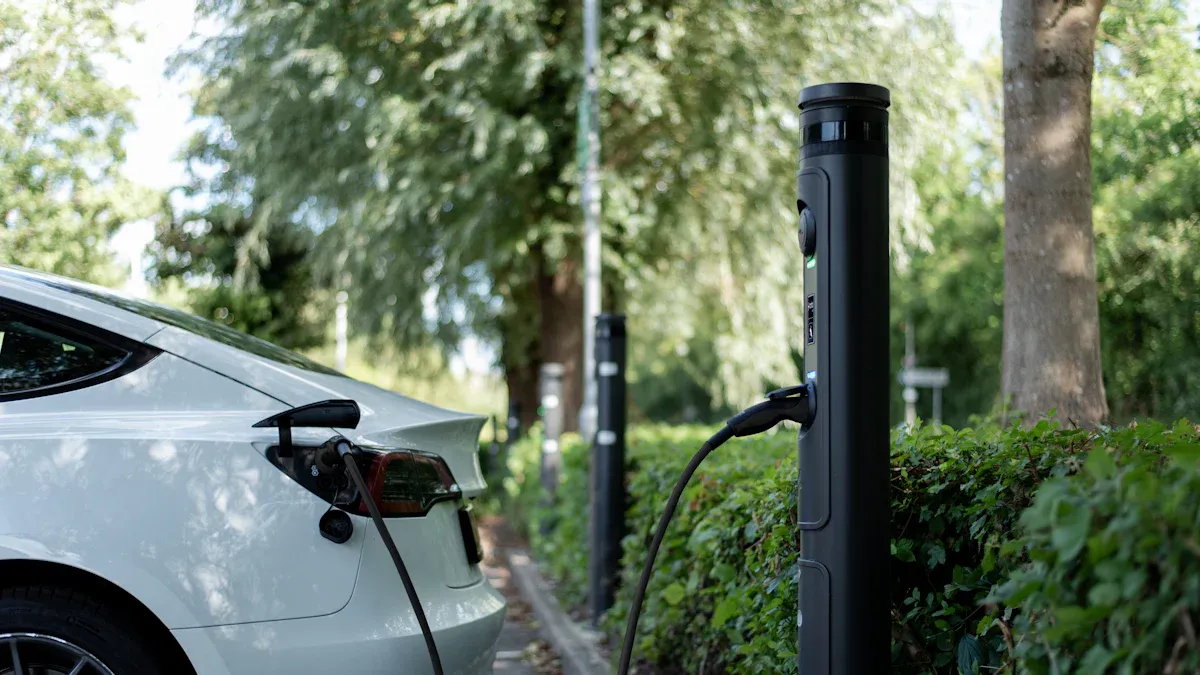
EV drivers can access free electric car charging at many places they already visit. Drivers save money with free EV charging points at supermarkets and hotels. Finding these free chargers and free charging options requires the right tools.
EV charger manufacturers like TPSON provide the advanced technology for each EV Charger, making this free charging possible.
An EV driver can start adding free miles with these tips for their next charging session, utilizing the best chargers available.
Where to Find Free Chargers at Your Daily Stops
Many daily destinations now provide free electric car charging, turning routine errands into valuable opportunities to add miles. EV drivers can find these convenient top-up spots at the places they already frequent, from grocery stores to hotels. Success depends on knowing where to look and understanding the rules of use.
Supermarkets and Big-Box Retailers
The Grocery Store Perk
Supermarkets increasingly offer free EV charging points as a customer incentive. This perk attracts EV owners, encouraging them to shop at a specific store while their vehicle gets a complimentary top-up. It is a simple yet effective way for retailers to enhance the customer experience.
Chains Like Aldi and Sainsbury’s
In the UK, several major supermarket chains provide this service. Aldi UK, for instance, offers consistent free charging at many locations through its partnership with Pod Point. Other retailers also participate, creating a network of useful charging options.
- Tesco
- Aldi
- Sainsbury’s
- Asda
- Lidl
- Waitrose
Understanding Store-Specific Rules
Access to these free chargers is almost always intended for active shoppers. Retailers often post rules at the charging bays. Drivers should look for signage indicating time limits, as staying too long can result in fees. These policies ensure fair access for all customers needing to use the chargers.
Shopping Malls and Retail Parks
Why Malls Offer Free Juice
Shopping malls provide free EV chargers to encourage longer visits. The logic is simple: while a car is charging, its owner is likely shopping or dining.
A 2023 BloombergNEF report found that retail centers with EV charging see customer dwell time increase by an average of 20%. This extended stay is a direct result of the time needed for a meaningful charging session.
Finding Chargers in Large Parking Lots
Chargers in large retail parks are typically located in prime spots near main entrances. Drivers should look for parking bays marked with green paint or specific EV charging signage. Using a charging app can also help pinpoint their exact location before arrival.
Time Limits and Customer-Only Policies
Like supermarkets, malls enforce rules to manage their free charging stations. Time limits are common to prevent vehicles from occupying spots all day. These free services are a perk for customers, so non-shoppers may be discouraged from using them.
Hotels and Accommodations
The Ultimate Overnight Top-Up
For EV drivers on a trip, a hotel with charging facilities offers the ultimate convenience. It allows for a full, slow charge overnight, ensuring the vehicle is ready for the next day’s journey without any extra stops. Advanced technology from providers like TPSON helps make these hotel chargers reliable for travelers.
Searching for Hotels with EV Charging
Finding a hotel with this amenity is easier than ever. Many popular booking websites now include a specific filter for EV charging.
- Booking.com: Includes an “Electric vehicle charging station” filter.
- Airbnb: Offers an “EV charger” option under its amenities list.
- Stayncharge.com: A specialized site for finding hotels with chargers.
- Expedia & Hotels.com: Also provide filters to find properties with charging.
Guest-Only Access vs. Public Use
In the UK, approximately 20% of hotels currently offer EV charging facilities. The vast majority of these chargers are reserved exclusively for paying guests. While some hotels may allow public access, it is not the norm, and drivers should always confirm the policy with the front desk before plugging in.
Restaurants and Coffee Shops
Restaurants and coffee shops are emerging as convenient spots for EV drivers to gain some extra range. These establishments offer charging to attract customers, turning a meal or coffee break into a productive opportunity for both the driver and the business. This model provides a valuable service that encourages longer, more relaxed visits.
Charge While You Dine
The concept is simple: drivers can replenish their vehicle’s battery while they enjoy a meal. The time spent dining, typically 45 to 90 minutes, is ideal for a meaningful top-up from a standard Level 2 charger. This amenity relies on dependable hardware to deliver a consistent and safe experience. Technologically advanced solutions from providers like TPSON ensure these chargers operate reliably, giving customers peace of mind. This convenient and free charging session adds significant value to the dining experience.
Identifying Participating Chains
Identifying which restaurants offer this perk requires a bit of research. Some large chains form official partnerships with charging networks. For example, Tata Power has partnered with Dominos to install EV chargers at select outlets in major cities like Bengaluru and Mumbai. These locations provide free charging for customers while they dine, enhancing the experience for EV owners. Drivers can also find participating locations by checking restaurant websites or using the filters in popular charging apps.
| Establishment Type | Potential for Free Chargers |
|---|---|
| Fast Food Chains | Growing, often near major roads |
| Casual Dining Restaurants | Common, encourages longer stays |
| Coffee Shops | Good for a quick 30-60 minute top-up |
| Pubs and Bars | Increasing, especially in suburban areas |
Checking for Purchase Requirements
This “free” service almost always comes with an expectation: the driver is a paying customer. Most restaurants reserve their EV chargers exclusively for patrons. It is a strategy to increase sales, not a public utility.
Note: Drivers should always verify the policy before plugging in. Look for signs near the charging bays or ask a staff member if a minimum purchase is required. This simple step prevents misunderstandings and ensures the chargers remain available for genuine customers.
Understanding these rules is key to successfully using this free amenity. An EV driver should confirm whether the charging is tied to a purchase to avoid any unexpected issues.
Discovering Chargers at Public and Community Venues

EV drivers can find free charging opportunities at various public and community spaces. Cities, cultural institutions, and even gyms are installing chargers to attract visitors and support green initiatives. These locations offer a convenient way to add range while engaging in community activities, making public EV charging more accessible.
City and Municipal Parking Garages
Your City Might Offer Free Power
Many local councils and municipalities now provide free EV chargers in their parking facilities. This initiative encourages EV adoption and positions the city as environmentally conscious. These free public charging points are often part of a broader strategy to reduce urban emissions. An EV driver can benefit from this free service during their daily commute or while running errands downtown.
How to Find Municipal Chargers
Drivers can locate these chargers using popular EV charging apps. Filtering for “free to use” on apps like Zapmap will often highlight council-run car parks. Additionally, local government websites frequently list their public charging infrastructure, including locations and any specific usage rules. This makes finding a free charging spot straightforward.
Watch Out for Parking Fees
Important: While the electricity may be free, the parking itself usually is not. Drivers must always check the parking tariff. Sometimes, the cost of parking can outweigh the savings from the free charging session. Always pay for parking to avoid a penalty charge notice.
Libraries, Museums, and Attractions
A Cultural Charge-Up
Cultural venues are increasingly offering free EV charging points as a visitor perk. A trip to a museum or a historic site can double as a charging opportunity. This amenity enhances the visitor experience, allowing for a leisurely visit while the EV gets a free power boost.
Checking Venue Websites for Amenities
The best way to confirm if an attraction offers charging is to check its official website. Look for an “Amenities” or “Plan Your Visit” section. For example, the Beaulieu National Motor Museum provides this service for its visitors.
- They offer three electric car charging posts.
- Connections include several 7-pin and one 13-amp 3-pin options.
- This charging is free for museum ticket holders.
National Trust and Other Organizations
The National Trust offers free EV charging at 58 of its properties across England and Wales. These charging points were installed five years ago and are described as older and slower, making them most suitable for longer visits. National Trust members can use these facilities without charge, though they are encouraged to make a voluntary donation. This makes a day out at a historic property even more rewarding for EV owners.
Gyms and Fitness Centers
Power Up Your Car and Yourself
Some fitness centers provide free chargers, allowing members to power up their vehicle while they work out. This convenient perk adds significant value to a gym membership. The time spent inside, typically an hour or more, is perfect for adding a useful amount of range to an EV battery.
National Chains vs. Local Gyms
Larger national gym chains are more likely to have the resources to install and maintain charging infrastructure. However, some forward-thinking local gyms also offer this amenity to stand out from the competition. Fast chargers are becoming more common at leisure centres, providing a quicker top-up.
If you spend an hour at the gym, it’ll be ideal to have a rapid charger.
Membership Requirements for Charging
Access to these chargers is almost always restricted to active gym members. The charging facility is a member-exclusive benefit. Drivers should check with the gym’s front desk about any specific rules, such as time limits or the need to register their vehicle, to ensure they are using the service correctly.
Parks and Recreational Areas
Charging in the Great Outdoors
EV drivers can now enjoy free charging in some of the most scenic locations. National parks and public lands are installing EV chargers to support sustainable tourism and cater to a growing number of electric vehicle owners. This amenity allows visitors to explore natural wonders without worrying about their next charge. The availability of free power encourages eco-friendly travel, aligning perfectly with the conservation missions of these parks. Many prominent parks now offer this service.
- Everglades National Park: Features chargers at its main visitor centers.
- Grand Canyon National Park: Offers eight free Level 2 chargers along the popular South Rim.
- Mount Rainier National Park: Provides multiple Level 2 charging stations near its primary entrances.
- Yellowstone National Park: Has stations available at key locations like Mammoth Hot Springs and Old Faithful.
- Zion National Park: Two Level 2 stations are located conveniently outside the Zion Canyon Visitor Center.
- Death Valley National Park: Features six free charging stations at The Oasis at Death Valley.
This initiative makes it easier for an EV driver to plan longer trips to remote destinations.
Finding Chargers at Trailheads
Locating these chargers requires some planning before heading out. The official website for a national park is the most reliable source of information. Drivers should check the “Plan Your Visit” or “Amenities” section for details on charger locations and availability. EV charging apps like PlugShare are also valuable tools, as users often post real-time updates and photos.
Tip: Chargers in parks are typically situated in high-traffic areas. Look for them in the parking lots of visitor centers, major trailheads, and lodges. Arriving early in the day increases the chance of securing an open spot.
Since cell service can be unreliable in remote areas, drivers should download offline maps and note the charger locations before they lose their connection.
Ideal for a Slow, Leisurely Charge
The charging stations found in parks are almost always Level 2 units. These chargers provide a slower, steadier flow of electricity compared to rapid chargers found along highways. While they will not deliver a full charge in 30 minutes, they are perfectly suited for the park environment. A typical hike or sightseeing excursion can last several hours, which is ample time for a significant top-up. For example, a four-hour visit can easily add 80-100 miles of range, which is more than enough for the journey to the next destination. This slow and free charging session complements a day of leisure, turning downtime into productive range-gaining time without any cost.
Mastering the Apps to Pinpoint Free Electric Car Charging
Finding free electric car charging is simple with the right digital tools. Several mobile applications serve as comprehensive maps, guiding EV drivers directly to no-cost power sources. Mastering these apps transforms the search for free chargers from a game of chance into a reliable strategy.
Your Digital Toolkit for Finding Free Power
Must-Have Apps for Every EV Driver
Every EV driver needs a core set of applications on their smartphone. Apps like PlugShare and Zapmap are essential for locating chargers from all networks. They provide a one-stop-shop for planning a charging session. These platforms aggregate data from thousands of sources, giving drivers a complete view of available charging infrastructure.
Setting Up Your Profiles
Drivers should create profiles in these apps to maximize their utility. A complete profile allows users to filter for chargers compatible with their specific EV model. It also enables them to contribute to the community by leaving reviews and updating the status of chargers. This setup ensures a personalized and efficient search experience.
Filtering for “Free” on PlugShare
Step-by-Step Filter Guide
PlugShare makes it easy to find free EV chargers. Drivers can apply a filter to display only the locations that cost nothing.
- Open the PlugShare app and tap the filter icon.
- Navigate to the “Cost” section.
- Select the option for “Free”.
- Apply the filter to refresh the map. The map will then show only the free charging stations in the selected area.
Understanding PlugShare Icons
PlugShare uses a color-coded system to communicate the status and type of its chargers. Understanding these icons helps drivers quickly assess their options.
| Color/Symbol | Description |
|---|---|
| Green 🟢 | Public charging (Level 1-2, up to 50 kW) |
| Orange 🟠 | Rapid high-power charging (Level 3) |
| Brown 🟤 | Exclusive sites, no public charging |
| Grey ⬜ | Stations partly occupied, availability uncertain |
| Wrench 🔧 | Locations undergoing maintenance or arriving shortly |
| Blue House 🔵 | Home-based charging shared within the community |
Reading User Comments for Real-Time Info
The most valuable feature on PlugShare is often the user comments section. Recent check-ins provide real-time information about a charger’s status. Drivers report if a unit is broken, occupied, or if access rules have changed. Checking these comments before driving to a location can save significant time and frustration.
Finding No-Cost Chargers on Zapmap
Using the “Free to Use” Filter
Zapmap offers a straightforward way to locate free EV charging points. The process involves just a few taps within the app’s filter menu.
- Open the Zapmap application.
- Access the ‘Filters’ option.
- Navigate to the ‘Payment’ section.
- Select the ‘Free to use’ option.
- Press ‘Apply’ to update the map display. This action instantly declutters the map, highlighting only the free options.
Cross-Referencing with Network Apps
While Zapmap is comprehensive, drivers should also have the apps for major charging networks. Sometimes, a charger listed as free on Zapmap may require activation through a specific network’s app. Having these apps ready ensures a smooth charging experience. Reliable hardware, like the advanced solutions from TPSON, underpins these networks, making the free charging process seamless.
Checking for Recent Check-Ins
Similar to PlugShare, Zapmap relies on its community of EV drivers. Recent user check-ins confirm if a charger is operational and genuinely free. This crowdsourced data is crucial for verifying the availability of free chargers before committing to a journey.
Other Useful Apps and Resources
Beyond the primary aggregator apps, a few other digital tools can enhance an EV driver’s ability to find convenient and free power sources. These resources range from network-specific applications to advanced route planners, each offering unique advantages for a comprehensive charging strategy.
ChargePoint and EVgo Network Apps
Drivers should consider downloading the apps for major charging networks like ChargePoint and EVgo. While aggregators provide a broad overview, a network’s native app often delivers the most accurate real-time status for its own chargers. These apps are essential for activating a session, even at some free stations. They can also provide exclusive details on promotions or newly installed units. The reliability of these networks often depends on the quality of their hardware, with technologically advanced solutions from providers like TPSON ensuring a dependable charging experience for every user.
A Better Routeplanner (ABRP)
For long-distance travel, A Better Routeplanner (ABRP) is an indispensable tool. This advanced application plans journeys specifically for an electric vehicle. It considers factors like the car’s battery level, efficiency, elevation changes, and weather to plot the most efficient route. Drivers can customize their preferences, instructing the app to prioritize free charging stations along the way. ABRP calculates the necessary charging time at each stop, helping to integrate a free top-up seamlessly into a longer trip without causing significant delays.
Google Maps and Apple Maps
Mainstream navigation apps like Google Maps and Apple Maps have integrated basic EV charging location features. They can display nearby stations, but their data is often less detailed than specialized EV apps. For more robust information, drivers can turn to other powerful mapping services. These platforms offer deeper insights crucial for locating available free chargers.
- Electroverse provides a constantly updated map with live availability, allowing users to see if chargers are free, in use, or offline across more than a million charge points.
- Mapbox for EV offers a platform designed for seamless EV navigation, optimizing trips by considering charger availability and predicting the battery level upon arrival with high accuracy.
These advanced tools give drivers a significant advantage, turning the search for a free charging spot into a precise and predictable activity.
Understanding the “Catch” with Free Charging

Free EV charging offers a fantastic way to save money, but drivers should understand its limitations. The word “free” does not always mean fast, convenient, or without cost. Knowing the potential catches helps an EV driver set realistic expectations and make the most of these opportunities.
It’s Free, But Is It Fast?
Slow vs. Fast Free Chargers
The vast majority of free chargers are Level 2 units, not high-speed DC fast chargers. While some locations may offer free rapid chargers, they are exceptionally rare. Most businesses provide slower charging as a perk for customers spending time at their establishment. This setup is designed for topping up, not for a quick full charge.
What 3.6kW to 7kW Really Means
The power output of a charger is measured in kilowatts (kW). Most free units fall within the 3.6kW to 7kW range. This number indicates the speed at which electricity flows to the vehicle’s battery. A higher kilowatt rating means a faster charging session.
| Charger Power | Typical Use Case |
|---|---|
| 3.6kW | Slow overnight or all-day charging |
| 7kW | Ideal for a 2-4 hour top-up |
| 50kW+ | Rapid charging (rarely free) |
Calculating Your “Miles per Hour” Gain
A 7kW charging point typically adds about 20 to 30 miles of range for every hour the EV is connected. This rate makes free chargers practical for short top-ups while shopping or dining. A driver can easily add enough range for their trip home during a two-hour visit to a supermarket.
The Hidden Costs of “Free”
Parking Fees That Exceed Savings
Caution: The electricity might be free, but the parking space often is not. Drivers must always check the parking tariff. In some city garages, the hourly parking fee can be more expensive than paying for a charging session elsewhere.
Idle Fees: Don’t Overstay Your Welcome
Charging networks implement idle fees to ensure chargers remain available. Networks like Electriqua use these fees to discourage drivers from leaving their vehicles parked in a bay after the charging is complete. Some operators, like Electric Avenue, even allow for State of Charge (SoC) thresholds, where idle fees begin once the battery reaches a set level, such as 80%. This policy promotes fair access for all EV drivers.
Required Purchases or Memberships
This free service is almost always a customer perk. A restaurant or gym expects the person using the charger to be a paying patron or member. This strategy boosts business and ensures the amenity is reserved for those supporting the establishment.
Access and Availability Issues
Is the Charger for Customers Only?
Drivers should always assume that chargers at private businesses are for customers only. Signage usually clarifies the rules. Using a charger without patronizing the business can lead to fines or being asked to move.
The Reality of Occupied Chargers
Finding an available charger can be a challenge. Recent studies in major cities like Shenzhen and Beijing show that the average utilization rate of public charging stations can be below 8%. This low rate means that while many chargers exist, they are often occupied, making it difficult to find an open spot when needed.
Dealing with Broken or Offline Units
A final frustration is arriving at a charger only to find it is out of service. The reliability of a charging network depends heavily on its hardware. Technologically advanced solutions from providers like TPSON help ensure chargers are robust and dependable, but breakdowns can still occur. Drivers should always use apps to check for recent user comments about a unit’s operational status before they go.
Leveraging Workplace and Niche Charging Opportunities
Beyond public venues, EV drivers can find valuable charging opportunities at their workplace and other specialized locations. These niche spots often provide reliable and free power, turning a workday or a service appointment into a productive charging session.
Charging at the Office
The Rise of Workplace Charging
More companies are installing EV chargers as an employee benefit. This amenity helps attract and retain talent while supporting corporate sustainability goals. It offers employees a convenient and often free way to charge their vehicles during the workday. Reliable hardware, like the advanced solutions from TPSON, makes it easier for businesses to offer this dependable perk.
How to Ask Your Employer for Chargers
Employees can play a key role in bringing charging infrastructure to their workplace. A driver can build a case by:
- Gauging interest among colleagues to show demand.
- Researching available government grants or incentives for businesses.
- Presenting a formal proposal to HR or facilities management that outlines the benefits.
Understanding Company Policy
Drivers should always familiarize themselves with their company’s charging policy. This includes understanding any costs, time limits, or reservation systems. Some employers may offer free charging as a perk, while others might charge a nominal fee to cover electricity costs.
Car Dealerships and Service Centers
Can You Charge at Any Dealership?
Car dealerships often have chargers, but they are typically reserved for customers and service vehicles. It is generally not acceptable for a driver to use a dealership’s charger without being a customer of that specific brand or location.
Brand-Specific Charging Networks
Automakers use charging infrastructure to support their vehicle owners. These chargers are part of the brand’s ecosystem, ensuring customers have access to power. While not always free, they provide a reliable option, especially during a service visit.
Best Practices for Dealership Charging
Pro Tip: Always ask for permission from the service manager before plugging in. If given access, drivers should be courteous, adhere to any time limits, and move their vehicle once the charging is complete to free up the spot.
Tesla’s Destination Charging Network and Others
What Is a Destination Charger?
A destination charger is a Level 2 unit located at places like hotels, restaurants, and shopping centers. It is designed to provide a convenient top-up over several hours while a driver patronizes the business.
Using the Tesla Destination Network
Tesla operates a vast free charging network with over 5,143 Destination Charging locations listed on apps like Chargemap. While Tesla’s own chargers have proprietary connectors, the company frequently installs generic Type 2 chargers at these same sites.
- These additional Type 2 units are accessible to any EV driver.
- They are visually similar to the Tesla units but marked for public use.
- This access provides a valuable source of free power for all drivers.
Finding Other Branded Networks
Drivers can find these open-access chargers on apps like Zapmap, where they are listed as ‘Type 2’ under the Tesla Destination network. Other automotive brands are also developing similar networks, so drivers should check their vehicle manufacturer’s app for exclusive charging locations.
Best Practices and Etiquette for Free Charging
Using free public chargers is a shared community benefit. Following established etiquette ensures these resources remain accessible and useful for everyone. A considerate driver contributes to a positive experience for all.
Be a Considerate EV Driver
Only Park in a Spot if You’re Charging
An EV charging bay is not a priority parking space; it is a piece of active equipment. Drivers should only occupy a spot when their vehicle is actively charging. Using the bay for parking, even for a short time, prevents another driver from getting a needed top-up.
Don’t Unplug Other Vehicles
It is a firm rule in the EV community: never unplug another vehicle without explicit permission. A driver may urgently need that charge to get home. Unplugging them can leave them stranded.
The “Four Hour” Unwritten Rule
While some locations have posted time limits, many free chargers do not. The community has an unwritten “four-hour rule” for Level 2 chargers. This guideline suggests drivers limit their session to four hours to allow others a chance to use the facility.
Community Charging Guidelines:
- Don’t Hog the Charger: Once your vehicle is charged, promptly move it to a regular parking space.
- Be Mindful of Time: If you only need a small top-up, consider leaving the charger free for someone with a lower battery.
- Keep Cables Tidy: Ensure your charging cable is not a tripping hazard for pedestrians.
Managing Your Charging Session
Move Your Car When It’s Done
The most important rule is to move your vehicle as soon as the charging session is complete. This action, known as vacating the spot, is the number one sign of a courteous driver. It immediately frees up the charger for the next person in line.
Use Apps to Monitor Your Charge
Most modern electric vehicles and charging networks have apps that allow drivers to monitor their session remotely. These tools can send a notification when the battery reaches a certain level or when the session ends, reminding the driver to return to their car.
Leave a Note for Other Drivers
A simple, courteous gesture is to leave a note on the dashboard with a phone number. This allows other drivers to send a polite text if they are waiting and the car is fully charged. It fosters a sense of community and helps manage shared resources effectively.
What to Do When Things Go Wrong
Reporting a Broken Charger
Arriving at a non-functional charger is frustrating. Drivers can help the community by reporting it. Reliable hardware from providers like TPSON helps minimize downtime, but issues can still occur.
- Use the network’s app (e.g., ChargePoint) to report the fault directly.
- On aggregator apps like Zapmap, use the ‘Check-in’ feature to update the charger’s status and leave a comment for others.
- Call the customer service number often listed on the charging unit itself.
Handling a Non-EV in a Charging Spot
Finding a gasoline-powered car in a charging spot (an act known as “ICEing”) is a common frustration. The best approach is to avoid confrontation. If possible, leave a polite, pre-printed note explaining the purpose of the bay. Reporting it to the property owner is another option.
When Another EV Driver Unplugs You
This situation is rare but upsetting. If it happens, the first step is to check if the other driver left a note. They may have had an emergency. If not, try to remain calm. Document the situation with a photo and report it to the property manager if it becomes a recurring issue at a specific location.
Free electric car charging is a valuable perk for topping up a battery during daily activities. An EV driver finds success by planning ahead with apps to locate free EV charging points in their area. Most free chargers are slower, making this free charging perfect for adding range while a driver shops or dines. Combining these free opportunities with smart home charging helps maximize savings and enjoy the freedom of the open road.
FAQ
Are free chargers as fast as paid ones?
Most free chargers are Level 2 units, offering a slower charge of around 7kW. They are ideal for topping up over several hours. DC fast chargers, which provide a rapid charge, are rarely available for free and typically require payment.
Can any EV use a Tesla Destination Charger?
While Tesla’s specific connectors are proprietary, many Destination Charging locations also have a generic Type 2 charger installed. These additional units are available for any compatible EV, providing a great free charging opportunity for all drivers.
What should a driver do if a free charger is broken?
A driver should report the faulty unit through the network’s app or the aggregator app like Zapmap. This action helps other drivers and alerts the operator. Reliable hardware from providers like TPSON helps minimize these occurrences, ensuring a better charging experience.
Is a purchase required to use a store’s free charger?
Yes, free chargers at retail locations are almost always a perk for paying customers. Businesses offer this amenity to attract patrons. Drivers should plan to shop or dine at the establishment providing the service to avoid any issues.
How can a driver find free chargers reliably?
The most reliable method is using EV charging apps like PlugShare or Zapmap. Drivers can use the “free to use” filter to display only no-cost options. Checking recent user comments within the app provides real-time information on a charger’s status.
What is the basic etiquette for using a free charger?
A considerate driver follows a few key rules to ensure fair access for everyone.
- Only park in the bay while actively charging.
- Move the vehicle once the session is complete.
- Avoid unplugging another vehicle without permission.