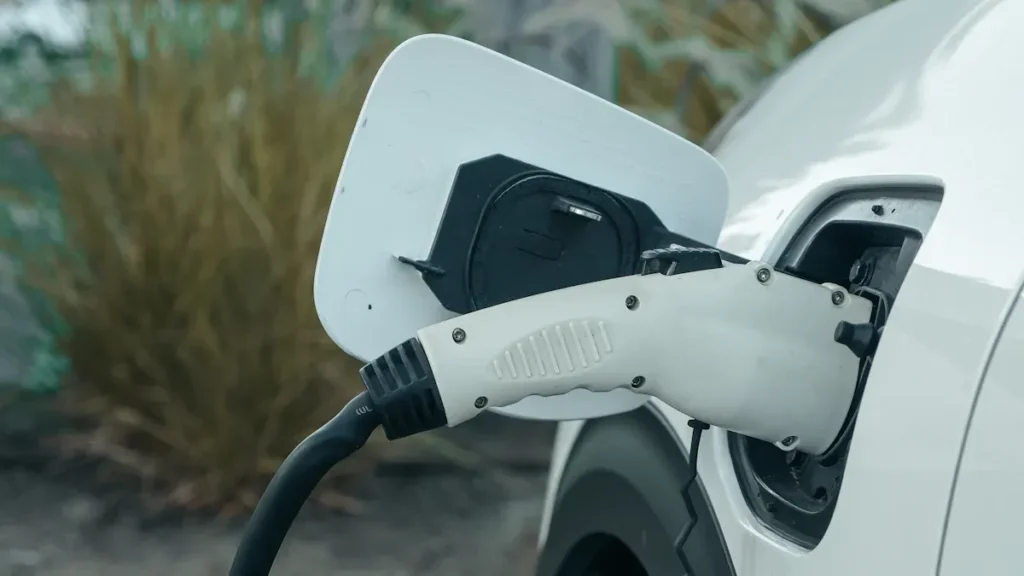

What if the “free” in free EV charging stations offered more than just cost savings? The public EV charging market is experiencing rapid growth, with projections indicating an annual growth rate exceeding 25% over the next five years. This expansion reveals significant, often overlooked, benefits of free EV charging. These hidden advantages not only stimulate local economies but also foster stronger communities. The simple act of using an EV charger transforms into a powerful force for widespread good, creating a positive ripple effect. The value of free EV charging extends far beyond the individual EV driver. EV charger manufacturers like TPSON are crucial to this evolving landscape, supplying the advanced EV charger technology that makes these community benefits a reality. The concept of hidden free EV charging unveils a deeper layer of community and economic value.
The Economic Engine: How Free EV Charging Fuels Local Growth
Free EV charging is more than a perk; it is a powerful economic catalyst. By offering this amenity, businesses and municipalities tap into a new source of revenue and growth, transforming charging time into a tangible financial advantage.
The Power of ‘Dwell Time’ for Retail and Hospitality
The most significant economic lever of free EV charging is ‘dwell time’—the period an EV driver spends waiting for their vehicle to charge. This creates a valuable, captive audience for nearby businesses.
A recent analysis shows the average dwell time for a Level 2 public charger is 4.5 hours. Expected times can range from 2 to 8 hours, creating a substantial window of opportunity for local commerce.
Turning Charging Stops into Shopping Sprees
A driver using free EV charging at a shopping center is highly likely to browse nearby stores. A 30-minute charge can become a quick shopping trip, while a longer charge encourages more extensive retail exploration. This transforms a simple errand into a significant sales opportunity for retailers.
From Quick Coffee to Full-Course Meals
Restaurants and cafes located near free charging points see a direct increase in foot traffic. A short wait is perfect for a coffee break, while a multi-hour charge provides ample time for a full-course meal. This turns the need for EV charging into a consistent stream of diners.
Boosting Occupancy for Hotels and Resorts
For the hospitality industry, destination charging is a game-changer. Hotels offering free EV charging become a preferred destination for EV drivers planning overnight stays. This amenity directly influences booking decisions, boosts occupancy rates, and positions the property as a modern, convenient travel destination.
A New Currency in the Real Estate Market
Free EV charging has become a high-value asset in real estate, influencing both commercial and residential property values.
Attracting Top Talent in Commercial Real Estate
Companies offering free EV charging at the workplace gain a competitive edge in attracting and retaining top talent. It is a modern perk that signals a forward-thinking company culture and commitment to sustainability, making the office a more attractive destination for employees.
The Ultimate Amenity for Residential Properties
In the multifamily housing market, charging infrastructure is rapidly moving from a luxury to an expectation.
- A 2022 survey revealed that 27% of renters are interested in EV charging stations.
- Furthermore, 58% of prospective EV owners would pay higher rent for on-site charging.
This makes free EV charging a powerful tool for attracting and retaining tenants.
A Key Differentiator for Property Valuations
Properties equipped with free charging points often command higher valuations. This amenity enhances the property’s appeal, reduces vacancy rates, and provides a clear return on investment, making it a key differentiator in a competitive market.
The Ripple Effect on the Broader Local Economy
The economic benefits of free EV charging stations extend beyond individual businesses, creating a positive ripple effect across the entire local economy.
Why Small and Local Businesses Benefit Most
Public chargers attract visitors and residents who spend money at nearby establishments. Data shows a clear correlation between charger proximity and increased revenue, especially for small businesses. 📈
| Impact Metric | 2019 | 2021-2023 |
|---|---|---|
| Increase in spending per single EV charging station | 1.4% | 0.8% |
| Increase in spending per additional charging port | 0.25% | 0.16% |
| Increase in spending for businesses within 100m of a charging station | 2.7% | 3.2% |

This localized spending provides a vital boost to main street economies. Technologically advanced solutions from providers like TPSON supply the reliable infrastructure needed to realize these benefits.
Creating a “Destination” Reputation for Towns
Municipalities that invest in a network of free charging points build a reputation as a progressive and welcoming destination. This branding attracts EV drivers and signals a commitment to modern infrastructure and environmental stewardship.
Driving Tourism and Visitor Spending
A robust destination charging network encourages tourism. EV drivers are more likely to visit and spend time in towns where they can conveniently charge their vehicles. This strategy effectively turns the town itself into a must-visit destination, driving visitor spending and supporting the local tourism industry.
Beyond the Driver: Community and Social Benefits of Free EV Charging Stations
The advantages of free EV charging extend well beyond individual savings and local economics. These charging points serve as catalysts for building stronger, safer, and more equitable communities. They transform parking spots into social infrastructure, fostering connection and accelerating progress.
More Than a Plug: Creating Modern Community Hubs
Free EV charging stations are evolving from simple utility points into dynamic community hubs. They create a new kind of public square for the modern era.
The EV “Water Cooler” Effect
Unlike a quick stop at a gas pump, the extended duration of EV charging creates natural opportunities for driver interaction. These shared moments at a destination for free EV charging cultivate a sense of community among EV owners. This communal atmosphere encourages the sharing of information and strengthens social bonds around sustainable transportation.
Fostering Knowledge-Sharing Networks
These informal gatherings become valuable knowledge-sharing networks. Drivers exchange tips on vehicle performance, recommend the best destination charging spots, and discuss the latest in EV technology. This peer-to-peer education helps demystify electric vehicle ownership for new and prospective drivers.
Integrating Charging with Parks and Libraries
Municipalities are discovering the power of integrating free charging points into public spaces. This strategy enhances the value of community assets and makes free EV charging more accessible.
- The Skokie Public Library in Illinois successfully installed chargers, boosting local EV adoption.
- The Vernon Area Public Library’s free EV charging station proved popular, showcasing the library’s leadership in promoting EV accessibility.
Charging Towards Equity and Accessibility
Widespread public charging is essential for making the EV transition fair and inclusive for everyone. Free EV charging plays a crucial role in democratizing access.
Bridging the Gap for Renters and Apartment Dwellers
A significant barrier to EV ownership is the lack of at-home charging, a problem acutely felt by renters. A recent survey found that 31% of non-EV owners in multifamily buildings cite a lack of charging as a reason for not switching. Free public charging helps bridge this gap, offering a reliable charging destination for those without a private garage.
Lowering the Barrier to EV Ownership
The availability of free EV charging directly lowers the total cost of ownership, making an EV a more viable option for a broader range of households. This financial relief, combined with convenient access, makes the decision to switch to an electric vehicle much easier.
Supporting Underserved Communities with Public Charging
Equity programs are vital for ensuring the benefits of electrification reach all communities.
Studies show that many public charging stations are concentrated in higher-income neighborhoods, creating a barrier to EV adoption in other areas. Mobile charging stations offer a promising solution to bring free EV charging to underserved locations for events or to test demand.
Initiatives like New York’s EV Make-Ready Program and Cook County’s grant program specifically fund infrastructure in disadvantaged communities, ensuring public EV charging is a resource for all.
Enhancing Public Safety and Community Image
Well-planned free charging stations contribute to safer neighborhoods and a more progressive community identity.
Well-Lit Stations and Increased Foot Traffic
Safety is a major concern at public charging locations. A 2022 survey noted that women are twice as likely as men to cite safety as a deterrent. Well-designed stations with bright lighting and high visibility, like those from advanced providers such as TPSON, increase feelings of security. The consistent foot traffic at a popular destination for free EV charging also adds a layer of natural surveillance, making the area feel safer.
Promoting a Forward-Thinking Community Brand
A network of free charging points sends a clear message. It brands a town or city as a forward-thinking, sustainable, and technologically advanced destination. This modern image helps attract new residents, innovative businesses, and visitors who value environmental stewardship, turning the community into a desirable destination.
The Green Accelerator: Environmental and Infrastructural Wins

Free EV charging provides more than just economic and social gains; it acts as a powerful accelerator for environmental progress and infrastructural development. This amenity directly encourages EV adoption and helps build a smarter, more sustainable energy future.
Supercharging EV Adoption Rates
The widespread availability of free EV charging dismantles key barriers to ownership, making the switch to electric vehicles more appealing than ever.
Conquering Range Anxiety for Good
Range anxiety remains a significant concern for potential EV buyers. However, a dense network of free charging points effectively eliminates this fear. The rapid expansion of public charging infrastructure provides drivers with confidence.
This growing network makes any destination reachable. The availability of free EV charging assures drivers they will never be stranded.
Making the EV Switch Irresistible
Free EV charging makes the financial case for switching to an EV compelling. It significantly reduces the total cost of ownership by eliminating fuel expenses. When a workplace, shopping centre, or town offers free EV charging, it creates a powerful incentive. This perk transforms an EV from a practical choice into an irresistible one, making the decision to switch much easier for consumers.
Accelerating the Retirement of Gas Cars
Every new EV on the road contributes to the retirement of an internal combustion engine vehicle. Free EV charging stations accelerate this transition. By making EV ownership more convenient and affordable, these free charging points encourage faster adoption. This hastens the shift away from fossil fuels, creating a positive cycle of environmental improvement. A reliable destination charging network is key to this progress.
Building a Smarter, More Resilient Grid
The data generated by EV charging offers invaluable insights for creating a modern, intelligent energy grid.
Gathering Critical Data on EV Charging Patterns
Each session of free EV charging provides data on usage times, duration, and energy consumption. Utility companies and infrastructure providers like TPSON analyze this information to understand demand. This data helps them plan for future capacity needs and optimize the placement of new chargers, ensuring the grid can support growing EV adoption.
Paving the Way for Smart Grid Technology
This data is the foundation for smart grid technologies like Vehicle-to-Grid (V2G). Smart grids enable two-way communication between the EV and the power grid. Key components include:
- V2G-Capable Electric Vehicles: The EV must be able to return energy to the grid.
- Bidirectional Charging Infrastructure: Smart chargers manage two-way energy flow.
- APIs: These interfaces allow real-time data exchange for optimized energy management.
This technology turns a parked EV into a mobile energy storage unit, creating a more flexible and resilient destination for power.
Balancing Energy Loads and Preventing Strain
Smart charging uses real-time data to manage electricity demand. Dynamic load management adjusts charging speeds based on overall grid activity. This prevents overloads during peak hours and shifts charging to off-peak times when energy is cheaper and more abundant. This intelligent approach to free EV charging helps maintain grid stability and reliability.
The Unseen Environmental Perks of Widespread EV Use
The environmental benefits of EVs extend beyond reducing carbon emissions, creating healthier and more pleasant urban environments.
Reducing Localized Air Pollution in Urban Centers
Electric vehicles produce zero tailpipe emissions, which directly improves urban air quality. Studies show a clear link between EV adoption and reduced air pollution. For example, research has projected that even partial vehicle electrification can reduce harmful PM2.5 particulates by a measurable amount, making cities a healthier destination for everyone.
Decreasing Noise Pollution for Healthier Cities
EVs are significantly quieter than their gasoline-powered counterparts. This reduction in traffic noise creates more peaceful and less stressful urban environments. Widespread adoption of free EV charging contributes to quieter streets, which has proven benefits for public health and well-being.
Helping Companies Achieve Sustainability Goals
For businesses, offering free EV charging is a tangible way to demonstrate a commitment to sustainability. It helps companies reduce their carbon footprint, meet corporate social responsibility (CSR) targets, and enhance their green credentials. This simple amenity aligns business operations with broader environmental objectives.
Unlocking Value: The Strategic Advantage for Businesses and Brands
For businesses and brands, free EV charging is not just an amenity; it is a sophisticated strategic tool. It drives sales, builds loyalty, and functions as a powerful, low-cost marketing engine that delivers a significant return on investment.
Manufacturer Incentives and Brand Loyalty
Automakers increasingly leverage free EV charging to create a competitive edge and foster deep customer relationships.
How Automakers Use Free Charging to Drive Sales
Leading car manufacturers now bundle complimentary charging packages with new vehicle purchases. This incentive directly addresses a key concern for new buyers: the cost and availability of charging. By offering a period of free EV charging, automakers make the transition to an electric vehicle more seamless and financially attractive. This strategy has become a standard practice across the industry.
- Audi offers programs with up to three years of unlimited charging on select models.
- BMW provides two years of complimentary 30-minute charging sessions.
- Ford includes 250kWh of free charging for its popular EV models.
- Hyundai offers plans ranging from 250kWh to two years of 30-minute sessions.
- Kia provides up to 1000kWh of charging with the purchase of a new EV.
- Mercedes-Benz gives new owners two years of 30-minute DC fast charging sessions.
Building Customer Loyalty Through Charging Networks
These partnerships do more than just sell cars; they build brand ecosystems. When a customer receives free EV charging through a specific network, they become familiar and comfortable with that service. This experience fosters loyalty that extends beyond the initial promotional period. A positive and reliable charging experience, supported by advanced hardware from providers like TPSON, reinforces the premium quality of the vehicle brand and encourages long-term customer retention.
The Low-Cost, High-Impact Marketing Tool
Offering free EV charging is a high-impact marketing strategy that attracts valuable customers and generates positive brand exposure.
Attracting a Desirable Customer Demographic
The availability of free EV charging attracts a specific and valuable customer segment. While the market is broadening, EV ownership has historically been concentrated in certain demographics.
Businesses that offer this perk can effectively draw in these customers, who often have greater disposable income to spend during the vehicle’s dwell time.
Gaining Positive PR and Media Attention
Installing free EV charging stations is a powerful public relations statement. It signals a company’s commitment to sustainability and innovation. This action often generates positive media coverage and social media buzz, positioning the brand as an environmental leader and a community-focused organization. This forward-thinking image enhances brand reputation and builds trust with consumers.
Appearing on EV Charging Maps and Apps
One of the most direct marketing benefits of offering free EV charging is visibility. When a business installs a station, its location appears on essential EV charging maps and mobile apps that drivers use daily to find public charging. This digital footprint puts the business directly in the path of potential customers actively seeking a place to stop. This simple inclusion acts as a constant, free advertisement, driving foot traffic and turning the location into a known destination for the growing community of EV drivers.
The true value of free EV charging extends far beyond an individual’s wallet, acting as a powerful catalyst for economic growth, community building, and environmental progress.
These free charging stations stimulate local businesses, make EV ownership more equitable, and provide crucial data for building a resilient, green infrastructure.
Supporting businesses and municipalities that offer free ev charging is an investment in a smarter, cleaner future. Seeking out these community-building free charging points helps drivers become part of the positive change. This simple act supports the positive change driven by free ev charging stations and the wider EV transition, all thanks to free ev charging.
FAQ
Why do businesses offer free EV charging?
Businesses offer free charging to attract customers and increase sales. The amenity encourages longer visits, or ‘dwell time,’ turning charging stops into shopping or dining opportunities. This strategy effectively boosts revenue and enhances customer loyalty.
How can EV drivers find free charging stations?
EV drivers can locate free charging stations using dedicated mobile apps and in-car navigation systems. These platforms display station locations, availability, and user reviews, making it simple to plan routes around these valuable amenities.
How does free charging benefit the wider community?
Free charging stations boost the local economy by drawing visitors who spend money at nearby businesses. They also help reduce air and noise pollution by accelerating EV adoption. This creates healthier, more prosperous communities for everyone.
Does free charging really boost EV adoption?
Yes, it significantly lowers the barrier to entry. Free public charging reduces the total cost of EV ownership and eliminates ‘range anxiety.’ This makes switching to an electric vehicle a more financially attractive and practical decision for many consumers.
What makes a free charging station reliable?
Reliability depends on high-quality hardware and intelligent software. Technologically advanced providers like TPSON supply durable, smart charging solutions. These systems ensure consistent performance and a positive user experience, which is crucial for businesses offering this amenity.
How does public free charging help renters?
Many renters lack access to at-home charging. Free public stations provide a vital and affordable alternative. This accessibility bridges a major gap, making EV ownership a more feasible option for people living in apartments or multi-family buildings.