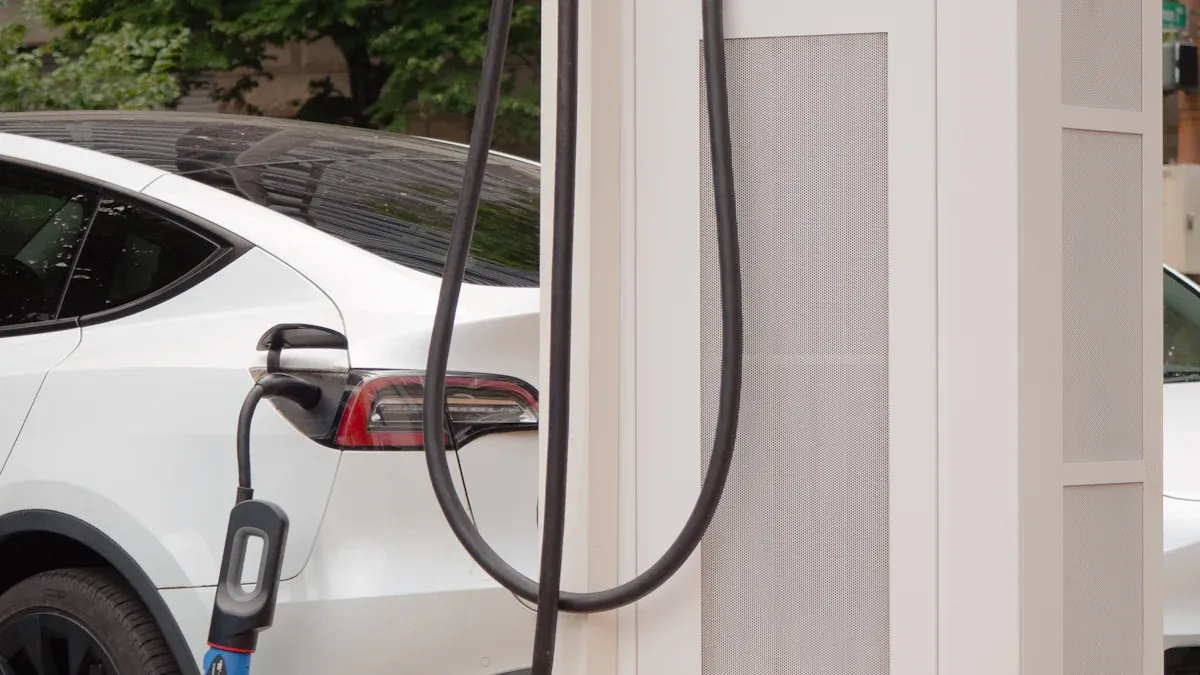
Many electric vehicle owners consider using a 3 pin portable EV charger for convenience. Not every car supports this charging method. Compatibility depends on the specific plug type, the EV Charger requirements, and advice from EV charger manufacturers. Safety, charging speed, and practicality also differ for each vehicle. Drivers must understand these limitations before making a choice.
3 Pin Portable EV Charger Compatibility
Plug Types and Vehicle Charging Ports
UK 3-Pin Plug and Connector Standards
The UK 3-pin plug, also known as the BS 1363 plug, serves as the standard domestic socket for most households. Electric vehicle owners often use this plug with a 3 pin portable EV charger to connect their cars to the grid. The charger draws power from a standard 13 amp socket, which limits the maximum current and, therefore, the charging speed. This setup offers convenience but restricts the rate at which the vehicle battery can recharge.
The most common connectors for electric vehicles in the UK and Europe include Type 2, CCS, and CHAdeMO. The following table summarizes these connector types:
| Connector Type | Description | Charging Type |
|---|---|---|
| Type 2 | Standard charging plug in the UK and Europe, compatible with AC charging. | Fast AC charging, up to 22kW |
| CCS | Type 2 connector with additional DC pins for rapid charging. | Rapid DC charging, up to 50kW |
| CHAdeMO | DC connector found on various vehicles, used for rapid charging. | Rapid DC charging, up to 50kW |
Most European models, such as Audi, BMW, and Renault, use Type 2 and CCS connectors. Asian manufacturers, including Nissan and Mitsubishi, often use Type 1 and CHAdeMO, although many now adopt Type 2 and CCS for vehicles sold in Europe.
Vehicle Charging Port Compatibility
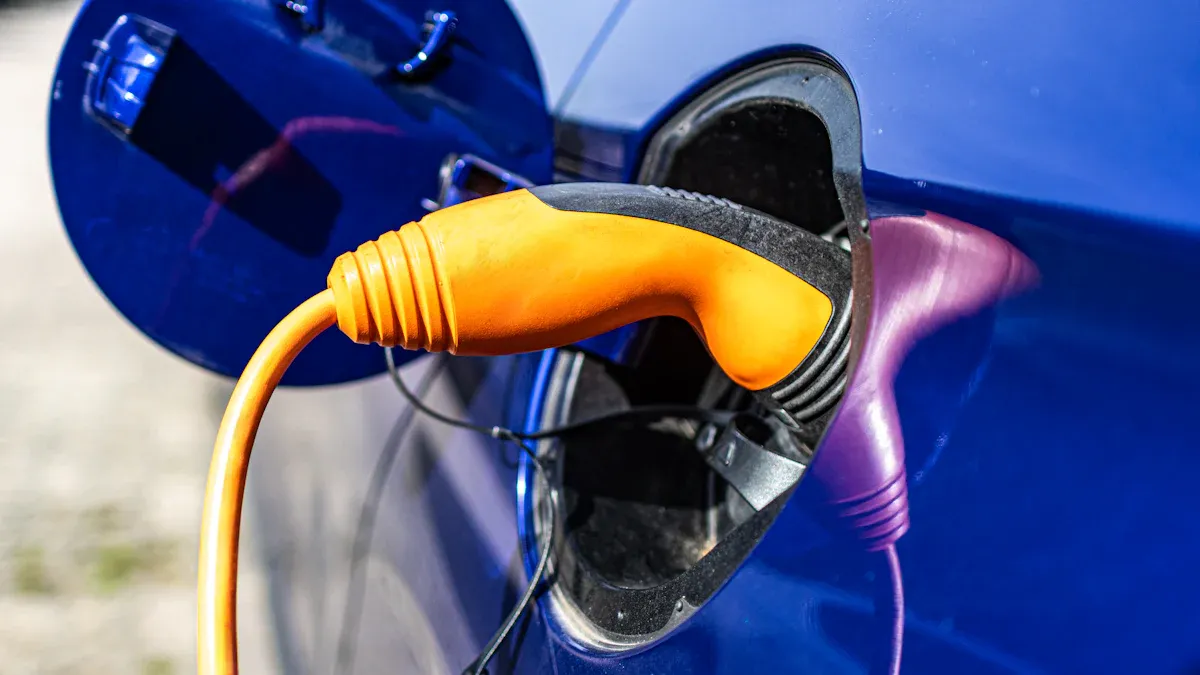
A 3 pin portable EV charger connects to the vehicle through the Type 2 charging port, which is standard for most fully electric and plug-in hybrid vehicles in the UK. This compatibility allows drivers to charge their cars from any standard UK socket. However, not all vehicles support charging from a 3 pin plug, especially those designed for rapid DC charging or equipped with larger battery packs. Owners should verify their vehicle’s charging port type before relying on this method.
Tip: Always check your vehicle’s manual for the supported charging port type before purchasing a charger.
Manufacturer Recommendations and Restrictions
Supported Charging Methods
Manufacturers provide specific guidance on which charging methods suit their vehicles. Many support the use of a 3 pin portable EV charger for occasional or emergency charging. Some brands, such as Nissan, offer detailed instructions regarding the use of domestic sockets. They may recommend electrical testing and suggest using a dedicated circuit to prevent overloads.
- Some manufacturers explicitly support charging from a 3 pin plug for plug-in hybrids and small battery EVs.
- Others advise caution or discourage regular use due to safety and speed limitations.
Warranty and Safety Warnings
Vehicle manuals often include safety warnings about using domestic sockets for EV charging. Manufacturers may state that improper use of a 3 pin portable EV charger can void the warranty or cause electrical faults. They emphasize the importance of certified equipment and proper installation. Users should follow all manufacturer recommendations to avoid damaging the vehicle or home electrical system.
Note: Charging from a standard socket may require periodic inspection by a qualified electrician to ensure safety.
Power Requirements and Limitations
Maximum Charging Rate from 3 Pin Sockets
A UK 3-pin socket typically provides a maximum output of about 2 kW, limited by the 13 amp fuse. Some electric vehicles can draw up to 3.9 kW, but this exceeds the safe capacity of most domestic sockets. The table below compares the output of different charger types:
| Charger Type | Maximum Output | Current (A) | Voltage (V) |
|---|---|---|---|
| 3-Pin Portable EV Charger | 7.2 kW | 32A | 240V |
| AC Electric Vehicle Charger (Type 2) | 22 kW | 32A | 380V |
Despite the theoretical maximum output, the practical limit for a 3 pin portable EV charger remains much lower due to household wiring and fuse ratings.
Battery Size and Charging Needs
Electric vehicles vary widely in battery size. Smaller batteries, such as those found in plug-in hybrids, require less power and can recharge overnight using a 3 pin portable EV charger. Larger batteries, common in long-range EVs, need higher charging rates to avoid lengthy charging times. Owners of vehicles with large batteries may find the 3 pin portable EV charger impractical for daily use.
- Plug-in hybrids and small battery EVs suit 3 pin portable EV charger use.
- High-capacity EVs benefit from dedicated home or public fast chargers.
⚡ Charging speed depends on both the charger and the vehicle’s battery capacity. Always match the charger to your vehicle’s needs.
How 3 Pin Portable EV Chargers Work
What Is a 3 Pin Portable EV Charger?
Standard Plug Types Explained
A 3 pin portable EV charger uses the standard UK 3-pin plug, known as the BS 1363. This plug fits into most household sockets. The charger connects to the vehicle using a Type 2 connector, which is common for electric vehicles in the UK. Some older or imported vehicles may use a Type 1 connector, but most new models support Type 2. The charger draws power from the domestic socket and delivers it to the car’s battery.
How Charging Is Delivered
The charger converts AC power from the wall socket into a form the vehicle can use. It manages the flow of electricity to ensure safe charging. The onboard charger in the vehicle controls the charging rate, based on the battery’s needs and the limits of the socket. Most 3 pin portable EV chargers supply a maximum of 2 to 2.3 kW, which is much slower than dedicated home or public chargers. The charger includes safety features such as temperature sensors and automatic shut-off to prevent overheating.
Typical Use Cases
Emergency Charging Situations
Drivers often use a 3 pin portable EV charger in emergencies. For example, if a public charging station is unavailable or out of service, the portable charger allows the driver to use any standard socket. This flexibility can help avoid being stranded with a low battery. The charger serves as a backup option during travel or unexpected situations.
Everyday Home Charging
Some owners use the charger for daily charging at home. This method works best for vehicles with small batteries, such as plug-in hybrids. Charging overnight can provide enough range for short commutes or errands. However, for larger battery electric vehicles, this method may not deliver a full charge by morning.
Cable Lengths and Portability
Range of Cable Lengths Available
Manufacturers offer a variety of cable lengths for these chargers. Typical options range from 2 to 15 meters. Cables longer than 15 meters may cause charging failures due to voltage drop or overheating. Many products feature a total length of 5 meters, which suits most home setups.
- 2 meters: Suitable for charging close to the socket.
- 5 meters: Common length, offers flexibility for most driveways.
- 10-15 meters: Useful for reaching vehicles parked farther away.
Portability for Travel and Backup
The compact design of a 3 pin portable EV charger makes it easy to store in the vehicle’s trunk. Drivers can carry the charger when traveling or visiting friends and family. The lightweight build and flexible cable lengths add to its convenience. This portability ensures that drivers have a backup charging solution wherever they go.
Safety Considerations with 3 Pin Portable EV Chargers
Electrical Safety Risks
Overheating and Fire Hazards
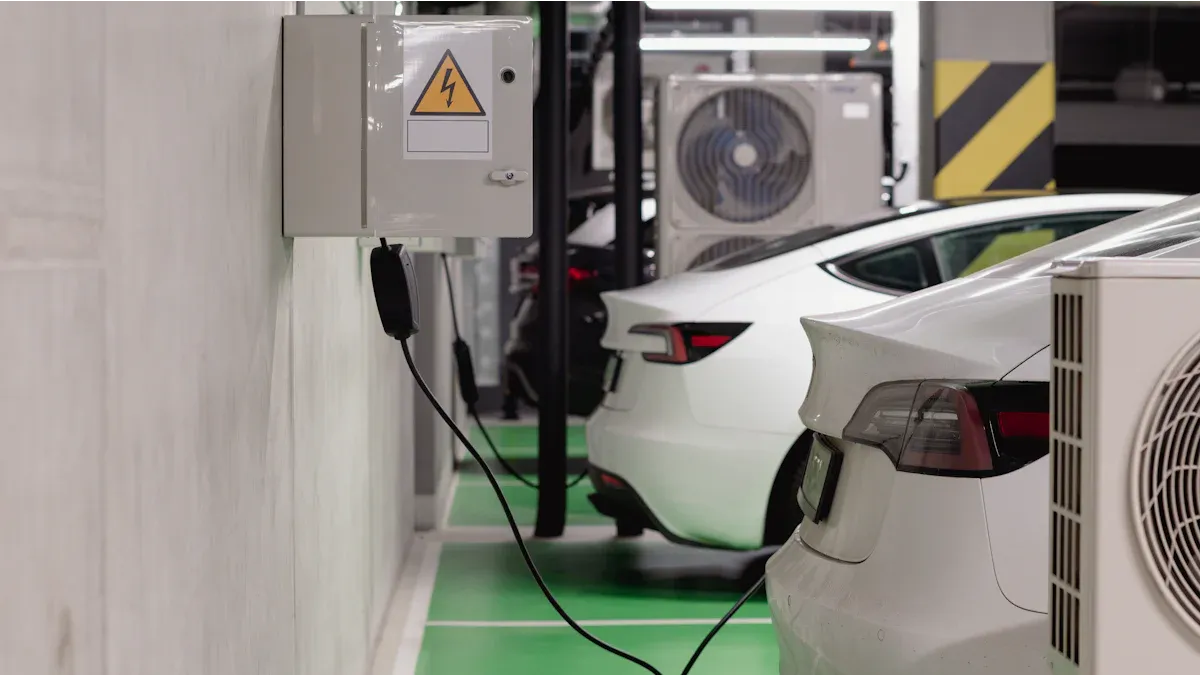
Charging an electric vehicle from a standard household socket introduces several safety risks. Overheating remains one of the most common dangers. Old or faulty circuits can struggle to handle the continuous power draw required for EV charging. This situation may lead to excessive heat buildup, which increases the risk of fire. Using extension cords not rated for high power also raises the chance of overheating. Many incidents occur when drivers use unsuitable cables or plug their chargers into sockets that have not been inspected for years.
| Safety Risk | Description |
|---|---|
| Overloading circuits | Charging an EV on an old or faulty circuit can cause overheating and fire hazards. |
| Using unsuitable extension cords | Plugging an EV into an extension cord not rated for high power can lead to overheating and fire risk. |
| Electric shocks | Wet hands should be avoided when touching chargers to prevent electric shocks. |
| Practical hazards | Tripping over cables and forgetting to unplug can cause accidents. |
Circuit Overload Issues
Household circuits often support multiple appliances. When a 3 pin portable EV charger operates on the same circuit as other devices, the total load can exceed safe limits. Circuit breakers may trip, or worse, wiring may overheat. This risk grows in older homes with outdated electrical systems. Regularly overloading circuits can degrade wiring insulation, making future hazards more likely.
Safe Usage Practices
Proper Installation and Monitoring
Safe charging starts with proper installation. Electricians should inspect sockets and wiring before regular use. Monitoring the charger during operation helps detect early signs of overheating or malfunction. Users should avoid running the charger overnight without supervision, especially in older properties.
Using Certified Equipment
Certified equipment ensures compliance with safety standards. UK electrical safety authorities recommend several best practices:
- Use certified equipment to ensure safety and compliance.
- Conduct regular inspections every 6 to 12 months to identify potential hazards.
- Follow manufacturer guidelines regarding voltage tolerances and environmental limits.
⚠️ Always check for certification marks and follow the manufacturer’s instructions for safe operation.
Impact on Home Electrical Systems
Load Management
Charging an EV at home places extra demand on the electrical system. Without proper load management, the risk of electric shock increases. Defects in the charger or mains supply can allow electric current to reach the vehicle body. This situation poses a serious injury risk for anyone touching the car during charging.
Upgrading Outlets and Wiring
Modern electric vehicles contain sensitive electronics. Voltage surges, often caused by poor grounding, can damage these components. Over time, a lack of grounding may also overload the power grid, harming both the charger and household infrastructure. Upgrading outlets and wiring to meet current standards reduces these risks. Homeowners should consult a qualified electrician before installing or using a 3 pin portable EV charger for regular charging.
Charging Speed and Practicality
Charging Times Compared to Other Options
3 Pin Portable EV Charger vs. Level 2 Home Charger
Charging speed remains a critical factor for electric vehicle owners. The following table compares the average charging times and power output for a typical electric vehicle using a 3 pin portable EV charger and a Level 2 home charger:
| Charger Type | Charging Time (20-80%) | Power Output |
|---|---|---|
| 3-pin portable EV | 15 to 20 hours | 1-2 kW/h |
| Level 2 home charger | 8 to 12 hours | ~7 kW |
Level 2 home chargers deliver a much faster charging experience. They can recharge most EVs overnight, while a 3 pin portable EV charger may require most of a full day to reach the same battery level.
3 Pin Portable EV Charger vs. Public Fast Charger
Public fast chargers provide even greater speed. Mode 3 chargers, often found in public spaces or installed at home, operate at higher power ratings. Mode 4 chargers, known as rapid chargers, can deliver an 80% charge in just 30 to 60 minutes. In contrast, a 3 pin portable EV charger operates at a maximum of 2.3kW and may take up to 18 hours for a full charge. Public fast chargers typically range from 7.2kW to 22kW or higher, making them the preferred choice for quick top-ups during travel.
- 3 pin portable EV chargers: Maximum 2.3kW, up to 18 hours for a full charge.
- Dedicated home chargers: 7kW, 4-8 hours for a full charge.
- Public fast chargers: 7.2kW to 22kW or higher, 80% charge in 30-60 minutes.
Practicality for Daily Use
Overnight Charging Scenarios
Many drivers rely on overnight charging to ensure their vehicles are ready each morning. For plug-in hybrids or small battery EVs, a standard socket may provide enough energy overnight. However, for larger battery electric vehicles, the slow charging rate can leave the battery only partially charged by morning. This limitation can disrupt daily routines, especially for those with longer commutes.
Long-Distance Travel Considerations
Long-distance travel presents additional challenges. Drivers who depend on a 3 pin portable EV charger may face extended charging stops, making road trips less practical. Public fast chargers or dedicated home units offer much shorter charging times, supporting more flexible travel plans.
⚡ Charging through a standard wall socket can take over 13 hours for some models, making it unsuitable for frequent long journeys.
User Experience and Real-World Feedback
Portability and Setup
Many owners appreciate the portability of these chargers. The compact design allows for easy storage in the trunk, providing a backup solution when away from home. Setup remains straightforward, requiring only access to a standard socket. However, regular household sockets are not designed for sustained high-power draw, which can strain home wiring.
Real-World Charging Scenarios
Real-world use highlights several concerns. Using household sockets regularly can increase the risk of overheating and electrical fires. Reports indicate that a significant number of EV fires occur during home charging, often linked to standard outlets. The main practical limitations include slow charging times, overheating risk, high energy loss, and the lack of smart charging features.
| Limitation | Description |
|---|---|
| Overheating Risk | Continuous high power through household sockets can lead to significant heat buildup, risking fire. |
| Slow Charging Time | Charging via a standard socket can take over 13 hours for some EVs, making it impractical for daily use. |
| High Energy Loss | Charging through wall sockets wastes energy, leading to higher costs and inefficiencies. |
| Lack of Smart Features | Basic outlets do not support smart charging, which is essential for future energy management. |
Note: As electric vehicle adoption increases, the need for smart charging solutions will grow. Basic domestic outlets lack the ability to manage energy efficiently, making them unsuitable as a primary charging solution.
Limitations and Risks of 3 Pin Portable EV Chargers
Slow Charging Speeds
Impact on Daily Driving Needs
Charging speed stands out as a major drawback for drivers who rely on a 3 pin portable EV charger. Many electric vehicles require long periods to reach a full charge when using a standard wall socket. For example:
- Tata Nexon EV (30.2 kWh battery) would take over 13 hours to fully charge via a regular wall socket.
- MG ZS EV (50.3 kWh battery) would need more than 21 hours.
- Citroen eC3 (29.2 kWh) would still take 12–13 hours to reach full charge.
These extended charging times can disrupt daily routines, especially for those who need their vehicle ready each morning. Drivers with longer commutes or unpredictable schedules may find this method impractical.
Inconvenience for Larger Batteries
Vehicles with larger batteries experience even greater inconvenience. Charging a 60kWh battery through a household outlet often takes over 18 hours. This slow process limits the ability to use the car for spontaneous trips or emergencies. The longer charging time also increases the risk of leaving the vehicle undercharged, which can affect reliability.
Safety and Reliability Concerns
Risk of Electrical Faults
Continuous high-power use through domestic outlets introduces significant safety hazards. Consumer safety organizations report that running high power overnight can cause heat buildup.
When you run high power continuously through these outlets, as you would while charging an EV overnight, the heat buildup is significant. Within 30 minutes, temperatures can climb to nearly 100°C. The result? A very real risk of overheating, thermal runaway, and even fire.
Household outlets are not designed for sustained loads. Using extension cords or outdated wiring further increases the risk of electrical faults. Common issues include overheating, tripped breakers, and potential fire hazards.
Potential for Voiding Warranty
Manufacturers often warn against using non-certified charging equipment. Improper use of a 3 pin portable EV charger may void the vehicle’s warranty. Vehicle manuals typically advise owners to follow recommended charging practices and avoid regular use of domestic sockets. Ignoring these guidelines can lead to costly repairs and loss of warranty protection.
Not Suitable for All Vehicles
High-Performance EVs
High-performance electric vehicles require faster and more reliable charging solutions. These models often feature large battery packs and advanced electronics. Charging through a basic wall socket fails to meet their power needs. The slow rate can also affect battery health and overall vehicle performance.
Manufacturer Restrictions
Many manufacturers restrict the use of domestic outlets for regular charging. They recommend dedicated home chargers or public fast chargers for optimal safety and efficiency. Some vehicles may not support charging from a standard socket at all.
None of these benefits are possible with a basic domestic outlet.
Drivers should always consult the vehicle manual and manufacturer guidelines before choosing a charging method.
3 Pin Portable EV Charger vs. Dedicated Home Chargers
Pros and Cons of 3 Pin Portable EV Chargers
Cost and Installation
A 3 pin portable EV charger offers a budget-friendly solution for many drivers. Users can plug it directly into a standard wall outlet, which eliminates the need for professional installation. This feature appeals to renters or those who cannot install permanent charging equipment. The initial cost remains low, and setup takes only a few minutes. However, this convenience comes with trade-offs. The charger delivers slower charging speeds and may not suit regular, long-term use.
Flexibility and Portability
Portability stands out as a key advantage. Drivers can carry the charger in the trunk and use it at different locations. This flexibility helps in emergencies or when visiting friends and family. The charger’s lightweight design and simple operation make it a practical backup. On the downside, users may need extension cables, which can create clutter and safety risks. The lack of smart features and limited charging speed also reduce its practicality for daily use.
Tip: A portable charger works best as a backup or for occasional charging, not as a primary solution.
Pros and Cons of Dedicated Home Chargers
Speed and Efficiency
Dedicated home chargers provide much faster charging. Most Level 2 chargers deliver up to 7kW, allowing drivers to recharge their vehicles in four to eight hours. This speed supports overnight charging and ensures the car is ready each morning. Home chargers often include smart features, such as scheduling and tariff integration, which help users save money by charging during off-peak hours.
Safety and Reliability
Professional installation ensures that dedicated home chargers meet safety standards. These chargers handle continuous high-power use without overheating or overloading circuits. Users gain peace of mind, knowing the system complies with regulations. Home chargers also offer better aesthetics and cable management, keeping the charging area tidy.
Note: Home chargers reduce dependence on public charging stations and provide a reliable, safe charging experience.
Choosing the Right Charging Option
Assessing Your Needs
Drivers should consider several factors before choosing a charging solution. The table below summarizes key points:
| Factor | Description |
|---|---|
| Safety | Choose certified chargers from trusted brands. |
| Charging Speed | Compare amps, volts, and kilowatts to match your vehicle’s needs. |
| Space Requirements | Ensure the charger fits your parking and storage space. |
| Cable Reach | Confirm the cable can reach your vehicle comfortably. |
| Financial Incentives | Check for rebates or tax credits that may lower the total cost. |
Long-Term Considerations
Long-term needs often favor dedicated home chargers. These units offer higher durability, better safety, and more efficient charging. While the upfront cost is higher, users may save money over time through lower energy costs and fewer maintenance issues. Portable chargers remain useful for emergencies, but regular use may increase safety risks and inconvenience.
Choosing the right charger depends on your driving habits, vehicle type, and home setup. Evaluate both short-term convenience and long-term value.
Who Should Use a 3 Pin Portable EV Charger?
Suitable Vehicle Types
Plug-In Hybrids
Plug-in hybrid vehicles often feature smaller battery packs. These batteries require less energy to reach a full charge. Many drivers find that a standard household socket provides enough power overnight for daily commutes. Plug-in hybrids do not depend on rapid charging, so a portable charging solution meets their needs. The lower charging demand also reduces the risk of overheating or overloading the home’s electrical system.
Small Battery EVs
Electric vehicles with small battery capacities benefit from slower charging rates. Owners of these cars can use a portable charger to top up their battery during off-peak hours. Small battery EVs typically require less time to reach a full charge, making overnight charging practical. This approach works well for city cars or vehicles used for short trips.
Ideal User Scenarios
Occasional Charging Needs
Some drivers only need to charge their vehicles occasionally. For example, individuals who drive short distances or use their EV as a secondary car may not require a dedicated home charger. In these cases, a portable charger offers a cost-effective and flexible solution. Users can plug in when needed without investing in permanent infrastructure.
Emergency Backup
A portable charger serves as a valuable backup during emergencies. If a public charging station becomes unavailable or a dedicated home charger malfunctions, drivers can rely on a standard socket. Keeping a portable charger in the vehicle ensures that drivers have a solution for unexpected situations. This peace of mind proves especially useful during travel or power outages.
Tip: Always inspect the socket and wiring before using a portable charger, especially in unfamiliar locations.
When to Avoid 3 Pin Portable EV Chargers
High Mileage Drivers
Drivers who cover long distances each day require faster and more reliable charging. Relying on a standard socket may not provide enough energy overnight. High mileage drivers risk starting the day with a partially charged battery, which can disrupt schedules and increase range anxiety.
Large Battery Electric Cars
Owners of large battery electric vehicles face significant limitations with portable charging. These vehicles demand higher charging rates to maintain daily usability. Using a standard household socket for extended periods introduces several risks:
- Mode 2 chargers, which use 3-pin plugs, offer less protection as a main charging method.
- Standard sockets are not designed for high currents over long periods, especially for overnight charging.
- Repeated use increases socket resistance, leading to heat build-up and potential fire hazards.
Manufacturers often recommend dedicated home chargers for large battery EVs to ensure safety and efficiency.
A 3 pin portable EV charger does not work for every electric car. Drivers gain convenience in some situations, but they face limits in charging speed, safety, and practicality. Most EV owners achieve better results with a dedicated home charger. Before choosing a charging solution, they should review vehicle requirements and manufacturer advice.
Tip: Assess driving habits, vehicle type, and charging needs to select the best charging option.
FAQ
Can all electric cars use a 3 pin portable EV charger?
Most electric cars in the UK support 3 pin portable EV chargers. Some high-performance models or vehicles with large batteries may not allow this method. Always check the vehicle’s manual for approved charging options.
Is it safe to charge an EV overnight with a 3 pin portable charger?
Charging overnight with a 3 pin portable charger can pose risks. Old or faulty wiring may overheat. Manufacturers recommend using certified equipment and having an electrician inspect the socket before regular overnight charging.
How long does it take to fully charge an EV with a 3 pin portable charger?
Charging times vary by battery size. Small plug-in hybrids may charge overnight. Larger battery electric vehicles can take 12 to 24 hours for a full charge. Refer to the vehicle’s specifications for exact times.
Will using a 3 pin portable charger void my car’s warranty?
Some manufacturers warn that regular use of non-certified chargers or domestic sockets may void the warranty. Always follow the manufacturer’s charging recommendations and use approved equipment.
Can I use an extension cord with a 3 pin portable EV charger?
⚠️ Using an extension cord is not recommended. Extension cords can overheat and increase fire risk. Plug the charger directly into a wall socket whenever possible.
What should I do if the socket feels hot during charging?
Stop charging immediately if the socket feels hot. Heat indicates a potential electrical problem. Contact a qualified electrician to inspect the wiring before using the charger again.
Are 3 pin portable EV chargers suitable for daily use?
3 pin portable EV chargers work best for occasional or emergency charging. Daily use can strain household wiring and increase safety risks. Dedicated home chargers provide faster, safer, and more reliable charging for regular use.
Do 3 pin portable chargers support smart charging features?
Most 3 pin portable chargers do not support smart charging features. They lack scheduling, remote monitoring, and energy management functions found in dedicated home chargers.