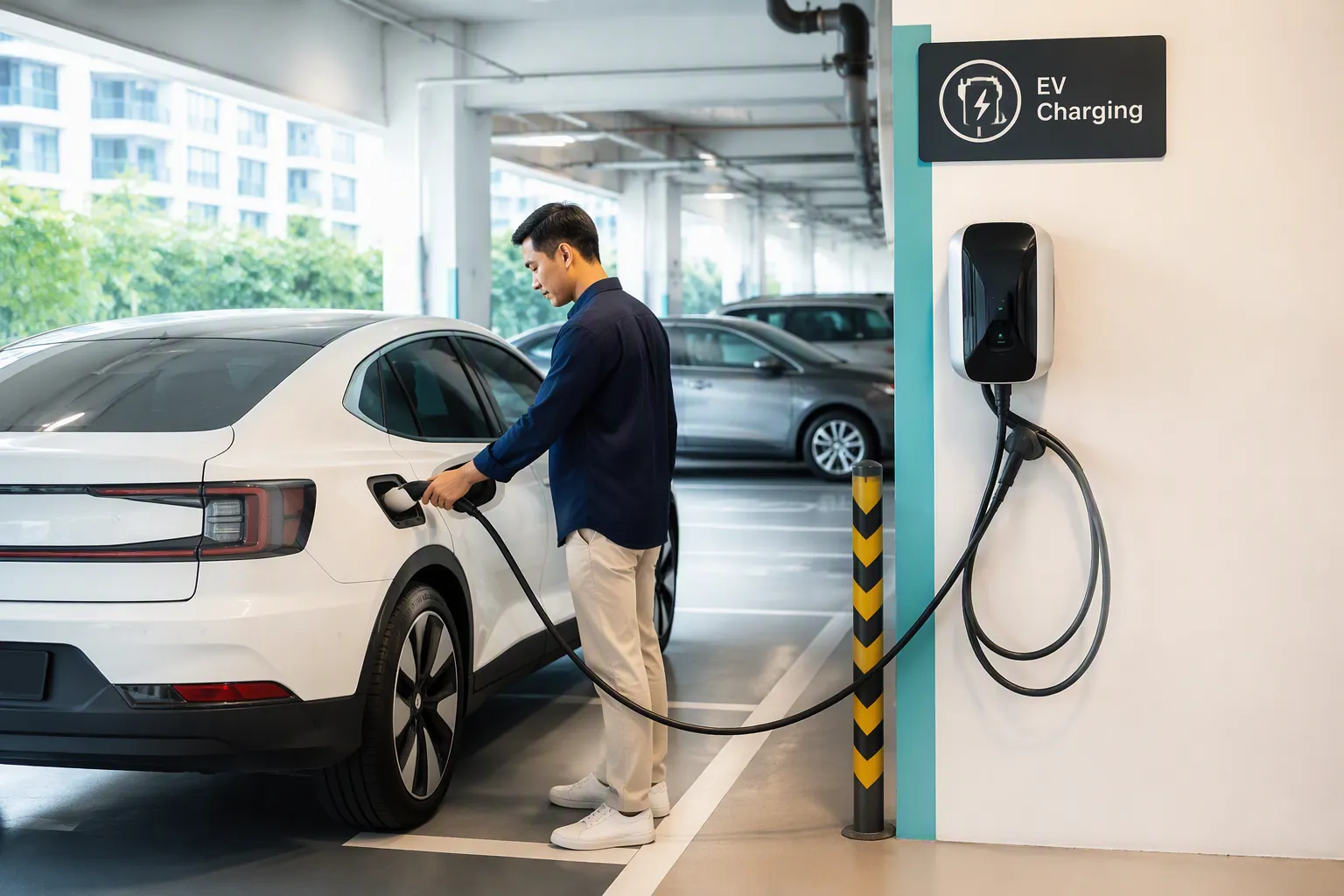
Milano stands out as the top city for EV Charger access in Italy, offering the highest number of charging stations for electric vehicles. Rome, Turin, Florence, and Bologna also provide robust infrastructure, helping drivers stay mobile in urban environments. As cities in Italy invest in sustainable transport, EV charger manufacturers continue to expand networks. Compared to other European countries, Italy’s growth in public charging points remains steady, though countries like the Netherlands lead in density.

Top Cities in Italy for EV Charging Stations

Milano: Italy’s Leader in EV Charging Points
Number of Charging Stations in Milano
Milano ranks first among cities in Italy for the number of EV charging stations. The city’s commitment to sustainable mobility drives continuous expansion of its charging network. Municipal authorities have set ambitious goals, aiming to install 4,000 new charging points by 2025. This initiative supports both residents and visitors who rely on electric vehicles for daily commutes and travel.
| Factor | Description |
|---|---|
| Municipal Investment | Significant investment in charging infrastructure, aiming for 4,000 new charging points by 2025. |
| Public Transportation Electrification | Commitment to achieve 100% electrification of public transportation by 2030, with a budget of approximately 1.5 billion euros. |
| Favorable Policies | Implementation of low-emission zones and promotion of electric buses to enhance the charging network. |
Key EV Charging Locations in Milano
Milano’s charging network covers strategic locations throughout the city. Drivers can find charging stations near major transit hubs, shopping centers, and residential districts. The city’s low-emission zones feature a high density of EV charging points, making it convenient for users to recharge during errands or commutes. Public parking lots and municipal garages also offer reliable access to charging infrastructure, supporting the city’s goal of widespread EV adoption.
Tip: Milano’s charging stations often support both AC and DC charging, allowing users to select the best option for their vehicle and schedule.
Rome: Extensive EV Charging Network in the Capital
Number of EV Charging Points in Rome
Rome continues to expand its EV charging network through targeted initiatives. The city has installed 64 charging points, with 21 more planned for the near future. Strategic planning accelerates the electrification timeline, ensuring that the capital remains at the forefront of sustainable transport in Italy.
| Initiative | Details |
|---|---|
| Charging Points Installed | 64 (with 21 more planned) |
| Mobile Chargers Installed | 10 Terra 54HV mobile chargers |
| Electrification Timeline | Accelerated through strategic planning |
| Total Charging Points Planned | 84 (30 overhead-mounted, 54 pedestal-mounted) |
| Completion Timeline | End of 2025 |
Popular Charging Stations in Rome
Rome’s charging network includes both overhead-mounted and pedestal-mounted stations. Popular locations for EV charging points include central business districts, tourist attractions, and major roadways. The city’s mobile chargers provide flexibility for users who need quick access to power. By the end of 2025, Rome expects to complete its planned network expansion, making EV charging more accessible for all drivers.
Note: Rome’s charging stations support a variety of connector types, ensuring compatibility with most electric vehicles on the market.
Turin: Northern Italy’s EV Charging Hub
Number of Charging Stations in Turin
Turin has established itself as a leader in electric mobility within northern Italy. The city offers approximately 200 public charging points, primarily featuring AC charging options. Several DC fast-charging stations complement the network, providing rapid charging for users with limited time.
Investing in EV charging infrastructure supports local innovation and strengthens the economy. Municipalities in Turin position themselves as leaders in electric mobility, which enhances the city’s sustainability and drives higher adoption rates of electric vehicles.
Where to Find EV Charging Points in Turin
Turin’s charging network features a well-distributed array of stations. Residents and visitors can access charging points in commercial areas, public parking lots, and near major transportation hubs. The city’s planners analyze user behavior and charging demand to identify optimal locations for new stations. This approach ensures that the network meets the needs of both daily commuters and tourists.
- The network’s distribution facilitates convenient access for all users.
- Charging stations are located in areas with high demand, supporting increased EV usage.
- Both AC and DC charging options are available, catering to different vehicle requirements.
Turin’s commitment to expanding its charging network makes it easier for drivers to transition to electric vehicles. The city’s focus on accessibility and strategic placement of charging stations supports the growth of sustainable transport across northern Italy.
Florence: High Availability of EV Charging Points
Number of Charging Stations in Florence
Florence demonstrates a strong commitment to sustainable mobility. The city features over 150 public EV charging stations, making it one of the most accessible destinations for electric vehicle drivers in Italy. Local authorities continue to invest in expanding the network, aiming to support both residents and the millions of tourists who visit each year. The city’s charging infrastructure includes a mix of standard and fast chargers, which helps reduce wait times and supports a variety of vehicle models.
| Charging Station Type | Number of Units | Typical Locations |
|---|---|---|
| Standard AC | 100+ | City center, parking lots |
| Fast DC | 50+ | Main roads, shopping areas |
Florence’s proactive approach ensures that drivers rarely face difficulties finding available charging points. The city’s efforts align with broader regional goals to promote electric mobility and reduce emissions.
Central and Suburban EV Charging Locations
Florence’s EV charging network covers both central and suburban areas. In the historic city center, drivers can find charging stations near major landmarks, hotels, and public parking garages. These locations serve tourists and business travelers who need convenient access during short stays.
In suburban districts, the city has installed charging points in residential neighborhoods, shopping centers, and transit hubs. This distribution supports daily commuters and local residents who rely on electric vehicles for routine travel.
Tip: Drivers visiting Florence should check real-time availability using mobile apps before heading to popular tourist areas, especially during peak seasons.
Bologna: Expanding EV Charging Infrastructure
Number of Charging Stations in Bologna
Bologna continues to expand its EV charging infrastructure at a rapid pace. The city currently offers more than 120 public charging stations, with additional units planned for installation in the coming years. Local government initiatives focus on increasing the density of charging points in both urban and suburban zones. These efforts aim to make electric vehicle ownership more practical for a growing number of residents.
Bologna’s charging network includes a balanced mix of AC and DC chargers. This variety allows drivers to choose the best option based on their vehicle’s compatibility and charging needs.
Notable EV Charging Points in Bologna
Bologna’s most notable charging stations are located in high-traffic areas. Drivers can find reliable access at:
- Bologna Centrale railway station
- Guglielmo Marconi Airport parking facilities
- Major shopping centers such as Centro Borgo and Centro Lame
- Public parking lots near Piazza Maggiore and the university district
The city’s planners prioritize locations that serve both local commuters and visitors. This approach ensures that the charging network supports the city’s economic and environmental goals.
Other Noteworthy Cities in Italy for EV Charging
Naples: Southern Italy’s Growing EV Charging Scene
Naples has emerged as a key player in the development of EV charging infrastructure in southern Italy. The city has installed over 80 public charging stations, with a focus on expanding coverage in both central and peripheral neighborhoods. Local authorities collaborate with private operators to accelerate growth and improve accessibility for electric vehicle owners.
Venice: Unique EV Charging Stations in the City
Venice presents unique challenges for EV infrastructure due to its geography. The city has established charging points on the mainland in Mestre and at key parking terminals such as Tronchetto and Piazzale Roma. These locations serve residents and tourists who park their vehicles before entering the historic city center by boat or on foot.
Genoa: Coastal EV Charging Points
Genoa’s coastal location makes it an important hub for electric mobility in northwestern Italy. The city offers a growing number of charging stations along major roadways, near the port, and in residential districts. Genoa’s network supports both local drivers and travelers exploring the Ligurian coast.
Padua: Emerging EV Charging Infrastructure
Padua has invested in modernizing its transport network. The city now features a steadily increasing number of EV charging points, primarily located in public parking areas and near university campuses. Padua’s efforts reflect a broader trend among medium-sized cities in Italy to support sustainable mobility.
Verona: Expanding EV Charging Network
Verona continues to expand its EV charging network to meet rising demand. The city has prioritized the installation of charging stations in commercial zones, near tourist attractions, and at major transit hubs. Verona’s approach ensures that both residents and visitors benefit from reliable access to charging infrastructure.
Note: As more cities in Italy invest in EV charging points, drivers can expect improved coverage and convenience across the country.
How to Find EV Charging Points in Cities in Italy

Using Mobile Apps to Locate Charging Stations
Top Apps for Finding EV Charging Points (e.g., Enel X Way, Nextcharge, PlugShare)
Mobile apps play a crucial role for drivers who want to find EV charging points quickly and efficiently. Several leading apps help users locate, book, and pay for charging sessions across cities in Italy. The following table highlights some of the most effective options:
| App Name | Features |
|---|---|
| JuicePass | Locate, book, and pay for charging needs with ease. |
| easyCharging | Search for local fast charging points, competitive prices, and better charging experience. |
| Electra | Reserve a charging station directly through the app, ensuring a hassle-free experience. |
These apps support a seamless experience for electric vehicles owners, making it easier to access charging points in both urban and suburban areas.
Real-Time Availability and Navigation Features
Many EV apps offer real-time updates on charging station availability. Drivers can check which charging stations are currently in use and which are free, reducing wait times. Navigation features guide users directly to the nearest available EV charging points, optimizing routes and saving time. Some apps also allow users to filter by connector type or charging speed, ensuring compatibility with their electric vehicles.
Tip: Always check real-time status before heading to a charging station, especially during peak travel hours.
Online Maps and Websites for EV Charging Stations
National and Regional EV Charging Maps (e.g., Enel X Way map, Open Charge Map)
Online maps and dedicated websites provide comprehensive coverage of EV charging stations throughout Italy. These platforms display thousands of charging points, helping drivers plan their journeys with confidence. The table below outlines two popular sources:
| Source | Description |
|---|---|
| Electromaps | Provides real-time status of 34,925 charging stations for electric cars in Italy, making it easier for drivers to locate charging points. |
| ECOFACTOR | Highlights the growing network of charging stations across Italy, including cities and highways, and offers a mobile app for managing charging sessions. |
These resources support both local and long-distance travel, ensuring that drivers can always find EV charging points when needed.
Integrating EV Charging Points into Trip Planning Tools
Modern trip planning tools now integrate EV charging station data for cities in Italy. These systems use real-time information to optimize routes and charging stops. Key features include:
- Intelligent trip planning systems analyze multiple data streams, such as battery life and range.
- Users set a destination and target arrival time, and the system adjusts the route based on charging station availability.
- Continuous planning mode allows for real-time changes, adapting to driving behavior and current conditions.
This technology helps drivers of electric vehicles travel efficiently, even on longer journeys.
Public vs. Private EV Charging Networks in Italy
Differences in Access and Payment for Charging Stations
Drivers encounter both public charging stations and private networks across Italy. Each network offers different access and payment options. The table below summarizes the main differences:
| Aspect | Public Charging Networks | Private Charging Networks |
|---|---|---|
| Access | Fully public points are available 24/7; semi-public points have access restrictions. | Access may be limited to specific hours or conditions, often requiring facility use. |
| Pricing | Prices vary based on subscription with eMSP or ad hoc payment; generally lower than fossil fuels. | Pricing structures can vary widely and may include additional fees or surcharges. |
| Types of Charging Stations | Includes AC and DC stations, with DC typically being more expensive due to faster charging. | Often includes slower charging options, potentially at lower costs depending on location. |
Understanding these differences helps drivers choose the best option for their needs.
Membership, Subscription, and Pay-as-You-Go Options
EV drivers in Italy can access charging points through various payment models. Many public charging stations accept pay-as-you-go payments, while others offer membership or subscription plans for frequent users. Private networks may require registration or facility use. Drivers should review payment options before starting a charging session to avoid unexpected fees.
Regional Trends in EV Charging Stations Across Italy
Northern Italy: Leading in EV Charging Infrastructure
Urban vs. Suburban EV Charging Point Density
Northern Italy stands out for its advanced EV infrastructure. Regions such as Lombardy, Piedmont, and Veneto have made significant progress in expanding their EV charging network. Urban areas in these regions show a higher density of charging points compared to suburban zones. This trend results from concentrated investments in city centers, where demand for EV charging remains strongest. The overall number of installed charging stations in northern Italy increased by 41% in 2022, reaching a total of 36,772 charging points.
- Lombardy, Piedmont, and Veneto lead in EV charging point density.
- Urban centers offer more charging options than suburban districts.
- The network continues to grow rapidly, supporting increased EV adoption.
Regional Government Initiatives Supporting Charging Stations
Regional governments in northern Italy have introduced robust incentives to support the expansion of the EV charging network. These policies encourage both residential and commercial installations. Italy offers a refund of 110% (up to €2,000) for private parking charging station installations and tax returns up to €3,000 for commercial projects. These incentives drive the rapid deployment of charging infrastructure.
| Region | Number of Charging Points | Increase Over Past Year |
|---|---|---|
| Lombardy | 13,763 | +2,861 |
| Piedmont | 6,561 | +786 |
| Veneto | 6,176 | +668 |
| Emilia-Romagna | 5,282 | +562 |

Central Italy: Rapid Growth in EV Charging Points
Expansion of Charging Stations in Major Cities
Central Italy has experienced rapid growth in its EV charging network. The National Recovery and Resilience Plan allocates significant funds for new installations. By the end of 2025, authorities plan to install 21,400 fast and ultra-fast charging stations. Advancements in EV technology, simplified regulatory frameworks, and rising consumer demand all contribute to this expansion.
| Driver | Description |
|---|---|
| Government incentives | Major funding for charging station installation |
| Infrastructure expansion | 21,400 fast/ultra-fast chargers planned by 2025 |
| Technology improvements | Longer battery life and faster charging |
| Consumer demand | Growing interest in EVs |
| Regulatory support | Easier authorization for new stations |
| Carbon neutrality goals | National push for electric mobility |
Tourist Destinations and EV Charging Availability
Central Italy’s EV charging network supports both residents and tourists. The A1 Autostrada features charging stations every 50-60 kilometers, ensuring reliable access for long-distance travelers. Major attractions, including the Colosseum and Vatican City, have nearby charging points. Naples, for example, provides 225 charging points per 100 km², making the network accessible in urban tourist areas.
- Charging stations are available near key landmarks and highways.
- Tourists benefit from convenient access to the EV network during their visits.
Southern Italy: Developing EV Charging Networks
Key Cities with Growing EV Charging Points
Southern Italy continues to develop its EV charging network, though it lags behind the north and center. Key cities such as Naples have made progress, but the region still faces limited accessibility. The uneven development of the EV market remains a challenge for nationwide adoption.
- Northern regions dominate in public charging station numbers.
- Southern cities are working to expand their network, but growth is slower.
Challenges and Opportunities for Charging Stations
The expansion of EV charging networks in southern Italy faces significant challenges, including strict requirements that deter small and medium-sized enterprises, uneven demand for infrastructure, and bureaucratic hurdles. However, there are opportunities through new public tenders with more flexible conditions and initiatives like Electra’s project to install ultra-fast charging points powered by renewable energy.
Despite these obstacles, new projects and public-private partnerships offer hope for improved EV infrastructure in the south.
Islands: Sicily and Sardinia’s EV Charging Stations
Availability of EV Charging Points in Major Towns
Sicily and Sardinia have made significant progress in expanding their EV charging infrastructure. Major towns on both islands now offer a growing number of charging points, making electric vehicle travel more practical for residents and visitors. T-Carica, a leading operator, has established over 100 charging stations across Italy, including key locations in Sicily and Sardinia. The company works closely with retail platforms, supermarkets, and public administrations to ensure that charging stations are available where people need them most.
Urban centers such as Palermo, Catania, and Messina in Sicily, as well as Cagliari and Sassari in Sardinia, feature both AC and DC charging options. These stations appear in public parking areas, shopping centers, and near popular tourist attractions. The presence of DC fast chargers allows drivers to recharge quickly, while AC stations provide reliable options for longer stops.
Key features of the charging network in Sicily and Sardinia include:
- Strategic placement of charging stations in urban and rural areas
- Partnerships with local businesses and government agencies
- Availability of both fast DC chargers and standard AC charging points
- Continuous expansion to meet rising demand from EV owners
The following table highlights typical locations for EV charging stations on the islands:
| Location Type | Example Sites | Charger Types |
|---|---|---|
| Public Parking Lots | City centers, transit hubs | AC, DC |
| Retail & Supermarkets | Large shopping centers, supermarkets | AC, DC |
| Tourist Attractions | Beaches, museums, historic sites | AC |
Travel Tips for EV Drivers Using Charging Stations
Traveling by electric vehicle in Sicily and Sardinia requires some planning, but the expanding network makes it increasingly convenient. Drivers should consider a few practical tips to ensure a smooth journey:
- Plan charging stops ahead of time: Use mobile apps to locate available stations and check real-time status.
- Check connector compatibility: Most stations support common connector types, but verifying compatibility with your vehicle prevents delays.
- Take advantage of fast chargers: DC fast chargers reduce charging time, especially useful during long trips between towns.
- Use charging stations at supermarkets or shopping centers: These locations often provide amenities, making charging more comfortable.
- Monitor station hours: Some stations may have restricted access outside business hours.
Tip: In peak tourist seasons, charging stations near popular destinations may experience higher demand. Arriving early or choosing less busy times can help avoid waiting.
Sicily and Sardinia continue to invest in EV infrastructure, making electric vehicle travel more accessible each year. With careful planning and awareness of available resources, drivers can explore these beautiful islands with confidence and minimal disruption to their journey.
What to Know Before Using EV Charging Stations in Italy
Types of EV Charging Points Available
Fast vs. Standard EV Charging Stations
Italy’s EV network offers both fast and standard charging stations. Fast chargers deliver higher power, reducing the time needed to recharge electric vehicles. Standard chargers provide a slower, steady charge, suitable for longer stops or overnight parking. Drivers often find fast chargers at highway service areas and major transit hubs. Standard chargers appear in city centers, public parking lots, and residential neighborhoods.
| Charger Type | Power Output | Typical Use Case | Location Examples |
|---|---|---|---|
| Fast (DC) | 50-350 kW | Quick top-ups | Highways, airports |
| Standard (AC) | 3-22 kW | Longer parking periods | Shopping centers, hotels |
Connector Types and Vehicle Compatibility
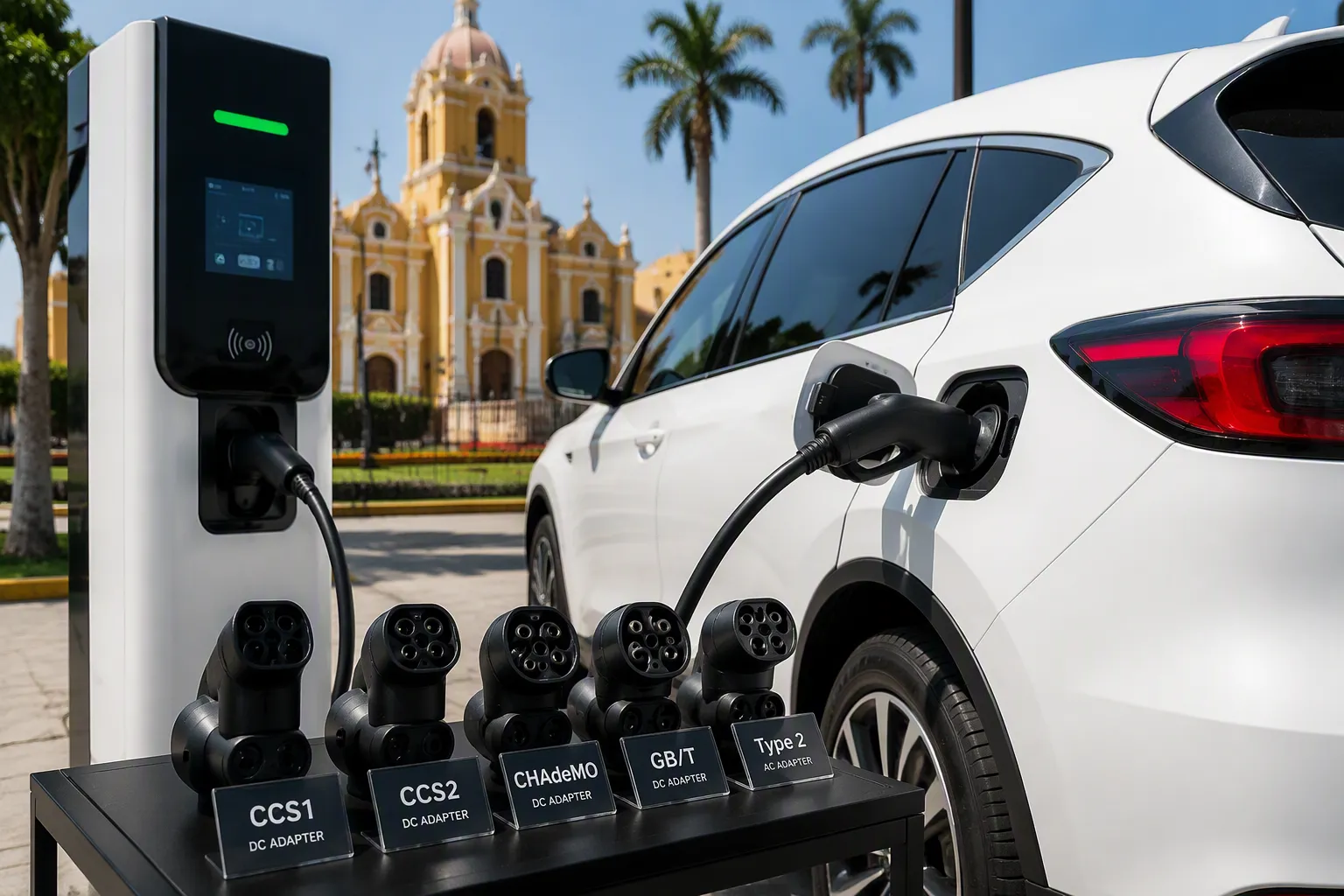
The EV network in Italy supports several connector types. Most charging stations use Type 2 connectors for AC charging and CCS Combo for DC fast charging. Some electric car chargers also offer CHAdeMO connectors, though these are less common. Drivers should check their vehicle’s compatibility before connecting to a charging point. Manufacturers provide adapter cables for models with unique requirements.
Tip: Always verify connector type and power rating before starting a charging session to avoid compatibility issues.
Payment Methods and Access to Charging Stations
Contactless Payment Options for EV Charging Points
Modern charging stations in Italy support contactless payment methods. Drivers can use credit cards, debit cards, or mobile wallets to pay for charging sessions. This system streamlines access to the EV network and reduces wait times. Public charging stations often display clear instructions for contactless transactions.
Using RFID Cards and Mobile Apps for Charging Stations
Many EV networks offer RFID cards for frequent users. These cards allow quick authentication and payment at electric car chargers. Mobile apps also provide access to charging points, enabling users to start, stop, and monitor sessions from their smartphones. Apps often include features for locating available stations and viewing real-time status.
Note: Registering with a network’s app or obtaining an RFID card can unlock discounts and special offers for regular users.
Tips for a Smooth EV Charging Experience in Italy
Planning Ahead for Busy Charging Stations
EV drivers benefit from planning their charging stops in advance. High-demand locations may experience queues during peak hours. Checking real-time availability through network apps helps avoid delays. Drivers should identify alternative charging points along their route to ensure flexibility.
Etiquette and Best Practices at EV Charging Points
Respecting other users at charging stations maintains a positive experience for everyone. Drivers should move their vehicles promptly after charging completes. Avoid blocking access to charging points or occupying spaces longer than necessary. Keeping the area clean and reporting any issues to the network operator supports reliable service.
- Move your vehicle when charging finishes
- Do not block other charging points
- Report faults or damage to the network provider
Reminder: Following these best practices helps maintain an efficient and accessible EV network across Italy.
Italy’s EV charging network continues to expand, offering solid coverage in major cities in Italy such as Milano, Rome, Turin, Florence, and Bologna. Drivers can find EV charging points easily by using mobile apps and online maps. The network features 61,767 charge points, including 12,860 DC chargers, and Spirii’s network covers around 93% of public stations. Payment options remain efficient through app-based systems. The table below highlights key takeaways for EV drivers:
| Key Point | Description |
|---|---|
| Charging Infrastructure | The network is vast and accessible across cities in Italy. |
| Fast-Charging Options | Ample fast-charging stations are available on motorways and travel routes. |
| Payment Options | Apps simplify payment and navigation for EV drivers. |
Charging your electric car in Italy is now simple and enjoyable, thanks to a well-developed network.
FAQ
How can drivers find the nearest EV charging station in Italian cities?
Drivers can use mobile apps like Enel X Way, Nextcharge, or PlugShare. These apps display real-time locations, availability, and navigation to the closest charging points.
Are EV charging stations in Italy compatible with all electric vehicles?
Most public charging stations in Italy support Type 2 (AC) and CCS Combo (DC) connectors. Drivers should check their vehicle’s compatibility before charging.
What payment methods do Italian EV charging stations accept?
Many stations accept contactless payments, including credit cards and mobile wallets. Some networks require registration through an app or RFID card for access.
Do drivers need to book a charging station in advance?
Booking is not always required. However, some apps allow users to reserve a charging spot, which can help during busy periods or in high-demand locations.
How long does it take to charge an electric vehicle at public stations?
Charging time depends on the charger type. Fast DC chargers can recharge most vehicles in 30–60 minutes. Standard AC chargers may take several hours.
Is it safe to leave a vehicle unattended while charging?
Public charging stations in Italy are generally safe. Drivers should lock their vehicles and avoid leaving valuables inside. Many stations are located in well-lit, monitored areas.
What etiquette should drivers follow at EV charging stations?
Drivers should move their vehicles promptly after charging, avoid blocking other chargers, and keep the area clean. Reporting faults to the network operator helps maintain reliable service.